Texas Prelicense Training for Life Insurance: Requirements, Courses, and Licensing Guide
To earn a life insurance license in Texas, candidates must pass the state licensing exam administered by Pearson VUE and complete background checks through the Texas Department of Insurance (TDI). While Texas does not mandate a minimum...
To earn a life insurance license in Texas, candidates must pass the state licensing exam administered by Pearson VUE and complete background checks through the Texas Department of Insurance (TDI). While Texas does not mandate a minimum number of prelicensing classroom hours, completing a structured prelicense training course is essential to master state statutes, policy provisions, and pass the exam on your first attempt.
Contents
Overview of Texas Life Insurance Licensing Requirements
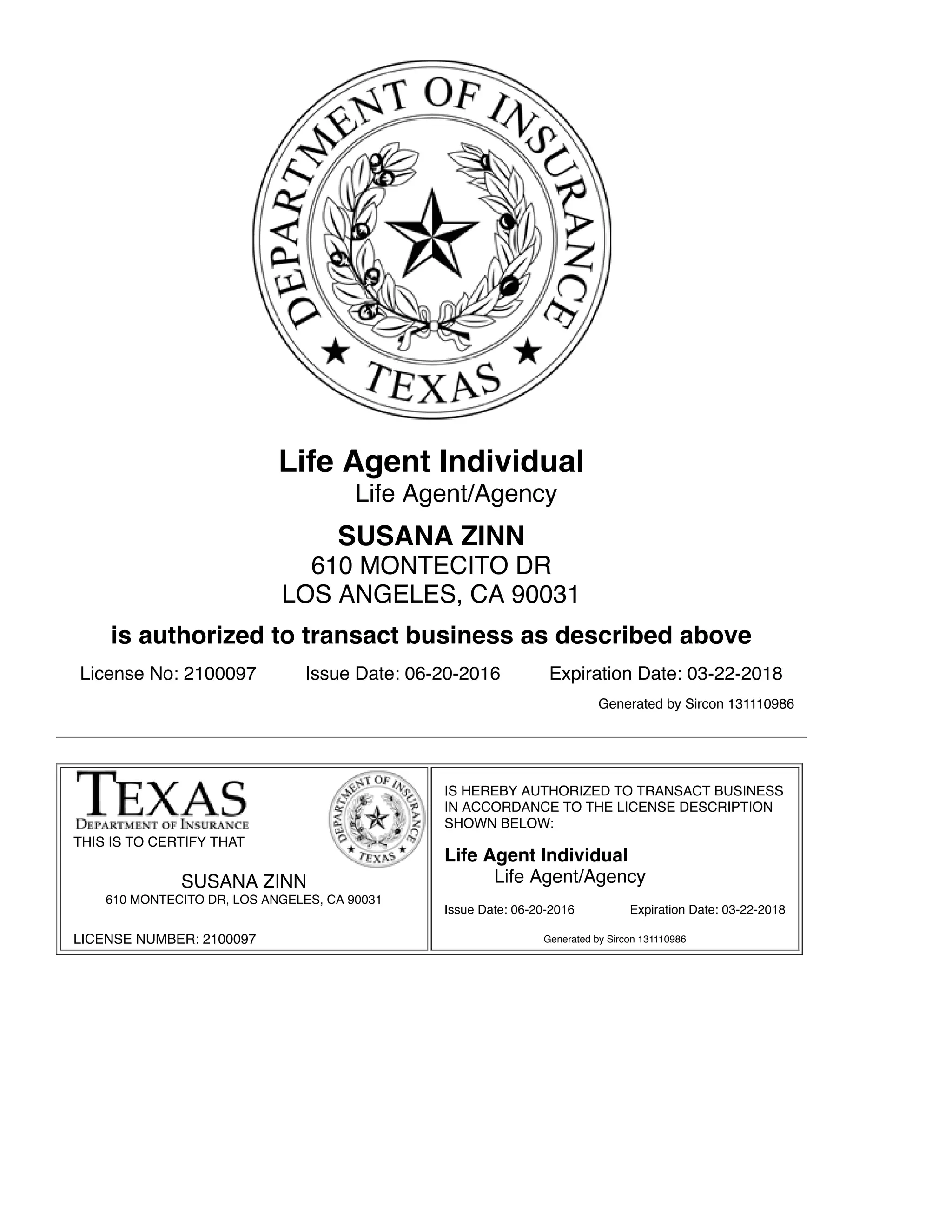
The state of Texas regulates insurance professionals through the Texas Department of Insurance. To legally sell, solicit, or negotiate life insurance products in the state, individuals must hold an active insurance producer license.
Depending on your career goals, TDI offers two primary licensing pathways related to life insurance:
- Life-Only Agent License: Authorizes you to sell individual and group life insurance contracts, annuities, and endowments.
- General Lines – Life, Accident, Health, and HMO License: A broader authorization allowing you to sell life insurance, fixed and variable annuities, individual and group health plans, disability income insurance, and long-term care policies.
Most aspiring agents opt for the General Lines license because financial institutions, independent marketing organizations (IMOs), and career agencies frequently bundle life and health products together. However, if your business model focuses strictly on estate planning, final expense, or direct life coverage, the standalone Life-Only license requires less exam preparation depth regarding health insurance mandates.
Basic Eligibility Criteria
To apply for a Texas life insurance license, you must meet the following baseline statutory requirements:
- Be at least 18 years of age.
- Be a legal resident of Texas or maintain a principal place of business within the state (non-resident licenses follow separate reciprocal rules).
- Pass the required licensing exam within 12 months prior to submitting your application.
- Submit a full set of fingerprints for a criminal background evaluation.
- Demonstrate good character, trustworthiness, and financial integrity.
Is Prelicense Education Mandatory in Texas?
Unlike states that mandate 20 to 40 hours of certified classroom instruction, Texas does not require mandatory prelicensing education hours prior to sitting for the exam. The Texas Insurance Code permits eligible candidates to register directly for the licensing exam without submitting a prelicensing course completion certificate.
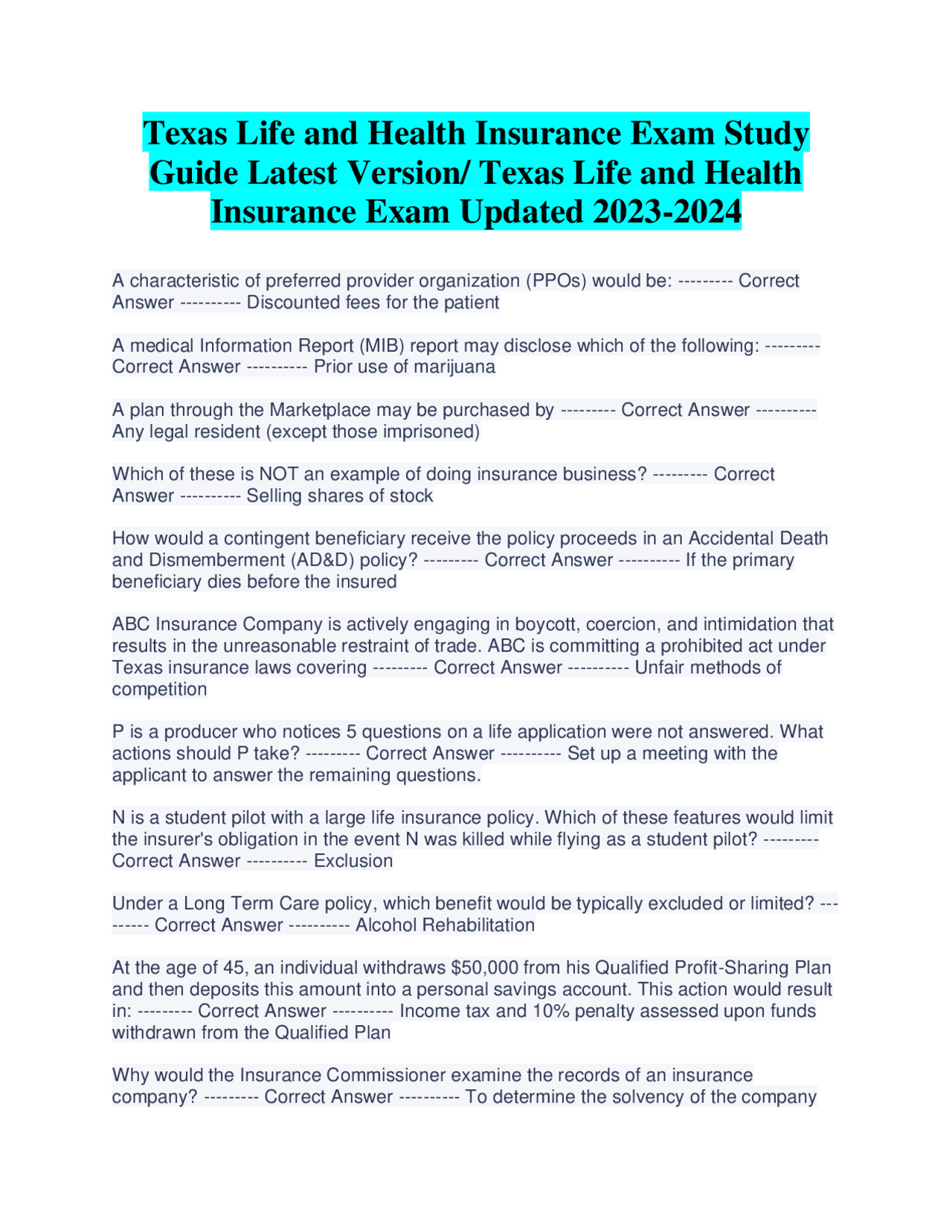
Despite the absence of a legal hour requirement, attempting the Texas life insurance exam without completing dedicated prelicense training carries a high rate of failure. The state exam evaluates complex insurance terminology, contract law, federal tax treatment of policies, and Texas-specific statutes governed by the Insurance Code and Administrative Code.
Why You Need a Dedicated Prelicense Training Program
Self-study using general online videos or outdated textbooks rarely provides adequate preparation for the nuanced scenario questions presented on the Pearson VUE exam. Quality prelicense training programs offer critical study features:
- Aligned Content Curriculums: Content formatted directly to match the official TDI exam content outline.
- Texas-Specific Regulatory Modules: Coverage of state-level rules such as the Deceptive Trade Practices Act (DTPA), replacement regulations, and TDI commissioner powers.
- Simulated Practice Exams: Question banks that mirror the actual test format, timed conditions, and difficulty level.
- Diagnostic Reporting: Analytics that pinpoint weak subject areas so you can focus study time efficiently.
Key Components of Effective Texas Life Insurance Prelicensing Courses
When selecting a prelicense training provider, look for courses designed around the specific test specifications published by Pearson VUE. The core knowledge areas are split between general insurance concepts and Texas state law.
| GENERAL KNOWLEDGE (National) | TEXAS SPECIFIC LAW |
|---|---|
| Types of Life Policies | TDI Powers & Duties |
| Policy Riders & Options | Licensing Requirements |
| Premiums & Proceeds Tax Rules | Marketing & Ethics Rules |
| Underwriting & Group Insurance | Standard Policy Provisions |
1. National Life Insurance Concepts
Your training must cover broad financial and insurance fundamentals, including:
- Policy Types: Term life, whole life, universal life, variable universal life, industrial life, and annuity structures (fixed, variable, indexed).
- Policy Provisions & Riders: Incontestability clauses, suicide exclusions, grace periods, reinstatement, waiver of premium, accidental death benefit, and guaranteed insurability.
- Underwriting & Beneficiary Designations: Insurable interest, field underwriting, medical exams, revocable vs. irrevocable beneficiaries, and the Uniform Simultaneous Death Act.
- Taxes & Retirement Plans: Tax treatment of cash value accumulation, death benefits, modified endowment contracts (MECs), traditional IRAs, Roth IRAs, and 401(k) rollovers.
2. Texas Insurance Statutes and Regulations
The state portion tests your compliance with Texas-specific insurance governance, including:
- TDI Authority: The duties of the Commissioner of Insurance, examination of records, and enforcement penalties.
- Licensing Rules: Change of address notification timelines (30 days), continuing education (CE) mandates, temporary licensing conditions, and license renewal cycles.
- Unfair Competition & Trade Practices: Regulations against misrepresentation, rebating, twisting, defamation, and illegal inducements.
- Texas Life Rules: Notice of replacement regulations, guaranty association disclosures, and free-look period minimums (typically 10 to 20 days depending on policy type).
Step-by-Step Guide to Getting Licensed in Texas
Following a structured timeline ensures you complete your prelicensing training, pass the exam, and obtain your license without unnecessary delays.
- Step 1: Complete Training (Independent Provider)
- Step 2: Pass Exam (Pearson VUE)
- Step 3: Fingerprinting (IdentoGO)
- Step 4: Submit Application (Sircon / NIPR)
Step 1: Enroll in and Complete a Prelicense Course
Choose a reputable insurance education provider offering Texas-specific coursework. Plan to dedicate 20 to 30 hours of study time across 1 to 2 weeks. Aim to score consistently above 85% on practice exams before booking your official test.
Step 2: Schedule and Pass the Pearson VUE Exam
State insurance exams in Texas are administered by Pearson VUE. You can register online to take the exam at a physical testing center or via remotely proctored online examination.
- Bring Valid Identification: A government-issued photo ID (driver’s license, passport) is required at test centers.
- Passing Score: You must achieve a scaled score of 70 or higher to pass.
- Score Report: You will receive your official score report immediately upon completing the exam.
Step 3: Complete Fingerprinting Background Check
Texas requires all license applicants to complete a criminal history background check. Fingerprints must be processed electronically through IdentoGO using the specific Texas Department of Insurance Service Code.
- Schedule your appointment online via IdentoGO.
- Pay the fingerprint processing fee at the time of service.
- Keep your receipt containing the Enrollment Tracking Number (UEID) for your application records.
Step 4: Submit Your Official Application
Once you pass the exam and complete fingerprinting, submit your formal license application electronically through either [Sircon](https://www. sircon.com) or the National Insurance Producer Registry (NIPR).
- Complete the standard background disclosure questions.
- Pay the non-refundable TDI application processing fee.
- Attach exam completion records or enter your Pearson VUE score report details if prompted.
TDI typically processes clean electronic applications within 3 to 10 business days. Once approved, you can print your active license directly from the application portal.
Texas Life Insurance Licensing Fee Schedule
Plan your budget by reviewing the standard costs associated with prelicense training, examination, fingerprinting, and state registration in Texas.
| Fee Type | Description | Approximate Cost | Payee |
|---|---|---|---|
| Prelicense Training Course | Optional online or self-study preparation course | $50 – $200 | Education Provider |
| Pearson VUE Exam Fee | Fee per exam attempt (Life-Only or General Lines) | $43 | Pearson VUE |
| Fingerprint Fee | Electronic background check and processing | $50 | IdentoGO / State Vendor |
| TDI License Application Fee | Non-refundable initial license processing fee | $50 | TDI (via Sircon or NIPR) |
| Total Estimated Investment | Mandatory fees plus quality prelicensing course | $193 – $343 | — |
Disclaimer: Fees are set by regulatory agencies and third-party vendors and are subject to periodic updates. Verify current rate schedules directly on official provider portals before registration.
Best Practices for Passing the Pearson VUE Texas Life Exam
Passing the Texas life insurance exam on your first attempt requires focused preparation rather than memorizing isolated terms. Apply these proven study strategies during your prelicense course:
1. Master the Vocabulary Early
Insurance exams rely heavily on specific legal definitions. Terms like indemnity, unilateral, aleatory, adhesion, estoppel, and insurable interest have precise legal meanings. Create flashcards for critical terms early in your study process so you can interpret complex scenario questions accurately.
2. Practice Timed Exam Simulations
The Pearson VUE exam places strict time limits on candidate performance (typically 2 hours for standalone tests). Sitting for multiple full-length practice exams helps you pace yourself, spending no more than 45 to 60 seconds per question.
3. Focus Heavily on Texas State Rules
National concepts often make up the bulk of the question pool, but candidate pass/fail margins frequently hinge on state-specific content. Ensure you understand state rules regarding:
- Notice of replacement rules and duties of replacing insurers.
- Grace periods required under Texas Insurance Code.
- Licensing exemptions and temporary license rules (e.g., 90-day temporary licenses).
- Continuing education requirements (24 hours every 2 years, including 2 hours of ethics).
4. Read Every Question Stem Carefully
Exam questions frequently use negative phrasing, such as "Which of the following is NOT a standard option..." or "All of the following statements are correct EXCEPT..." Slow down and re-read the core question (the stem) to avoid dropping marks on simple comprehension mistakes.
FAQs About Texas Prelicense Training for Life Insurance
How long does it take to complete Texas life insurance prelicense training?
Most self-paced online prelicense training courses require between 20 and 30 hours of total study time. Focused candidates often finish their study materials within 3 to 7 days, while part-time students usually complete preparation in 2 weeks.
What score is required to pass the Texas Life Insurance exam?
You must achieve a minimum score of 70% to pass the Texas life insurance exam. Pearson VUE delivers instant pass/fail results at the conclusion of the test session.
Can I take the Texas insurance licensing exam online from home?
Yes, Pearson VUE offers remote online proctoring (OnVUE) for Texas insurance licensing exams. Candidates who take the exam remotely must have a quiet, private workspace, a clear desk, a working webcam, and a stable high-speed internet connection.
How long is my passing exam score valid in Texas?
Your passing score from Pearson VUE remains valid for 12 months from the date of the exam. You must complete your background check and submit your license application to TDI within this 12-month window, or you will need to retake the exam.
What happens if I fail the Pearson VUE exam on my first try?
If you do not pass, you will receive a diagnostic report showing your performance across subject areas. You can register for a retake through Pearson VUE as soon as testing appointments are available. Texas does not impose a mandatory waiting period between your first and second attempt, though you must pay the exam fee for each attempt.
Recommended Next Steps
To launch your career as a licensed life insurance producer in Texas, follow this immediate action plan:
- Select a Training Provider: Choose an accredited online prelicense training course aligned with the Texas Pearson VUE exam syllabus.
- Establish a Study Schedule: Block out 2 to 3 hours daily over the next week to work through reading modules, videos, and topic quizzes.
- Book Your Exam: Schedule your Pearson VUE exam date 7 to 10 days out to create a firm study deadline.
- Schedule Fingerprinting: Reserve your appointment at an IdentoGO location shortly before or after your exam date to keep your background check moving forward.
- Submit Application: Apply through Sircon or NIPR as soon as you receive your passing test score report.
Image Gallery