Premier Paddle Sports: A Guide to High-Performance Watercraft and Techniques
Premier paddle sports represent the pinnacle of human-powered water navigation, encompassing high-performance kayaking, elite canoeing, and technical stand-up paddleboarding (SUP). Achieving "premier" status involves integrating advanc...
Premier paddle sports represent the pinnacle of human-powered water navigation, encompassing high-performance kayaking, elite canoeing, and technical stand-up paddleboarding (SUP). Achieving "premier" status involves integrating advanced composite equipment, specialized aerodynamic techniques, and rigorous safety protocols to navigate diverse aquatic environments ranging from coastal estuaries to technical whitewater rapids.
Contents
The Evolution of Premier Paddle Sports in 2026
As of 2026, the landscape of paddle sports has shifted from simple recreational pastimes to a sophisticated synthesis of material science and athletic precision. The term "premier" no longer refers merely to the cost of the equipment but to the specific engineering of watercraft designed for efficiency, tracking, and stability. Whether one is engaging in long-distance sea kayaking, competitive SUP racing, or expedition-grade canoeing, the focus has moved toward maximizing "glide"—the distance a craft travels per stroke—and minimizing pilot fatigue through ergonomic design.
The industry has seen a massive influx of sustainable materials, with bio-resins and recycled carbon fiber becoming the standard for high-end hulls. This shift reflects a broader commitment within the paddling community to preserve the waterways that serve as their arena. Furthermore, the integration of real-time data tracking via haptic feedback sensors in paddle shafts has allowed athletes to refine their stroke mechanics with unprecedented accuracy.
Choosing the Right Discipline: Kayak, Canoe, or SUP
Selecting a premier paddle sport depends heavily on the intended environment and the physical demands the athlete wishes to undertake. While all three core disciplines utilize a paddle, the mechanics and vessel dynamics vary significantly.
High-Performance Kayaking
Kayaking remains the most versatile of the premier paddle sports. In 2026, the market is bifurcated between ultra-light touring kayaks and specialized whitewater playboats. Premier touring kayaks often exceed 16 feet in length, utilizing a narrow beam to reduce drag. These vessels are equipped with integrated skegs or rudders to maintain a straight course in crosswinds. The technical depth of kayaking lies in the "rolling" techniques and the use of edge-control to steer the boat without losing forward momentum.
Expedition-Grade Canoeing
Modern canoeing has moved far beyond the heavy aluminum vessels of the past. Premier canoes are now constructed from Aramid fibers (such as Kevlar) or specialized Tuf-weave composites, offering a balance of impact resistance and feather-light portaging capability. Expedition canoeing focuses on load-bearing efficiency, allowing paddlers to traverse remote wilderness areas with hundreds of pounds of gear while maintaining a shallow draft.
Technical Stand-Up Paddleboarding (SUP)
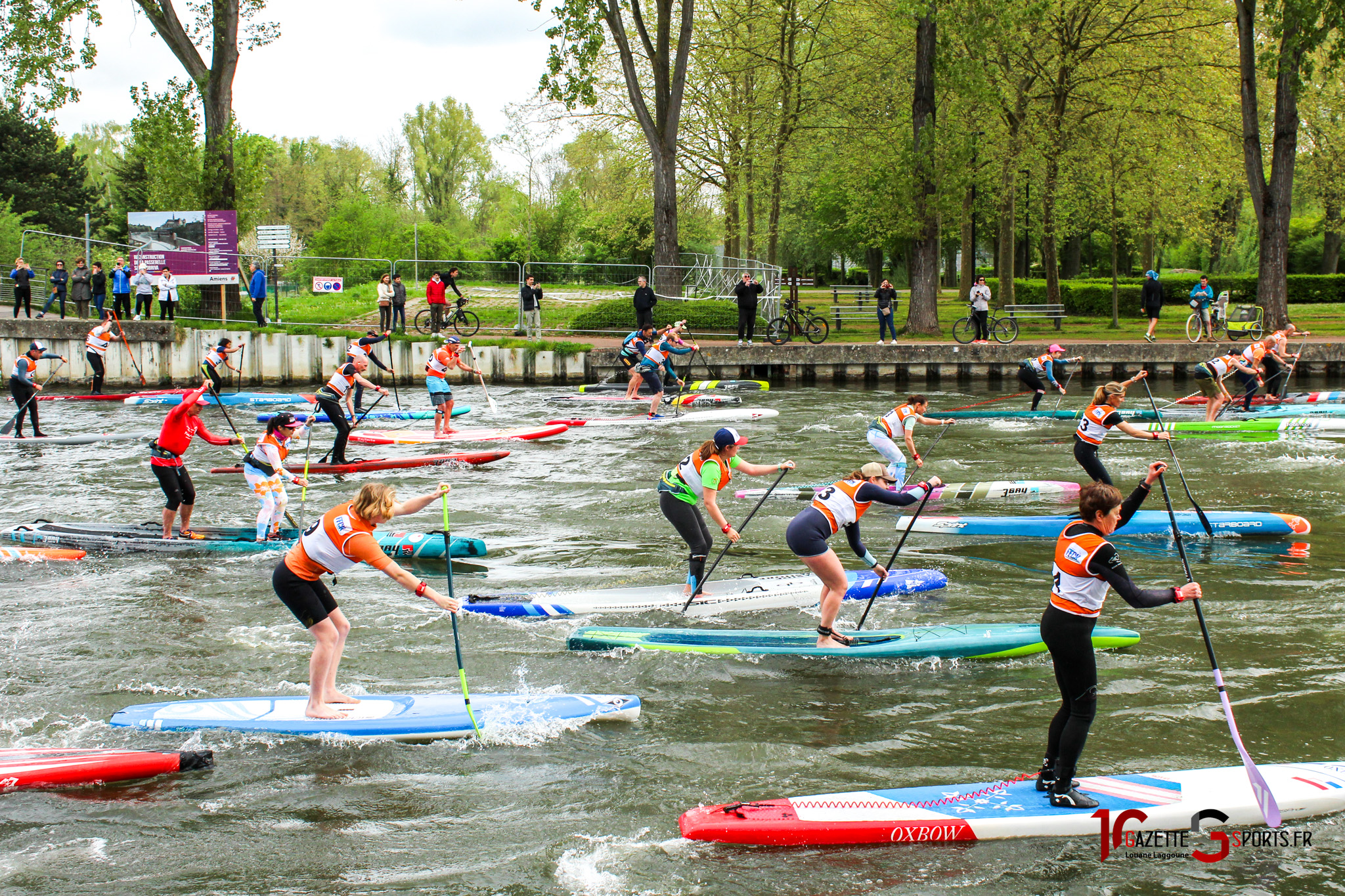
SUP has evolved into a high-stakes racing and touring discipline. Premier boards in 2026 feature "displacement hulls" (pointed noses similar to kayaks) rather than the "planing hulls" (flat, surf-style) found in entry-level models. These boards are designed for speed and tracking, often featuring carbon-fiber stringers for rigidity, which is essential for transferring 100% of the paddler's energy into forward motion.
Technical Specifications and Equipment Standards
To participate at a premier level, understanding the technical specifications of your gear is mandatory. Performance is a result of the interaction between the watercraft's hull design and the paddle's blade geometry.
| Feature | Premier Touring Kayak | Expedition Canoe | Racing/Touring SUP |
|---|---|---|---|
| Primary Material | Carbon/Kevlar Composite | Aramid/Tuff-weave | Pre-preg Carbon Fiber |
| Typical Length | 16' - 18' | 15' - 17' | 12'6" - 14' |
| Weight (2026 Avg) | 32 - 42 lbs | 38 - 48 lbs | 18 - 25 lbs |
| Hull Design | Round or Shallow V | Shallow Arch | Displacement |
| Average Cost (2026) | $3,500 - $5,500 | $3,200 - $4,800 | $2,500 - $4,000 |
| Primary Use | Open water, coastal | Lakes, rivers, camping | Fitness, racing, touring |
The Role of the Paddle
The paddle is the engine of the craft. In premier sports, "swing weight" is the most critical metric. A paddle with a heavy blade requires significantly more energy to lift out of the water thousands of times per day. High-end paddles utilize a "bent shaft" design to keep the paddler's wrists in a neutral position, reducing the risk of repetitive strain injuries like carpal tunnel or tendonitis. Blade shape—whether high-angle for power or low-angle for endurance—must be matched to the paddler’s style and the boat’s width.
Essential Safety Protocols and Certifications
Safety in premier paddle sports is governed by both federal regulations and sport-specific best practices. As of 2026, the U.S. Coast Guard classifies kayaks, canoes, and SUPs (outside of surf zones) as vessels, requiring specific safety equipment.
- Personal Flotation Devices (PFDs): High-performance paddlers utilize Type III or Type V PFDs designed for a high range of motion. These vests feature large armholes and mesh backs to accommodate the high-back seats of modern kayaks.
- Communication Devices: For coastal or remote paddling, a VHF marine radio and a Personal Locator Beacon (PLB) are essential. In 2026, many premier paddlers also utilize satellite transceivers for two-way communication in areas without cellular coverage.
- Immersion Protection: Understanding the "Golden Rule" of paddling—dress for the water temperature, not the air temperature—is vital. This involves using drysuits or high-grade neoprene wetsuits when water temperatures drop below 60°F (15°C).
- Certifications: Professional instruction through organizations like the American Canoe Association (ACA) provides tiers of certification that validate a paddler's ability to perform self-rescues, assisted rescues, and advanced maneuvers in varying water classes.
Navigation and Environmental Planning
Premier paddling requires a deep understanding of hydrography and meteorology. Before launching, a paddler must analyze tide tables, current speeds, and wind forecasts. The National Oceanic and Atmospheric Administration (NOAA) provides critical real-time data that can mean the difference between a successful crossing and a dangerous situation.
Understanding Current and Wind
In open water, a 15-knot headwind can effectively stall a paddler’s progress, while a 2-knot current can push a craft miles off course in an hour. Premier paddlers use "ferry gliding" techniques—angling the boat relative to the current—to cross moving water without being swept downstream.
Leave No Trace Principles
The premier paddling community adheres strictly to the Leave No Trace principles. This includes packing out all waste, respecting wildlife distances (especially in sensitive nesting areas), and avoiding the transport of invasive species by thoroughly cleaning and drying watercraft between different bodies of water.
Common Mistakes to Avoid in Elite Paddling
Even experienced athletes can encounter issues when transitioning to high-performance equipment. Awareness of these common pitfalls is necessary for maintaining safety and performance.
- Over-Gripping the Paddle: Newcomers to high-end carbon paddles often grip the shaft too tightly, leading to forearm fatigue. A "loose" grip where the power is generated from the core and torso rotation is the hallmark of a premier paddler.
- Neglecting the "Third Point of Contact": In a kayak, your feet and thighs are as important as your hands. Failing to use the foot braces and thigh braces results in poor energy transfer and instability.
- Ignoring Local Knowledge: Every body of water has unique hazards, such as "strainers" (downed trees) in rivers or "reboating" zones in shipping lanes. Always consult local paddling clubs or outfitters before exploring a new area.
- Inadequate Float Plan: Never launch without filing a float plan with a reliable person on shore. This document should detail your craft description, expected route, and "overdue" time.
FAQ
What is the primary difference between a "recreational" and a "premier" kayak?
A recreational kayak is typically short (under 12 feet), wide for stability, and made of heavy rotomolded plastic. A premier kayak is longer (16+ feet), narrower for speed, and constructed from lightweight composites like carbon fiber or fiberglass. Premier boats require more skill to balance but offer far superior tracking and efficiency over long distances.
Do I need a different paddle for a canoe versus a kayak?
Yes. A kayak paddle is double-bladed, allowing for alternating strokes on both sides of the boat. A canoe paddle is single-bladed with a "T-grip" or "palm grip" at the top, requiring the paddler to switch sides or use technical steering strokes (like the J-stroke) to maintain a straight course.
Is stand-up paddleboarding (SUP) considered a "true" paddle sport?
Absolutely. While it originated from surfing, modern SUP is a recognized paddle sport with its own technical requirements, competitive circuits, and specialized equipment. Premier SUP touring and racing involve complex stroke mechanics and core engagement similar to professional rowing or kayaking.
How much should I expect to spend on a premier setup in 2026?
A complete premier setup—including a composite watercraft, carbon fiber paddle, high-end PFD, and basic safety gear—typically ranges from $4,500 to $7,500. While the initial investment is high, these materials are often more durable and maintain a higher resale value than entry-level gear.
Is professional training necessary for premier paddle sports?
While not legally required for recreational use, professional training is highly recommended for anyone using high-performance equipment in open or moving water. Advanced techniques like the "Eskimo roll" in kayaking or "bracing" in a canoe are difficult to self-teach and are essential for safety in challenging conditions.
Strategic Recommendation for Aspiring Paddlers
If you are looking to enter the world of premier paddle sports, do not purchase high-end equipment immediately. Instead, seek out a "demo day" or a high-performance rental center where you can test different hull shapes and paddle weights. Focus on developing your core-rotational power and mastering self-rescue techniques in a controlled environment before venturing into coastal or whitewater expeditions. The transition to premier paddling is as much about the refinement of your physical "engine" as it is about the technology of the craft.
Image Gallery