Navigating Ohio Auto Liability Insurance Requirements When You Do Not Own a Vehicle
In Ohio, if you operate a vehicle that you do not own, you are still legally required to maintain financial responsibility to cover potential damages resulting from an accident. While most drivers satisfy this mandate through a standar...
In Ohio, if you operate a vehicle that you do not own, you are still legally required to maintain financial responsibility to cover potential damages resulting from an accident. While most drivers satisfy this mandate through a standard policy attached to a vehicle they own, non-owners must obtain a specialized form of coverage known as non-owner auto insurance to meet state requirements.
Contents
Understanding the Ohio Financial Responsibility Mandate
The state of Ohio operates under a "financial responsibility" law, which dictates that every driver must be able to prove they can pay for damages if they are found at fault in a traffic accident. According to the Ohio Bureau of Motor Vehicles (BMV), proof of insurance is mandatory for all drivers.
When you own a car, this is straightforward: you purchase a policy that is tied to the vehicle’s Vehicle Identification Number (VIN). However, the law does not exempt you simply because you borrow a friend’s car, rent vehicles frequently, or utilize car-sharing services. If you cause an accident while operating someone else's vehicle, the primary insurance usually follows the car; however, if the owner’s policy limits are exhausted or if they lack sufficient coverage, you—as the driver—remain personally liable for the remaining financial damages. This is where non-owner auto liability insurance becomes a critical safety net.
What is Non-Owner Auto Liability Insurance?
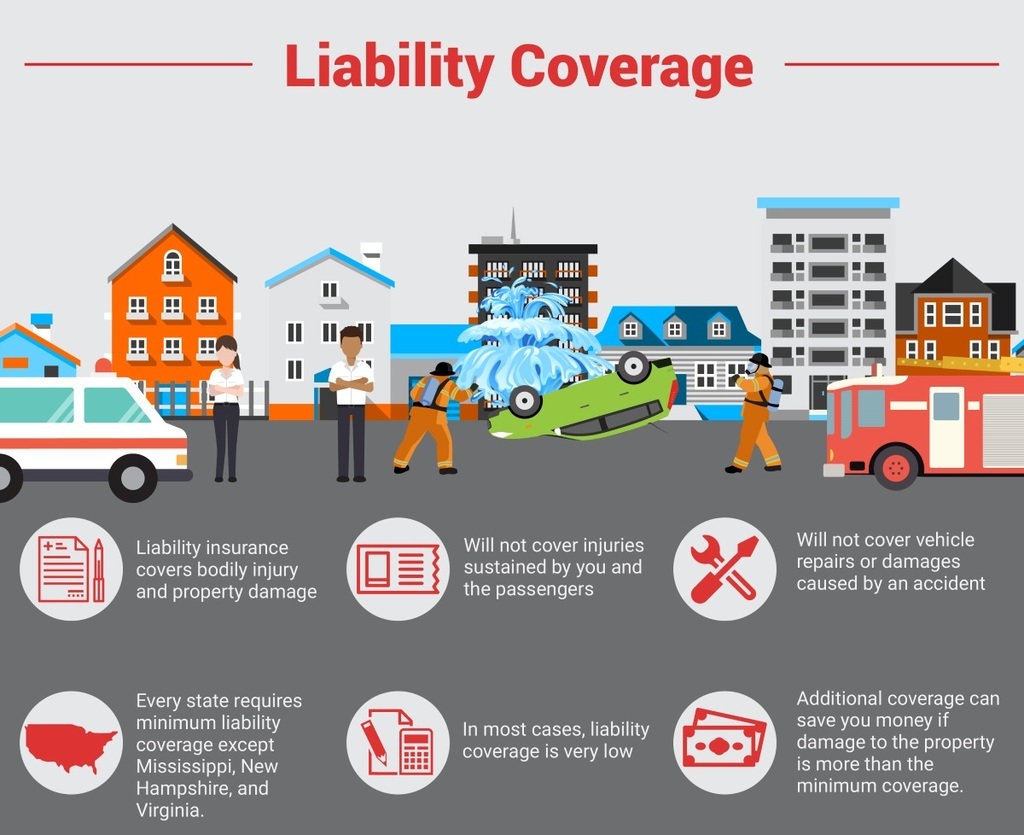
Non-owner auto insurance is a liability-only policy designed for individuals who do not own a vehicle but require proof of financial responsibility. Unlike a standard auto policy, it does not include comprehensive or collision coverage, as there is no specific vehicle for the insurer to repair.
Instead, it provides the following essential protections:
- Bodily Injury Liability: This covers medical expenses for other people if you are at fault in an accident.
- Property Damage Liability: This covers the cost of repairs to the other person's vehicle or property, such as fences or buildings, if you cause an accident.
It is important to note that this insurance is considered "secondary" or "excess" coverage. If you are driving a friend's car and get into an accident, the owner’s insurance is primary. Your non-owner policy only kicks in if the costs exceed the owner's policy limits.
Why You Need Coverage Even Without Car Ownership
Many drivers mistakenly believe that if they do not own a car, they do not need insurance. This assumption can lead to severe legal and financial consequences in the state of Ohio.
1. Preventing Gaps in Coverage
Insurance companies look favorably upon individuals who maintain continuous coverage. If you go for a significant period without an active auto policy, many insurers will classify you as a "high-risk" driver. When you eventually decide to purchase a car, your premiums may be significantly higher due to this history of a coverage lapse. Maintaining a non-owner policy keeps your insurance history "active," which can save you money on future premiums.
2. SR-22 or FR Bond Requirements
If you have had your driver's license suspended for certain traffic violations—such as driving without insurance, multiple DUIs, or serious accidents—the state of Ohio may require you to file an SR-22 form (also referred to as a Certificate of Financial Responsibility). Even if you do not own a car, you must carry insurance to keep your license active. A non-owner policy is often the only way for non-vehicle owners to satisfy this legal requirement.
3. Protecting Personal Assets
Without insurance, if you are held liable for an accident, you are personally responsible for the damages. This could lead to a lawsuit where your personal savings, wages, or property are targeted to pay for the victim's medical bills or vehicle repairs.
Comparison of Coverage Scenarios
The following table outlines how your responsibility shifts depending on your insurance status when operating a vehicle you do not own.
| Scenario | Insurance Role | Potential Financial Risk |
|---|---|---|
| Borrowing a car (Owner has high limits) | Primary coverage is the owner's policy. | Minimal (if within policy limits). |
| Borrowing a car (Owner has minimum or no coverage) | You may be held personally liable for the gap. | High (personal assets at risk). |
| Rental car (No personal insurance) | You rely solely on rental company protection. | High (if you decline supplemental coverage). |
| Driving with non-owner insurance | Your policy acts as excess coverage. | Low (policy covers the excess up to its limits). |
Prerequisites for Obtaining a Non-Owner Policy
Not every insurance company offers non-owner policies. Because this is a niche product, you may find that major national carriers are more likely to provide it than smaller, local agencies. Before applying, ensure you have the following information prepared:
- Valid Driver's License: You must have a clean or insurable driving record. If your license is currently suspended, you will need to verify if the insurance company will accept an SR-22 filing.
- Personal Information: You will need to provide your full driving history, including any accidents or traffic violations from the past three to five years.
- Verification of Non-Ownership: Most insurers will ask you to confirm that you do not have regular access to a vehicle in your household. If you live with family members who own cars, you may be required to be listed on their policy instead of purchasing a standalone non-owner policy.
Common Limitations and Exclusions
It is vital to understand that a non-owner liability policy is not a "full-coverage" solution. It is strictly limited in scope:
- No Personal Injury Protection (PIP): Many non-owner policies do not cover your own medical bills if you are injured in an accident. You should rely on your personal health insurance for this purpose.
- No Vehicle Damage Coverage: Your non-owner policy will not pay to fix the car you are driving. If you damage a borrowed vehicle, the costs to repair that vehicle are your responsibility or the owner's.
- Household Exclusions: Generally, these policies prohibit you from driving cars owned by people in your household. Insurance companies expect you to be added to the primary policy of the vehicle owner if you live under the same roof.
Steps to Secure Your Policy
- Contact Multiple Carriers: Reach out to various insurance agents. Clearly state that you are looking for "non-owner liability insurance."
- Request Quotes: Because these policies are not standardized, prices can vary significantly between companies. Obtain at least three quotes.
- Confirm Filing Capabilities: If you require an SR-22, ensure the company is authorized to file this document with the Ohio BMV on your behalf.
- Review the Declaration Page: Once you purchase the policy, carefully review the coverage limits to ensure they meet your financial needs.
Frequently Asked Questions
Does a non-owner policy allow me to drive any car? It allows you to drive most personal vehicles that you do not own or have regular access to. However, it does not cover commercial vehicles, taxis, or rideshare vehicles (like Uber or Lyft) while you are actively working.
Can I get a non-owner policy if I have a history of DUIs? Yes, but you may need to seek out a "high-risk" insurance provider. You will likely be required to maintain an SR-22 filing for a specified number of years, which will increase your premium costs.
Is non-owner insurance cheaper than standard insurance? Generally, yes. Since the policy does not include comprehensive or collision coverage, it is significantly cheaper than a full-coverage policy for an owned vehicle.
What happens if I move to a different state? Insurance is state-specific. If you move, you must notify your insurance company immediately. They will either transfer your policy to your new state or inform you that you must cancel the policy and seek coverage under the laws of your new residence.
Do I need non-owner insurance if I only use car-sharing services? Car-sharing services often provide their own liability insurance, but it is frequently limited to the state-mandated minimum. Having your own non-owner policy provides an extra layer of protection if the cost of an accident exceeds the car-sharing company’s limits.
Final Recommendation
If you frequently drive vehicles you do not own, obtaining non-owner auto liability insurance is a prudent financial decision that protects your assets and satisfies Ohio’s legal requirements. Start by contacting your current insurance agent or a reputable provider in Ohio to get a quote tailored to your specific driving history. Always ensure that the policy limits provide adequate protection relative to your total personal assets, rather than simply opting for the state’s minimum requirements.
Disclaimer: This article provides general information regarding auto insurance in Ohio and does not constitute legal or financial advice. Insurance laws and company policies can change. Always consult with a licensed insurance professional or the Ohio Bureau of Motor Vehicles regarding your specific legal obligations.
Image Gallery