Understanding Cooperative Management: Principles and Operational Frameworks
Cooperative management refers to the organizational governance and administrative structure used by cooperatives—businesses owned and democratically controlled by the people who use their services or work within them. Unlike traditiona...
Cooperative management refers to the organizational governance and administrative structure used by cooperatives—businesses owned and democratically controlled by the people who use their services or work within them. Unlike traditional investor-owned corporations, cooperatives prioritize member needs, democratic participation, and long-term sustainability over short-term capital returns for external shareholders.
Contents
The Philosophical Foundation of Cooperative Management
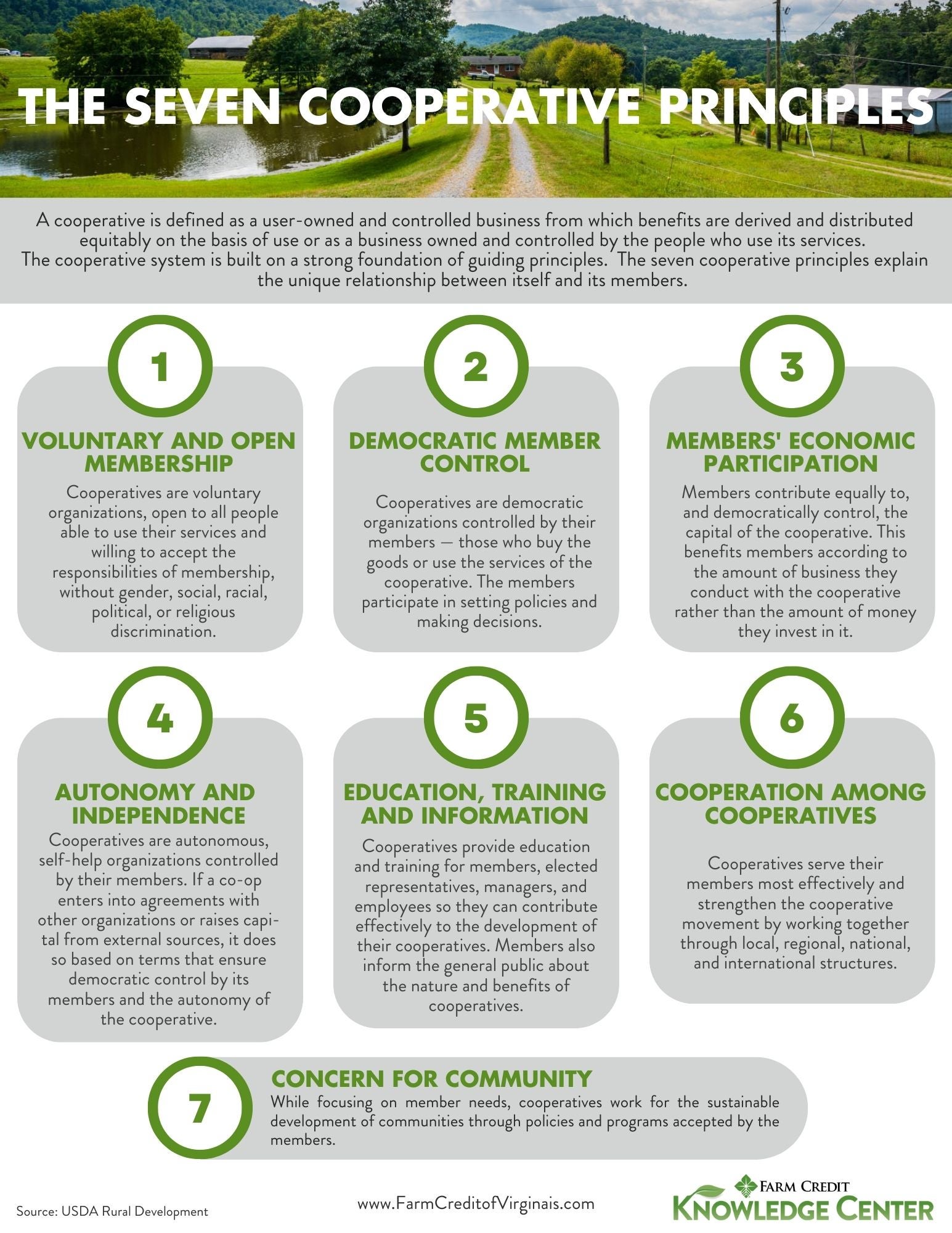
To understand how a cooperative is managed, one must first recognize that it is a business model driven by a dual purpose: economic viability and social utility. The management framework is dictated by the seven internationally recognized cooperative principles, established by the International Co-operative Alliance (ICA). These principles—voluntary and open membership, democratic member control, economic participation, autonomy, education, cooperation among cooperatives, and concern for community—form the bedrock of operational policy.
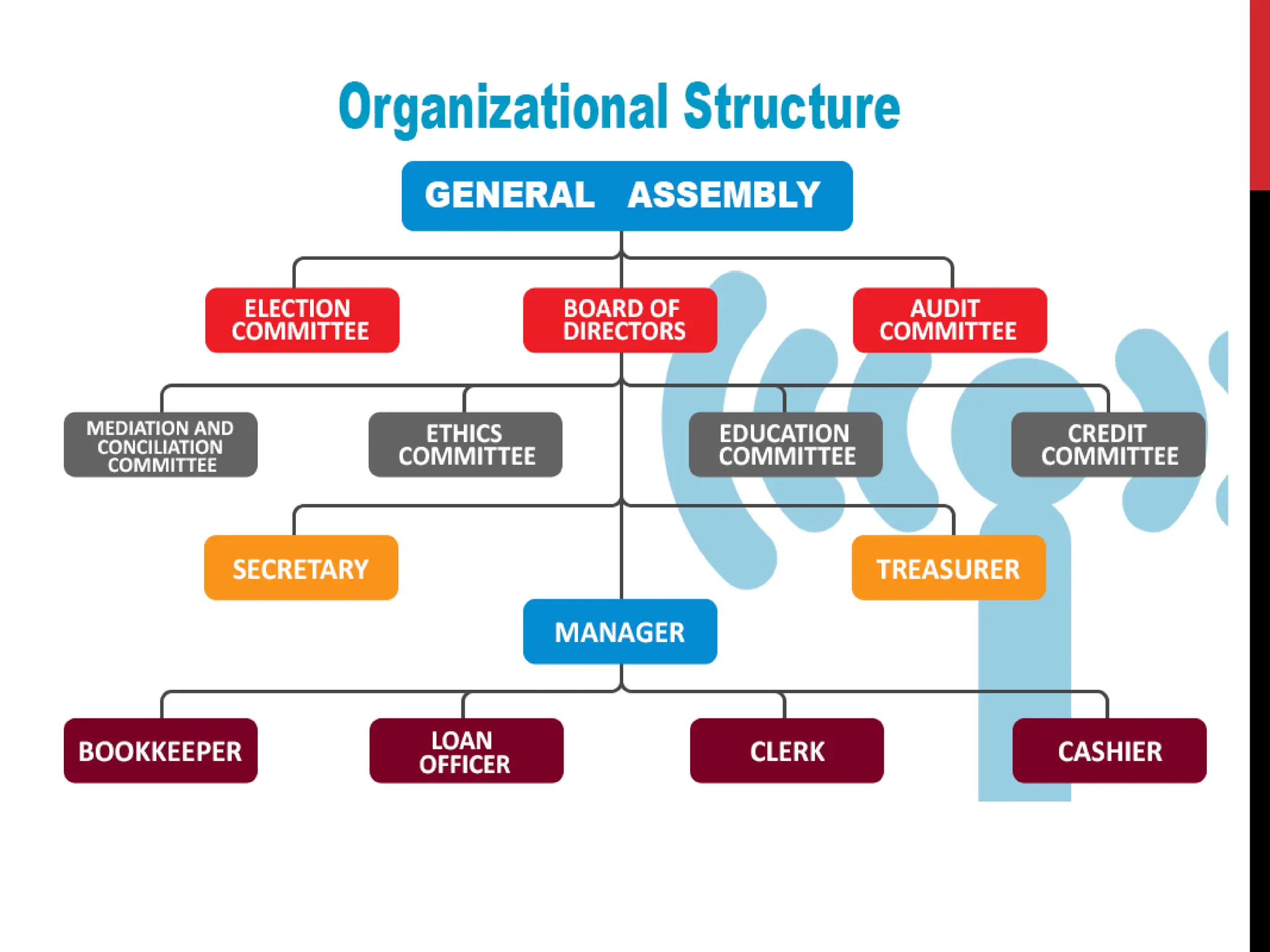
Management in this environment is not top-down in the traditional sense. While professional managers are often hired to handle day-to-day operations, they serve at the pleasure of an elected board of directors. This board consists of members, not external investors, meaning the management team must balance the technical requirements of the business with the specific interests of the membership base.
Governance Structure: The Role of the Board vs. Management
A fundamental component of cooperative management is the distinction between governance and execution. Governance is the responsibility of the Board of Directors, which is elected by the membership. The board’s primary tasks include:
- Strategic Oversight: Setting the long-term vision and mission of the cooperative.
- Fiduciary Responsibility: Ensuring the cooperative remains solvent and compliant with local, state, and federal regulations.
- Hiring the General Manager (GM): Appointing a professional executive to oversee daily operations.
- Policy Governance: Establishing clear boundaries and expectations within which the professional management team must operate.
The General Manager, in turn, is responsible for the internal management of staff, procurement, sales, financial reporting, and the implementation of board-directed policies. This separation ensures that the cooperative is run with professional efficiency while remaining accountable to its owners.
Operational Differences: Cooperative vs. Investor-Owned Models
The management challenges in a cooperative differ significantly from those in a standard corporation. In a traditional firm, the goal is often "shareholder primacy," where the board is tasked with maximizing the stock price. In a cooperative, the board seeks to maximize the value delivered to the member. This might manifest as lower prices for goods, better wages for workers, or improved services, rather than a quarterly dividend check.
| Feature | Investor-Owned Firm | Cooperative Entity |
|---|---|---|
| Primary Goal | Profit maximization | Member service/utility |
| Voting Power | Proportional to shares held | One member, one vote |
| Capital Source | Equity markets/Investors | Member contributions/Retained earnings |
| Accountability | To external shareholders | To the member-owners |
| Management Focus | Short-term financial performance | Long-term member sustainability |
Requirements for Effective Cooperative Management
Effective management within a cooperative requires a specialized skill set. Managers must navigate the complexity of democratic consensus while maintaining the agility required in a competitive market.
1. Transparency and Communication
In a cooperative, the owners—the members—are often deeply invested in the organization’s performance. Management must maintain a high level of transparency. Regular reporting to the board and annual meetings with the general membership are essential to ensure that the management team retains the trust of the collective.
2. Balancing Member Needs with Market Realities
A cooperative must remain competitive in its specific niche. If a consumer cooperative charges prices significantly higher than the market average without providing proportional value, member loyalty will falter. Management must therefore utilize professional supply chain management, marketing, and financial controls as effectively as any private competitor.
3. Education and Training
Principle five of the cooperative model mandates education. Management is often responsible for fostering this by educating members on the business model, the rights of the members, and the strategic direction of the enterprise. An informed membership is an engaged membership, which is critical for the stability of the cooperative.
Financial Management and Capital Retention
Financing a cooperative presents unique challenges. Because cooperatives rely on member equity, they cannot easily tap into equity markets to raise large sums of capital. Consequently, management must be disciplined in how they handle "patronage dividends" and retained earnings.
Management typically determines what portion of the net margin should be returned to members as a refund based on their usage of the cooperative (patronage) and what portion should be reinvested into the business for upgrades, technology, or expansion. This requires sophisticated long-term financial planning to ensure that the cooperative can grow without relying on debt instruments that might compromise its democratic autonomy.
Common Challenges and Troubleshooting
Despite the advantages of the cooperative model, management often encounters specific hurdles:
- Slow Decision-Making: The democratic process is inherently slower than autocratic decision-making. Management must implement clear policies that allow for day-to-day operational autonomy so that the cooperative does not become bogged down in procedural red tape.
- Member Apathy: If members feel their input does not matter, they may disengage. Management must ensure that member feedback mechanisms—such as surveys, committee work, or focus groups—are functional and impactful.
- Conflict of Interest: In worker cooperatives, the employees are also the owners. This can lead to tension when management must make difficult decisions regarding performance management or salary structures. Clear, pre-negotiated employment bylaws are essential to mitigate these conflicts.
Frequently Asked Questions
Is cooperative management more expensive than traditional management?
Not necessarily. While the democratic processes require time and investment in communication, these costs are often offset by the high level of loyalty and the reduced marketing expenses associated with a committed member base.
Can professional managers be fired in a cooperative?
Yes. Professional managers, including the General Manager, are employees of the cooperative. If the Board of Directors determines that a manager is not meeting the strategic goals or adhering to the cooperative’s values, they have the authority to terminate their contract, just as any other board of directors would.
What is the biggest mistake cooperatives make in management?
The most common mistake is failing to separate governance from management. When the board tries to interfere in day-to-day tasks, or when management tries to usurp the board's policy-making role, the cooperative suffers from a lack of clarity and operational paralysis.
How do cooperatives handle losses?
Cooperatives are businesses, and they can lose money. Management must present a recovery plan to the board. Often, the cooperative will utilize retained earnings from previous years to cover deficits. If the losses are severe, the board may vote to reduce patronage refunds or seek member-approved capital calls to restore stability.
Final Recommendations for Management Practice
If you are involved in the management of a cooperative or seeking to implement this structure, prioritize the development of a strong Governance Manual. This document should delineate exactly where the board’s authority ends and the professional manager’s begins. Ensure that financial reporting is transparent and frequent enough to satisfy the board’s fiduciary duties, and never neglect the "education" aspect of the cooperative principles. A cooperative succeeds when its members are as knowledgeable about the business model as the people managing it.
Image Gallery