Exploring the Salish American Dream Journey: Pathways, Sovereignty, and Economic Opportunity
The Salish American Dream journey represents the pursuit of economic mobility, higher education, and community prosperity by Coast Salish and regional Pacific Northwest communities while honoring tribal sovereignty and cultural heritag...
The Salish American Dream journey represents the pursuit of economic mobility, higher education, and community prosperity by Coast Salish and regional Pacific Northwest communities while honoring tribal sovereignty and cultural heritage. It encompasses educational pathways at institutions like Salish Kootenai College, tribal enterprise growth, sustainable resource management, and regional career development across Washington State and the Salish Sea ecosystem.
Contents
Understanding the Salish Context: Cultural Identity and Economic Sovereignty
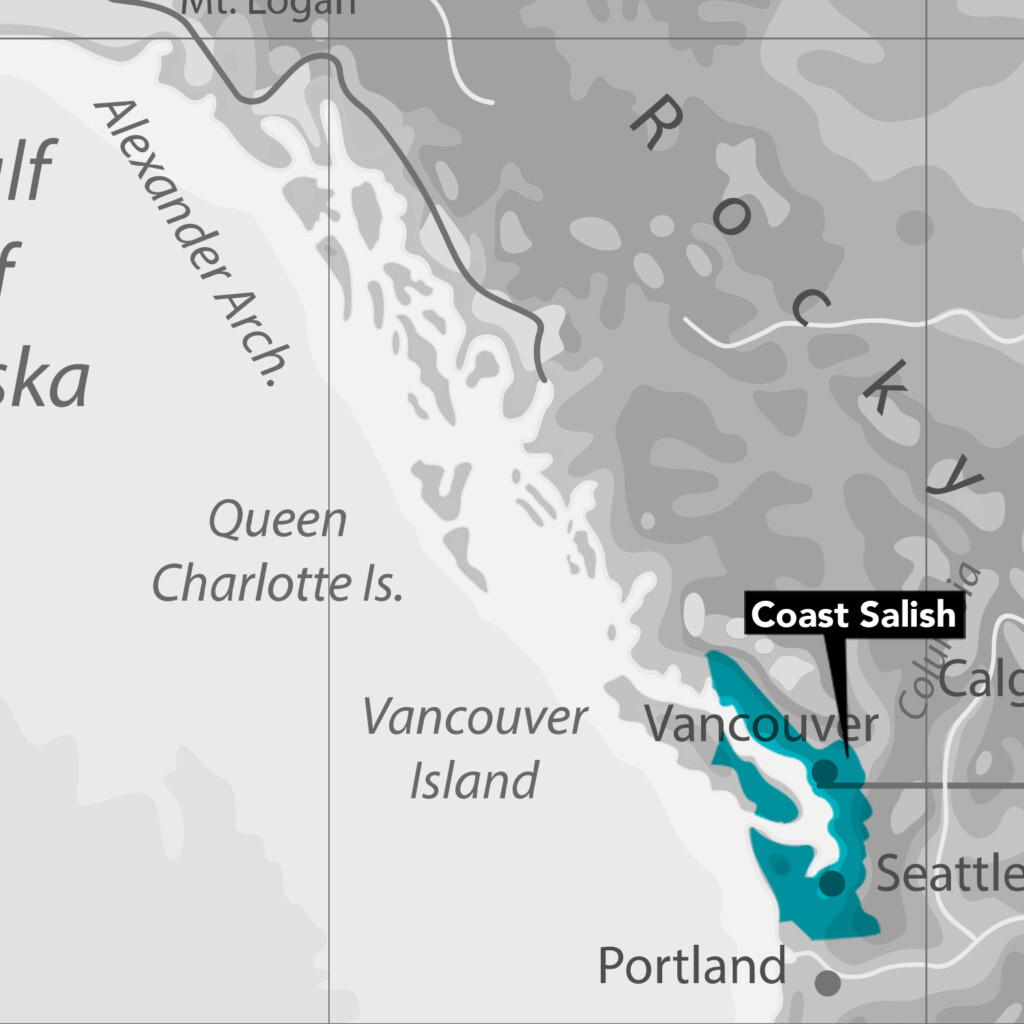
The Salish Sea region—spanning Western Washington, the Puget Sound, the San Juan Islands, and Southwestern British Columbia—serves as the ancestral homelands of numerous Coast Salish tribal nations. These include the Lummi, Tulalip, Swinomish, Puyallup, Suquamish, Muckleshoot, and Nisqually Nations, alongside interior Salish communities such as the Confederated Salish and Kootenai Tribes (CSKT) located in Montana.
For Coast Salish peoples and residents of the Pacific Northwest, the journey toward socio-economic advancement differs fundamentally from traditional individualized narratives of the American Dream. Rather than viewing success strictly through the lens of individual private wealth, the Salish framework balances individual professional achievement with collective community resilience, cultural preservation, environmental stewardship, and tribal self-determination.
This modern economic journey is grounded in foundational 19th-century agreements, including the Treaty of Point Elliott (1855) and the Treaty of Medicine Creek (1854). These treaties established a legal framework that guarantees tribal rights to natural resources, healthcare, and education. Today, the Salish journey reflects a dynamic balance: leveraging regional commercial growth—driven by Pacific Northwest technology hubs, maritime commerce, and tribal government enterprises—while maintaining deep ancestral ties to land management and self-governance.
Pillars of Empowerment: Education, Enterprise, and Resource Rights
Building a successful personal or community trajectory within the Salish region relies on three interconnected institutional pillars: tribal higher education, sovereign business enterprise, and co-managed natural resource rights.
Higher Education and Vocational Pathways
Specialized academic institutions serve as primary catalysts for personal advancement and local economic stability. Tribal Colleges and Universities (TCUs), such as Salish Kootenai College in Pablo, Montana, and Northwest Indian College in Bellingham, Washington, offer accredited associate, baccalaureate, and certificate programs specifically structured around regional economic demands.
Key degree programs include Forestry, Marine Environmental Science, Tribal Governance, Nursing, Business Administration, and Information Technology. By combining rigorous academic standards with Indigenous knowledge systems, these institutions create direct pipelines for graduates into tribal administration, state and federal resource agencies, health systems, and private corporations across the Pacific Northwest.
Pillars of the Salish Economic & Career Journey:
- Higher Education & TCUs (SKC/NWIC degrees)
- Sovereign Tribal Business Diversification
- Treaty Rights & Co-Management (Boldt Decision)
Tribal Enterprise and Commercial Diversification
Over recent decades, tribal governments across the Salish Sea basin have built sophisticated, multi-faceted business portfolios that extend far beyond gaming and hospitality. Revenue generated by tribal commercial entities—spanning luxury resorts, commercial retail developments, telecommunications networks, marine logistics, construction firms, and clean energy projects—reinvests directly into public safety, elder care, modern healthcare facilities, and infrastructure. This corporate diversification creates diverse employment opportunities for tribal members and non-tribal regional residents alike.
Treaty Resource Rights and Environmental Economies
Economic self-reliance in the Salish Sea is inextricably tied to natural resource access and stewardship. The landmark 1974 federal court decision in United States v. Washington (commonly known as the Boldt Decision) reaffirmed treaty-reserved fishing rights, ruling that western Washington tribes were entitled to harvest up to 50 percent of the catchable salmon and shellfish in their traditional grounds.
This ruling established tribal governments as legal co-managers of regional natural resources alongside Washington State. Consequently, natural resource management, marine hatcheries, commercial fisheries, and environmental restoration projects provide sustainable career paths that protect regional ecology while driving local commerce.
Key Stages in Navigating the Salish Economic Journey
Achieving career growth, educational success, or business expansion within this regional framework involves navigating specific administrative, educational, and financial steps.
Stage 1: Securing Educational Funding and Academic Enrollment
Prospective students seeking undergraduate or professional credentials must navigate specialized funding networks designed to support Indigenous and regional scholars:
- Complete Federal and Institutional Applications: Submit the Free Application for Federal Student Aid (FAFSA) to access federal funding options such as Federal Pell Grants and Federal Work-Study.
- Apply for Tribal Grant Programs: Tribal citizens should contact their respective Tribal Education Departments (TEDs) to apply for Higher Education Grant Programs funded through the Bureau of Indian Education (BIE) or direct tribal appropriations.
- Target Regional and National Scholarships: Utilize targeted funding sources, including the American Indian College Fund, the Washington College Grant for Regional/Tribal Students, and institutional aid directly awarded by Salish Kootenai College or Northwest Indian College.
Stage 2: Accessing Capital for Business Launch and Expansion
Entrepreneurs seeking to start commercial enterprises on tribal lands or within adjacent urban centers face distinct financial structures. Traditional commercial banks often lack familiarity with sovereign land regulations, making specialized lending entities essential:
- Engage Native CDFIs: Native Community Development Financial Institutions (CDFIs), such as Craft3, Native American Development Corporation (NADC), and regional partners supported by the First Nations Oweesta Corporation, provide micro-loans, business incubators, and credit-building technical assistance.
- Utilize Federal Guarantee Programs: Leverage the U.S. Department of the Interior’s Indian Loan Guarantee and Insurance Program (ILGP). This federal mechanism guarantees up to 90 percent of a commercial loan made by an approved lender, significantly reducing risk for financial institutions financing Native-owned businesses on and off trust lands.
Stage 3: Professional Integration and Public-Private Leadership
As professionals transition into mid-career and executive roles, bridging the gap between municipal, corporate, and tribal entities becomes a primary success factor. Organizations such as the Northwest Indian Fisheries Commission (NWIFC) and inter-tribal business consortia offer opportunities to lead large-scale environmental engineering, healthcare management, and public policy initiatives.
Comparative Analysis: Traditional Economic Models vs. Sovereign Tribal Enterprise
To understand how individual career advancement intersects with collective community goals, the following table compares standard Western economic indicators against the Salish sovereign enterprise model.
| Economic Dimension | Traditional Western Economic Model | Salish Sovereign & Regional Enterprise |
|---|---|---|
| Primary Economic Objective | Individual wealth accumulation and private shareholder value | Dual focus on individual career mobility and collective tribal community prosperity |
| Land Ownership & Real Estate | Private fee-simple land title and municipal zoning regulation | Dual system: Fee-simple property off-reservation; Federal Indian Trust land on-reservation |
| Resource Management Rights | Federal, state, and county environmental regulatory oversight | Legal co-management framework established via Treaty Rights (United States v. Washington) |
| Higher Education Pipeline | State universities, community colleges, and private universities | Tribal Colleges & Universities (TCUs) integrating academic disciplines with cultural studies |
| Housing Loan Guarantee Structures | Standard conventional loans (Fannie Mae/Freddie Mac), FHA, and VA loans | HUD Section 184 Loan Guarantee Program tailored for trust and fee-simple reservation property |
| Capital Access Networks | Traditional commercial banking, private equity, and venture capital | Native CDFIs, SBA Office of Native American Affairs, and Indian Loan Guarantee Program |
| Revenue Distribution | Private corporate dividends, individual capital gains, and equity payouts | Direct reinvestment into tribal health infrastructure, social services, and public safety |
Overcoming Structural Hurdles on the Journey
Navigating socio-economic growth within the Salish Sea ecosystem presents specific administrative, financial, and geographic challenges that require strategic solutions.
Navigating Trust Land Property Encumbrances
Obtaining residential mortgages or commercial real estate financing on reservation land can be complicated by land fractionation and federal trust restrictions. Because trust land cannot be encumbered or alienated without federal approval, standard mortgage foreclosures are restricted.
To overcome this barrier, buyers and lenders utilize the U.S. Department of Housing and Urban Development's Section 184 Indian Housing Loan Guarantee Program. The Section 184 program provides federal guarantees for home mortgages granted to Native applicants, accommodating both fee-simple land and individual or tribal trust property with low down-payment requirements.
Navigating Trust Land Real Estate:
- Challenge: Federal trust land restrictions prohibit traditional commercial mortgage liens and standard foreclosure processes.
- Solution: Utilize HUD Section 184 Indian Housing Loan Guarantees with specialized tribal land leases (e.g., 50-year leases).
Bridging Digital and Physical Infrastructure Gaps
Rural reservation communities across the Pacific Northwest have historically faced disparities in broadband internet access and transportation infrastructure. Recent federal initiatives, including funding deployed via the National Telecommunications and Information Administration (NTIA) Tribal Broadband Connectivity Program, have enabled tribal telecommunications enterprises to install high-speed fiber-optic networks. This expanded connectivity facilitates remote work, e-commerce enterprise expansion, and access to online higher education coursework.
Balancing Commercial Development with Environmental Protection
Economic growth in Western Washington and the Puget Sound region places constant pressure on marine ecosystems, salmon spawning streams, and forestry lands. Tribal natural resource departments actively engage in spatial planning, environmental impact reviews, and habitat restoration. By enforcing environmental regulations and treaty co-management provisions, communities ensure that industrial and residential developments do not compromise treaty-protected resources for future generations.
Frequently Asked Questions
What is the Salish Sea region, and why is it central to this economic journey?
The Salish Sea is an inland sea ecosystem comprising the Puget Sound, the Strait of Juan de Fuca, and the Strait of Georgia in Western Washington and Southwestern British Columbia. It forms the ancestral homelands of numerous Coast Salish nations. The region is vital because its marine resources, maritime trade corridors, and economic centers drive both sovereign tribal economic development and broader Pacific Northwest commerce.
How do Tribal Colleges and Universities (TCUs) support career mobility in the region?
Tribal Colleges such as Salish Kootenai College and Northwest Indian College offer accredited associate and baccalaureate degree programs tailored to regional career demands. By integrating technical disciplines like nursing, environmental science, forestry, and business management with cultural coursework, TCUs prepare students for professional roles within tribal governance, government agencies, and corporate sectors.
What financial programs exist for Native entrepreneurs starting businesses in the Salish region?
Native entrepreneurs can access specialized financial mechanisms, including micro-lending and technical assistance from Native Community Development Financial Institutions (CDFIs), small business support through the SBA Office of Native American Affairs, and loan guarantees via the Bureau of Indian Affairs Indian Loan Guarantee Program. These entities provide financing models adapted to reservation land status and sovereign regulatory environments.
How does the HUD Section 184 Program assist home buyers on trust land?
The HUD Section 184 Indian Housing Loan Guarantee Program provides federal mortgage guarantees to participating private lenders for loans made to American Indian families, tribes, or tribally designated housing entities. The program accommodates properties located on tribal trust land, allotment land, and fee-simple land, requiring low down payments and flexible underwriting criteria to simplify reservation homeownership.
What is the significance of the Boldt Decision to regional commercial industries?
The 1974 United States v. Washington ruling (the Boldt Decision) reaffirmed treaty rights guaranteeing western Washington tribes up to 50 percent of the harvestable salmon and shellfish in their traditional fishing areas. This decision established tribal nations as formal legal co-managers of natural resources alongside state authorities, fostering robust commercial fishing industries, shellfish aquaculture, marine hatcheries, and environmental science careers.
Actionable Recommendations for Advancing on the Journey
To successfully navigate educational, financial, or entrepreneurial pathways in the Salish region, consider the following practical steps based on your primary objective:
For Students and Career Seekers:
- Contact academic advisors at specialized regional institutions, such as Salish Kootenai College or Northwest Indian College, to map degree requirements.
- Coordinate with your Tribal Education Department early to verify deadlines for BIE Higher Education Grants and local tribal scholarship funding.
- Seek out internships with inter-tribal natural resource management agencies, regional healthcare networks, or tribal enterprise entities during undergraduate study.
For Business Owners and Entrepreneurs:
- Partner with accredited Native CDFIs to build business plans tailored to tribal regulatory frameworks.
- Consult with local Tribal Employment Rights Offices (TERO) to understand local labor ordinances, business licensing requirements, and Native contracting preferences when operating within tribal jurisdictions.
- Explore federal contracting assistance, such as the SBA 8(a) Business Development program, to compete for federal and regional procurement contracts.
For Housing Applicants and Real Estate Investors:
- Work with HUD-approved mortgage lenders who possess demonstrated experience underwriting HUD Section 184 loans on reservation trust property.
- Engage early with Tribal Housing Authorities and BIE land management officers to ensure all necessary land leases and residential site approvals are executed prior to loan application.
Image Gallery