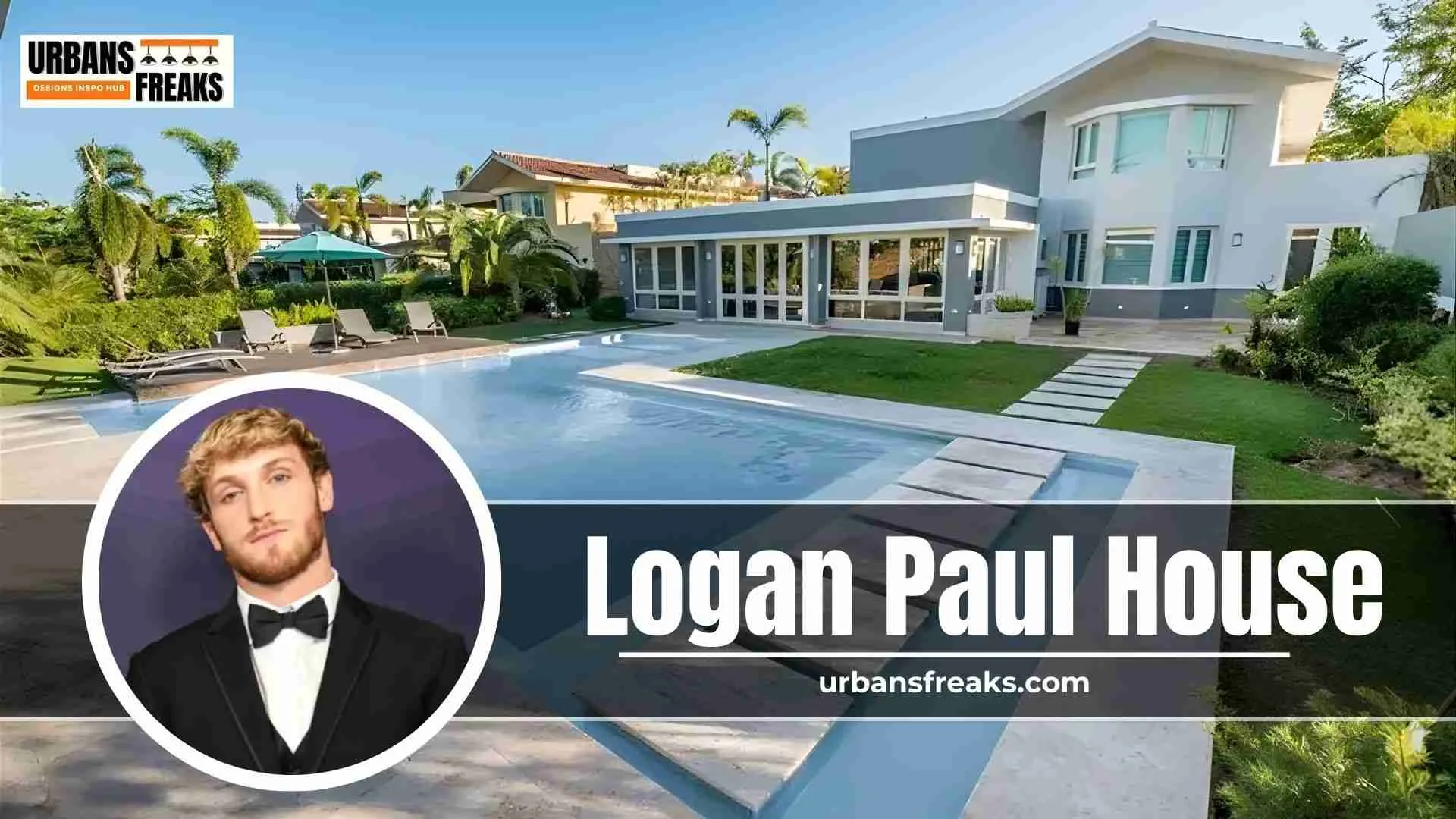
Understanding the Real Estate Portfolio and Residence of Logan Paul
Logan Paul, the professional wrestler, YouTuber, and entrepreneur, currently maintains a primary residence in Dorado, Puerto Rico. Following his relocation from Southern California, he established his base of operations in this specifi...
Logan Paul, the professional wrestler, YouTuber, and entrepreneur, currently maintains a primary residence in Dorado, Puerto Rico. Following his relocation from Southern California, he established his base of operations in this specific Caribbean locale to leverage the island's tax incentives, lifestyle, and proximity to other high-profile content creators and business figures. While specific address details remain private for security reasons, his transition to the island has been well-documented through his professional activities and public disclosures.
Contents
The Shift to Puerto Rico: Strategic Relocation
In recent years, a significant migration of digital media entrepreneurs to Puerto Rico has reshaped the landscape of independent content creation. Logan Paul’s decision to move to Puerto Rico was not merely a personal preference but a calculated business move. The island’s status as a United States territory allows U.S. citizens to reside there while benefiting from the Act 60 tax incentive program, which provides significant reductions on capital gains and corporate taxes for qualified individuals.
By moving to Dorado—a luxury coastal community—Paul aligned himself with a broader movement of high-net-worth individuals. Dorado is known for its high-end residential offerings, including gated golf communities and beachfront villas, which provide both the necessary seclusion for high-profile celebrities and the infrastructure required to manage complex business operations. The transition away from the dense, high-traffic environment of Los Angeles to the more relaxed, tax-advantaged setting of Puerto Rico reflects a broader trend among major influencers who have evolved into venture capitalists and brand owners.
The Reality of Celebrity Real Estate Transparency
When fans search for the specific location of a celebrity’s home, they often encounter a mix of speculation, leaked information, and outdated real estate listings. It is critical to distinguish between verifiable public records and social media hearsay. For public figures with the profile of Logan Paul, residential privacy is typically managed through Limited Liability Companies (LLCs) or corporate trusts.
These legal structures serve a dual purpose: they protect the identity of the homeowner from the public record and provide a layer of insulation against potential security threats. While real estate websites may occasionally report the purchase of a property by an entity associated with a celebrity, these records do not always reflect the current or primary residence. Consequently, while it is publicly verified that Logan Paul resides in the Dorado area, exact street addresses are intentionally omitted from legitimate reporting to maintain the safety and privacy of the individual.
Comparison of Residential Markets: Los Angeles vs. Dorado
Logan Paul’s move from California to Puerto Rico represents a fundamental shift in residential philosophy. The following table highlights the functional differences in these real estate markets for a high-profile entrepreneur.
| Feature | Southern California (Former Base) | Dorado, Puerto Rico (Current Base) |
|---|---|---|
| Primary Incentive | Proximity to media production/networks | Tax incentives (Act 60) |
| Residential Style | High-density luxury urban/suburban | Coastal, gated, resort-style living |
| Accessibility | High (frequent paparazzi/fan density) | Controlled (restricted access zones) |
| Business Climate | High corporate tax; high regulation | Favorable tax structure; lower barrier |
| Community | Established celebrity hub | Emerging hub for remote/digital nomads |
Infrastructure and Security Considerations
Living in a high-profile location like a luxury resort community in Puerto Rico requires robust security and logistics. For Logan Paul, the residence serves as more than just a home; it functions as a studio for his podcasts, a hub for his business operations, and a staging ground for his training. These requirements necessitate properties with specific structural features, such as high-bandwidth internet connectivity, soundproofed recording environments, and significant physical security perimeters.
Dorado’s architecture is uniquely suited to these needs. Many properties in the area are designed to support a work-from-home lifestyle, incorporating office spaces, screening rooms, and gymnasium facilities. Furthermore, the reliance on private security firms is standard for individuals in his tax bracket and level of fame. When assessing where a public figure lives, it is helpful to understand that these residences are almost always located within developments that provide gate access, dedicated security patrols, and restricted entry for non-residents.
The Role of Property in Brand Identity
For a modern influencer, real estate is an extension of the personal brand. Logan Paul’s content often showcases elements of his lifestyle, which influences his audience’s perception of success. By choosing a residence in an exclusive enclave in Puerto Rico, he reinforces the narrative of professional evolution. The aesthetics of his home, as seen in various video projects, reflect a minimalist, modern approach to luxury, contrasting with the maximalist, sprawling estates often associated with traditional Hollywood fame.
This shift also communicates a change in priority. As Paul has moved into the business world—most notably with his beverage company, PRIME—the need for a residence that facilitates professional networking and high-level strategy meetings has grown. The Dorado real estate market provides the infrastructure for such endeavors, as it is populated by other entrepreneurs and executives who operate in similar spheres.
Frequently Asked Questions
Is it public knowledge exactly where Logan Paul lives?
No. While it is widely reported that Logan Paul resides in the Dorado area of Puerto Rico, his specific street address is not public information. This is standard for celebrities who utilize trusts and LLCs to protect their residential location.
Why did Logan Paul move to Puerto Rico?
The primary driver for his move was the combination of lifestyle preferences and the potential for significant tax advantages under Puerto Rico's Act 60 incentives. The island also offers a unique community of entrepreneurs that aligns with his business objectives.
Does Logan Paul still own property in California?
Following his relocation, many celebrities divest from their previous primary residences. While private real estate portfolios are subject to change, the focus of his public life and business operations has clearly shifted to his Puerto Rican base.
How do celebrities keep their addresses private?
Celebrities commonly purchase properties through anonymous LLCs, land trusts, or other corporate entities. This removes their personal name from the county deed records, making it difficult for the public or the media to pinpoint their exact location.
Are there safety concerns with tracking celebrity homes?
Yes. Tracking and publishing the residential addresses of public figures is considered a significant security risk. Reputable media outlets and journalists adhere to strict standards of professional ethics to avoid exposing individuals to stalking, trespassing, or other security threats.
Recommendations for Further Research
If you are researching the broader phenomenon of celebrity relocation to Puerto Rico, focus on the legislative framework provided by the Puerto Rico Department of Economic Development and Commerce. Understanding the statutory requirements of the Act 60 incentives provides a better context for why influencers and business leaders are choosing the island, rather than focusing on the specific coordinates of their homes. When consuming content regarding celebrity residences, verify information through local tax records or reputable property databases rather than unverified social media commentary or fan-run blogs, which often rely on speculation.
Image Gallery