Is Lady Tremaine Rapunzel? Exploring Disney Villains, Fan Theories, and the Tangled Universe
Lady Tremaine is not Rapunzel; she is the famously cruel stepmother from Cinderella, whereas Rapunzel is the long-haired princess and protagonist of Tangled. Despite their entirely different appearances, universe origins, and character...
Lady Tremaine is not Rapunzel; she is the famously cruel stepmother from Cinderella, whereas Rapunzel is the long-haired princess and protagonist of Tangled. Despite their entirely different appearances, universe origins, and character roles, internet fan theories have frequently attempted to connect the two through elaborate timelines, magical transformations, and hidden familial lineages. To understand why this question persists, it is necessary to examine the origins of both characters, how Disney fan culture generates complex cinematic theories, and the actual mechanics of Disney's animation canons.
Contents
Understanding the Core Identities: Lady Tremaine vs. Rapunzel
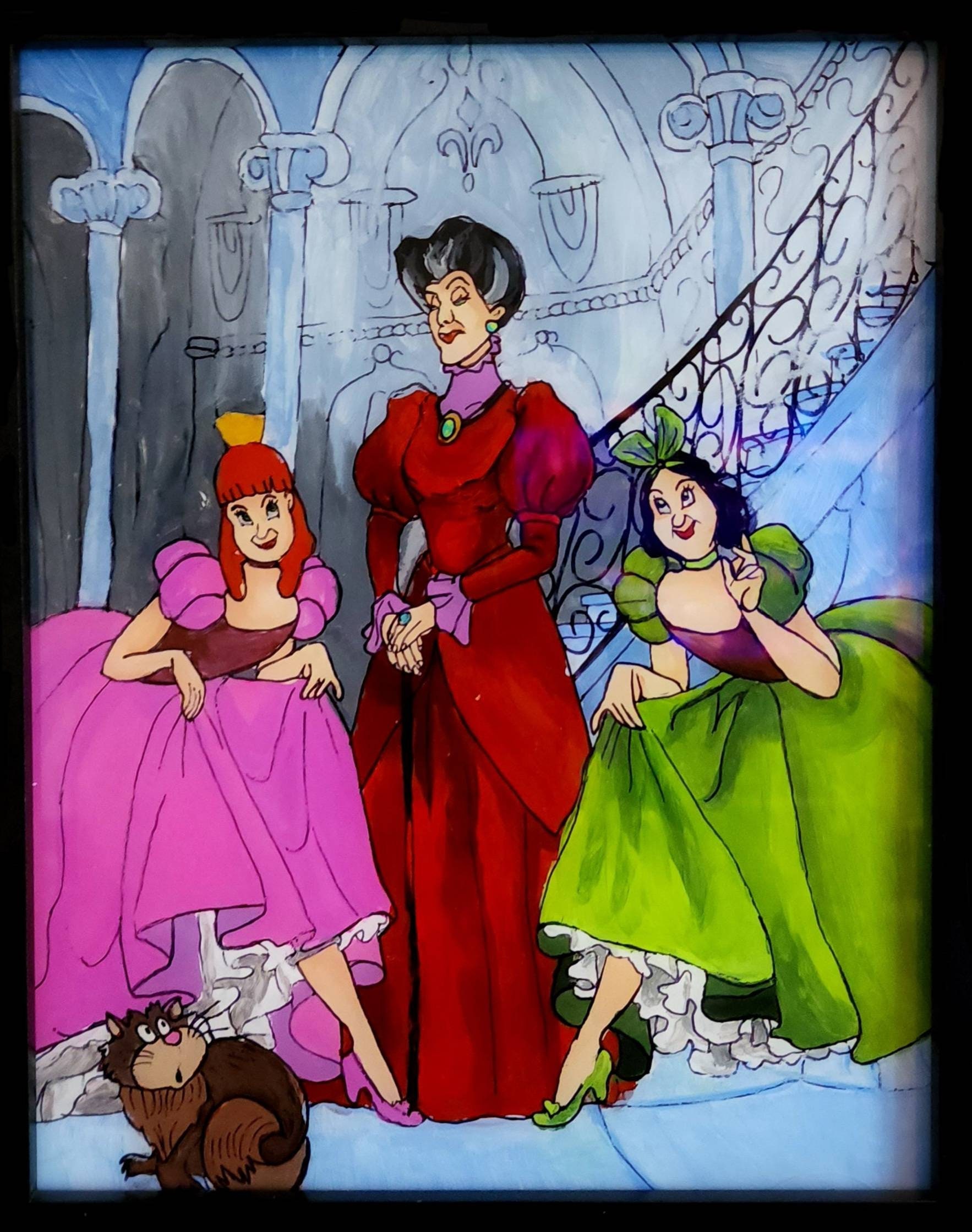
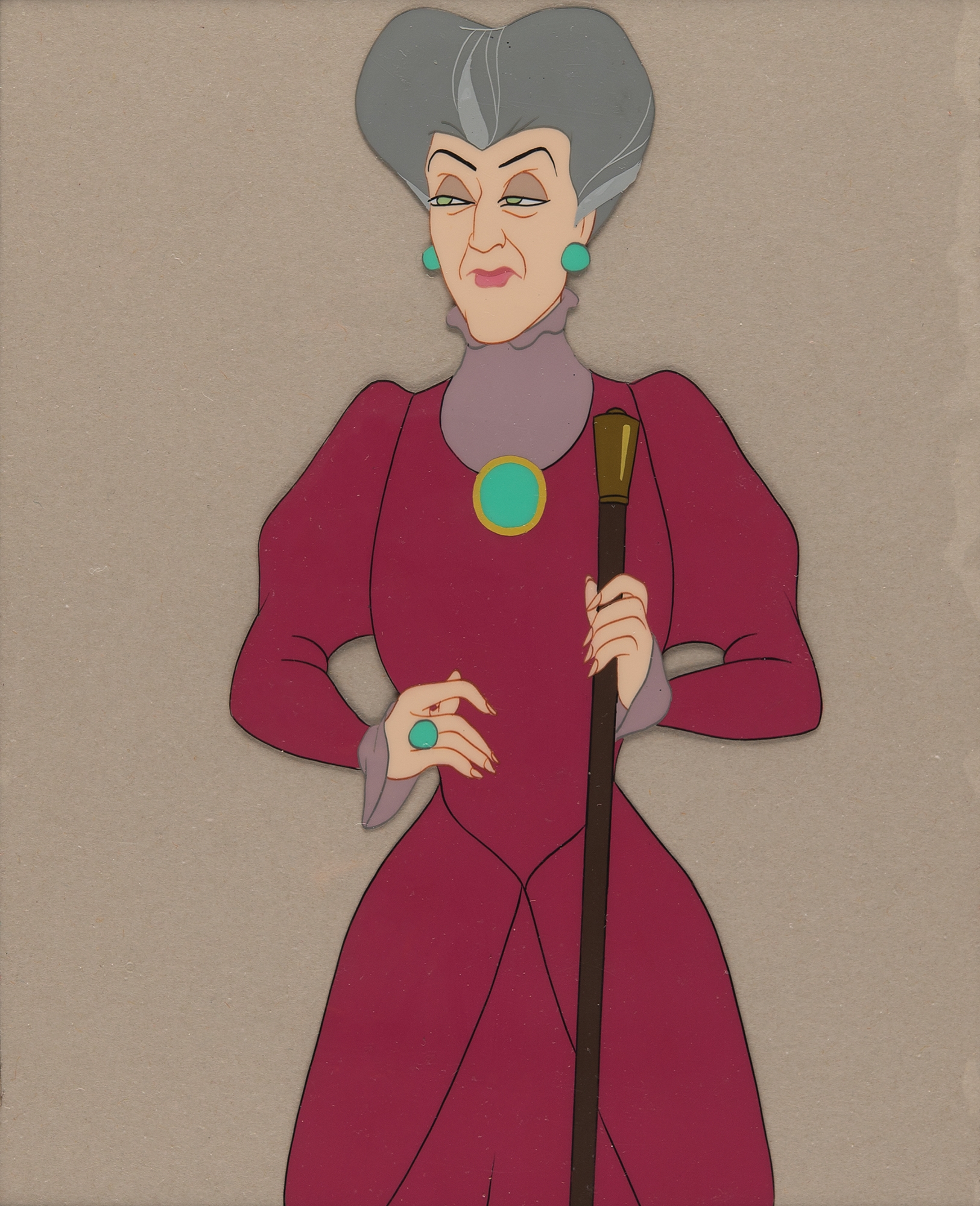
To dispel any confusion, examining the distinct backgrounds of both characters establishes their separate places in animation history. Lady Tremaine, commonly known as the Wicked Stepmother, made her debut in Walt Disney's 1950 animated feature Cinderella. She is characterized by her severe facial features, green evening gown, dark hair styled in an imposing updo, and her bitter, calculating demeanor. Her primary narrative purpose is to subjugate Cinderella and secure a wealthy future for her own biological daughters, Drizella and Anastasia.
Rapunzel originates from the Brothers Grimm fairy tale and was brought to modern cinematic prominence in Disney’s 2010 3D-animated film Tangled. Rapunzel is a youthful, optimistic princess endowed with magical, glowing, golden hair possessing healing and rejuvenating properties. Raised in a secluded tower by Mother Gothel—who exploits Rapunzel’s hair to maintain her own youth—Rapunzel spends the majority of her story discovering her true royal heritage and experiencing the outside world for the first time.
The two characters exist in vastly different historical periods, artistic mediums, and narrative universes. Cinderella is traditionally set in a romanticized, mid-nineteenth-century European setting, whereas Tangled takes place in a distinct, fictional medieval kingdom known as Corona, featuring specific architectural elements, kingdoms, and original fantasy lore.
| Feature | Lady Tremaine | Rapunzel |
|---|---|---|
| Origin Film | Cinderella (1950) | Tangled (2010) |
| Animation Style | Traditional 2D Hand-Drawn | Modern 3D Computer-Generated |
| Hair Characteristics | Dark, grey-streaked, severe updo | Extremely long, magical, glowing blonde |
| Character Alignment | Antagonist / Villain | Protagonist / Heroine |
| Primary Motivation | Social advancement and status for her daughters | Freedom, self-discovery, and identity |
The Origins of the Fan Theory
The internet rumor suggesting that Lady Tremaine is actually an older, embittered Rapunzel stems from a broader online phenomenon: the interconnected Disney movie fan theory. Spearheaded by content creators on platforms like TikTok and YouTube, these theories attempt to weave disparate animated features into a single, unified cinematic universe.
The primary argument used by proponents of the "Tremaine is Rapunzel" theory relies on visual parallels, hair color transitions, and metaphorical aging. Theorists often claim that after the events of Tangled, Rapunzel's life somehow deteriorated, or that psychological trauma caused her hair to turn dark, lose its magic, and alter her facial structure. Another variation of the theory suggests that Lady Tremaine is Rapunzel's descendant rather than Rapunzel herself, attempting to explain perceived similarities in facial geometry or aristocratic bearing.
However, these theories overlook basic production timelines and creative intents. Cinderella was produced and released six decades before Tangled was conceptualized. The animators of Cinderella, including legendary Nine Old Men animator Marc Davis, modeled Lady Tremaine after classic theatrical villains and live-action reference footage, completely independent of any modern princess lore that would be developed decades later.
Why the Theories Persist in Fan Culture
The persistence of theories linking unrelated Disney characters highlights how modern audiences engage with media. Viewers enjoy finding hidden Easter eggs, such as Rapunzel and Flynn Rider's brief cameo appearance in Frozen, which legitimately occurs within the official Disney canon.
When official media features minor crossovers—like the appearance of the Beast's figure in Aladdin or Rapunzel visiting Arendelle—it encourages fans to search for deeper, hidden connections across the entire catalog. Unfortunately, this enthusiasm occasionally leads to forced connections where none exist. The desire to turn isolated fairy tales into an overarching epic saga transforms classic standalone stories into complex puzzles, sometimes stretching narrative logic far beyond its intended limits.
The Real Timeline and Canon Separations
Examining the official Disney canon demonstrates that crossovers are strictly limited to intentional, minor Easter eggs rather than secret, multi-generational character transformations.
- Different Production Eras: Cinderella belongs to the post-World War II era of Disney animation, a period focused on adapting classic European fairy tales into standalone moral and romantic stories. Tangled represents the modern revival era, utilizing advanced computer graphics and contemporary comedic storytelling sensibilities.
- Geographical and Political Settings: The Kingdom of Corona features distinct geography, military guards, and sun-based symbolism that do not align with the French-influenced or generic European court setting of Cinderella.
- Magic Systems: The magic in Tangled is derived from a mystical golden drop of sunlight that created a magical flower, anchoring the entire plot to Corona's specific history. The magic in Cinderella is whimsical and fairy-godmother-driven, operating on classic folklore rules without ties to Rapunzel's golden tresses.
Frequently Asked Questions
Are Lady Tremaine and Rapunzel related in any official Disney material?
No. There is no official connection, familial tie, or shared universe crossover between Lady Tremaine and Rapunzel in any Disney film, television series, book, or authorized media. They belong to completely separate stories produced decades apart.
Why do people think Disney villains were once princesses?
Many fan theories propose tragic backstories for Disney villains—such as suggesting Cinderella's stepmother was once a princess—to add dramatic depth, psychological complexity, or ironic twists to their favorite movies. These ideas are entirely fan-created and lack studio endorsement.
Did the animators of Cinderella base Lady Tremaine on Rapunzel?
No. Cinderella was released in 1950, sixty years before Tangled premiered in 2010. The animators designed Lady Tremaine as a cold, aristocratic antagonist to contrast with Cinderella's warmth, drawing inspiration from classic melodrama archetypes.
Are there any real hidden connections between Tangled and other Disney films?
Yes, but they are limited to minor visual cameos rather than major character transformations. For example, Rapunzel and Eugene make a brief cameo appearance during Elsa's coronation in Frozen (2013), and various Disney films contain subtle Easter eggs referencing past works, but these do not alter the core characters' identities.
Conclusion
Lady Tremaine is definitively not Rapunzel. While Disney fan theories provide an entertaining lens through which to re-watch classic animation, the notion that the wicked stepmother from Cinderella is the grown-up princess from Tangled is a baseless internet myth. Both characters fulfill entirely distinct narrative functions within their respective films, representing the timeless battle between cruelty and kindness, and captivity and freedom, without any hidden chronological overlap.
Image Gallery