Comprehensive Guide to the 7.5 mg F5 Blue Pill: Identification, Uses, and Safety
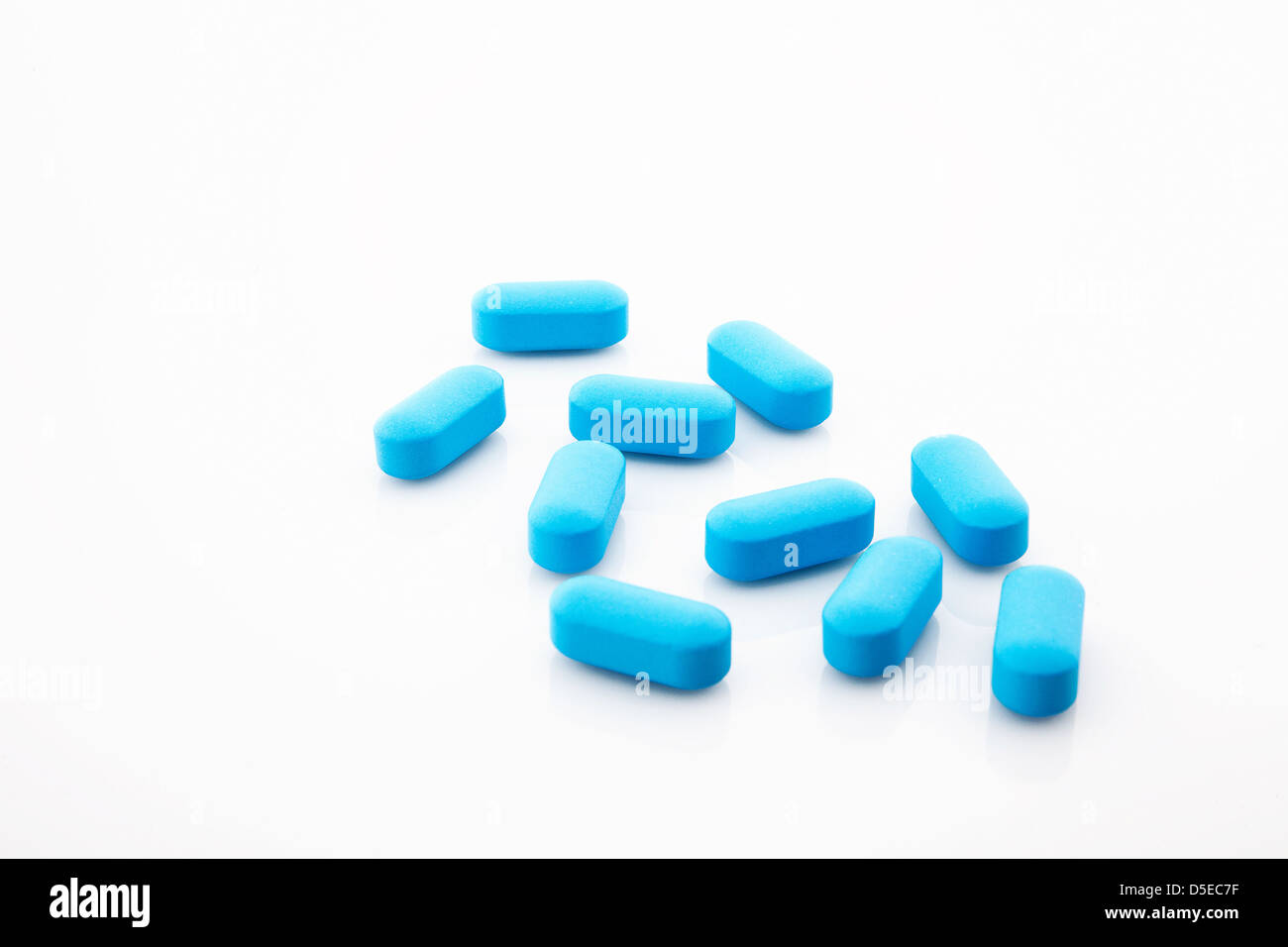
The blue, oval-shaped pill imprinted with F5 is identified as Zopiclone 7.5 mg. It is a non-benzodiazepine hypnotic medication primarily prescribed for the short-term treatment of various forms of insomnia, including difficulties with...
The blue, oval-shaped pill imprinted with F5 is identified as Zopiclone 7.5 mg. It is a non-benzodiazepine hypnotic medication primarily prescribed for the short-term treatment of various forms of insomnia, including difficulties with falling asleep, nocturnal awakening, and early morning waking.
Contents
As of 2026, Zopiclone remains one of the most frequently prescribed sleep aids globally, particularly in Europe, Canada, and Australia. While it shares some similarities with benzodiazepines, it belongs to a distinct class of drugs known as cyclopyrrolones. This article provides a detailed examination of the F5 blue pill, its pharmacological profile, administration guidelines, and the safety protocols required for its use.
Identifying the F5 Blue Pill
Accurate pill identification is critical for patient safety and medication management. The 7.5 mg F5 pill possesses specific physical characteristics that distinguish it from other dosages and medications.
Physical Characteristics
- Imprint: The alphanumeric code F5 is typically debossed on one side of the tablet.
- Color: Light blue to medium blue. The coloring is usually consistent throughout the film coating.
- Shape: Oval or elliptical.
- Form: Film-coated tablet, designed to mask the naturally bitter taste of the active ingredient and to facilitate easier swallowing.
- Score Line: Some versions may have a break-line (score) on the opposite side of the imprint to allow for dose titration, though the 7.5 mg is often intended to be taken whole.
Manufacturer and Branding
The "F5" imprint is most commonly associated with generic versions of Zopiclone manufactured by pharmaceutical companies such as Intas Pharmaceuticals Ltd. (often marketed under the brand name Zopisign). While the brand-name version of Zopiclone (Imovane) may have different markings, the generic F5 variant is widely distributed in international markets.
Mechanism of Action: How Zopiclone Works
Understanding how the F5 blue pill interacts with the central nervous system (CNS) explains its efficacy in treating sleep disorders. Zopiclone is a GABA-A receptor agonist.
Modulation of GABA
Gamma-aminobutyric acid (GABA) is the primary inhibitory neurotransmitter in the human brain. Its role is to reduce neuronal excitability throughout the nervous system. When Zopiclone enters the bloodstream and crosses the blood-brain barrier, it binds to specific subunits of the GABA-A receptor complex.
Unlike traditional benzodiazepines, which bind non-selectively to several GABA-A subunits, Zopiclone has a more targeted affinity. By binding to these receptors, it enhances the inhibitory effects of GABA, leading to:
- Sedation: Reducing the time it takes to transition from wakefulness to sleep (sleep latency).
- Anxiolysis: A reduction in nighttime anxiety that may prevent sleep.
- Muscle Relaxation: Minor physical relaxation that supports sleep maintenance.
Pharmacokinetics
The F5 pill is characterized by rapid absorption. Peak plasma concentrations are typically reached within 1.5 to 2 hours after ingestion. It has a relatively short half-life of approximately 5 hours, which is intentionally designed to provide a full night's sleep without causing excessive "hangover" effects the following morning, provided the user allows for 7 to 8 hours of rest.
Clinical Indications and Proper Usage
In 2026, clinical guidelines continue to emphasize that the F5 blue pill is a secondary treatment for insomnia, typically used when non-pharmacological interventions, such as Cognitive Behavioral Therapy for Insomnia (CBT-I), have proven insufficient.
Approved Uses
- Transient Insomnia: Brief periods of sleep disruption caused by situational stress or changes in environment.
- Short-term Insomnia: Difficulty sleeping that persists for a few weeks, often related to life events or medical recovery.
- Chronic Insomnia: Long-term sleep issues, though Zopiclone is generally restricted to short-term "burst" treatments for chronic sufferers to prevent dependence.
Dosage Guidelines
The standard adult dose is one 7.5 mg tablet taken immediately before bedtime. It should not be taken unless the individual can remain in bed for a full 7 to 8 hours.
| Patient Category | Recommended Dosage | Rationale |
|---|---|---|
| Healthy Adults | 7.5 mg | Standard therapeutic dose for sleep induction and maintenance. |
| Elderly (65+) | 3.75 mg (Half pill) | Increased sensitivity to CNS depressants; higher risk of falls and confusion. |
| Hepatic Impairment | 3.75 mg | Reduced metabolic clearance increases the risk of drug accumulation. |
| Renal Impairment | 3.75 mg | Caution advised; dosage may start low and be titrated by a physician. |
Potential Side Effects and Adverse Reactions
While effective, the F5 blue pill is associated with a specific profile of side effects. Patients should be aware of these before starting treatment.
The "Metallic" Taste
The most common side effect of Zopiclone, reported by a significant percentage of users, is a bitter or metallic taste (dysgeusia). This occurs because the drug is secreted into the saliva. It is not harmful but can be unpleasant; staying hydrated or using mouthwash in the morning can help mitigate this effect.
Common Side Effects
- Drowsiness or dizziness the next morning.
- Dry mouth (xerostomia).
- Headache.
- Nausea.
Serious Adverse Effects
In rare cases, Zopiclone can cause complex sleep behaviors. These are activities performed while the patient is not fully awake, and for which they typically have no memory. Examples include:
- Sleep-walking.
- Sleep-driving.
- Preparing and eating food while asleep.
- Making phone calls.
If a patient experiences any complex sleep behaviors, they must discontinue the medication immediately and consult their healthcare provider.
Critical Safety Warnings and Drug Interactions
The 7.5 mg F5 pill carries several "black box" style warnings due to its potent effect on the central nervous system.
Interaction with Alcohol
Alcohol must strictly be avoided when taking Zopiclone. Alcohol synergistically increases the sedative effects of the F5 pill, which can lead to dangerous levels of respiratory depression, profound sedation, and a significantly increased risk of accidents or overdose.
CNS Depressants
Combining Zopiclone with other CNS depressants—including opioids, benzodiazepines, or certain antihistamines—can be fatal. Such combinations severely depress the drive to breathe.
Dependency and Withdrawal
Zopiclone is intended for short-term use, generally not exceeding 2 to 4 weeks. Prolonged use can lead to:
- Tolerance: The 7.5 mg dose becomes less effective over time.
- Physical Dependence: The brain requires the drug to initiate sleep.
- Rebound Insomnia: Worsening sleep quality upon stopping the medication.
Comparison with Similar Medications
Users often compare the F5 blue pill (Zopiclone) with other "Z-drugs" or benzodiazepines.
| Feature | Zopiclone (F5 Pill) | Zolpidem (Ambien) | Eszopiclone (Lunesta) |
|---|---|---|---|
| Standard Dose | 7.5 mg | 5 mg - 10 mg | 1 mg - 3 mg |
| Half-Life | ~5-6 Hours | ~2.5 Hours | ~6 Hours |
| Taste Disturbance | Very Common | Rare | Common |
| Indication | Onset & Maintenance | Primarily Onset | Onset & Maintenance |
| Chemical Class | Cyclopyrrolone | Imidazopyridine | Cyclopyrrolone (S-isomer) |
It is worth noting that Eszopiclone is the (S)-enantiomer of Zopiclone. While Zopiclone is widely available in many countries, Eszopiclone is the version specifically approved for use in the United States by the FDA.
Frequently Asked Questions
1. How long does it take for the F5 blue pill to start working?
Zopiclone is absorbed very quickly by the digestive tract. Most users begin to feel the sedative effects within 20 to 30 minutes. It is highly recommended to take the pill only when you are ready for bed and in a position to sleep immediately.
2. Can I cut the 7.5 mg F5 pill in half?
If a physician has prescribed a 3.75 mg dose, and the tablet is scored, it may be split. However, if the tablet is not scored, splitting it may result in an uneven distribution of the active ingredient or cause the tablet to crumble, affecting absorption. Always check with a pharmacist before altering the form of a film-coated tablet.
3. What should I do if I miss a dose?
If you forget to take your medication at bedtime, only take it if you still have a full 7 to 8 hours available for sleep. If you wake up in the middle of the night and only have 3 or 4 hours left before you must be active, do not take the pill, as you will likely experience significant grogginess and impairment the next morning.
4. Is the F5 pill addictive?
Zopiclone has a potential for abuse and dependence, especially in individuals with a history of substance use disorders. When used as directed for a short period (under 4 weeks), the risk is lower. However, long-term use can lead to physical and psychological addiction.
5. Why is the pill blue?
The blue color is part of the tablet's film coating. Color-coding helps patients and healthcare providers identify the strength of the medication at a glance. In many generic lines, 7.5 mg is blue, while 3.75 mg may be a different color, such as white or orange.
Summary and Next Actions
The 7.5 mg F5 blue pill is a potent pharmaceutical tool for managing insomnia, but it requires disciplined usage. Its primary value lies in its ability to reset sleep patterns during periods of acute stress or illness.
Next Actions for Patients:
- Consult a Professional: Ensure this medication was prescribed specifically for you by a licensed clinician.
- Review Your Med-List: Verify with a pharmacist that Zopiclone does not interact with your current supplements or medications.
- Practice Sleep Hygiene: Combine the use of the F5 pill with a consistent sleep schedule, a dark room, and the avoidance of screens before bed to maximize the drug's effectiveness and facilitate an easier transition off the medication.
- Monitor for Side Effects: Keep a log of how you feel the morning after taking the pill. If you notice unusual behavior or extreme daytime fatigue, contact your doctor to adjust the dosage.
Disclaimer: This information is for educational purposes only and does not constitute medical advice. Always seek the advice of a physician or other qualified health provider with any questions regarding a medical condition or medication.
Image Gallery