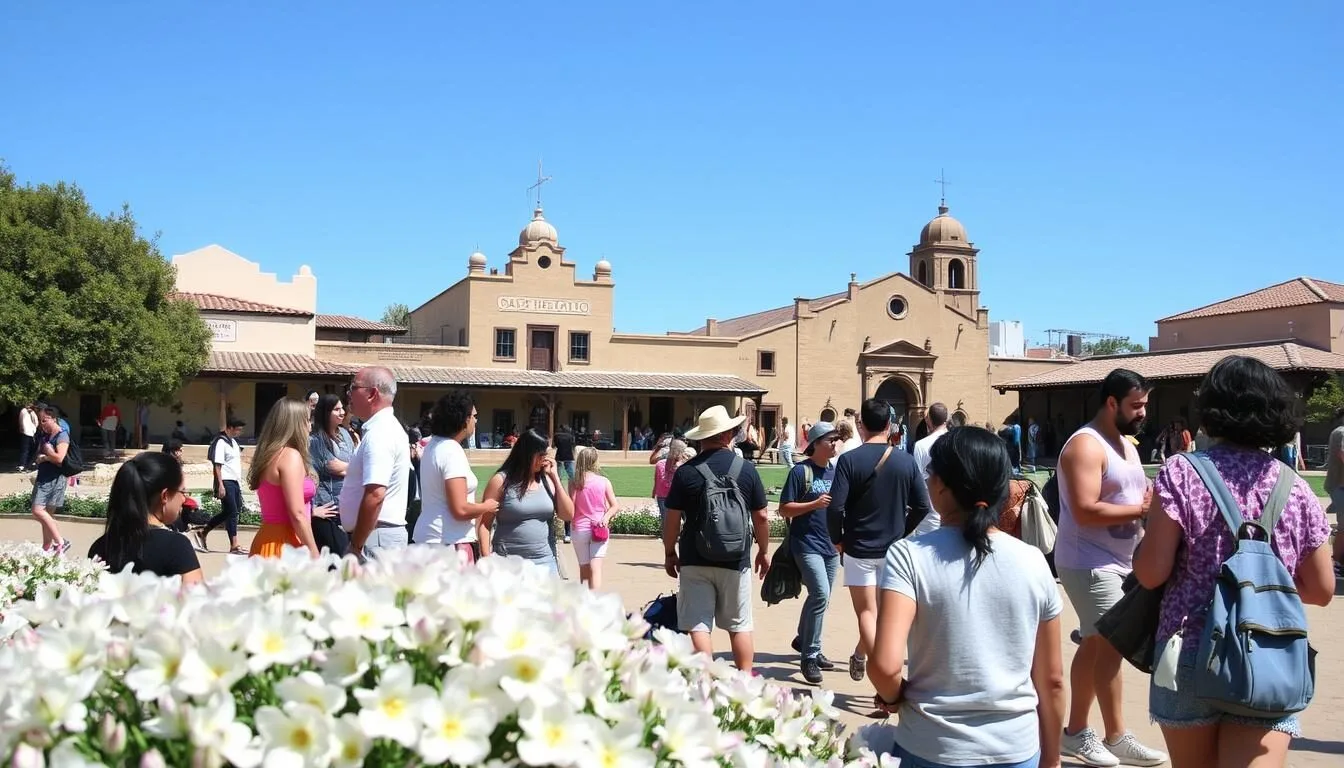
Exploring San Jose’s Old Town: A Guide to the Historic Heart of Costa Rica
Exploring San Jose’s Old Town involves navigating the historic neighborhoods of Barrio Amón, Barrio Otoya, and the Central District. Visitors can discover late 19th-century architecture, world-class museums like the Pre-Columbian Gold...
Exploring San Jose’s Old Town involves navigating the historic neighborhoods of Barrio Amón, Barrio Otoya, and the Central District. Visitors can discover late 19th-century architecture, world-class museums like the Pre-Columbian Gold Museum, and the iconic National Theatre. This journey offers a deep dive into Costa Rica’s "coffee baron" era and contemporary urban culture.
Contents
While "San Jose" may refer to several global cities, most notably the technological hub in California, the term "Old Town" in a tourism and historical context most frequently refers to the Casco Histórico of San José, Costa Rica. This guide focuses on the Costa Rican capital, where the layers of history are visible in its colonial layouts and neoclassical mansions.
Understanding the Layout: The Historic Districts of San José
San José does not possess a single, walled "Old City" in the vein of Cartagena or San Juan. Instead, its "Old Town" is a collection of contiguous neighborhoods and plazas that represent the city's growth during the mid-19th to early 20th centuries. To explore it effectively, one must understand the three primary sectors that constitute the historic core.
Barrio Amón
Barrio Amón is perhaps the most famous historic neighborhood in the city. Established in the late 1800s by Monsieur Amón Fasileau-Duplantier, a French immigrant and coffee entrepreneur, it became the residential enclave for the city's elite. Today, it is characterized by its eclectic architecture, ranging from Victorian and Neoclassical to Art Deco. Many of these former mansions have been converted into boutique hotels, galleries, and upscale restaurants, making it the primary base for heritage-focused travelers.
Barrio Otoya
Adjacent to Barrio Amón, Barrio Otoya offers a slightly more residential and subdued atmosphere. It is home to several important cultural institutions and borders the Parque España. The architecture here is a mix of early 20th-century styles, and the streets are narrower, providing a more intimate walking experience. It serves as a bridge between the commercial center and the greener, residential edges of the historic zone.
The Central District (Casco Central)
This is the institutional heart of the city. While it has seen significant modernization, it contains the "Path of the Museums" and the primary civic squares. The Central District is where you will find the National Theatre, the Metropolitan Cathedral, and the major pedestrian boulevards like Avenida Central. It is the busiest part of the city and requires a different pace of exploration than the quiet streets of Amón.
Architectural Heritage and the Coffee Baron Legacy
The aesthetics of San José’s Old Town were largely dictated by the "Coffee Barons"—the wealthy families who controlled the export of coffee to Europe in the 19th century. As they accumulated wealth, they sought to transform San José from a dusty colonial outpost into a "Little Paris."
This ambition resulted in a unique architectural blend. You will see tropicalized Victorian houses, where steep-pitched roofs designed for snow were adapted to handle the heavy tropical rains of the Central Valley. Neoclassical facades are common, featuring ornate moldings and tall windows that were intended to showcase the owner’s sophistication.
As of 2026, many of these structures are under protected status by the Ministry of Culture and Youth (Ministerio de Cultura y Juventud). Restoration efforts have increased over the last decade, ensuring that the intricate woodwork and tile floors of the 1900s are preserved for public viewing.
Essential Stops on a Walking Tour of the Old Town
To fully experience the historic core, a self-guided or professional walking tour is recommended. The following sites represent the pinnacle of the city's historical and cultural significance.
The National Theatre (Teatro Nacional)
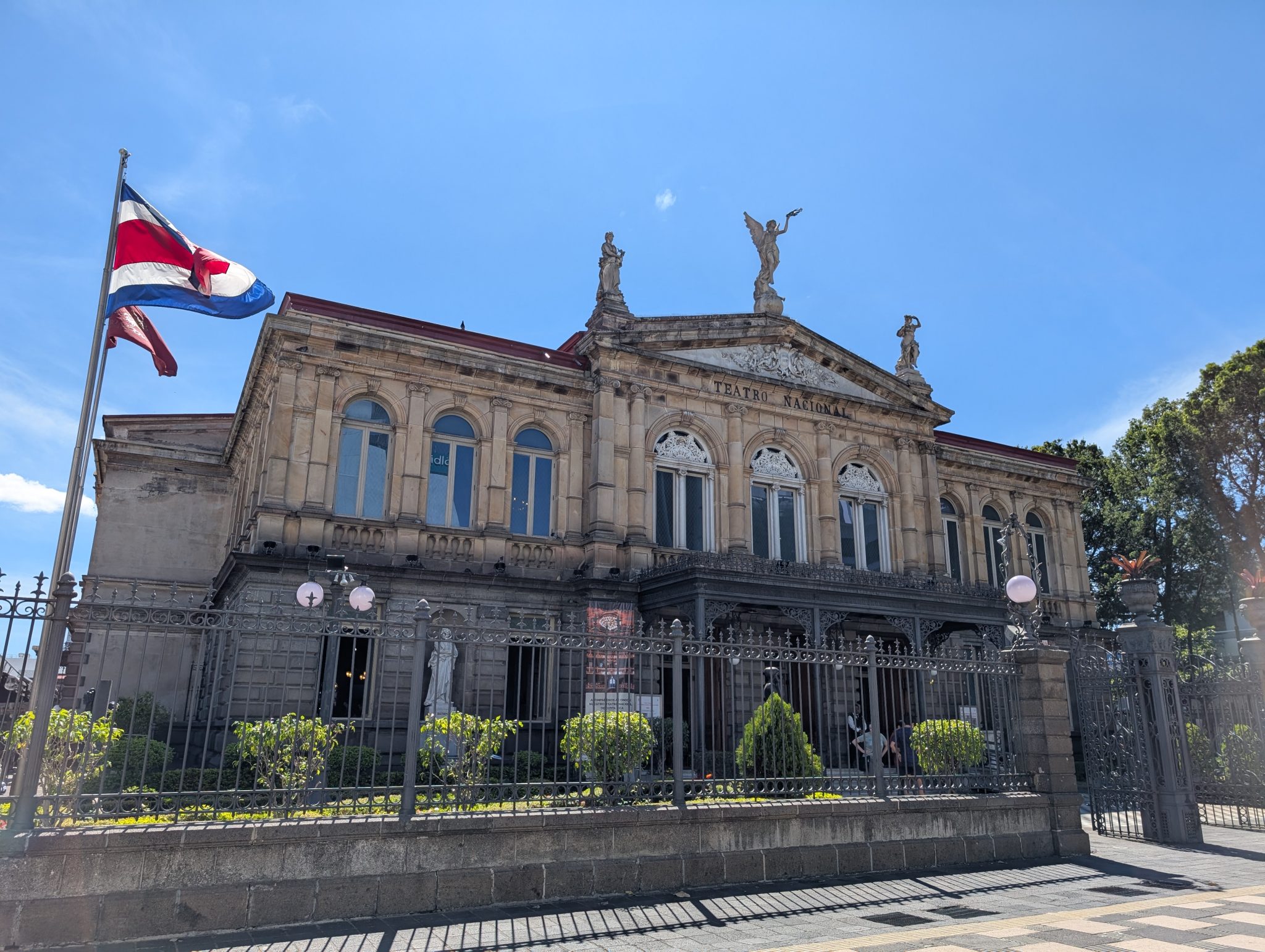
Constructed in 1897 and funded by a tax on coffee exports, the National Theatre is the pride of Costa Rica. The exterior is a masterpiece of Neoclassical design, while the interior features lush marble, gold leaf, and the famous ceiling fresco "Allegory of Coffee and Bananas."
In 2026, the theatre remains a fully functioning venue. Tours are conducted hourly, but visitors are encouraged to check the performance schedule, as attending a symphony or opera is the best way to experience the building's acoustics and original intent.
Pre-Columbian Gold Museum (Museo del Oro Precolombino)
Located beneath the Plaza de la Cultura, this museum is an architectural marvel in its own right. It is an underground structure that houses one of the most significant collections of indigenous gold artifacts in Latin America. The exhibits explain the social hierarchy and spiritual beliefs of the Diquis and other indigenous groups who inhabited the region long before the Spanish arrived.
The Jade Museum (Museo del Jade)
Housed in a modern, dark-stone building designed to resemble a block of raw jade, this museum contains the world's largest collection of American jade. The artifacts date back to 500 BC and 800 AD. The museum uses interactive displays to explain how these pieces were carved without metal tools and their role in ancient trade routes.
The Yellow House (Casa Amarilla)
This elegant building serves as the Ministry of Foreign Affairs. It is a stunning example of colonial-style architecture with a bright yellow facade. While the interior is not always open to the general public, the surrounding grounds and the "Berlin Wall" monument nearby make it a mandatory stop for history enthusiasts.
Comparative Overview of Historic Neighborhoods
For those deciding where to spend most of their time, the following table compares the characteristics of the three main areas within San Jose's Old Town.
| Feature | Barrio Amón | Barrio Otoya | Central District |
|---|---|---|---|
| Primary Vibe | Historic Residential / Boutique | Cultural / Quiet | Institutional / Energetic |
| Architecture | Victorian & Art Deco | Mixed Early 20th Century | Neoclassical & Brutalist |
| Main Attraction | Historic Mansions & Dining | Parque España & Galleries | National Theatre & Museums |
| Walkability | High (Quiet streets) | Moderate (Hilly) | High (Pedestrianized zones) |
| Crowd Level | Low to Moderate | Low | Very High |
Practical Information for 2026 Travelers
Exploring the historic center requires specific logistical considerations to ensure a smooth experience. The climate of San José is characterized by a "dry season" (December to April) and a "green season" (May to November).
Safety and Navigation
As with any major urban center, situational awareness is key. The historic districts are generally safe during the day, particularly in pedestrianized areas like the Avenida Central and around the museums. However, after dark, it is advisable to use registered taxis or ride-sharing apps (like Uber or Didi, which are widely available in 2026) to travel between your hotel and restaurants.
Logistics and Pricing
Most museums in San José have a dual pricing structure: one price for citizens/residents and a higher price for foreign tourists.
- Museum Entrance Fees: Typically range from $15 to $20 USD for foreigners.
- Guided Tours: Professional walking tours usually cost between $30 and $50 USD per person.
- Operating Hours: Most museums are closed on Mondays. The National Theatre is generally open Tuesday through Sunday from 9:00 AM to 4:00 PM.
Dining and Cultural Etiquette in the Historic Center
The culinary scene in Old Town has undergone a "New Costa Rican" revolution. In Barrio Amón and Barrio Escalante (located just east of Otoya), chefs are reimagining traditional ingredients like pejibaye (peach palm fruit) and chayote in fine-dining contexts.
When dining in these historic areas, remember that service charges (10%) and sales tax (13%) are often included in the menu price, but it is standard practice to check the bottom of the menu for a disclaimer. While tipping beyond the service charge is not mandatory, it is appreciated for exceptional service.
To experience the most authentic local food, visit a Soda. These are small, family-run restaurants serving the Casado—a traditional plate of rice, beans, plantains, salad, and a protein. Exploring the Central Market (Mercado Central), established in 1880, is the best way to find these traditional eateries while being surrounded by the scents of local spices and fresh coffee.
Common Pitfalls to Avoid
- Ignoring the Weather: Even in the dry season, afternoon showers can occur. Always carry a compact umbrella or rain shell when walking between districts.
- Rushing the Museums: The Gold and Jade museums are dense with information. Allocate at least two hours for each to avoid "museum fatigue."
- Staying Only in the Suburbs: Many travelers stay in Escazú or Santa Ana (modern suburbs). However, to truly explore the "Old Town," staying in a converted mansion in Barrio Amón provides a significantly more immersive experience.
- Misidentifying Taxis: Only use official red taxis with the yellow triangular seal on the door, or verified ride-sharing apps. Avoid "pirate" taxis that lack official marking.
FAQ
Is San José's Old Town walkable? Yes, the majority of the historic sites are concentrated within a 15-block radius. The city has invested heavily in pedestrian-only boulevards (Bulevares), which connect the main plazas and museums, making it easy to navigate on foot during daylight hours.
How much time should I spend exploring the historic center? Two full days are usually sufficient to see the major museums, tour the National Theatre, and enjoy the architecture of Barrio Amón. If you are a history buff, a third day allows for a more relaxed pace and visits to smaller venues like the National Museum (housed in a former fortress).
What is the best way to get to the Old Town from the airport? Juan Santamaría International Airport (SJO) is located about 17 km (10 miles) from the city center. In 2026, the most reliable options are official airport taxis (orange), pre-booked private transfers, or ride-sharing apps. The journey typically takes 30 to 60 minutes depending on San José's notorious traffic.
Can I take photos inside the National Theatre? Photography is generally permitted for personal use, but flash and tripods are often restricted to protect the aging frescoes and delicate fabrics. During live performances, all photography is strictly prohibited.
Are there English-speaking guides available? Yes, all major museums provide bilingual signage (Spanish and English). Most organized walking tours are conducted by guides who are fluent in both languages, often providing deep insights into the social and political history that signs might omit.
Recommendation for Travelers
For the most enriching experience, start your day at the Plaza de la Cultura by 9:00 AM. Visit the Pre-Columbian Gold Museum first, followed by a mid-morning tour of the National Theatre. Spend your afternoon wandering the streets of Barrio Amón, stopping for coffee at one of the neighborhood's specialty cafes. This sequence moves you from the high-energy center to the more relaxed, aesthetic districts as the day progresses.
Image Gallery