Yukon vs. Tahoe: Choosing the Right Full-Size SUV for Your Needs
Deciding between the GMC Yukon and the Chevrolet Tahoe often comes down to personal preference regarding aesthetic branding, interior appointments, and the specific trim levels offered, as both vehicles share the same General Motors T1...
Deciding between the GMC Yukon and the Chevrolet Tahoe often comes down to personal preference regarding aesthetic branding, interior appointments, and the specific trim levels offered, as both vehicles share the same General Motors T1 platform. The Yukon typically positions itself as a premium, near-luxury offering, while the Tahoe serves as the core utility-focused foundation, providing a more accessible entry point for families seeking full-size capability.
Contents
Shared Engineering and Platform Foundations
The primary factor to understand when comparing the GMC Yukon and the Chevrolet Tahoe is that they are sibling vehicles. Both are built by General Motors using the same chassis, suspension geometry, and powertrain options. Since their most recent major redesigns, both models have offered independent rear suspension, which significantly improves ride quality and third-row legroom compared to older generations.
Because they share the same architecture, the mechanical experience—towing capacity, fuel economy, and acceleration—is largely identical when the vehicles are equipped with the same engine. Whether you choose the standard 5.3L V8, the more powerful 6.2L V8, or the 3.0L Duramax Turbo-Diesel, you are getting the same hardware. The divergence between the two lies in how that hardware is packaged, tuned, and presented to the consumer.
Aesthetic and Brand Positioning
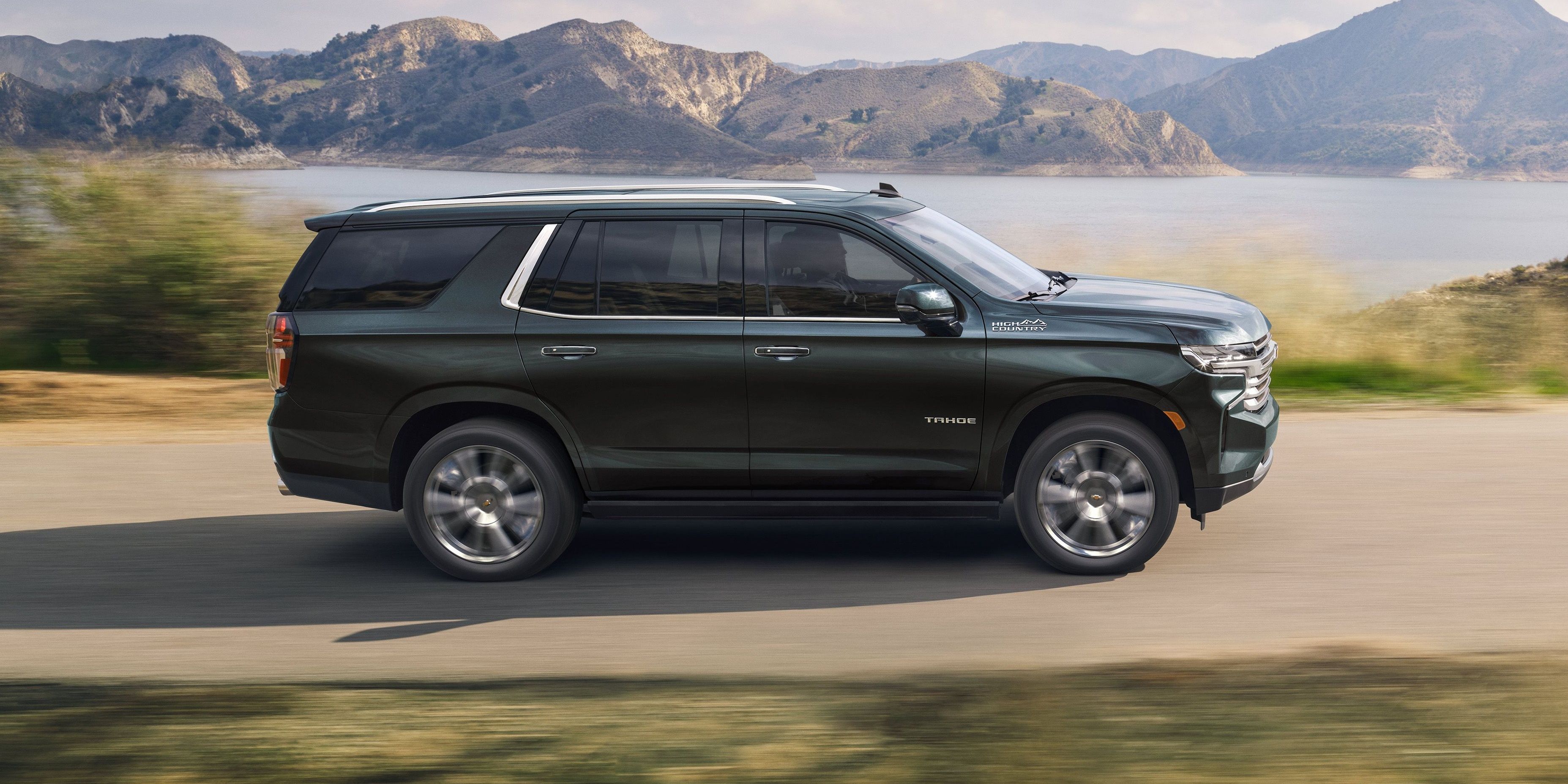
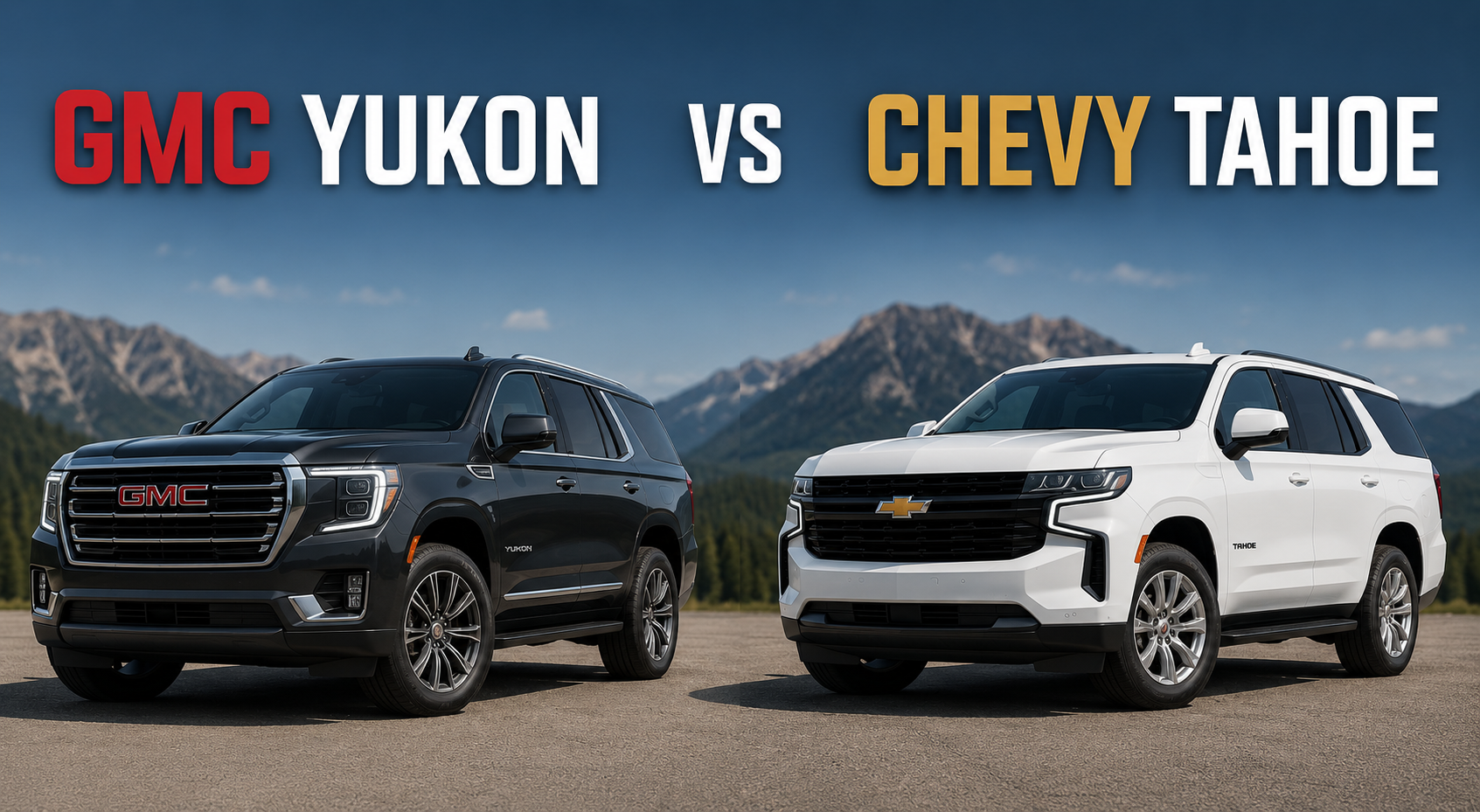
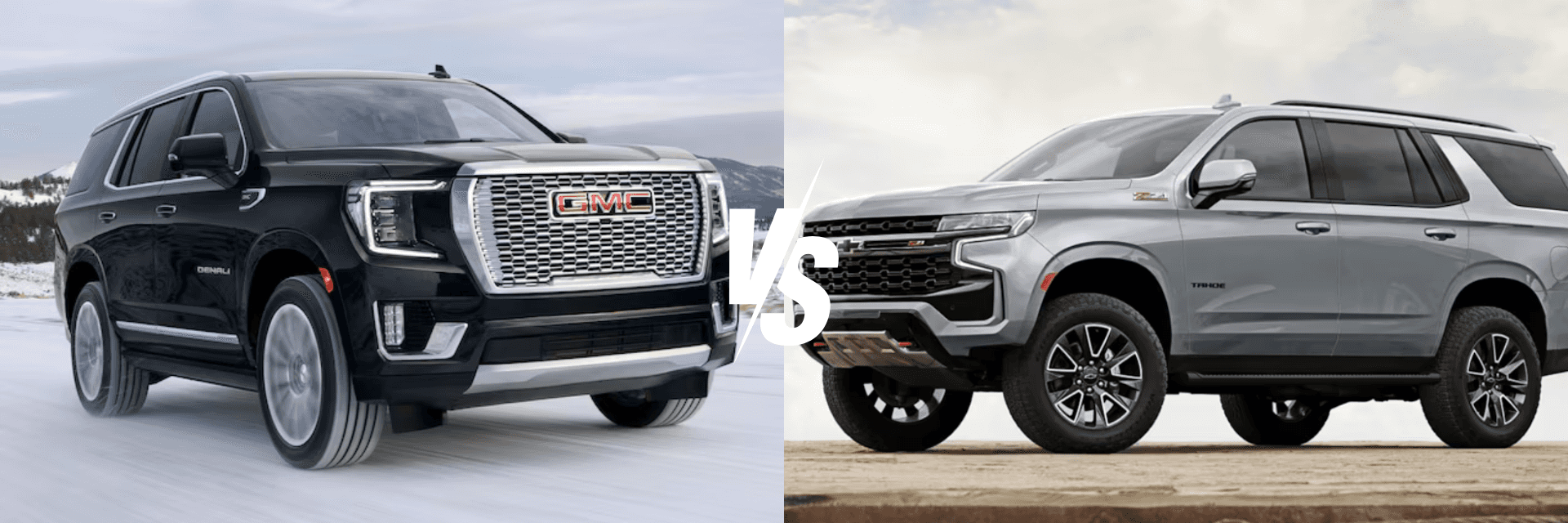
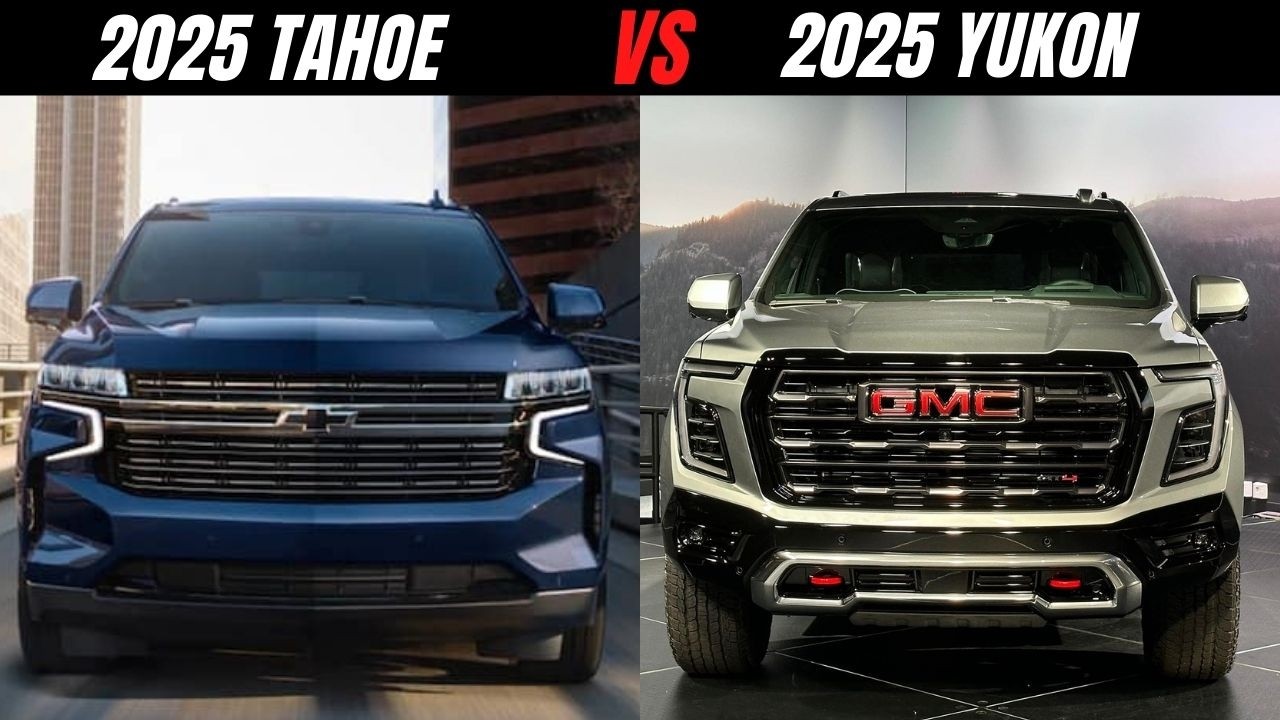
The difference in character is most apparent in the exterior design language. Chevrolet’s design philosophy for the Tahoe is centered on a bolder, more rugged, and classic truck-like appearance. It utilizes large, horizontal grilles and traditional LED lighting configurations that emphasize the vehicle's mass and utility.
In contrast, the GMC Yukon features a more "professional-grade" aesthetic. This is characterized by C-shaped headlight designs, a more prominent and intricate grille texture, and the liberal use of chrome and satin metallic accents on higher trim levels. The Denali sub-brand, exclusive to GMC, is a major differentiator. The Denali trim serves as a luxury-tier flagship that commands a higher price point, offering unique wood-grain interior accents, premium leather surfaces, and an exclusive suite of technology that is not mirrored by any specific trim level within the Chevrolet Tahoe lineup.
Interior Appointments and Luxury Tiers
If the interior experience is your primary concern, the Yukon generally holds the advantage. GMC interior designers focus on a more upscale cabin environment, even in mid-tier trims. When stepping up to the Yukon Denali or the Denali Ultimate, you are moving into territory that competes directly with entry-level luxury European SUVs. These models feature specialized stitching, premium audio systems that are often more highly tuned, and high-density seat materials that prioritize long-distance comfort.
The Chevrolet Tahoe, meanwhile, focuses on durability and high-utility functionality. While the top-tier "High Country" trim for the Tahoe offers a level of luxury that rivals many premium vehicles, the lower and mid-range trims (such as the LS or LT) are designed with families and heavy use in mind. You will find more "wipe-clean" surfaces and a design layout that favors ergonomics and utility over soft-touch luxury materials.
Comparison of Key Attributes
| Feature Category | Chevrolet Tahoe | GMC Yukon |
|---|---|---|
| Brand Positioning | Mass-market, Utility | Near-luxury, Professional |
| Flagship Trim | High Country | Denali Ultimate |
| Base Price Point | Lower entry barrier | Mid-to-high entry barrier |
| Luxury Availability | High on top trims | Standard on upper trims |
| Dealer Network | Widest availability | Specialized (often paired with Buick) |
| Ride Quality | Balanced, truck-like | Refined, dampened focus |
Powertrain and Performance Considerations
Both vehicles provide three primary engine options, and your choice here should be based on your intended use—towing, highway cruising, or city commuting.
- 5.3L EcoTec3 V8: This is the standard engine for most base and mid-level trims. It provides a reliable balance of power and fuel efficiency. It is the workhorse engine for those who do not require maximum towing capacity.
- 6.2L EcoTec3 V8: Usually found in higher trim levels like the Yukon Denali or Tahoe High Country. This engine provides significantly better passing power and is ideal for those who frequently tow heavy trailers or boat loads.
- 3.0L Duramax Turbo-Diesel: This engine has gained significant traction for its massive torque output and superior highway fuel economy. It is an excellent choice for long-distance road trippers who want to maximize their range between fill-ups.
It is important to note that because the platforms are identical, the towing capacity is similar across both brands, provided the vehicle is equipped with the correct towing package (Max Trailering Package). You should verify the exact towing capacity for your specific VIN, as individual configurations and optional equipment can impact the final payload and tow ratings.
Ownership and Maintenance
From a service and maintenance perspective, both the Tahoe and Yukon are highly supported. Because they share most mechanical components, parts are widely available at any GM-certified service center. However, the ownership experience can differ based on the dealership network. GMC dealerships are often positioned as "Professional Grade" facilities, and in some regions, they are co-located with Buick. This can lead to a slightly different service environment compared to the high-volume nature of Chevrolet service centers, which handle everything from small passenger cars to heavy-duty commercial trucks.
FAQ: Common Questions
Which SUV holds its value better? Generally, both vehicles depreciate similarly as they are based on the same platform. However, the Denali trim levels of the Yukon tend to have a slightly more dedicated used-market following, which can help maintain a higher resale value for those specific high-end trims compared to base-model Tahoes.
Is the third row of the Yukon more spacious than the Tahoe? No. Since they share the same T1 platform, the interior dimensions for legroom and headroom in both the second and third rows are virtually identical. Both offer a significant improvement over pre-2021 models due to the implementation of independent rear suspension.
Does the GMC Yukon offer better safety features? Both vehicles share the same safety architecture and driver-assistance suite, including automatic emergency braking, lane-keep assist, and forward collision alert. The availability of these features is tied to trim levels; a top-trim Tahoe will have the same level of safety technology as a mid-trim Yukon.
Which is better for towing? Neither is technically "better" if equipped with identical powertrains and trailering packages. However, the Yukon Denali is more frequently optioned with the 6.2L V8, which provides a more comfortable towing experience. Always check the specific Gross Combined Weight Rating (GCWR) for the specific configuration you are considering.
Are there major differences in technology and infotainment? Both brands use the same underlying Google-integrated infotainment system. You will find similar screen sizes and software functionality across the two, though GMC may offer specific user interface themes or unique visual designs for their digital instrument clusters that differ from the Chevrolet graphics.
Final Recommendation
If you prioritize utility, value, and a more rugged aesthetic, the Chevrolet Tahoe is the logical choice. It provides the full-size capability you need without the premium price tag associated with GMC’s branding. If you prefer a more refined, luxurious interior, exclusive high-end trim features like the Denali package, and a more sophisticated front-end design, the GMC Yukon is worth the additional investment. Before purchasing, visit both a Chevrolet and a GMC showroom to compare the tactile experience of the interiors—the "feel" of the cabin is often what sways a buyer toward the Yukon over the Tahoe.
Image Gallery