Montana Lookout Pass Road Conditions: 2026 Winter Travel and Safety Guide
Real-time road conditions for Lookout Pass on Interstate 90 (I-90) fluctuate rapidly due to its 4,710-foot elevation at the Montana-Idaho border. In 2026, travelers must monitor official Montana Department of Transportation (MDT) and I...
Real-time road conditions for Lookout Pass on Interstate 90 (I-90) fluctuate rapidly due to its 4,710-foot elevation at the Montana-Idaho border. In 2026, travelers must monitor official Montana Department of Transportation (MDT) and Idaho Transportation Department (ITD) reports for snow accumulation, ice, and mandatory traction requirements. This guide covers essential safety protocols, equipment mandates, and navigational strategies.
Contents
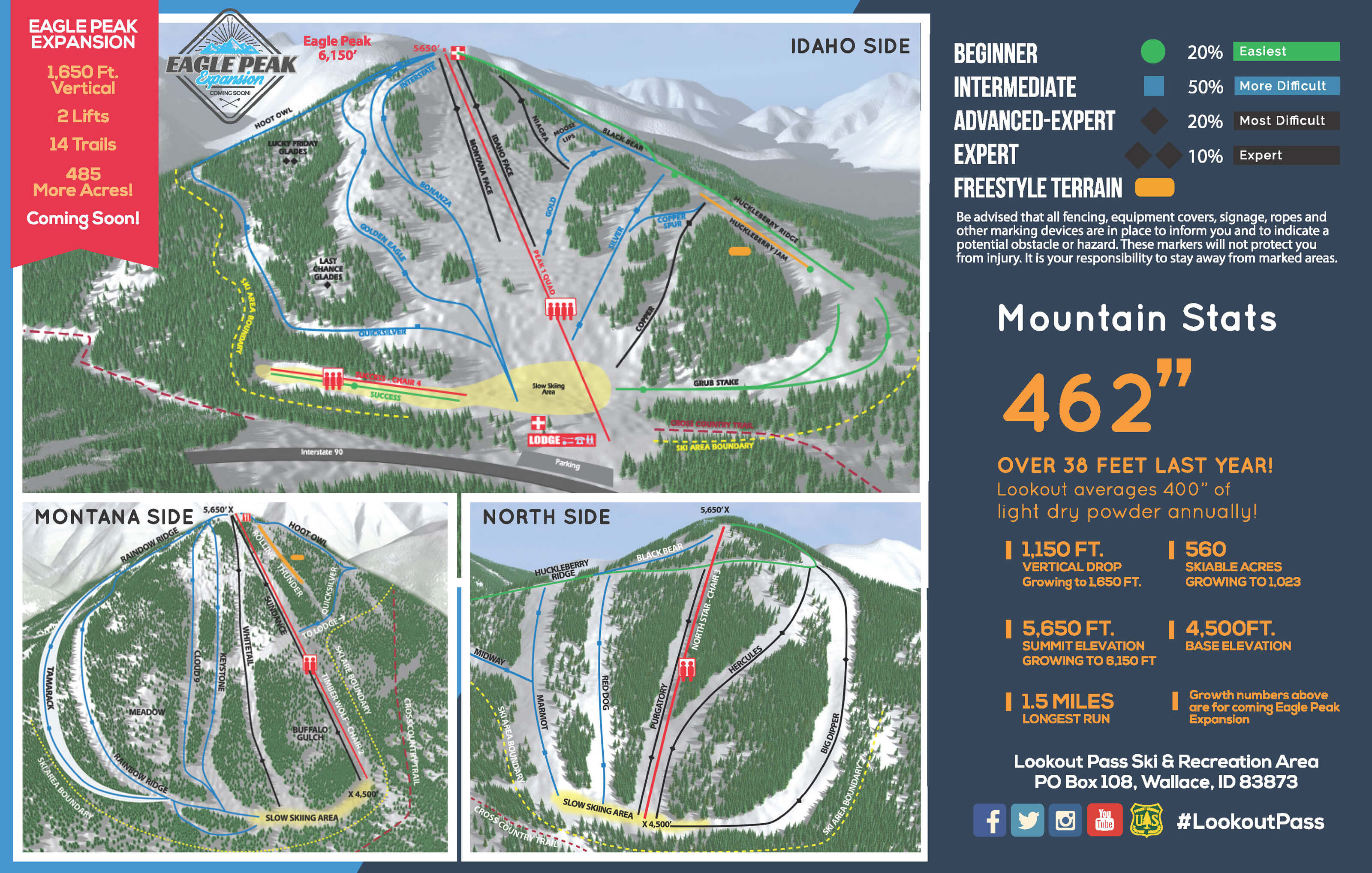
Lookout Pass serves as the primary mountain corridor between Mineral County, Montana, and Shoshone County, Idaho. Known for its significant annual snowfall—often exceeding 400 inches at the peak—this section of I-90 is a high-priority maintenance zone for state snowplow crews. Driving this pass requires a blend of technical preparation and situational awareness, especially during the peak winter months of 2026. Whether you are a commercial hauler or a tourist heading to the Lookout Pass Ski & Recreation Area, understanding the specific infrastructure and meteorological patterns of the Bitterroot Mountains is critical for a safe crossing.
Understanding the Geography of Lookout Pass
Lookout Pass represents one of the most challenging segments of the I-90 corridor in the Pacific Northwest. Located exactly on the state line, it separates the town of Mullan, Idaho, from the St. Regis area in Montana. The pass is characterized by steep grades (up to 6%) and narrow canyons that create microclimates.
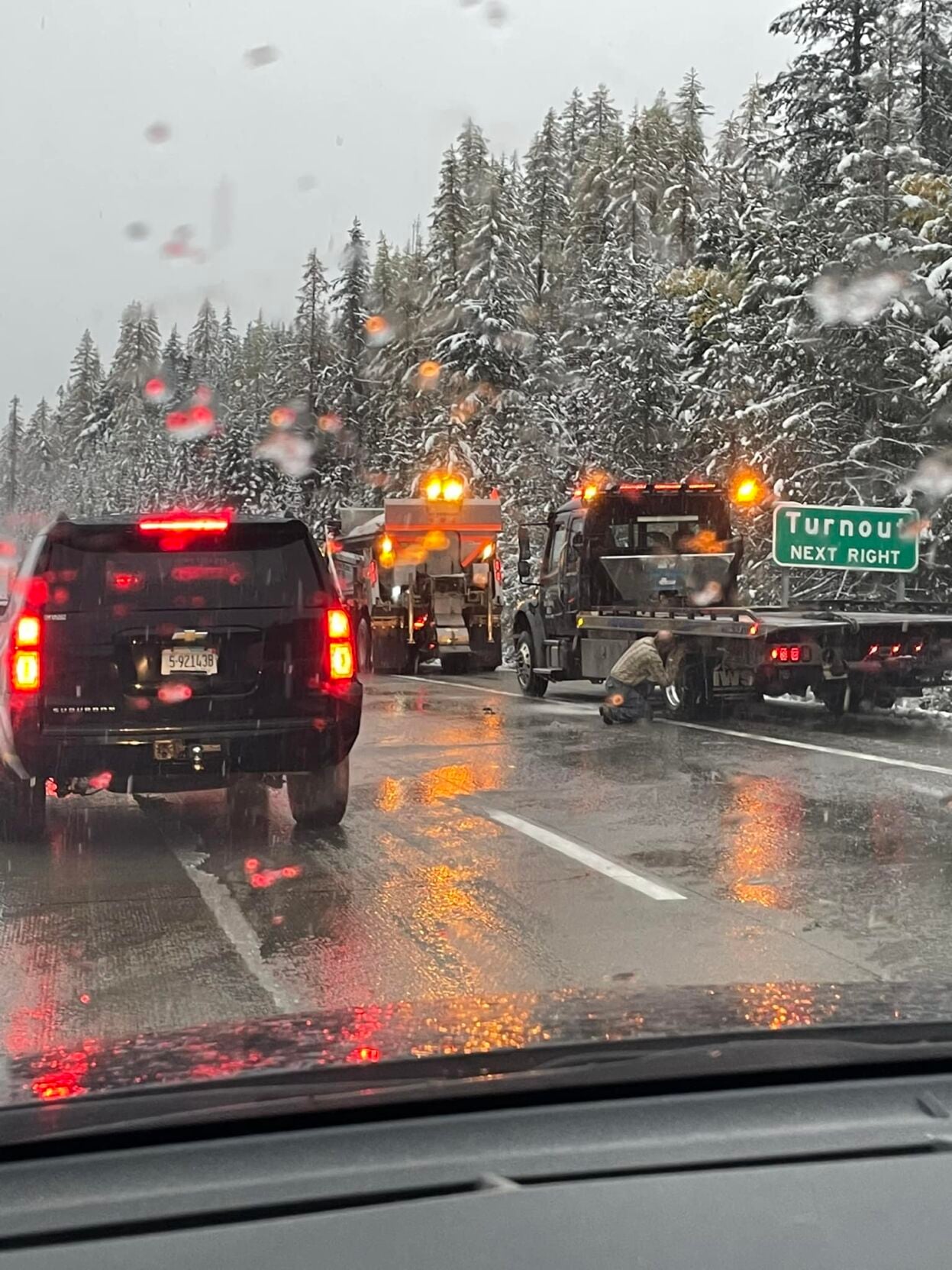
The 2026 winter season has seen a continuation of the "convergence zone" effect, where moisture from the Pacific meets cold continental air masses over the Bitterroot Range. This frequently results in "heavy wet snow" or "Sierra Cement," which can quickly turn into black ice as temperatures drop after sunset. Because the pass is a major artery for interstate commerce, the MDT and ITD operate under a joint maintenance agreement to ensure that plowing and sanding are synchronized across the state border.
Critical Transit Points on I-90
- St. Regis, MT (Milepost 33): The last major service stop before the final ascent from the Montana side.
- The "S" Curves (Mileposts 5-10): A series of high-elevation turns where jackknifed semis frequently cause lane closures.
- Mullan, ID (Milepost 68): The first major egress point once descending the western slope into Idaho.
2026 Montana Traction Laws and Equipment Requirements
For the 2026 winter season, Montana and Idaho have tightened enforcement of traction laws to reduce the frequency of "unavoidable" closures caused by ill-equipped vehicles. It is no longer a suggestion; it is a legal requirement during active storm cycles.
Traction Law Classifications for 2026
Level 1: Minimum Requirement All vehicles must be equipped with either all-season tires (M+S rating) or winter-specific tires with a minimum tread depth of 4/32 of an inch. While 2WD vehicles are permitted, they must carry chains in the trunk if snow is present on the roadway.
Level 2: Snow Tire or Chain Mandate All non-AWD/4WD vehicles must have chains installed on drive wheels. AWD and 4WD vehicles must have Three-Peak Mountain Snowflake (3PMSF) rated tires. This is the most common status during active snowfall on Lookout Pass.
Level 3: Full Chain Requirement This is a rare, extreme status used just before a full pass closure. Every vehicle, regardless of drivetrain, must have chains or approved traction devices (like AutoSocks) installed.
Tire Specifications: 3PMSF vs. M+S
In 2026, technical experts recommend the Three-Peak Mountain Snowflake (3PMSF) designation over the older Mud and Snow (M+S) rating. The 3PMSF symbol indicates the tire has been tested for severe snow conditions, providing significantly better braking and acceleration on the sub-freezing asphalt typical of the Lookout Pass summit.
Evaluating Road Conditions: MDT and ITD Standards
The "Road Conditions" reported on 511 systems use specific terminology that drivers must decode to understand the actual risk level. For the 2026 season, the MDT has streamlined these categories to ensure better driver comprehension.
| Road Condition Rating | Physical Meaning | Recommended Driver Action |
|---|---|---|
| Dry/Clear | Pavement is mostly dry with high friction. | Standard highway speeds; maintain awareness of bridge frost. |
| Slick in Spots | Intermittent ice or frost, often in shaded areas. | Reduce speed by 10-15 mph; avoid cruise control. |
| Snow Covered | Full accumulation on the road surface; lanes obscured. | Engage 4WD/AWD; maintain 200+ foot following distance. |
| Icy/Black Ice | High-risk, low-visibility ice layer often invisible to the eye. | Minimum speeds (25-35 mph); avoid sudden braking. |
| Closed | Physical barricades or gates are locked. | Seek shelter in St. Regis or Mullan; do not bypass gates. |
Real-Time Monitoring Resources for 2026
To obtain the most accurate data for Lookout Pass, drivers should utilize a combination of digital tools and visual confirmation via highway cameras.
- MDT Traveler Information (511 MT): The primary source for the Montana side. In 2026, the app includes "Predictive Traction" alerts based on incoming weather fronts.
- ITD Idaho 511: Essential for the western descent. The Idaho side often experiences different weather due to the rain-shadow effect.
- Lookout Pass Summit Camera: Located at the ski area entrance (Milepost 0), this camera provides a 360-degree view of the actual road surface at the highest point of the pass.
- SNOTEL Data: High-altitude weather stations that report exact snowfall rates in inches per hour, which is often more accurate than generic valley forecasts.
Technical Maintenance: How Lookout Pass is Managed
The engineering behind keeping Lookout Pass open in 2026 involves more than just snowplows. It includes high-tech de-icing agents and structural maintenance designed to handle the weight of heavy snow.
De-Icing Chemistry
MDT uses a combination of liquid magnesium chloride and "pickled" sand (sand pre-mixed with salt). Magnesium chloride is effective down to approximately -10°F. If temperatures on the pass drop below this (common in January), crews transition to dry sand for mechanical traction, as liquid chemicals can cause "flash freezing" when they become too diluted.
Avalanche Mitigation
The slopes surrounding Lookout Pass are prone to slides that can bury the interstate. In 2026, automated remote avalanche control systems (RACS) are utilized. These systems allow technicians to trigger small, controlled slides during low-traffic hours, preventing massive, spontaneous avalanches that could trap motorists. If you hear loud "booms" near the summit in the early morning, it is likely the mitigation teams at work.
Safe Driving Protocols for High-Mountain Passes
Driving over Lookout Pass is a technical skill. Following these protocols can prevent the "accordion effect" of accidents that frequently shut down the pass.
The "No Cruise Control" Rule
Using cruise control on a mountain pass during winter is the leading cause of single-vehicle rollovers. If your tires hit a patch of ice, the system will attempt to maintain speed by accelerating, causing the wheels to spin and the vehicle to lose lateral stability. Always maintain manual throttle control.
Engine Braking vs. Friction Braking
When descending the 6% grade into Idaho or Montana, avoid riding your brakes. This causes heat buildup, which can lead to brake fade or fire in commercial vehicles. Use your transmission to downshift. For passenger vehicles, shifting into "Low" or "2" helps maintain a steady speed without overheating the rotors.
Maintaining Space and Visibility
Visibility on Lookout Pass can drop to near zero in seconds due to "ground blizzard" conditions, where wind whips fallen snow across the road.
- Keep Lights On: Use low-beam headlights and fog lights. High beams will reflect off the snow and blind you.
- Avoid the "Pack": Stay away from clusters of vehicles. If one vehicle spins out, the entire pack is usually involved in the resulting pile-up.
What to Do During a Pass Closure
Closures on Lookout Pass are common in 2026, especially during late-night hours when visibility is poorest. If the pass is closed, do not wait at the gate.
Emergency Staging Areas
Montana Side: The town of St. Regis offers several large truck stops and motels. It is the safest place to wait out a storm. There is limited cell service between St. Regis and the summit, so make your decisions before leaving the town limits.
Idaho Side: The towns of Mullan and Wallace provide ample services. Wallace, in particular, has historic lodging and restaurants that cater to stranded travelers.
Communication: Use the "MDT Alerts" SMS service. In 2026, you can text "I90LOOKOUT" to the state's travel number to receive automated updates when the gates reopen.
Comparison of Lookout Pass vs. Fourth of July Pass
Travelers heading west through Idaho will encounter another significant obstacle shortly after Lookout Pass: the Fourth of July Pass. Understanding the difference is vital for trip timing.
| Feature | Lookout Pass (MT/ID Border) | Fourth of July Pass (ID) |
|---|---|---|
| Elevation | 4,710 Feet | 3,081 Feet |
| Primary Risk | High accumulation, extreme wind | Black ice, freezing rain |
| Maintenance Priority | Extremely High (Primary Corridor) | High (Regional Corridor) |
| 2026 Camera Access | Summit and Base | Summit only |
| Cellular Coverage | Spotty / Near summit only | Good (Proximity to Coeur d'Alene) |
Frequently Asked Questions
Is Lookout Pass open right now?
Road status changes by the minute, but you can verify current openings by checking the MDT 511 map or the ITD traveler portal. In 2026, these maps are updated every 5-10 minutes with data from GPS-equipped snowplows. If the road is marked "Closed," do not attempt to travel; I-90 is physically gated at St. Regis and Mullan during severe events.
Do I need chains for my 4WD SUV on Lookout Pass?
While 4WD and AWD vehicles are generally exempt from Level 1 and Level 2 traction mandates, you must have tires with the Three-Peak Mountain Snowflake (3PMSF) symbol. If the conditions escalate to Level 3, even 4WD vehicles must use chains. It is highly recommended to carry a set of "easy-fit" chains or traction socks even if you have a capable vehicle.
What is the best time of day to cross Lookout Pass in winter?
The safest window for crossing is typically between 10:00 AM and 2:00 PM. During this time, the sun is at its highest, providing the best visibility and allowing de-icing chemicals to work most effectively. Avoid crossing after sunset, as "refreeze" turns slush into lethal black ice.
How do I check the Lookout Pass ski area conditions specifically?
While the highway and the ski area share a name, their "conditions" mean different things. For the ski resort, check the official "Lookout Pass Ski Area Snow Report." For the highway, rely exclusively on MDT/ITD. A "Great Powder Day" at the resort usually means "Dangerous Driving Conditions" on I-90.
Are there detours if Lookout Pass is closed?
There are no viable winter detours for I-90 across the Bitterroot Mountains. Alternative routes like Highway 200 or Highway 12 (Lolo Pass) are often in worse condition or involve much higher elevations and narrower roads. If Lookout Pass is closed, the best strategy is to stay in a hotel and wait for the plows to clear the interstate.
2026 Professional Travel Recommendation
For all travelers navigating Lookout Pass in 2026, the primary directive is patience over pace. The Bitterroot Mountains do not forgive equipment failure or reckless speed. Ensure your vehicle is serviced with winter-grade fluids (including -40°F rated windshield wash), check your tire pressures—which drop in the cold—and always carry an emergency kit containing blankets, water, and a portable power bank. By utilizing the 2026 MDT/ITD digital resources and adhering to the established traction laws, you can safely navigate one of the most beautiful yet formidable passes in the United States.
Image Gallery