A Comprehensive Guide to Installing Solar Panels in Bath
Installing solar panels in Bath involves navigating specific planning requirements, historical conservation considerations, and local grid connectivity standards. Residents must balance the city’s unique architectural heritage—largely...
Installing solar panels in Bath involves navigating specific planning requirements, historical conservation considerations, and local grid connectivity standards. Residents must balance the city’s unique architectural heritage—largely characterized by World Heritage status and Georgian limestone—with the technical and financial benefits of transitioning to renewable energy. Successful installation requires a structured approach covering property assessment, regulatory compliance, and professional selection.
Contents
Understanding the Landscape: Solar in a Historic City
Bath presents a unique challenge for renewable energy adoption. Much of the city is designated as a Conservation Area, and the presence of numerous Grade I and Grade II listed buildings means that external modifications, including solar installations, are subject to stringent oversight by the Bath and North East Somerset (B&NES) Council.
For the majority of residential properties, installing solar panels is considered "permitted development," meaning it may not require a full planning application. However, this rule does not apply to listed buildings or properties located within designated Article 4 Direction areas, where permitted development rights have been restricted to protect the city's aesthetic integrity. Before purchasing equipment, homeowners must confirm their specific property status via the local planning portal or by contacting the B&NES Council planning department.
Technical Prerequisites for Solar Installation
Before initiating an installation, your property must meet several core physical and technical criteria. Efficiency is primarily dictated by roof orientation and condition.
1. Roof Suitability
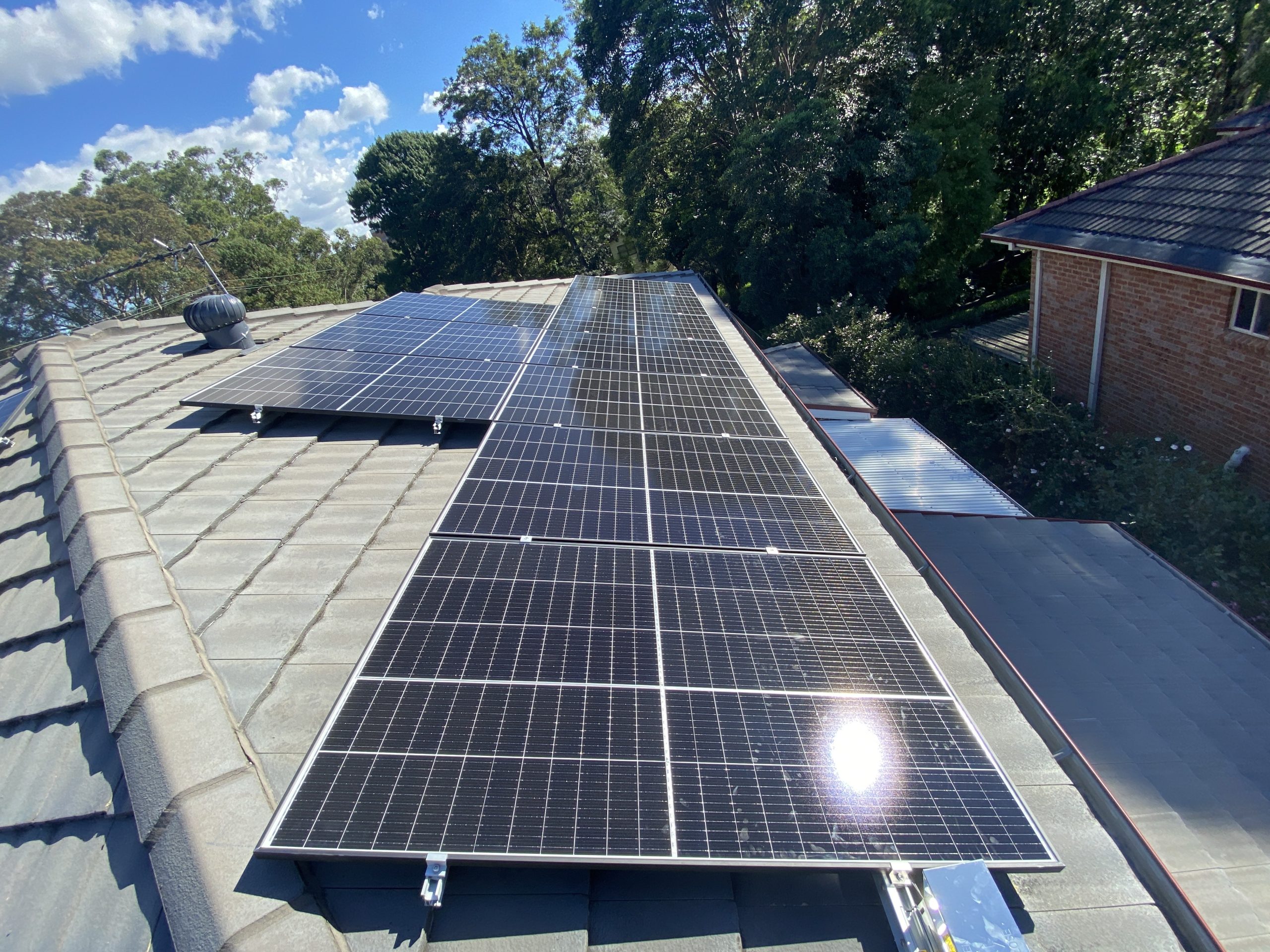
- Orientation: South-facing roofs offer the maximum annual energy yield. However, east-west configurations are increasingly common and can provide a more consistent energy generation profile throughout the day.
- Pitch: A roof pitch between 30 and 40 degrees is generally considered optimal in the United Kingdom, though modern inverter technology has made installations on shallower or steeper roofs significantly more viable.
- Condition: Solar panels have an expected lifespan of 25 to 30 years. If your roof covering (such as slate or clay tile) is nearing the end of its life, it is imperative to replace or repair the structure before mounting a solar array.
- Shading: Nearby trees, chimneys, or neighboring structures can severely impact output. Professional installers use solar pathfinder tools or satellite imagery to model shading profiles.
2. Structural Integrity
Solar panels add significant weight to the roof, including the mounting hardware. For historic homes in Bath, which may have older timber roof structures, a structural survey is often a prudent first step to ensure the roof can support the additional dead load of the panels and the live load of wind and snow.
The Installation Process: Step-by-Step
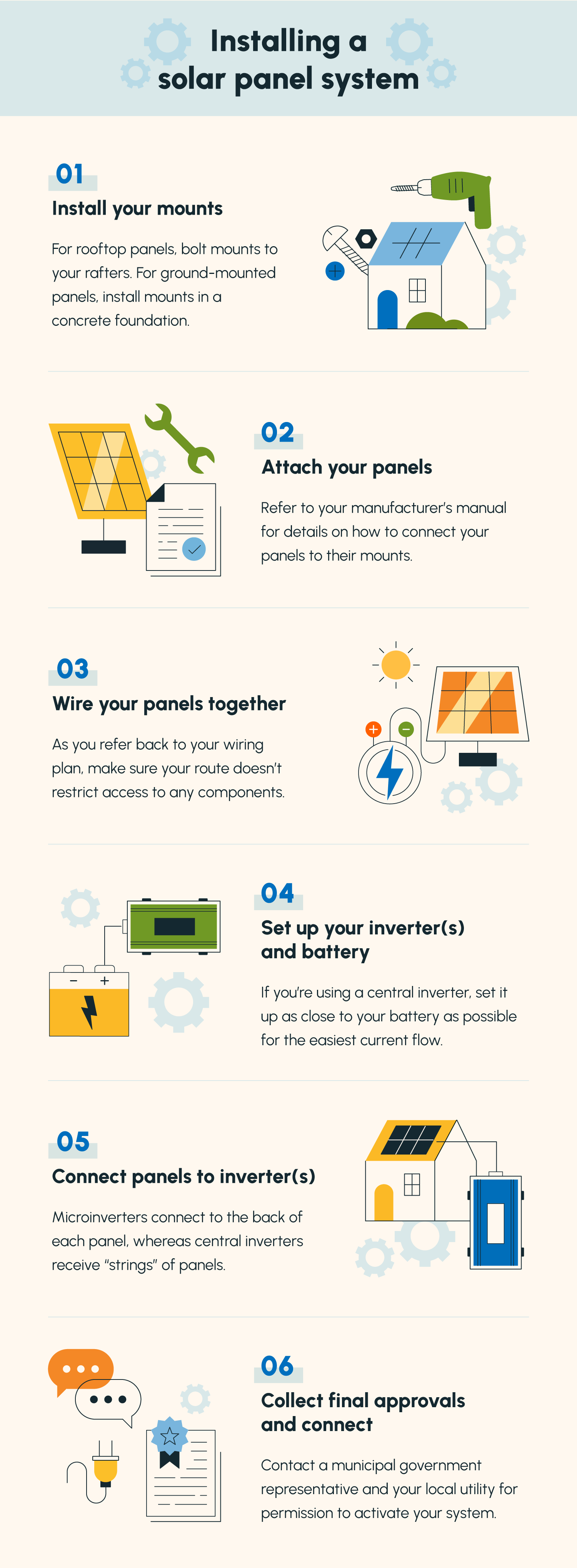
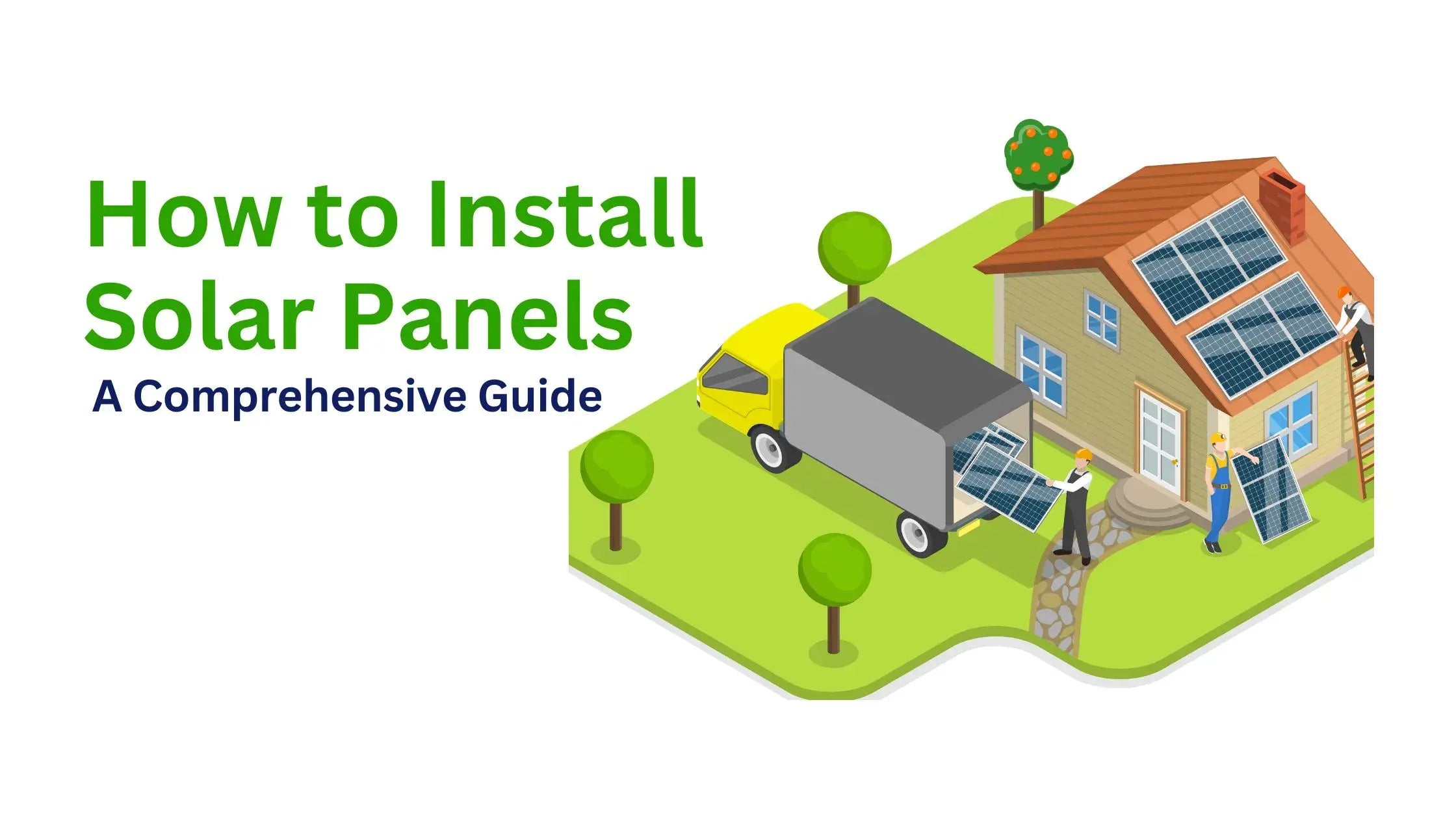
A professional installation typically follows a predictable sequence. Engaging with a MCS (Microgeneration Certification Scheme) certified installer is essential to ensure quality and eligibility for various energy incentive schemes.
- Site Survey: An installer evaluates your electrical system, roof orientation, and energy consumption patterns to size the system correctly.
- Design and Planning: The layout is finalized. If your home is listed or in a sensitive area, the installer may assist with a "Pre-application Advice" request to the council to gauge the likelihood of approval.
- Regulatory Approval: Submission of any required planning applications or heritage statements. This step may take 8–12 weeks depending on local council volume.
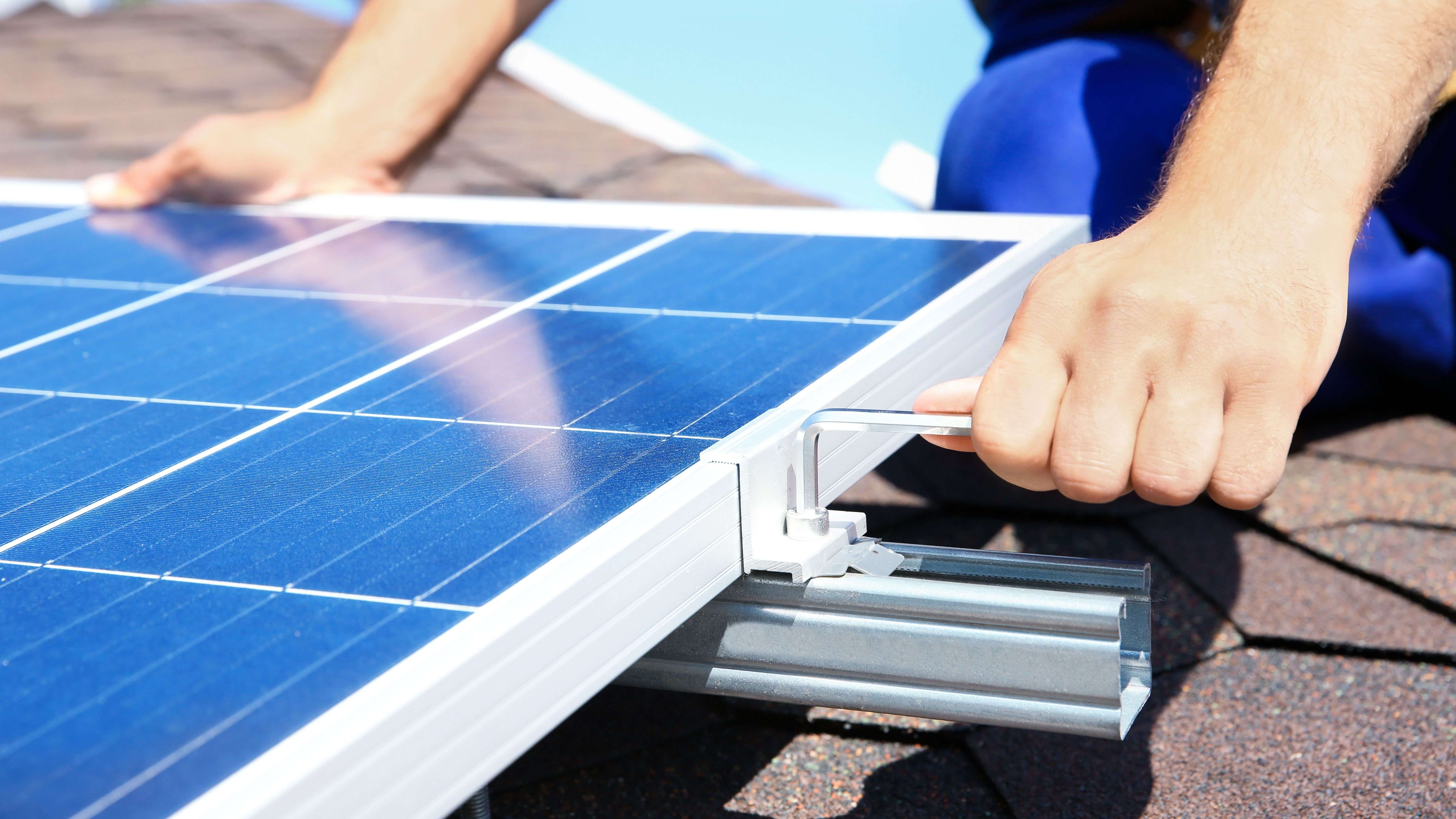
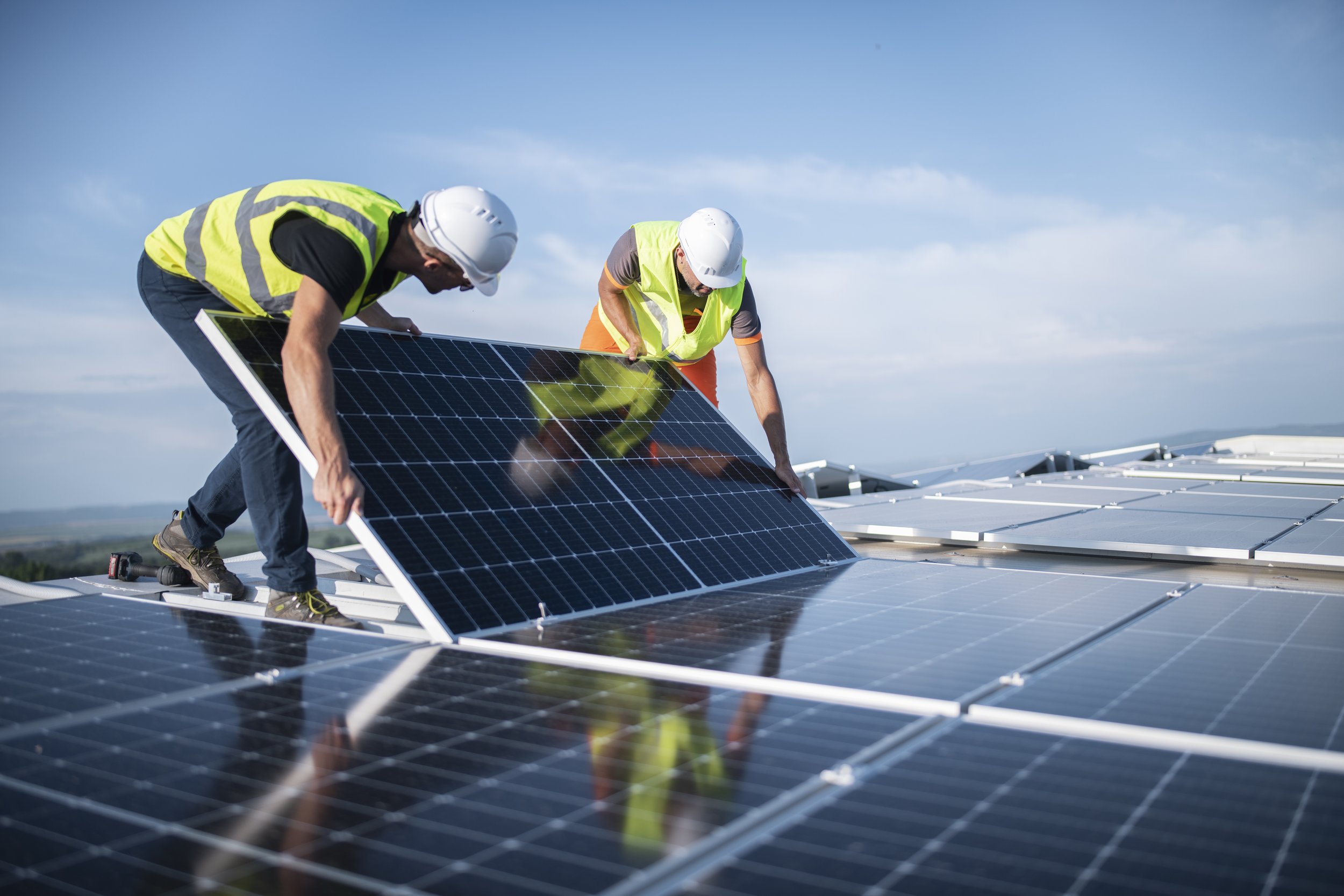
- Hardware Installation: The physical setup involves installing mounting rails, the panels themselves, and the electrical inverter or hybrid battery system.
- Commissioning and Grid Notification: The installer tests the system and notifies the local Distribution Network Operator (DNO) that a new power-generating asset has been connected to the grid.
Comparison of Solar System Types
Selecting the right hardware depends on your energy goals and property constraints.
| System Type | Best For | Complexity | Cost Profile |
|---|---|---|---|
| On-Grid PV | Standard homes looking to reduce bills | Low | Moderate |
| Hybrid System | Homes with night-time energy use | Medium | Higher |
| Off-Grid | Remote locations or total independence | High | Very High |
| Integrated (In-Roof) | Conservation areas/new builds | High | High |
Navigating Costs and Financial Returns
As of 2026, the cost of solar installation has stabilized after years of volatility. While the initial capital expenditure remains significant, the return on investment is driven by the reduction in grid-purchased electricity and the potential for export payments.
Export Tariffs
Homeowners can generate income by exporting excess energy back to the national grid. Various energy suppliers offer Smart Export Guarantees (SEG). It is highly recommended to compare current SEG rates, as they vary between providers and can significantly impact the payback period of your system.
Maintenance Considerations
Solar panels are largely low-maintenance. However, in Bath’s urban environment, dust, soot, and bird droppings can accumulate. A professional cleaning once every 18 to 24 months is usually sufficient to maintain performance. Annual visual inspections by an electrician are advised to ensure that electrical connections remain secure and that the inverter is operating within manufacturer specifications.
Common Challenges and Troubleshooting
Despite the reliability of modern photovoltaic technology, homeowners may encounter specific issues during or after the installation process.
- Planning Refusal: If an application for a listed building is rejected, consider smaller, "stealth" panels or solar slates that mimic traditional roofing materials. These are more expensive but are often the only way to satisfy heritage requirements.
- Inverter Errors: The inverter is the "brain" of the system. If it displays an error code, check the grid connection first. Most modern inverters provide mobile app connectivity that notifies the owner of faults immediately.
- Low Yield: If your generation figures are lower than the installer’s estimate, investigate potential new shading sources, such as rapid growth of nearby foliage, or check if the panels require cleaning.
Frequently Asked Questions
Does a listed building in Bath automatically prevent me from having solar panels? No, but it significantly complicates the process. You will almost certainly require Listed Building Consent. You must demonstrate that the panels will not harm the special interest of the building. Discreet placements, such as on rear-facing slopes or flat roofs not visible from the public highway, are more likely to be approved.
What is the MCS and why does it matter? The Microgeneration Certification Scheme (MCS) is a standards organization for renewable technology. Hiring an MCS-certified installer is generally a prerequisite for accessing export tariffs and ensuring that your installation meets national safety and quality standards.
How long does the installation take? For a standard residential property, the physical installation of the panels and inverter usually takes between one and three days. The total time from inquiry to commissioning is longer due to the planning and DNO notification stages.
Can I install a battery system later if I cannot afford one now? Yes. You can install a solar PV system now and add a battery storage unit later. Ensure your initial inverter is "battery-ready" or hybrid-capable to minimize the cost of future integration.
Do I need a new meter for my solar panels? In most cases, your existing smart meter is capable of recording both consumption and export. Your electricity provider will confirm whether your current meter requires an upgrade to support microgeneration.
Next Steps for Your Project
If you are ready to proceed, your immediate next step is to obtain three independent quotes from local installers who have specific experience working with Bath’s unique architecture. Verify their MCS certification, request a detailed shading analysis, and ask for a clear breakdown of the expected payback period based on your current utility rates. Always consult the B&NES Council website to review the specific planning guidelines for your street or district before signing a contract.
Image Gallery