Understanding Term Coverage Life Insurance: Navigating Options in Ontario
Term life insurance provides a straightforward, cost-effective financial safety net by offering coverage for a specific, predetermined period—the "term"—at a level premium rate. For residents of Ontario, selecting the right policy invo...
Term life insurance provides a straightforward, cost-effective financial safety net by offering coverage for a specific, predetermined period—the "term"—at a level premium rate. For residents of Ontario, selecting the right policy involves evaluating your unique financial liabilities, the length of your income-replacement needs, and the underwriting criteria of Canadian life insurance providers.
Contents
The Fundamentals of Term Life Insurance
At its core, term life insurance is designed to provide a death benefit to your chosen beneficiaries if you pass away during the active policy term. Unlike permanent life insurance, which includes a cash value component and lasts for your entire lifetime, term insurance is purely protective. It serves as a temporary financial bridge, typically used to cover debts, replace income, or fund education during the years when your financial responsibilities are highest.
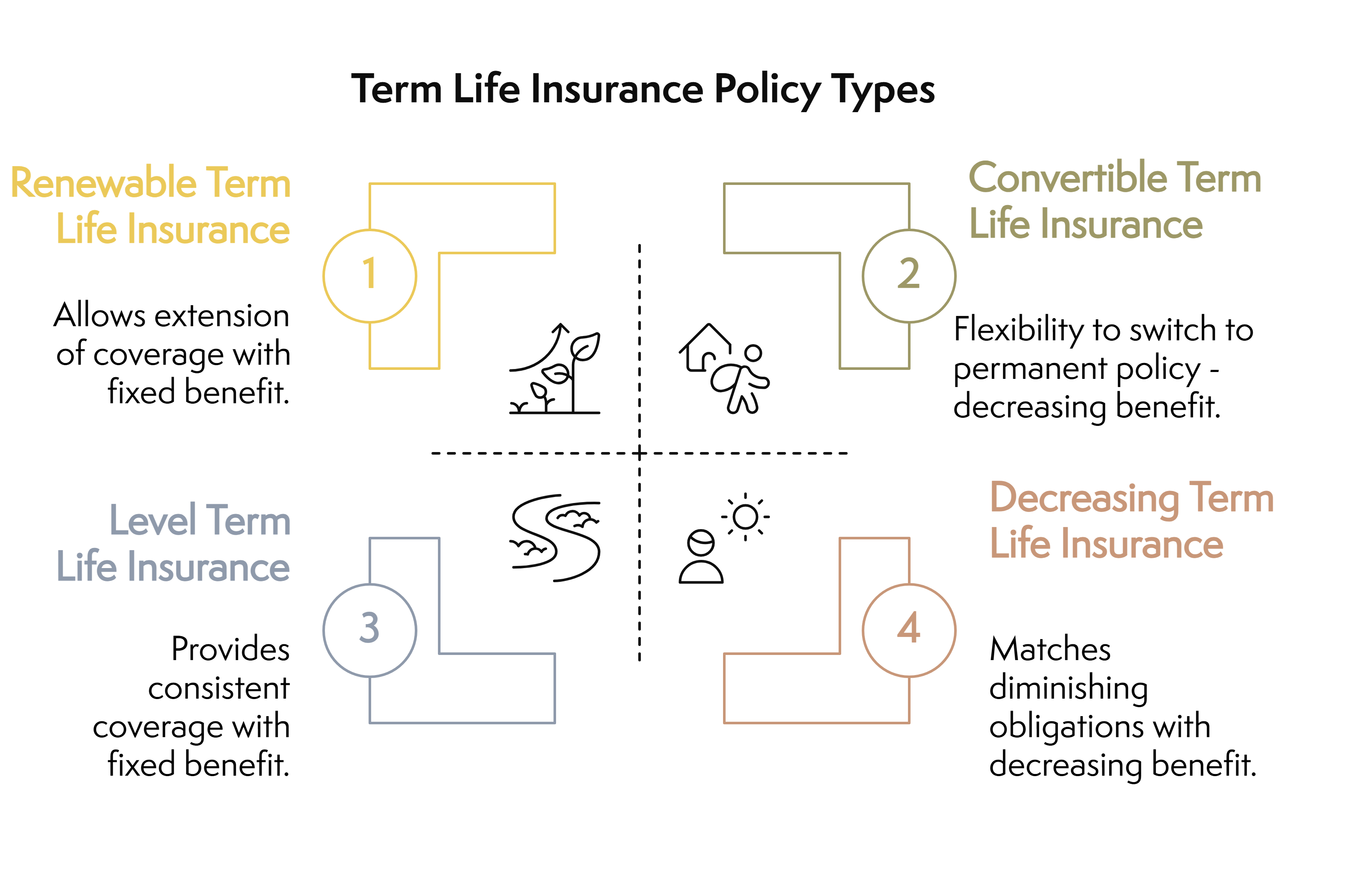
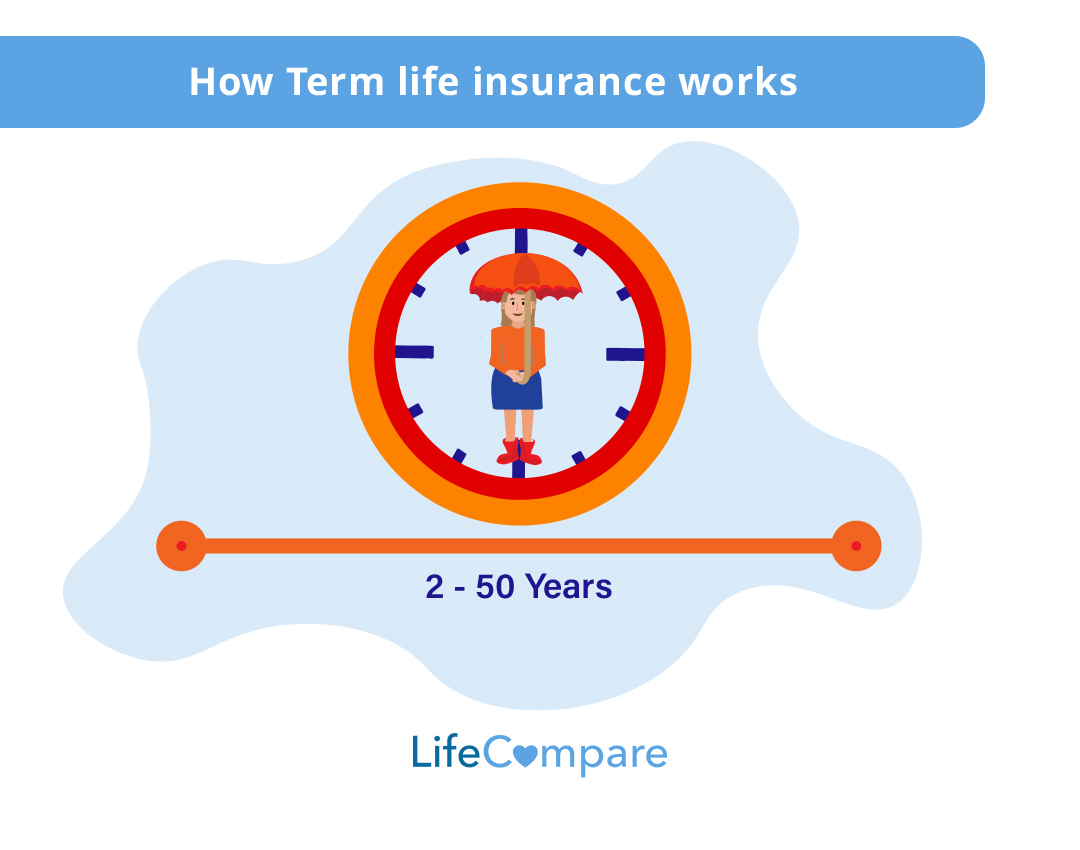
When you purchase a term policy, you commit to a contract length—most commonly 10, 20, or 30 years. In Ontario, premiums are generally guaranteed not to increase during this initial term. If you outlive the term, the coverage expires unless you choose to renew it at a higher rate (based on your age at the time of renewal) or convert it into a permanent policy, depending on the terms of your specific contract.
Evaluating Why You Need Term Coverage
Before engaging with an advisor or an insurance carrier, it is essential to calculate the specific "coverage gap" you intend to fill. Financial planning experts often suggest the "DIME" method to determine the appropriate death benefit:
- Debt: Include the balance of your mortgage, high-interest personal loans, and line of credit balances.
- Income: Consider the number of years your family would rely on your income to maintain their current standard of living.
- Mortgage/Education: Total the remaining costs for childcare, tuition, and major family expenses.
- Expenses: Include final arrangements, funeral costs, and probate taxes that your estate may incur upon your passing.
In Ontario, your life insurance benefit is generally paid out tax-free to your beneficiaries. This makes it a highly efficient tool for estate planning, as it provides immediate liquidity to pay off debts or cover capital gains taxes triggered by the deemed disposition of assets at death.
The Role of the Underwriting Process in Ontario
When applying for term coverage in Ontario, you will undergo a process known as underwriting. This is how the insurance company assesses the risk of insuring your life. The process typically consists of several layers:
- The Application: You provide personal details, including your medical history, lifestyle habits, occupation, and recreational activities.
- Medical Evidence: Depending on the face amount of the policy and your age, the insurer may require a paramedical exam. This can involve blood work, urine samples, and a physical measurement of height, weight, and blood pressure.
- Attending Physician Statement (APS): If your medical history is complex, the insurer may request records from your primary care physician to confirm diagnoses or treatment plans.
- Risk Classification: Once the assessment is complete, you are placed in a risk category—such as Preferred, Standard, or Substandard (rated). Your classification dictates your final premium rate.
It is critical to be transparent during this process. In Canada, failure to disclose material information—such as a history of heart disease or smoking—can lead to the denial of a death benefit claim years later.
Comparing Term and Permanent Insurance
Choosing between term and permanent coverage often depends on the duration of your financial need. The table below outlines the primary differences to assist in your decision-making process.
| Feature | Term Life Insurance | Permanent Life Insurance |
|---|---|---|
| Duration | Fixed (e.g., 10–30 years) | Lifetime coverage |
| Premiums | Lowest initial cost; increases at renewal | Significantly higher; often level for life |
| Cash Value | None | Accumulates tax-deferred value |
| Primary Use | Income replacement and debt coverage | Estate planning and final expenses |
| Flexibility | Often convertible to permanent | Offers policy loans or withdrawals |
Critical Considerations for Ontario Policyholders
Residents of Ontario should be mindful of provincial-specific factors that influence the utility and cost of life insurance:
Conversion Options
Many term policies in Canada include a "conversion privilege." This allows you to switch your term policy to a permanent policy (such as whole life or universal life) without undergoing a new medical exam. This is a valuable safeguard if your health deteriorates during your term, as it ensures you can keep coverage even if you become uninsurable by traditional standards.
The Impact of Inflation
While a $500,000 policy may feel sufficient today, it is important to consider the erosion of purchasing power over 20 or 30 years. When selecting your coverage amount, consider your long-term projected expenses rather than just your current debts.
Employer-Provided Coverage
Many Ontarians have group life insurance through their employer. While helpful, this coverage is often tied to your employment. If you change jobs or are laid off, you may lose that protection. Relying solely on group coverage is a common mistake; a personal term policy provides portability that keeps you protected regardless of your employment status.
Regulatory Protection
In Ontario, life insurance is regulated at the provincial level by the Financial Services Regulatory Authority of Ontario (FSRA). Furthermore, the industry is supported by Assuris, a non-profit organization that protects policyholders in the event that their life insurance company fails. This provides an additional layer of security for Canadian policyholders.
Frequently Asked Questions
1. Can I change my term policy after I have purchased it? Most term policies offer flexibility. You can usually decrease your coverage amount, but increasing it often requires a new application and underwriting. Check if your policy has a "rider" for guaranteed insurability, which allows for coverage increases at specific life events.
2. Does a medical exam always mean a long wait? Technically, no. While traditional underwriting can take weeks, many companies now offer "simplified issue" or "accelerated underwriting" paths for healthy applicants, which can reduce the wait time to just a few days.
3. What happens if I smoke? Smokers pay significantly higher premiums because of the associated health risks. Some policies offer "non-smoker" rates if you have been tobacco-free for at least 12 months. If you quit after purchasing your policy, you may be able to request a rate reduction.
4. Are premiums tax-deductible in Ontario? Generally, no. Life insurance premiums paid by an individual are considered a personal expense and are not tax-deductible. However, the death benefit itself is received by your beneficiaries tax-free.
Next Steps for Securing Coverage
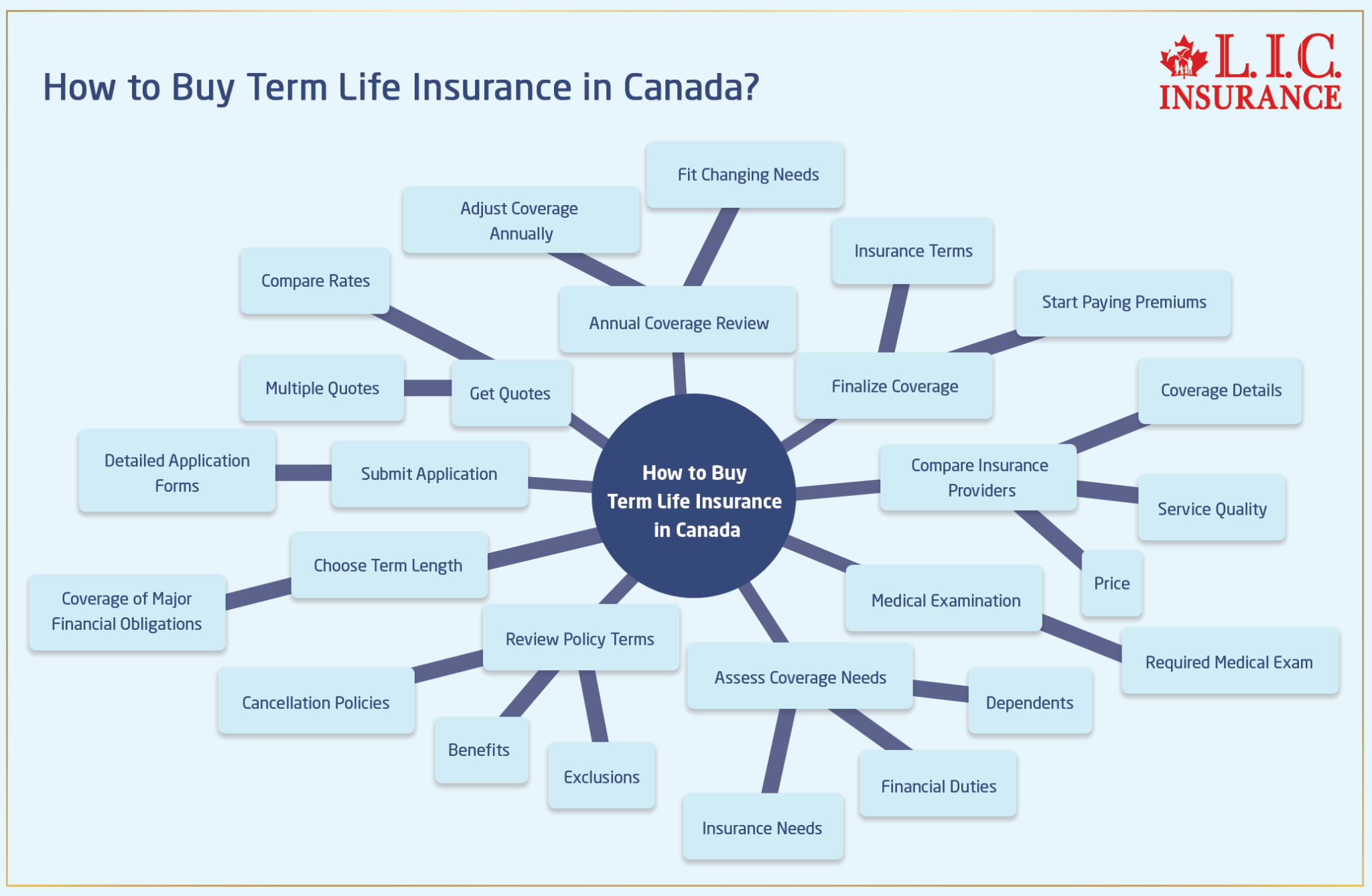
If you have determined that term insurance aligns with your financial strategy, your next step is to obtain professional guidance. Seek an independent insurance advisor who has access to multiple carriers. An independent advisor is not tied to one company's products and can help you compare premium rates and policy features across the market.
Before your meeting, assemble a "fact sheet" that includes your total debt (mortgages, lines of credit), your annual income, your medical history, and any recent major life changes. This information will allow your advisor to provide an accurate quote and help you choose a policy duration that matches your specific milestones, such as when your mortgage will be paid off or when your children will finish their post-secondary education.
Image Gallery