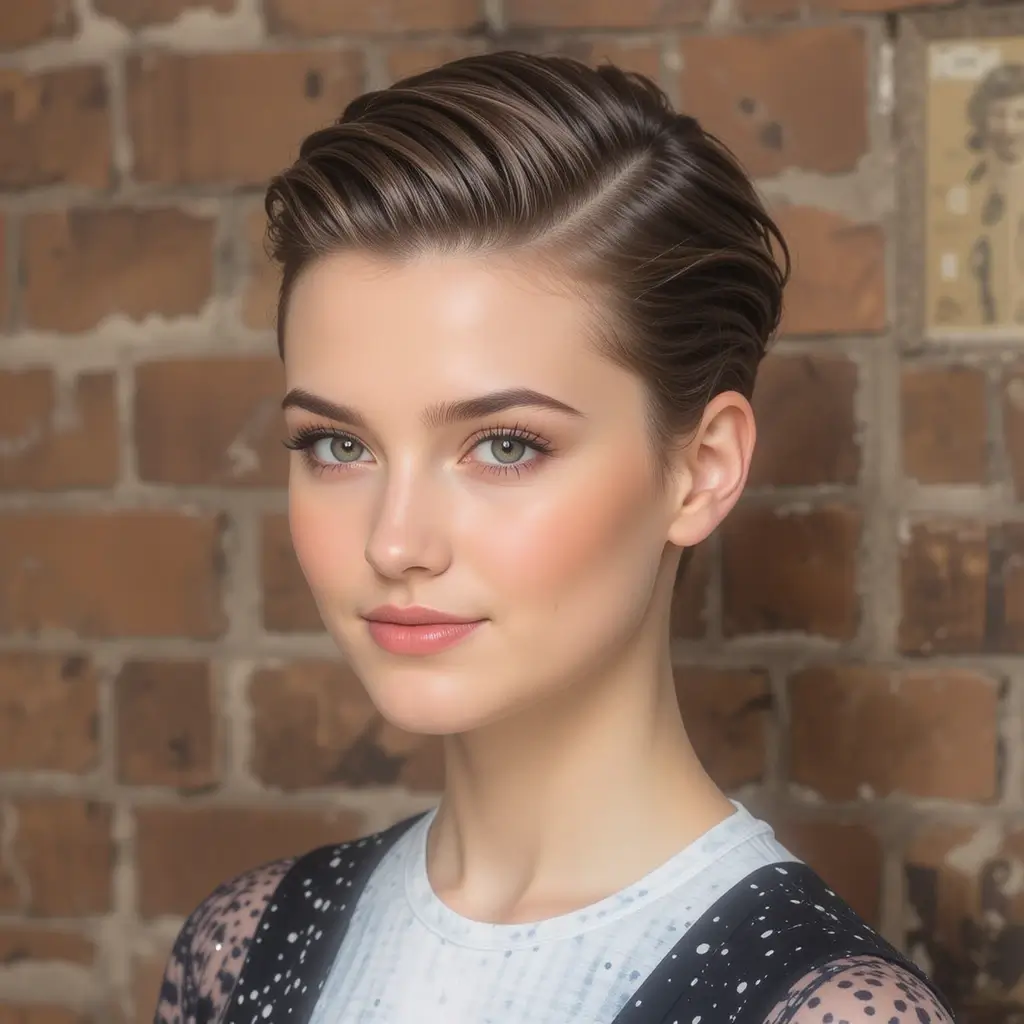
Front Long Back Short Hair: The Ultimate 2026 Style Guide and Maintenance Manual
Front long back short hair encompasses a versatile family of classic and modern haircuts—most notably the angled bob, inverted bob, and modern wedge cuts—characterized by elongated strands framing the face and a significantly cropped,...
Front long back short hair encompasses a versatile family of classic and modern haircuts—most notably the angled bob, inverted bob, and modern wedge cuts—characterized by elongated strands framing the face and a significantly cropped, stacked, or tapered neckline. This design creates striking architectural geometry, balances various face shapes, and offers a low-maintenance back profile with high-fashion styling versatility up front.
Contents
Understanding the Anatomy of an Angled Cut
The architectural success of front long back short hair relies on precise elevation angles, tension control, and graduation techniques executed by a professional stylist. Unlike a traditional one-length bob, this style manipulates geometry to create natural volume, movement, and a distinct silhouette.
Understanding the structural components helps communicate effectively with your stylist during a consultation. The cut depends on three primary zones: the nape, the interior graduation, and the face-framing perimeter.
- The Nape and Crown: The back is cropped closely to the head, often utilizing clipper work or vertical sectioning with a 0-to-45-degree elevation. This builds stacked weight at the occipital bone to create natural roundness and volume without requiring constant teasing.
- The Graduation Line: The transition zone between the short back and the long front follows a precise diagonal cutting line. Steeper angles create an aggressive, dramatic contrast (such as an extreme asymmetrical bob), while gradual slopes offer a softer, more subtle wedge effect.
- The Face-Framing Perimeter: The front sections are left intact, resting anywhere from the chin to below the collarbones. These longer strands draw vertical lines downward, visually elongating round or square face shapes.
| Variation Name | Back Length | Front Length | Nape Technique | Best Face Shape |
|---|---|---|---|---|
| Classic Inverted Bob | Crop to nape hairline | Chin to jawline | Stacked graduation | Round, Oval, Heart |
| Dramatic Angled Lob | Mid-neck | Collarbone or lower | Tapered or blocked | Square, Diamond |
| Modern Wedge Cut | Very short / cropped | Earlobe to chin | Shingled with texture | Oval, Heart |
| Asymmetrical Crop | One side short | Opposite side long | Undercut or faded | Oval, Round |
Matching Your Face Shape and Hair Texture
Selecting the right variation of front long back short hair depends heavily on your facial proportions and natural hair density. Because this cut draws an immediate frame around the face, small adjustments to the angle and graduation can completely transform the final result.
For round faces, an aggressive angle where the front pieces drop well below the chin creates a slimming vertical illusion. Square jawlines benefit from soft, textured ends near the front to diffuse heavy angles. Heart-shaped faces can wear almost any variation, though adding soft side-swept bangs helps balance a broader forehead.
Hair texture dictates how the back stacking and front lengths will behave daily. Fine hair gains instant body from the stacked layers in the back, but requires lightweight volumizing products to avoid looking limp. Thick or coarse hair needs internal texturizing and thinning shears to prevent the back from expanding into an unwanted mushroom shape, ensuring the longer front sections hang sleekly.
Step-by-Step Styling and Maintenance Routine
Achieving a salon-quality finish on an angled haircut at home requires specific styling techniques, particularly in managing the volume at the crown and smoothing the longer front pieces.
Professional Styling Guidelines
Step 1: Prep and Protect Apply a heat protectant and a lightweight smoothing serum or volumizing mousse to damp hair. Distribute evenly from root to tip, focusing mousse at the crown for lift and serum on the front lengths for frizz control.
Step 2: Blow-Dry the Back Use a small-to-medium round brush or a paddle brush to direct the back hair downward and slightly inward toward the neck. This locks in the stacked shape and prevents cowlicks at the nape from pushing the hair outward.
Step 3: Polish the Front Section the longer front pieces. Use a round brush to pull the hair forward and down, rolling slightly under at the ends to frame the jawline. For a pin-straight finish, run a ceramic flat iron through the front sections, bending slightly inward at the tips.
Step 4: Lock and Finish Finish with a flexible-hold hairspray or a dab of texturizing paste rubbed between the palms and scrunched lightly into the crown for separation and definition.
Pros and Cons of Wearing Front Long Back Short Hair
Before committing to this dramatic silhouette, evaluate how its unique structure aligns with your lifestyle, styling habits, and upkeep budget.
- Pros:
- Provides the illusion of length and framing versatility around the face while keeping the neck cool and free of bulk.
- Creates natural, built-in volume at the crown and back of the head, minimizing daily teasing or heavy product reliance.
- Easily transitions from sleek, corporate professional styles to edgy, textured evening looks.
- Cons:
- Requires frequent salon visits—typically every 4 to 6 weeks—to maintain the crispness of the back neckline and the precise diagonal line.
- Demands daily styling commitment; air-drying without styling can result in uneven flipping or loss of the structured silhouette.
- Restricts high ponytails and updos, as the short hair at the nape will constantly slip out of elastic bands.
Troubleshooting Common Styling Challenges
Even with a precision cut, you may encounter specific daily hurdles. The following troubleshooting strategies address the most frequent complaints associated with angled hairstyles:
- The Back Flips Outward: If the short hairs at the nape curl outward instead of lying flat, your blow-drying technique or the natural growth pattern of your hair is working against the cut. Combat this by using a nozzle attachment on your blow dryer, directing airflow downward at a 45-degree angle while pressing the hair flat against the neck with a fine-tooth comb or paddle brush.
- Limp Crown Volume: If the stacked area in the back falls flat, you may be using heavy, oil-based styling creams too close to the roots. Switch to a root-lifting spray or dry shampoo applied to dry hair at the crown to absorb natural oils and restore structural lift.
- Uneven Fading or Growth: As the hair grows out, the sharp diagonal line can quickly look jagged or heavy on one side. Avoid trimming the front yourself; schedule micro-dusting appointments with your stylist every few weeks to keep the geometry clean between major cuts.
Frequently Asked Questions
What is the difference between an inverted bob and a wedge cut?
An inverted bob features stacked layers at the nape with longer, graduated pieces tapering down toward the face, maintaining a blended perimeter. A wedge cut is a more extreme, retro-inspired short style featuring closely cropped, shingled layers at the back that build dramatic height before dropping into longer lengths at the front.
How often do I need to cut front long back short hair to maintain it?
To keep the geometric lines sharp and the back neckline clean, plan on visiting the salon every 4 to 6 weeks. Waiting longer than 8 weeks will cause the back to lose its structured stack and blend awkwardly into the longer front sections.
Can I wear this haircut if I have curly or wavy hair?
Yes, curly hair adds a romantic, voluminous texture to angled cuts, but it requires a specialized dry-cutting technique by your stylist. Curls shrink significantly when dry, meaning the back must be cut shorter to compensate for spring factor so the desired angle remains visible.
Is this haircut suitable for a round face shape?
This haircut is exceptionally flattering for round faces because the long front pieces create vertical lines that visually elongate the jawline and neck. Request an angle that drops well below the chin to maximize the slimming effect.
How do I stop my short back layers from sticking up while I sleep?
Sleeping on a silk or satin pillowcase reduces friction that causes short hair to frizz and twist upward overnight. Alternatively, wrapping your hair or using a lightweight satin bonnet can preserve the smooth, downward direction of the nape layers until morning.
Can I tie front long back short hair into a ponytail?
You can pull the longer front and top sections into a half-up style or a low, mini ponytail, but the very short hairs at the nape will typically fall out. If securing all your hair into an updo is a daily priority for workouts or work, this cut may require bobby pins or headbands to manage loose strands.
Professional Consultation Recommendation
To achieve the best possible result with front long back short hair, schedule a one-on-one consultation with a stylist experienced in precision geometric cutting. Bring reference photos that reflect your hair texture and face shape, and discuss your daily styling routine openly to ensure the chosen angle fits your lifestyle.
Image Gallery