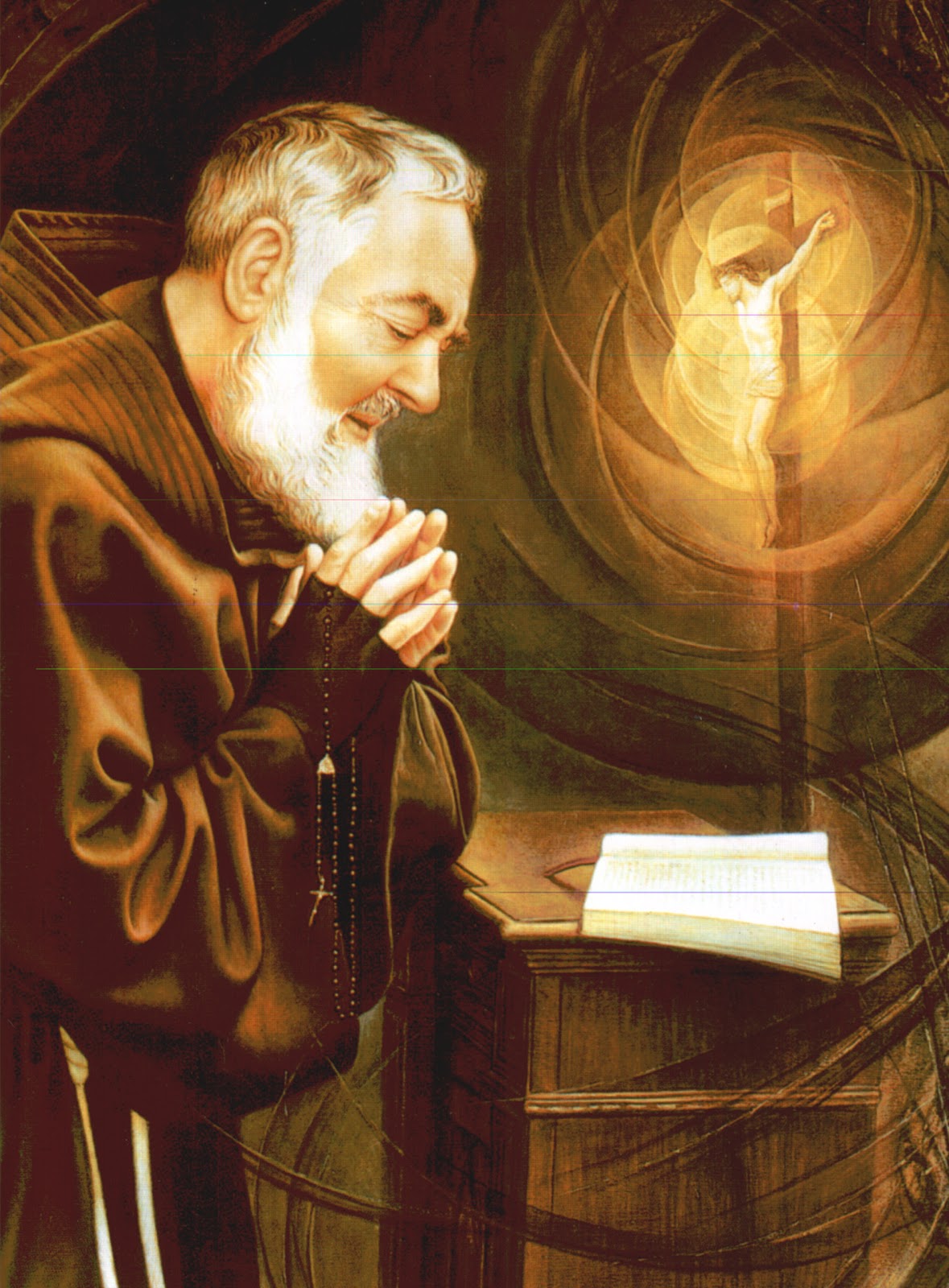
Prayer of St. Padre Pio: The Stay with Me Prayer and Spiritual Guidance for 2026
The Prayer of St. Padre Pio, most notably the "Stay with Me, Lord" prayer, is a profound devotional petition asking for Christ's constant presence during life's trials, temptations, and moments of spiritual darkness. Believers turn to...
The Prayer of St. Padre Pio, most notably the "Stay with Me, Lord" prayer, is a profound devotional petition asking for Christ's constant presence during life's trials, temptations, and moments of spiritual darkness. Believers turn to this powerful meditation to seek divine comfort, resilience, and unwavering faith in an increasingly complex world.
Contents
Understanding the Spiritual Legacy of Saint Padre Pio
St. Padre Pio of Pietrelcina (1887–1968), canonized by Pope John Paul II in 2002, remains one of the most venerated figures in modern Catholic history. Known for bearing the stigmata, his extraordinary gifts of spiritual direction, and his tireless ministry in the confessional, his spiritual life centered entirely on profound union with God through prayer, suffering, and the Eucharist.
The prayers attributed to him or inspired by his spiritual writings reflect a deep trust in divine providence. When individuals seek out the prayer of St. Padre Pio, they are typically looking for his famous "Stay with Me, Lord" (Rimani con me, Signore) prayer. This petition is not merely a traditional rote prayer; it is an intimate, raw conversation with Jesus, echoing the disciples' plea on the road to Emmaus: "Stay with us, for it is nearly evening" (Luke 24:29).
Historical Context and Origin of the "Stay with Me, Lord" Prayer
While deeply embedded in the devotional practices of Padre Pio's prayer groups (Gruppi di Preghiera), this specific meditation emerged from his personal reflections following his evening thanksgiving after Holy Mass. Padre Pio lived through two World Wars, immense physical suffering, and fierce spiritual trials. His writings underscore a singular psychological and spiritual truth: human beings are weak, prone to fear, and easily led astray without constant divine grace.
The Complete Text of the Prayer of St. Padre Pio ("Stay with Me, Lord")
Reciting this prayer requires a quiet, reflective environment. It is typically broken down into distinct spiritual movements, each addressing a specific human vulnerability and inviting Christ's active intervention.
Opening Petition for Divine Presence Stay with me, Lord, for it is necessary to have You present so that I do not forget You. You know how easily I abandon You. Stay with me, Lord, because I am weak and I need Your strength, that I may not fall so often. Stay with me, Lord, for You are my life, and without You, I am without fervor.
Plea Against Darkness and Temptation Stay with me, Lord, for You are my light, and without You, I am in darkness. Stay with me, Lord, to show me Your will. Stay with me, Lord, that I may hear Your voice and follow You. Stay with me, Lord, for I desire to love You very much, and always be in Your company.
Surrender in Suffering and Trials Stay with me, Lord, if You wish me to be faithful to You. Stay with me, Lord, for as poor as my soul is, I wish it to be a place of consolation for You, a nest of love. Stay with me, Jesus, for it is getting late, and the day is coming to a close, and life passes, death, judgment, eternity approach. It is necessary to renew my strength, so that I will not stop along the way, and for this, I need You.
Step-by-Step Guide to Practicing the Padre Pio Prayer Daily
Integrating this devotion into a daily routine enhances personal spiritual discipline. Structured approaches maximize the psychological and spiritual benefits of contemplative prayer.
- Create a Dedicated Sacred Space: Find a quiet room, corner, or chapel free from digital distractions. Turn off mobile devices to foster inner silence.
- Begin with Centering Silence: Spend three to five minutes quieting the mind. Acknowledge your human limitations, daily stresses, and emotional state before God.
- Read the Prayer Meditatively: Read each line of the prayer slowly. Do not rush to finish the text; pause whenever a specific phrase (such as "I am weak and I need Your strength") resonates with your current life situation.
- Offer Personal Intentions: Insert your specific struggles into the framework of the prayer. If facing health crises, career anxiety, or family discord, explicitly lay these burdens before Christ as Padre Pio modeled.
- Conclude with Gratitude and Trust: End the prayer cycle by reciting a traditional Catholic doxology or the Glory Be, affirming trust in divine providence regardless of external circumstances.
Comparing Traditional Devotional Practices
Different contemplative practices serve unique psychological and spiritual needs within the Catholic tradition. Understanding how the Padre Pio prayer compares to other devotions helps practitioners select the most appropriate spiritual tool for their current state.
| Devotional Practice | Primary Focus | Recommended Frequency | Best Suited For |
|---|---|---|---|
| Prayer of St. Padre Pio | Intimate companionship, overcoming weakness, and surrender to Christ's will | Daily (Morning or Evening) | Overcoming anxiety, spiritual dryness, and feelings of isolation |
| The Holy Rosary | Meditating on the mysteries of salvation through Mary | Daily | Intercession, structured mental prayer, and family devotion |
| Divine Mercy Chaplet | Trust in infinite mercy, atonement for sin | Daily at 3:00 PM or anytime | Seeking profound mercy for oneself and the dying |
| Eucharistic Adoration | Silent contemplation of Christ truly present in the Host | Weekly or as scheduled | Deepening interior silence and direct communion |
Spiritual Benefits and Psychological Impacts
Engaging in meditative, surrendering prayers like those of Padre Pio yields profound benefits that bridge theology and human psychology. Modern mental health research increasingly supports the therapeutic value of contemplative surrender and mindfulness rooted in faith.
- Reduction of Existential Anxiety: Explicitly acknowledging personal weakness and transferring control to a higher power lowers cortisol levels associated with chronic worry.
- Cultivation of Resilience: Viewing daily trials through a supernatural lens prevents burnout and despair during extended hardships.
- Enhanced Self-Awareness: Regular reflective prayer forces practitioners to confront personal flaws, pride, and tendencies toward self-reliance.
- Community Connection: Joining millions globally who utilize Padre Pio's writings fosters a sense of spiritual solidarity across cultures and generations.
Common Obstacles and Troubleshooting in Contemplative Prayer
Practitioners frequently encounter specific roadblocks when attempting to maintain a consistent prayer life. Addressing these challenges prevents abandonment of the spiritual routine.
- Distraction and Wandering Thoughts: The human mind naturally drifts. When distracted during the Padre Pio prayer, do not grow frustrated. Gently guide your attention back to the text without harsh self-judgment.
- Spiritual Dryness (Acedia): Periods where prayer feels empty or meaningless are normal. Padre Pio himself endured decades of spiritual aridity. Treat persistence during these times as an act of pure, sacrificial love.
- Time Constraints: Claiming a lack of time is a common hurdle. Solve this by dedicating just five minutes immediately upon waking or right before sleep, prioritizing consistency over prolonged duration.
Frequently Asked Questions
What is the main message of the Prayer of St. Padre Pio?
The primary message is total dependence on Jesus Christ for strength, light, and guidance through life's darkness. It asks Christ to remain close because human nature is inherently weak and prone to falling away without divine grace.
When is the best time to recite the Stay with Me prayer?
Many believers prefer reciting it in the evening, mirroring the Emmaus narrative referenced in the text ("it is getting late, and the day is coming to a close"). However, it can be prayed at any time of day when facing acute temptation, fear, or anxiety.
Was this prayer actually written by St. Padre Pio?
Yes, this specific prayer was found among Padre Pio's personal papers after his death. He reportedly recited it regularly following his private celebration of Holy Mass as part of his thanksgiving to God.
How can I incorporate this prayer into a busy modern schedule?
You can integrate it into your commute, morning coffee routine, or as part of your nightly examination of conscience. Reading just one stanza at a time allows for deep meditation even when pressed for time.
Are there specific promises associated with praying to St. Padre Pio?
While formal Catholic devotions do not guarantee magical outcomes, Padre Pio famously told his spiritual children, "Pray, hope, and don't worry. Worry is useless. God is merciful and will hear your prayer."
Conclusion and Practical Recommendation
Embracing the prayer of St. Padre Pio offers a direct pathway to profound inner peace and spiritual fortification. By humbly admitting personal limitations and inviting Christ to remain present through every trial, believers can navigate modern life with steadfast hope. Begin by setting aside five quiet minutes today to read through the prayer slowly, allowing its message of radical surrender to transform your daily walk.
Image Gallery