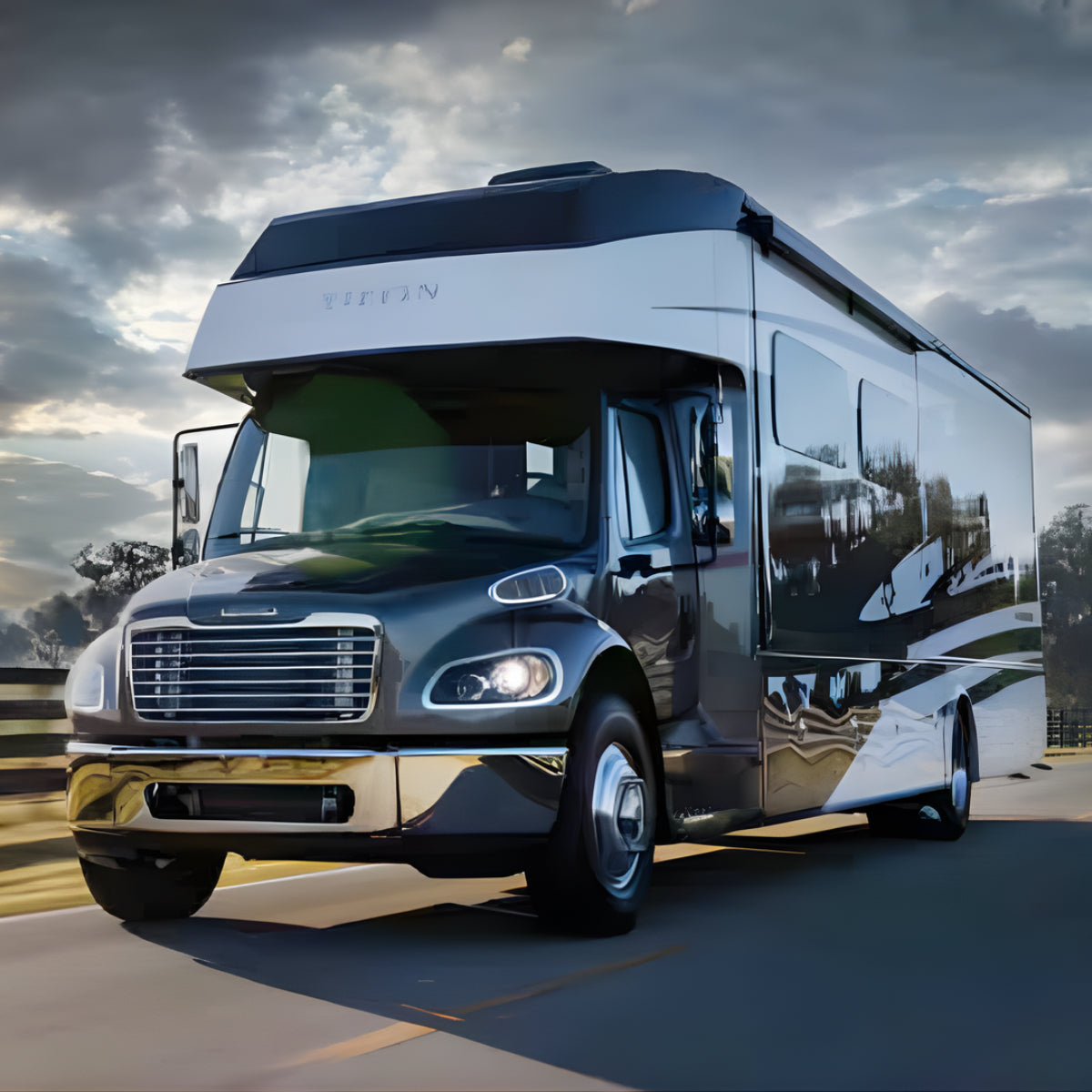
Comprehensive Freightliner M2 RV Overview: The Backbone of the Super C Motorhome
The Freightliner M2 chassis is the premier platform for "Super C" motorhomes, offering superior towing capacity, serviceability, and safety compared to standard cutaway chassis. Available primarily in the M2 106 and M2 112 configuratio...
The Freightliner M2 chassis is the premier platform for "Super C" motorhomes, offering superior towing capacity, serviceability, and safety compared to standard cutaway chassis. Available primarily in the M2 106 and M2 112 configurations, it provides a heavy-duty truck foundation combined with high-end RV luxury and advanced driver-assistance systems.
Contents
Understanding the Freightliner M2 Platform in the RV Market
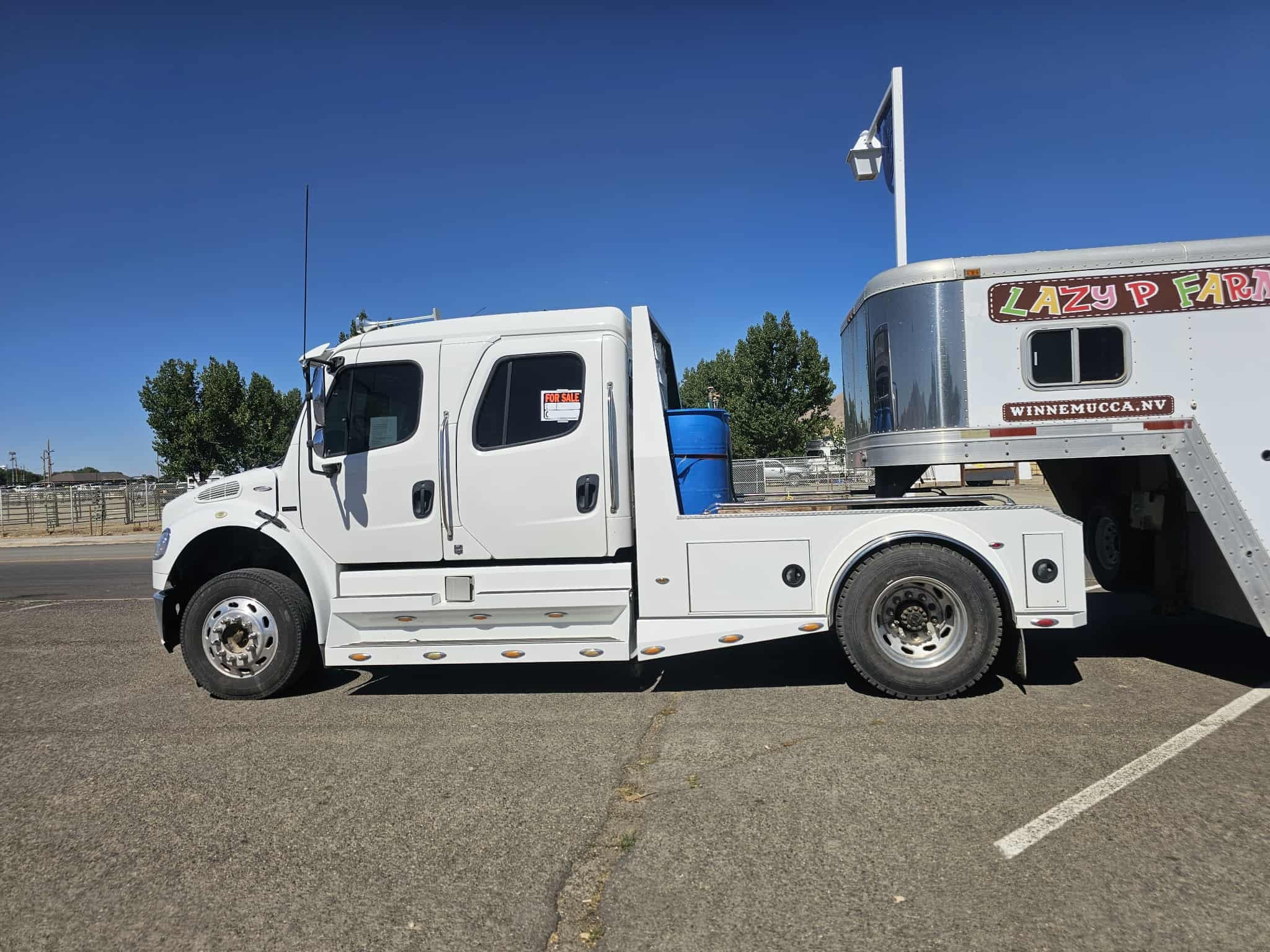
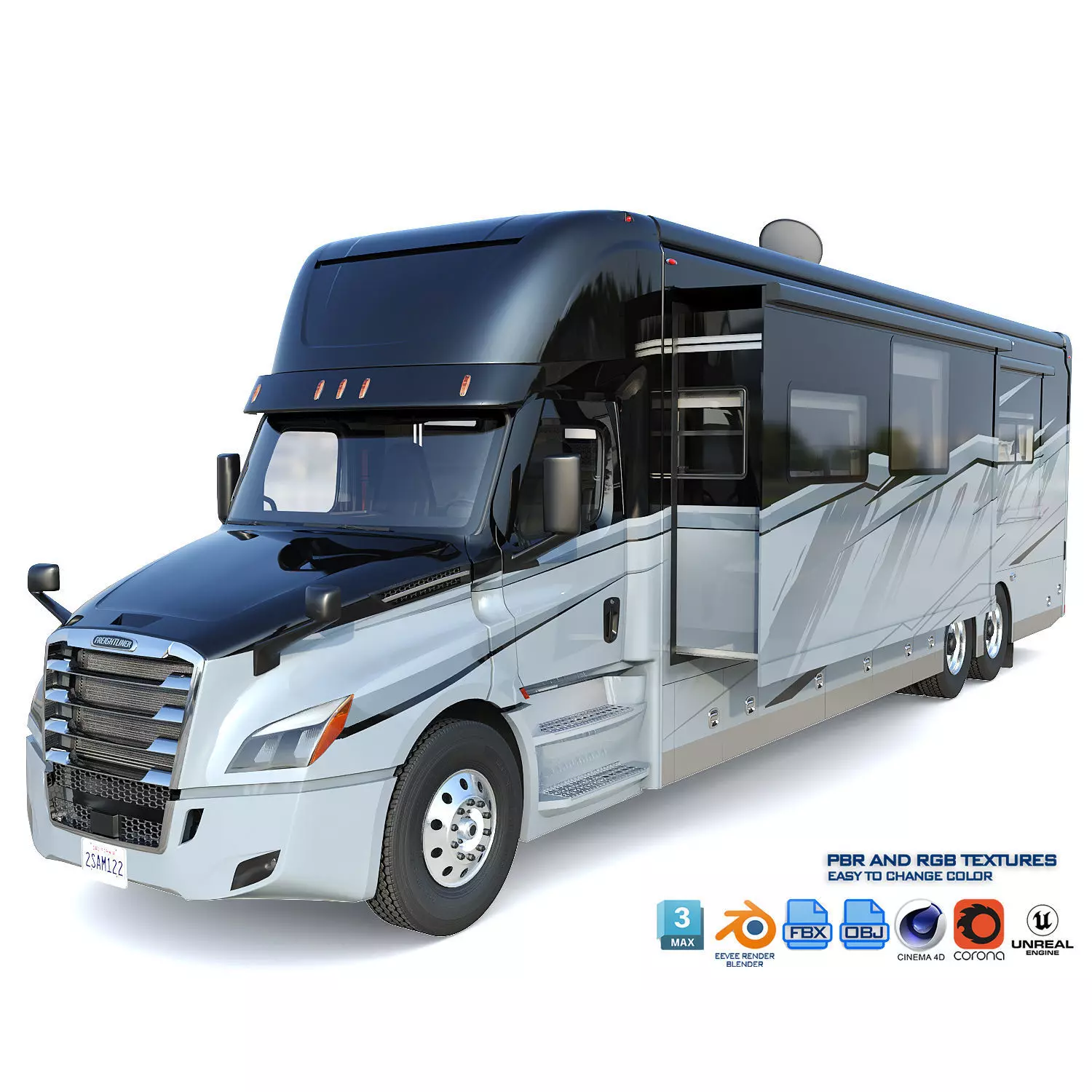
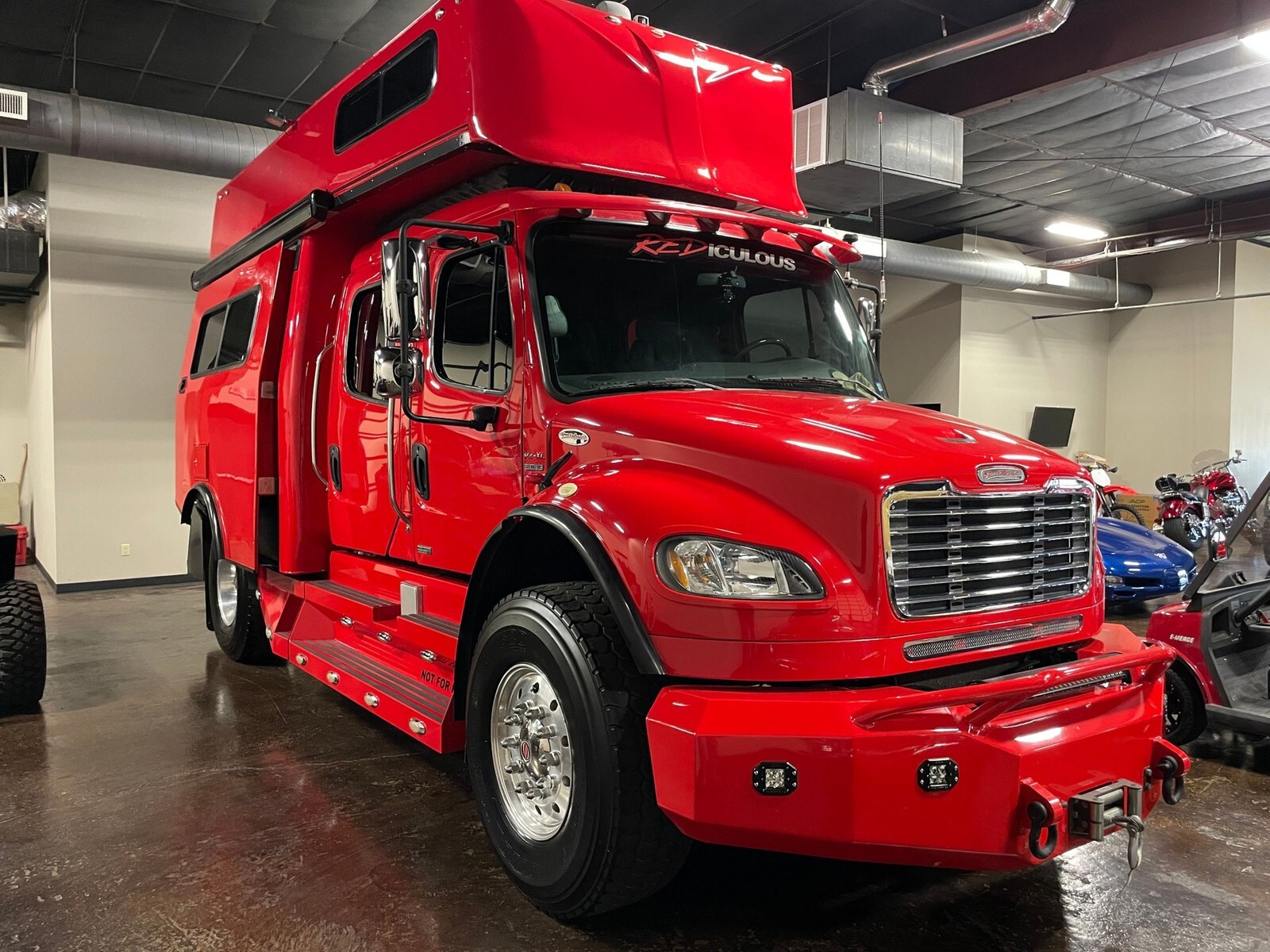
In the world of recreational vehicles, the Freightliner Business Class M2 represents a significant step up from the traditional Ford E-Series or Chevy Express cutaway chassis found in standard Class C motorhomes. As of 2026, the M2 remains the gold standard for the "Super C" segment—a category of motorhomes that combines the "truck-front" cab style with the heavy-duty power and GVWR (Gross Vehicle Weight Rating) typically reserved for commercial freight.
The M2 was originally designed for medium-duty commercial applications, such as delivery trucks and fire engines. Its adaptation into the RV world was driven by a demand for vehicles that could carry heavier luxury interiors while towing massive trailers, boats, or stacker trailers. Because the M2 is built to endure hundreds of thousands of miles in a commercial environment, its longevity in a recreational context is virtually unmatched. The "conventional cab" design—meaning the engine sits out in front of the driver rather than under or behind them—offers unique advantages in terms of maintenance access and crash protection.
M2 106 vs. M2 112: Selecting the Right Powerhouse
When researching a Freightliner M2 RV, you will encounter two primary designations: the M2 106 and the M2 112. These numbers refer to the "Bumper to Back of Cab" (BBC) measurement in inches. While they look similar from the outside, the capabilities under the hood and the structural ratings differ significantly.
The Freightliner M2 106
The M2 106 is the most common variant used in the Super C market. It is typically equipped with the Cummins B6.7 or the Cummins L9 engine. In its RV configuration, the L9 often produces up to 360 horsepower and 1,150 lb-ft of torque. This model is the workhorse for popular brands like Jayco, Entegra, and the Dynamax Force or DX3. It provides a massive upgrade in stability and braking over smaller chassis, supporting GVWRs ranging from 33,000 to over 40,000 pounds depending on the axle configuration.
The Freightliner M2 112
The M2 112 is the "heavyweight" champion. The longer BBC allows for a larger engine compartment, which is necessary to house the Detroit DD13 engine. As of 2026, the DD13 in an RV application can deliver upwards of 500-525 horsepower and a staggering 1,850 lb-ft of torque. This chassis is preferred for top-tier Super Cs like the Renegade Classic or Newmar Supreme Aire. If your travel plans involve towing more than 20,000 pounds through high-altitude mountain passes, the M2 112 is the necessary choice.
Powertrain and Performance Specifications
The M2's dominance is largely due to its integration of heavy-duty powertrains that are far more robust than those found in consumer-grade trucks. The partnership between Freightliner, Cummins, Detroit Diesel, and Allison Transmission creates a drivetrain capable of continuous operation under heavy loads.
Engines and Torque
Torque is the critical metric for RVers, as it determines the vehicle's ability to get a heavy load moving and maintain speed on inclines. The Cummins L9 (found in many M2 106 builds) uses a variable geometry turbocharger (VGT) to provide quick response and excellent braking horsepower. The Detroit DD13 (M2 112) utilizes BlueTec emissions technology and a high-pressure common-rail fuel system to maximize efficiency while providing the massive low-end grunt required for 30,000-pound towing capacities.
Allison Transmission Integration
Almost all Freightliner M2 RVs are paired with an Allison 3000 or 4000 Series TRV (Transmission Recreational Vehicle) automatic transmission. Unlike the transmissions in light-duty trucks, these are fully automatic torque-converter transmissions designed for commercial use. They feature "Generation 5" or newer adaptive controls that learn your driving style and optimize shift points for fuel economy or power. The 4000 series, specifically paired with the M2 112, is built to handle the extreme torque of the DD13 without the overheating issues common in smaller gearboxes.
Safety Systems and Driver Assistance
One of the most compelling reasons to choose an M2-based RV over a traditional Class A diesel pusher is the safety profile of the "conventional" truck cab. In an M2, the driver and passenger are protected by a significant amount of steel and engine mass in front of the seating area.
Detroit Assurance 5.0
By 2026, the Detroit Assurance suite of safety technology has become a standard expectation in the Super C market. This system includes:
- Active Brake Assist: Uses radar and camera technology to detect moving or stationary objects in the vehicle's path, automatically applying the brakes to mitigate or avoid a collision.
- Adaptive Cruise Control: Maintains a set following distance from the vehicle ahead, down to 0 mph, which is a massive fatigue-reducer in stop-and-go traffic.
- Lane Departure Warning: Alerts the driver via audible and visual cues if the vehicle drifts out of its lane without a turn signal.
- Side Guard Assist: Detects objects in the passenger-side blind spot, protecting cyclists and smaller vehicles during right-hand turns.
Braking and Suspension
The M2 utilizes full air brakes rather than the hydraulic systems found on smaller chassis. Air brakes offer more consistent stopping power and are less prone to "fade" during long mountain descents. Furthermore, the M2 RV chassis almost always features rear air-ride suspension (such as the Freightliner Airliner system), which provides a smoother ride for the house structure and allows for "dumping" the air to lower the rear of the coach for easier leveling at campsites.
Technical Comparison of M2 Configurations
The following table outlines the typical specifications for the M2 chassis as applied to the 2026 RV market.
| Feature | Freightliner M2 106 (Mid-Range) | Freightliner M2 112 (High-End) |
|---|---|---|
| Typical Engine | Cummins L9 | Detroit DD13 |
| Horsepower | 350 - 360 HP | 450 - 525 HP |
| Peak Torque | 1,050 - 1,150 lb-ft | 1,550 - 1,850 lb-ft |
| Transmission | Allison 3200 TRV | Allison 4000 TRV |
| Max Towing | 15,000 - 20,000 lbs | 20,000 - 30,000 lbs |
| Braking System | Full Air Brakes | Full Air Brakes |
| Front Axle | 12,000 - 16,000 lbs | 16,000 - 20,000 lbs |
| Rear Axle | 21,000 - 23,000 lbs (Single) | 40,000 lbs (Tandem Option) |
Maintenance and the Service Network Advantage
A primary headache for RV owners is finding a shop capable of working on a large motorhome. Owners of Freightliner M2 RVs have a distinct advantage here: the Oasis Network. Freightliner maintains a specialized network of service centers designed specifically to accommodate RVs, offering dedicated bays, hookups, and technicians trained in both the commercial chassis and the nuances of recreational vehicles.
Because the M2 is a high-volume commercial vehicle, parts like alternators, belts, sensors, and brake components are stocked at virtually every heavy truck parts counter in North America. This availability drastically reduces "down-time" during cross-country trips. Unlike a custom Class A chassis where a broken windshield or a proprietary headlight can take weeks to source, the M2 uses standardized commercial components that are readily available.
Interior Ergonomics and Cab Experience
While the M2 is a commercial beast, RV manufacturers go to great lengths to "civilize" the interior. In a 2026 model, you can expect:
- Air-Ride Seats: Both driver and passenger seats are typically mounted on air-suspension pedestals, which absorb the road vibrations that the chassis suspension might miss.
- Sound Insulation: Premium manufacturers add extra layers of Dynamat or similar sound-deadening material to the floor and firewall to reduce engine noise.
- Modern Infotainment: Most M2 cabs now feature digital instrument clusters and large touchscreen displays integrated with Apple CarPlay, Android Auto, and multi-camera monitoring systems (rear, side-view, and sometimes 360-degree bird's-eye views).
- Ease of Access: The M2 features wide-opening doors and well-placed grab handles. However, it is important to note that there is a significant "hump" between the cab seats and the living area, which requires a bit of agility to navigate compared to the flat floor of a Class A motorhome.
Practical Considerations and Limitations
Despite its many strengths, the M2 is not the perfect solution for every traveler. Prospective owners should be aware of a few trade-offs.
- Turning Radius: Due to the length of the hood and the wheelbase required for heavy towing, the M2 has a wider turning circle than a similarly sized Class A diesel pusher or the Freightliner S2RV (a front-engine diesel chassis designed specifically for RVs with a swept-back front axle).
- Cab-to-House Transition: Because the cab is a separate steel structure from the "house" part of the RV, there is often a step up or a narrow passageway between the driving area and the living quarters.
- Ride Quality: When empty or lightly loaded, a heavy-duty M2 112 can feel stiff. The suspension is designed to perform best when the vehicle is at its rated GVWR.
Frequently Asked Questions
Is a CDL required to drive a Freightliner M2 RV?
In most U.S. states, a Commercial Driver's License (CDL) is not required for personal use of a recreational vehicle, regardless of weight. However, some states (such as Texas, California, and Pennsylvania) require a "Non-Commercial Class A or B" license if the GVWR exceeds 26,000 pounds. You should verify the specific requirements of your state of residency.
What is the average fuel mileage for an M2 Super C?
Fuel economy varies based on load and driving habits, but most M2 106 models with the Cummins L9 engine see between 7 and 10 miles per gallon. The more powerful M2 112 with the DD13 engine typically averages between 6 and 8 mpg, especially when towing heavy trailers.
Can the Freightliner M2 be serviced at any truck stop?
While most truck stops (like Love's or Pilot/Flying J) can perform basic oil changes and tire services, more complex mechanical or warranty work should be handled by a Freightliner dealer, preferably one in the Oasis Network, to ensure the technician is familiar with RV-specific clearances and requirements.
How does the M2 compare to the Freightliner S2RV?
The S2RV is a "purpose-built" RV chassis that sits between the smaller cutaways and the heavy-duty M2. The S2RV offers a better turning radius and a lower center of gravity but is generally limited to the Cummins B6.7 engine and lower towing capacities (usually 10,000–12,000 lbs). The M2 is the choice for those who need maximum durability and towing power.
Final Recommendation for Prospective Buyers
If your travel style involves long-distance hauling, heavy towing, or a desire for the highest levels of passive safety, the Freightliner M2 is the definitive choice. When choosing between the 106 and 112, evaluate your towing needs: if you are under 15,000 pounds, the M2 106 is more than sufficient and slightly more maneuverable. For those pulling 20,000 pounds or more, the M2 112 with the Detroit DD13 engine is the only way to ensure a stress-free experience on the road.
Image Gallery