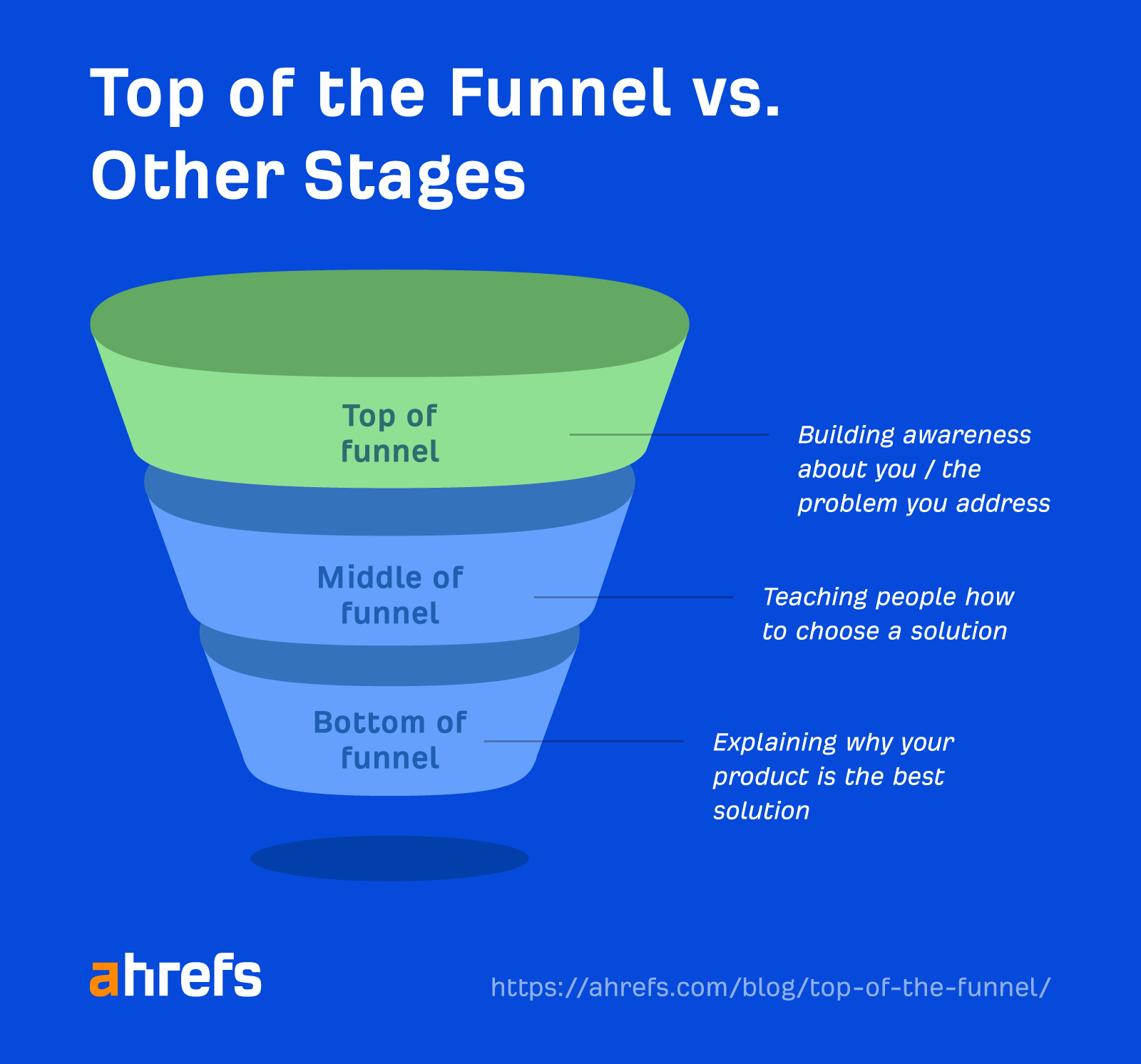
The Ad Funnel Stages Explained: A Strategic Guide to Modern Conversion Marketing
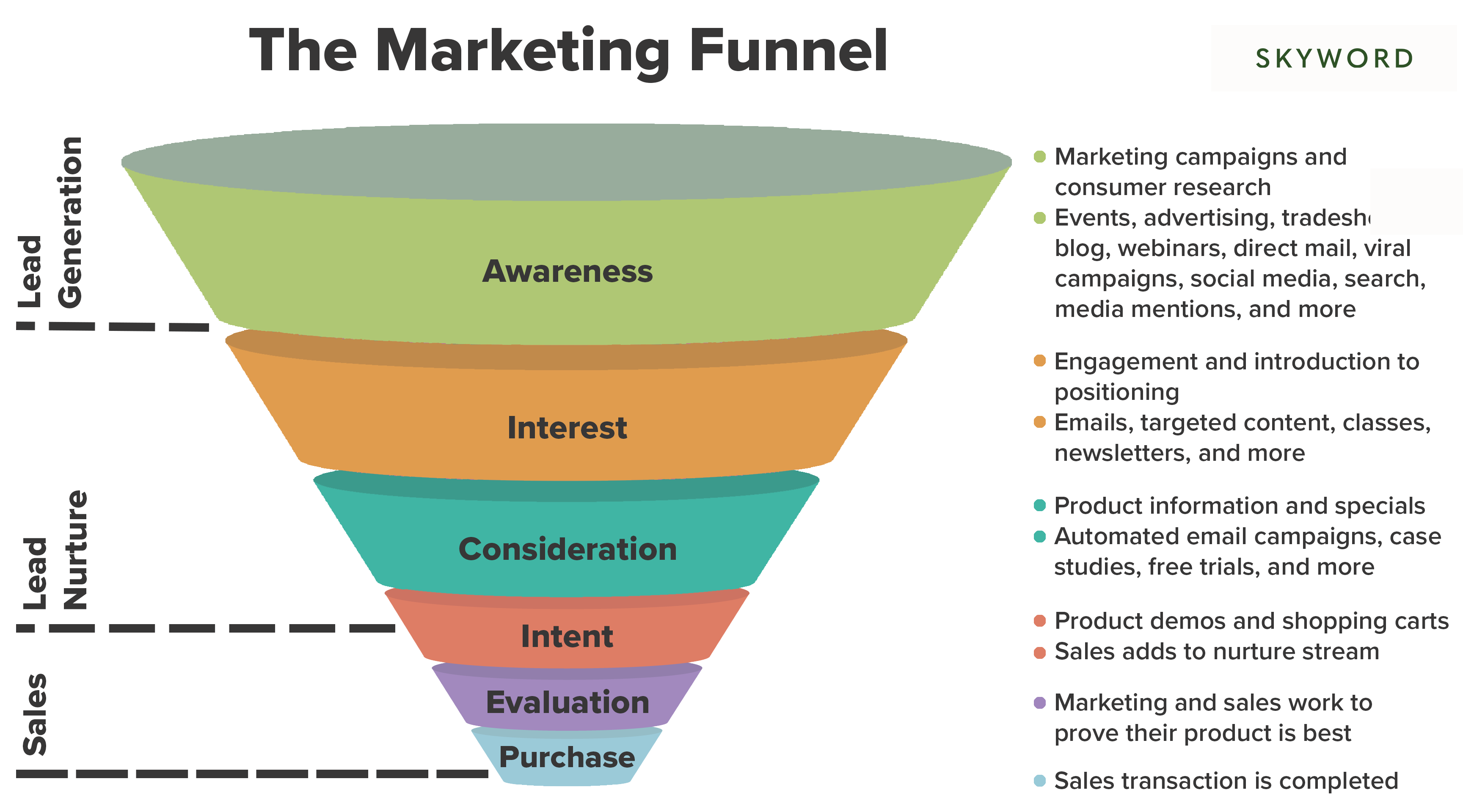
The advertising funnel is a conceptual framework that maps the customer journey from the first moment of brand awareness to the final purchase and beyond. It categorizes consumer interactions into distinct stages—Top (Awareness), Middl...
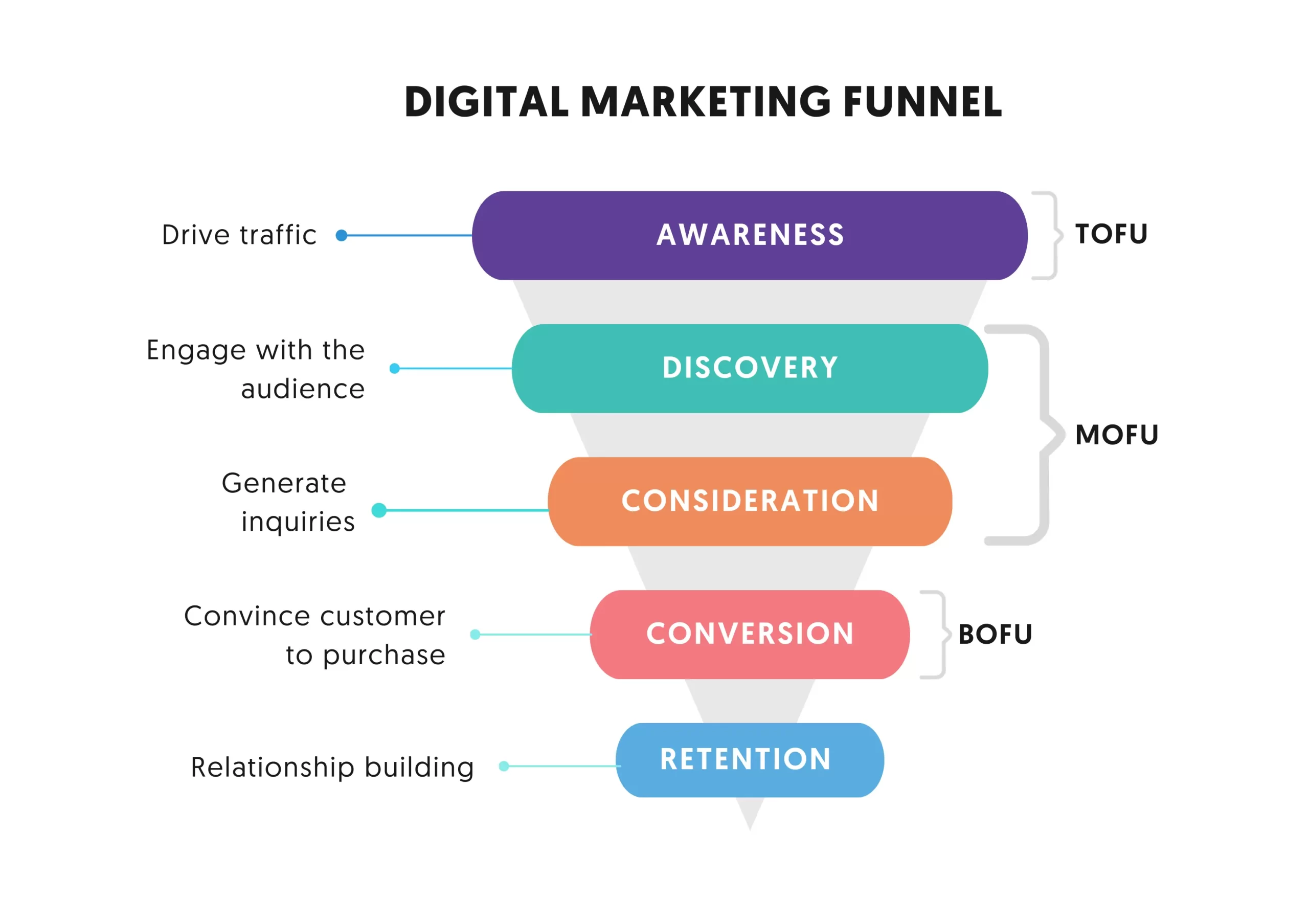
The advertising funnel is a conceptual framework that maps the customer journey from the first moment of brand awareness to the final purchase and beyond. It categorizes consumer interactions into distinct stages—Top (Awareness), Middle (Consideration), and Bottom (Conversion)—allowing marketers to tailor messaging and budgets to specific user intents.
Contents
In 2026, the complexity of the digital landscape requires more than a simple linear approach to advertising. While the basic principles of the funnel remain constant, the tools used to navigate them—ranging from predictive AI modeling to privacy-compliant first-party data tracking—have evolved. Understanding the ad funnel is no longer just about moving a lead from point A to point B; it is about creating a cohesive ecosystem that nurtures trust and provides value at every touchpoint.
The Foundation of the Ad Funnel: The AIDA Model
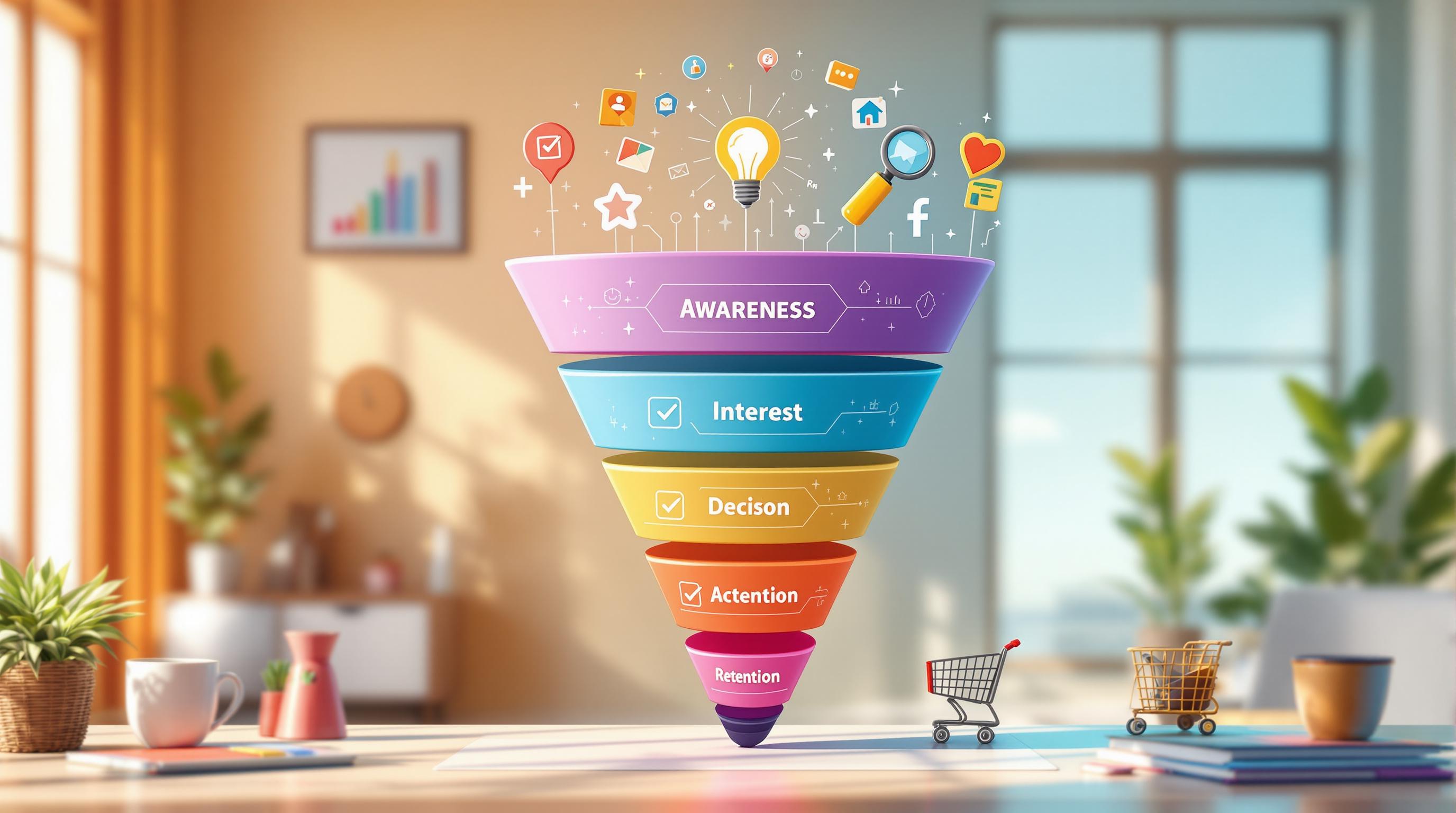
To understand modern funnel architecture, one must first recognize the AIDA model (Attention, Interest, Desire, Action). Developed in the late 19th century, this psychological progression remains the bedrock of persuasive communication.
- Attention: The consumer becomes aware of a category, product, or brand.
- Interest: The consumer learns about the benefits and features of the offering.
- Desire: A preference for the brand develops, moving the consumer from "liking" to "wanting."
- Action: The consumer takes a measurable step, such as making a purchase or signing up for a service.
While AIDA describes the internal psychological state of the consumer, the modern ad funnel translates these states into actionable marketing segments: TOFU, MOFU, and BOFU.
Top of the Funnel (TOFU): The Awareness Stage
The Top of the Funnel is characterized by the widest reach and the lowest intent. At this stage, your audience may not even know they have a problem that needs solving, or they may simply be unaware that your brand exists.
Primary Objectives
The goal here is not an immediate sale. Instead, it is to build brand recall and establish authority. Pushing for a conversion too early at this stage often results in high bounce rates and wasted ad spend.
Effective Ad Formats and Channels
In 2026, TOFU strategies rely heavily on high-impact visual storytelling.
- Short-form Video Ads: Platforms like TikTok, Instagram Reels, and YouTube Shorts are essential for capturing attention in under 15 seconds.
- Influencer Partnerships: Leveraging established trust to introduce a brand to a new demographic.
- Programmatic Display: Using broad targeting based on interests and behaviors rather than specific search queries.
Technical Strategy
At the TOFU stage, success is measured by CPM (Cost Per Mille) and Video Completion Rates. Marketers should focus on "lookalike" audiences or "broad targeting" to cast a wide net while using pixels and Conversions API (CAPI) to track which users engaged enough to be moved to the next stage.
Middle of the Funnel (MOFU): The Consideration Stage
Once a user has engaged with TOFU content, they move into the Middle of the Funnel. This is the most critical and often the most neglected stage. Here, the consumer is actively evaluating their options and comparing your solution against competitors.
Primary Objectives
The objective shifts from reach to engagement and lead generation. You are looking for a "micro-conversion"—an action that signals intent, such as downloading a whitepaper, signing up for a webinar, or spending significant time on a pricing page.
Effective Ad Formats and Channels
- Retargeting Ads: Serving ads specifically to people who visited your site or watched a TOFU video.
- Carousel Ads: Useful for demonstrating multiple features or use cases of a single product.
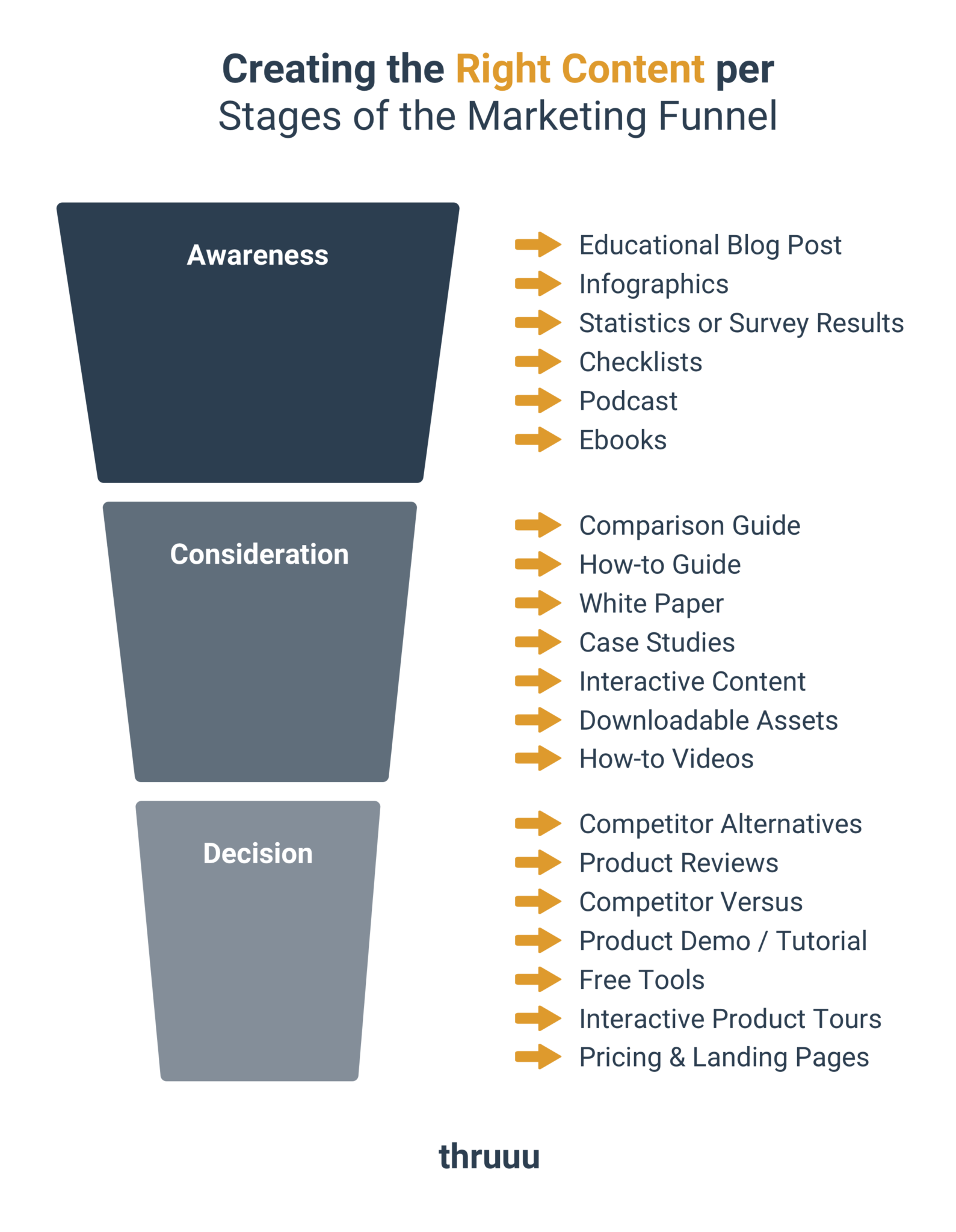
- Educational Content: Lead magnets, case studies, and "How-To" guides promoted via LinkedIn or specialized trade publications.
Technical Strategy
The MOFU stage relies heavily on segmentation. If a user viewed a product page but didn't add to the cart, the ad creative should address specific "pain points" or FAQs. Marketers use CTR (Click-Through Rate) and CPL (Cost Per Lead) as primary KPIs here.
Bottom of the Funnel (BOFU): The Conversion Stage
The Bottom of the Funnel is where the actual transaction occurs. The audience is small, but their intent is high. They know who you are, they know what you do, and they are on the verge of making a decision.
Primary Objectives
The sole objective is Action. This involves removing friction and providing a final "nudge."
Effective Ad Formats and Channels
- Search Engine Marketing (SEM): Bidding on high-intent keywords (e.g., "buy [Product Name] online" or "[Brand] vs [Competitor] price").
- Dynamic Product Ads (DPA): Automatically showing the exact product a user left in their shopping cart.
- Customer Reviews and Social Proof: Using testimonials or "as seen in" media mentions to build final-stage credibility.
Technical Strategy
At BOFU, the focus is on ROAS (Return on Ad Spend) and CPA (Cost Per Acquisition). Precision is key. Advertisers utilize automated bidding strategies, such as Google’s "Maximize Conversions" or Meta’s "Advantage+ Shopping," which use machine learning to identify users most likely to convert within the specific timeframe.
Post-Funnel: Retention and Advocacy
Modern marketing does not end at the transaction. The most profitable companies treat the funnel as a Flywheel, where the "Action" stage feeds back into awareness through referrals and repeat purchases.
- Retention Ads: Targeting existing customers with loyalty discounts or subscription renewals.
- Cross-sell/Up-sell: Showing complementary products based on purchase history.
- UGC Campaigns: Encouraging customers to share their experiences, which creates authentic TOFU content for new prospects.
Comparing the Stages: A Strategic Overview
The following table summarizes the key differences in strategy and measurement across the primary ad funnel stages.
| Funnel Stage | Audience Intent | Primary Ad Format | Key Performance Indicator (KPI) | Psychological Goal |
|---|---|---|---|---|
| TOFU (Awareness) | Low / Exploratory | Video, Social Display | Reach, CPM, Completion Rate | Awareness & Recall |
| MOFU (Consideration) | Medium / Evaluative | Carousel, Lead Forms | CTR, CPL, Time on Site | Trust & Education |
| BOFU (Conversion) | High / Transactive | Search, DPA, Remarketing | ROAS, CPA, Conversion Rate | Confidence & Action |
| Post-Purchase | Loyal / Recurrent | Email, SMS, Retargeting | LTV, Churn Rate, Referral Rate | Loyalty & Advocacy |
Technical Implementation and Attribution in 2026
In 2026, the technical side of the ad funnel is heavily influenced by the deprecation of third-party cookies and the rise of privacy-first tracking. To effectively manage a multi-stage funnel, organizations must implement a robust First-Party Data strategy.
Server-Side Tracking
Standard browser-based pixels are no longer sufficient for tracking a user's journey through the funnel. Implementing server-side tracking (like Meta Conversions API or Google's Server-Side Tag Manager) ensures that data flows directly from your server to the ad platform, bypassing browser limitations and improving attribution accuracy.
Media Mix Modeling (MMM) vs. MTA
Because users often interact with ads across multiple stages (e.g., seeing a TikTok ad, then searching on Google, then clicking a retargeting ad), Multi-Touch Attribution (MTA) has become technically challenging. Many enterprise marketers in 2026 have shifted toward Media Mix Modeling (MMM), which uses statistical analysis to determine the impact of each funnel stage on total revenue, rather than trying to track every individual click perfectly.
Common Mistakes in Funnel Management
Despite the clear structure of the funnel, many businesses fail to see results due to several recurring errors:
- BOFU Obsession: Only running conversion-focused ads. This leads to "ad fatigue" and skyrocketing costs as you compete for a shrinking pool of high-intent users without "warming up" new prospects.
- Misaligned Creative: Using a "Buy Now" button on a TOFU video ad. The creative must match the user's current mindset.
- Ignoring Friction: Having a perfect funnel that leads to a slow, non-mobile-responsive landing page. The technical performance of the destination is just as important as the ad itself.
- Over-Segmentation: Creating so many sub-stages that the ad platform's AI doesn't have enough data to optimize effectively.
Frequently Asked Questions
Can I run a campaign with only one funnel stage?
Technically, yes, especially for low-cost impulse buys. However, for high-ticket items or B2B services, a single-stage approach usually results in a high cost-per-acquisition because the "trust gap" hasn't been bridged. Most successful long-term brands run "always-on" campaigns across all three stages.
How long does it take for a user to move through the funnel?
The "sales cycle" varies by industry. For consumer goods, it may be minutes. For enterprise software, it can be 6 to 18 months. Tracking your Time to Conversion in your analytics platform is essential for setting the right retargeting windows.
Is the ad funnel still relevant with AI-driven marketing?
Yes, but the way we interact with it has changed. Instead of manually moving people between stages, we now feed AI platforms "signals" (like Page Views or Leads). The AI then uses these signals to identify where a user sits in the funnel and serves the appropriate creative dynamically.
What is the most important metric for a healthy funnel?
While ROAS is the ultimate goal, Blended ROAS (total revenue divided by total ad spend across all stages) is the best indicator of a healthy funnel. Looking at a single stage in isolation often leads to poor strategic decisions.
Should my budget be split equally across TOFU, MOFU, and BOFU?
A common starting point is the 60/20/20 rule: 60% of budget for Awareness (to fill the funnel), 20% for Consideration, and 20% for Conversion. However, this should be adjusted based on your brand's current market penetration and historical data.
Final Recommendations for 2026
To master the ad funnel in the current landscape, focus on creative diversification and data integrity. Ensure that your TOFU content is genuinely entertaining or helpful, rather than just a sales pitch. Simultaneously, audit your technical setup to ensure you are capturing first-party data via server-side APIs. By respecting the customer's journey and providing the right information at the right time, you decrease friction and increase the long-term efficiency of your advertising spend.
Image Gallery