Understanding the POD Savings Bonds Landscape: A Comprehensive Guide for 2026
A Payable on Death (POD) designation on a U.S. Savings Bond allows the owner to name a specific beneficiary who will inherit the asset automatically upon the owner's death. This arrangement bypasses the lengthy and often expensive prob...
A Payable on Death (POD) designation on a U.S. Savings Bond allows the owner to name a specific beneficiary who will inherit the asset automatically upon the owner's death. This arrangement bypasses the lengthy and often expensive probate process, ensuring that Series I or Series EE bonds transition directly to the intended recipient with minimal administrative friction.
Contents
The landscape of U.S. Savings Bonds has undergone significant digital transformation, yet the fundamental principles of the POD designation remain a cornerstone of effective estate planning. As of 2026, millions of Americans utilize POD designations to manage billions of dollars in federal debt securities. Understanding the technical nuances—from registration types to federal tax liabilities—is essential for both bond owners and their designated beneficiaries.
The Fundamentals of POD Savings Bonds
In the context of U.S. Treasury securities, a POD bond is a form of registration that establishes clear survivorship rights. Unlike "Co-ownership," where two individuals have equal rights to cash the bond while both are alive, a POD registration keeps the primary owner in total control during their lifetime. The beneficiary has no legal claim to the bond’s value until the primary owner passes away.
Series I and Series EE Bonds
Most modern POD designations apply to Series I (inflation-indexed) and Series EE (fixed-rate) bonds.
- Series I Bonds: These are designed to protect the purchasing power of your money by combining a fixed rate of return with a variable inflation rate (the semiannual inflation rate, or CPI-U).
- Series EE Bonds: These are traditional savings bonds that the Treasury guarantees will double in value if held for 20 years, effectively offering a predictable long-term yield.
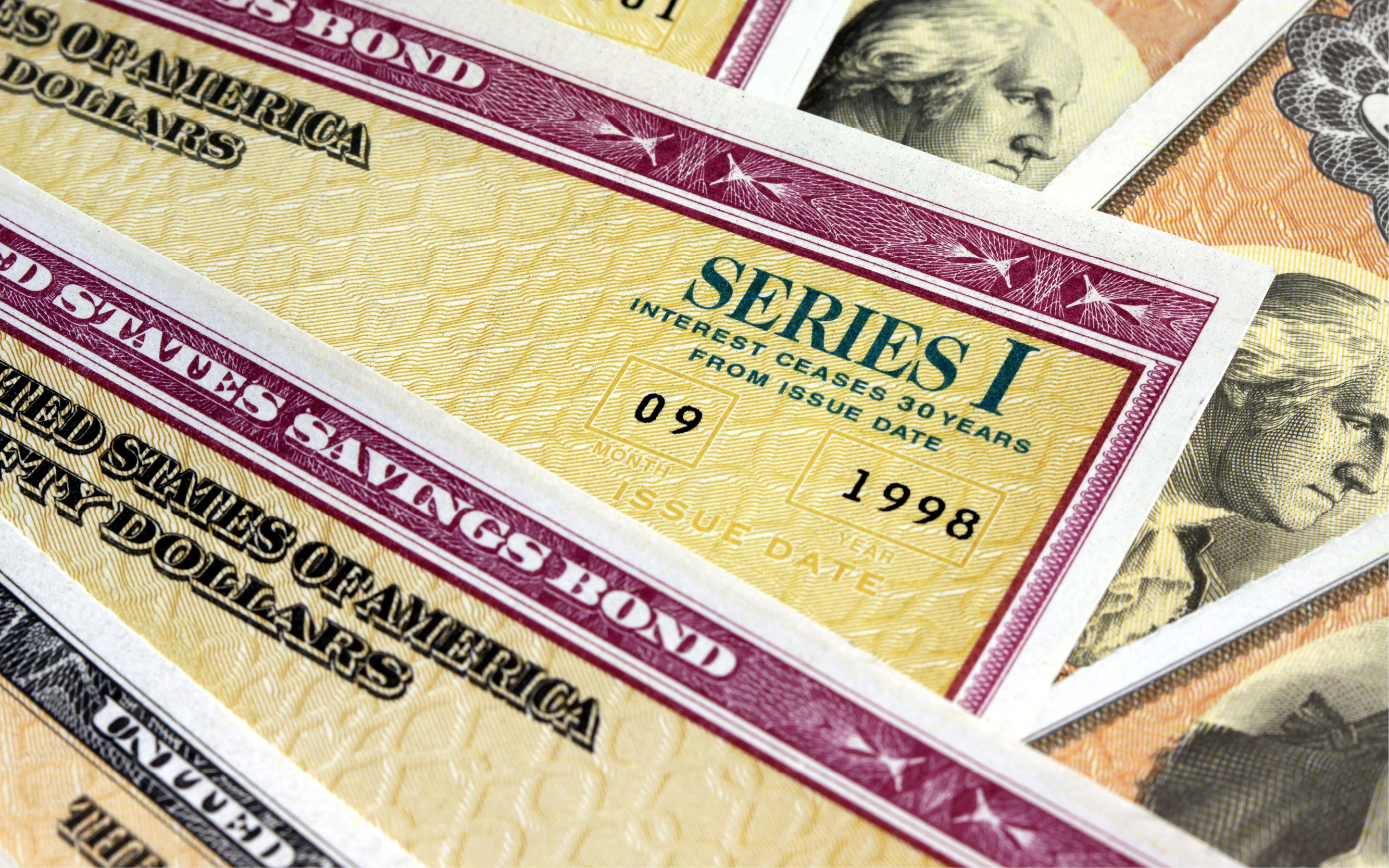
In 2026, the vast majority of these bonds are held in electronic form via TreasuryDirect, although billions in "legacy" paper bonds still exist in private safes and safety deposit boxes across the country. The POD rules apply to both formats, though the method for claiming them differs significantly.
The Legal and Estate Planning Advantages
The primary reason investors choose the POD designation is probate avoidance. Probate is the court-supervised process of distributing a deceased person's assets. It can take months or years and often incurs legal fees that eat into the estate's value.
Direct Transfer of Assets
Because the POD designation is a contractual agreement between the bond owner and the U.S. Treasury, the bond is considered a "non-probate asset." Upon the owner’s death, the beneficiary simply needs to prove the owner’s death and their own identity to take control of the funds. This provides immediate liquidity to survivors, which can be crucial for covering funeral costs or immediate living expenses.
Maintenance of Privacy
Probate records are public. By using a POD designation, the transfer of wealth remains a private matter between the beneficiary and the Treasury Department. No public filing is required to move the bond from the deceased's estate to the beneficiary’s account.
Technical Requirements for POD Registration
To establish a POD bond in 2026, the registration must follow specific Treasury guidelines. The standard format for a POD registration is: "[Owner Name], payable on death to [Beneficiary Name]."
Prerequisites for Registration
- Social Security Numbers: You must have the Social Security Number (SSN) or Taxpayer Identification Number (TIN) for both the owner and the beneficiary.
- TreasuryDirect Account: For electronic bonds, both parties generally need a TreasuryDirect account to facilitate a seamless transfer, though a beneficiary can often create one at the time of claim.
- Naming Constraints: Only one individual can be named as a POD beneficiary per bond. You cannot name "my three children" as POD beneficiaries on a single bond; instead, you would need to purchase three separate bonds and name one child on each.
Paper vs. Electronic Bonds
If you hold paper bonds issued decades ago, the POD beneficiary is listed directly on the face of the bond. If you wish to change this beneficiary today, you cannot simply cross out the name. You must submit FS Form 4000 to the Bureau of the Fiscal Service to have the bond reissued in electronic form with the updated information.
Tax Implications for Owners and Beneficiaries
A common misconception in the POD savings bonds landscape is that the transfer of ownership is a "tax-free" event. While the transfer itself does not usually trigger a gift tax, the accumulated interest is subject to federal income tax.
Federal Income Tax
Savings bonds are unique because the interest is typically deferred until the bond is cashed or reaches final maturity.
- If the Owner Dies: The interest earned up to the date of death can be reported on the deceased's final income tax return, or it can be "pushed forward" to the beneficiary.
- The Beneficiary’s Responsibility: If the beneficiary chooses to have the bond reissued in their name, they inherit the tax liability for all interest earned since the bond was originally purchased. When they eventually cash the bond, they will receive a 1099-INT for the entire duration of the bond's life.
Estate and Inheritance Taxes
While savings bonds are exempt from state and local income taxes, they are not exempt from federal estate taxes or state inheritance taxes. The fair market value of the bond at the time of the owner's death is included in the owner's gross estate for tax calculation purposes.
How to Claim POD Bonds in 2026
The process for claiming a POD bond depends on whether the bond is electronic or paper. The Bureau of the Fiscal Service has streamlined these processes to be almost entirely digital.
Step 1: Verification of Death
The beneficiary must obtain a certified copy of the owner's death certificate. In 2026, many jurisdictions provide electronic verification, but the Treasury may still require a physical or high-resolution digital upload depending on the bond's value.
Step 2: The TreasuryDirect Process
For electronic bonds:
- Log in to your TreasuryDirect account (or create one).
- Navigate to the "ManageDirect" tab.
- Select "Notify us of a deceased owner."
- Follow the prompts to upload the death certificate and request the transfer of the specific bonds into your account.
Step 3: Dealing with Paper Bonds
For paper bonds, the beneficiary must mail the physical bonds along with FS Form 5336 (Adjudication of Debt) to the Treasury Retail Securities Services. It is highly recommended to use certified mail, as lost paper bonds are notoriously difficult to replace during the probate-adjacent transition.
Comparing Ownership Types
Understanding the landscape requires distinguishing POD from other common registration types.
| Feature | Single Owner | Co-owner (OR) | POD Beneficiary |
|---|---|---|---|
| Lifetime Control | 100% Owner | Either person can cash | 100% Owner |
| Probate Required? | Yes | No (survivor takes over) | No (beneficiary takes over) |
| Tax Liability | Owner | Either/Both | Owner (then Beneficiary) |
| Access to Funds | Owner only | Either person | Owner only until death |
| Ease of Change | Easy | Requires Co-owner consent | Easy (Owner only) |
Common Mistakes and Troubleshooting
Navigating the POD landscape is not without its pitfalls. Avoiding these common errors can save months of administrative delays.
1. Predeceased Beneficiaries
If the named POD beneficiary dies before the bond owner, the POD designation becomes null and void. If the owner then passes away without updating the bond, the asset will be forced into the owner's estate and must go through probate. It is critical to review POD designations every few years or after major life events.
2. Incomplete Information
Inaccurate SSNs or misspelled names on the registration can lead to "frozen" assets. The Treasury requires a high degree of identity verification. If the beneficiary's name has changed (e.g., through marriage) since the bond was issued, they will need to provide legal documentation (like a marriage certificate) at the time of the claim.
3. Forgetting Paper Bonds
Many families discover paper bonds decades after the owner has passed. If the owner and the POD beneficiary are both deceased, the bonds belong to the estate of the last person to die. This often creates a complex legal chain that requires "Small Estate Affidavits" or formal probate court intervention.
Frequently Asked Questions
Can I name a trust as a POD beneficiary?
Yes, you can name a living trust as the beneficiary of a savings bond. This is often done to ensure the bonds are managed according to the terms of the trust rather than being handed directly to an individual. In TreasuryDirect, you would register the bond as "Owner Name, POD to [Trust Name]."
Does the beneficiary have to pay the owner's debts with the bond?
Generally, no. Because POD bonds pass outside of probate, they are typically not considered part of the "probate estate" that creditors can reach. However, if the rest of the estate is insolvent, some states have "augmented estate" laws that allow creditors to pursue non-probate assets. Consult a legal professional for specific jurisdictional rules.
How long does it take to receive funds after a claim?
For electronic bonds, once the documentation is verified, the transfer to the beneficiary’s TreasuryDirect account usually occurs within 2 to 4 weeks. For paper bonds being cashed via mail, the process can take 6 to 12 weeks depending on the current backlog at the Bureau of the Fiscal Service.
Can a POD designation be challenged by other heirs?
It is very difficult to challenge a POD designation. Since it is a federal contract, it usually supersedes a person's Will. To successfully challenge it, an heir would typically have to prove that the owner was under "undue influence" or lacked the mental capacity to make the designation at the time of purchase or reissue.
What happens if I find a bond with no POD beneficiary?
If a bond has only one owner and no beneficiary, it is a "Single Ownership" bond. Upon the owner’s death, it becomes part of their estate. If the estate is small, you may be able to use a simplified state process (Small Estate Affidavit) to claim it; otherwise, it must go through formal probate.
Strategic Recommendation
For investors in 2026, the most efficient way to manage the POD savings bonds landscape is to convert all legacy paper bonds to electronic form immediately. This process, known as "SmartExchange" within the TreasuryDirect system, centralizes your holdings and allows you to update or change POD beneficiaries with a few clicks rather than a mountain of paperwork. Ensure that your beneficiaries are aware of the bonds' existence and know where to find your TreasuryDirect account number, as the Treasury does not proactively notify beneficiaries upon an owner's death.
Image Gallery