Will Life Insurance Put Me in a Different Tax Bracket?
Generally, life insurance payouts to beneficiaries are income tax-free, meaning they will not push you into a higher tax bracket, nor will they be considered taxable income by the Internal Revenue Service (IRS). However, the tax implic...
Generally, life insurance payouts to beneficiaries are income tax-free, meaning they will not push you into a higher tax bracket, nor will they be considered taxable income by the Internal Revenue Service (IRS). However, the tax implications of life insurance are nuanced depending on whether you are the policyholder receiving benefits, an owner of a cash-value policy, or someone withdrawing funds while the policy is active.
Contents
Understanding Taxable vs. Non-Taxable Life Insurance Events
To determine if life insurance affects your tax bracket, you must distinguish between the death benefit and the internal financial mechanics of permanent policies. In most standard scenarios, the primary purpose of life insurance is financial protection for beneficiaries, which the tax code treats favorably.
Death Benefit Exclusions
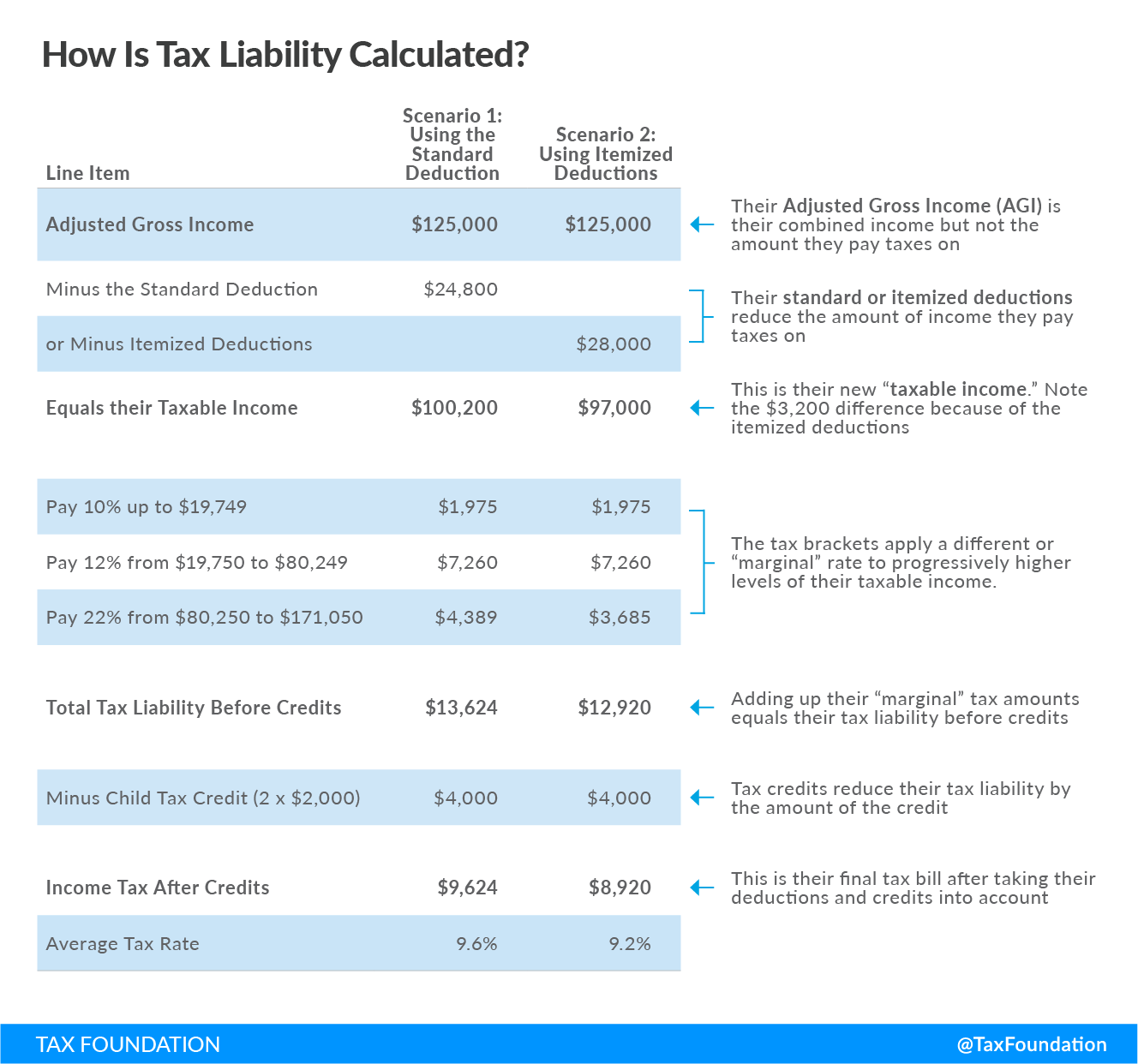
The most common concern regarding life insurance and taxes involves the death benefit—the lump sum paid to beneficiaries upon the death of the insured. Under Section 101(a) of the Internal Revenue Code, amounts received under a life insurance contract paid by reason of the death of the insured are generally excluded from gross income. Because this payout is not counted as "gross income," it has no impact on your Adjusted Gross Income (AGI). Consequently, receiving a life insurance death benefit cannot push you into a higher federal income tax bracket.
Cash Value Accumulation
Permanent life insurance policies, such as Whole Life or Universal Life, accumulate "cash value" over time. This internal growth is tax-deferred. As long as the money remains inside the policy, you do not pay taxes on the interest or dividends earned. Because this growth is sheltered from annual taxation, it does not fluctuate your tax bracket on a year-to-year basis.
When Life Insurance Can Impact Your Taxes
While the death benefit is usually tax-free, certain actions taken with permanent life insurance policies can trigger taxable events. If you withdraw funds or surrender your policy, you may encounter scenarios that theoretically affect your tax liability.
Surrendering a Policy
If you choose to surrender a permanent life insurance policy for its cash value, you are entitled to receive the accumulated cash. Taxation occurs only on the "gain"—the amount by which the cash surrender value exceeds your "investment in the contract" (typically the sum of premiums paid). If the payout exceeds your basis, that gain is considered ordinary income. If the gain is substantial, it could, in specific circumstances, elevate your total taxable income enough to push you into a higher tax bracket for that calendar year.
Policy Loans
One of the primary benefits of cash-value insurance is the ability to borrow against the policy. Policy loans are generally not considered taxable income, provided the policy remains in force. However, if a policy lapses or is surrendered while a loan is outstanding, the IRS may treat the loan balance as a "deemed distribution," which could trigger a significant tax bill. This lump sum of taxable income could potentially alter your tax bracket in the year the policy lapses.
Modified Endowment Contracts (MECs)
If you fund a policy too aggressively—paying more into the policy than the tax law allows within the first seven years—the policy may be classified as a Modified Endowment Contract (MEC). Unlike standard life insurance, withdrawals from a MEC are subject to "last-in, first-out" (LIFO) accounting and potential 10% penalties for those under age 59½. Because these withdrawals are taxed as ordinary income, they represent a legitimate risk to your annual tax bracket status.
Comparative Tax Treatment of Life Insurance Scenarios
The following table outlines how different life insurance interactions interact with your taxable income status.
| Event Type | Taxability Status | Potential Impact on Tax Bracket |
|---|---|---|
| Death Benefit Payout | Tax-Free | None |
| Policy Loan (Active Policy) | Non-Taxable | None |
| Cash Value Growth | Tax-Deferred | None (Annual) |
| Partial Withdrawal (Basis) | Tax-Free | None |
| Withdrawal (Above Basis) | Taxable (Ordinary Income) | Potential Increase |
| Surrendering Policy (Gain) | Taxable (Ordinary Income) | Potential Increase |
| Dividend Distributions | Generally Tax-Free | None |
Estate Taxes and Ownership
For high-net-worth individuals, the issue is often not the income tax bracket, but the federal estate tax. If you own your life insurance policy, the death benefit is generally included in your gross estate. If your total estate value exceeds the current federal estate tax exemption limits, the death benefit could potentially subject your estate to higher taxation. Many individuals mitigate this risk by utilizing an Irrevocable Life Insurance Trust (ILIT) to remove the policy proceeds from their taxable estate.
Strategic Considerations for Policy Owners
To maintain control over your tax situation, you should focus on the following administrative and financial strategies:
- Monitor Your Basis: Always keep detailed records of the premiums you have paid. Your "cost basis" is your best defense against income taxes on withdrawals.
- Avoid MEC Status: Work with your insurance agent or financial advisor to ensure your premium payments do not inadvertently convert your policy into a Modified Endowment Contract.
- Manage Loans Responsibly: Never treat a policy loan as "free money." Ensure you have a plan to keep the policy in force until death, as the tax consequences of a lapsed policy with a large loan balance can be financially devastating.
- Coordinate with Estate Planning: If you have a large death benefit, consult with an estate planning attorney regarding ownership structures to ensure the payout does not unnecessarily inflate your taxable estate.
Frequently Asked Questions
Does the IRS count life insurance payouts as income? No. Under standard circumstances, the IRS does not consider the death benefit of a life insurance policy as gross income. It is excluded from your annual tax calculation and does not trigger income tax liability.
Will I have to pay taxes if I take money out of my whole life policy? You only pay taxes if you withdraw more than the total amount of premiums you have paid into the policy. Withdrawals up to your basis are tax-free. Anything beyond that is considered a gain and is taxed as ordinary income.
What happens if my life insurance policy is a Modified Endowment Contract (MEC)? If your policy is a MEC, any withdrawals are taxed on a LIFO basis, meaning the interest or gains are withdrawn first and taxed as ordinary income. If you are under 59½, you may also face a 10% penalty on the taxable portion of the withdrawal.
Can I use a policy loan to avoid moving into a higher tax bracket? Yes. Since policy loans are generally not considered taxable income, using a loan instead of a direct withdrawal can help you access liquidity without increasing your adjusted gross income, thereby protecting your tax bracket.
Does a terminal illness payout change my tax situation? If you have an "accelerated death benefit" rider and use it because you are terminally ill, those payments are generally tax-free, mirroring the treatment of the standard death benefit.
Next Steps for Policyholders
If you are concerned about your current policy’s tax implications, retrieve your most recent annual statement. Identify your current cash value, your total cumulative premiums paid, and any outstanding loan balances. If your cash value is significantly higher than your basis, or if you are considering a large withdrawal or surrender, consult a certified tax professional or a fee-only financial planner. These professionals can model the specific impact on your 2026 tax return, ensuring you avoid unintended consequences before executing any financial transaction with your insurer.
Image Gallery