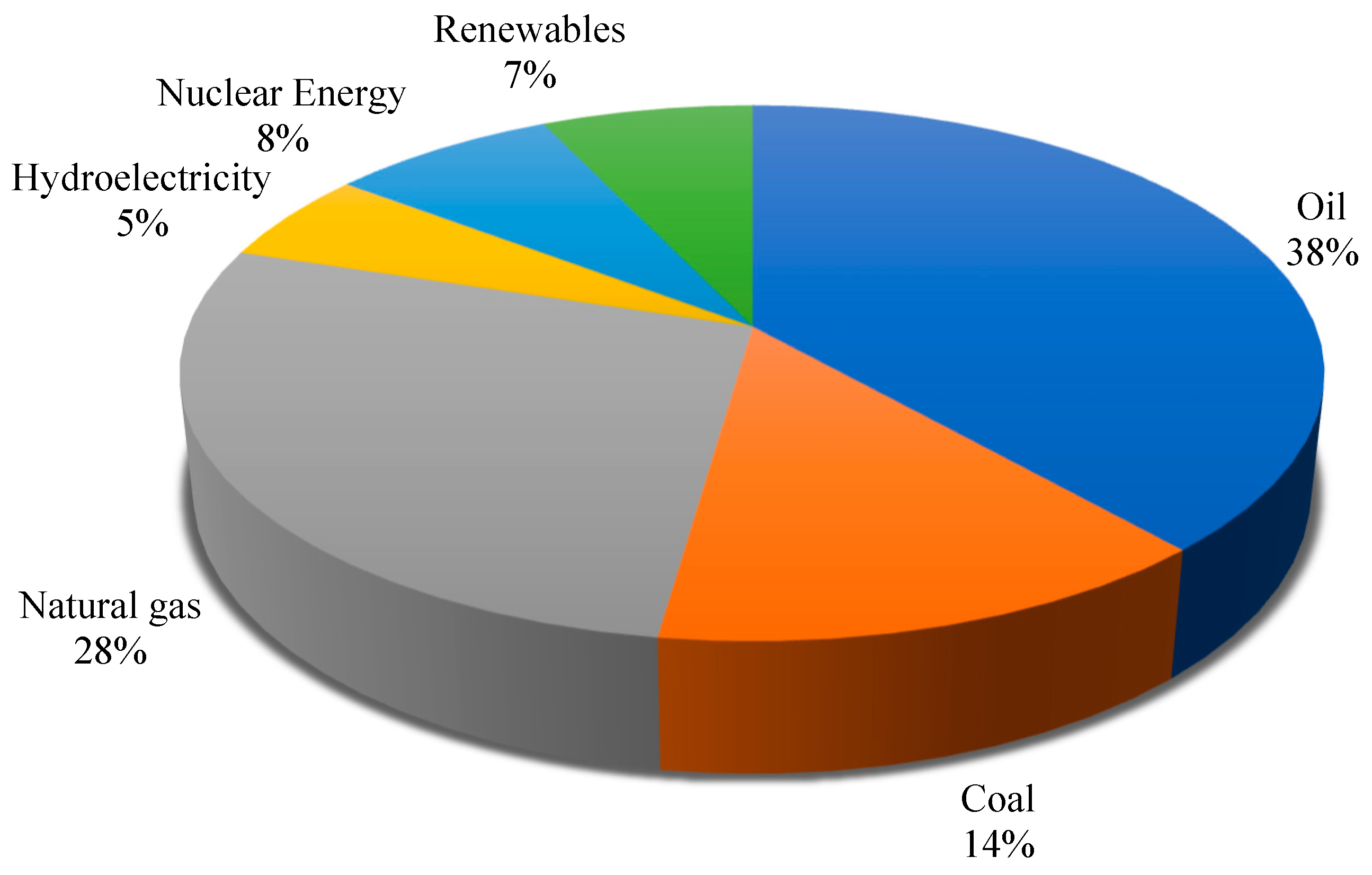
The Role of Coal and Natural Gas in the 2026 Global Energy Transition
In 2026, the global energy transition relies on coal and natural gas as foundational but polarizing components. Coal is rapidly being phased out in developed economies to meet decarbonization targets, while natural gas serves as a crit...
In 2026, the global energy transition relies on coal and natural gas as foundational but polarizing components. Coal is rapidly being phased out in developed economies to meet decarbonization targets, while natural gas serves as a critical "bridge fuel," providing the necessary dispatchable power to balance the inherent intermittency of expanding wind and solar networks.
Contents
The Shifting Landscape: Energy Security vs. Decarbonization
As of 2026, the tension between maintaining energy security and achieving net-zero emissions has reached a critical juncture. The global energy mix is no longer a simple binary between "fossil fuels" and "renewables." Instead, it is a complex integration where coal and natural gas are evaluated based on their carbon intensity, operational flexibility, and geopolitical availability.
The primary driver for this shift is the realization that renewable energy infrastructure, while growing at record paces, often lacks the immediate "firming" capacity required for industrial stability. Consequently, the roles of coal and natural gas have bifurcated. Coal is increasingly viewed as a legacy fuel being managed through "phase-down" strategies, whereas natural gas is being integrated with Carbon Capture, Utilization, and Storage (CCUS) technologies to extend its viability in a low-carbon economy.
Coal’s Paradox: Terminal Decline or Strategic Reserve?
Coal remains the single largest source of CO2 emissions globally, yet its role in 2026 varies significantly by geography. In North America and Western Europe, coal-to-gas switching and plant retirements have accelerated. However, in emerging economies, coal continues to provide the "baseload" power necessary for industrialization.
Phase-down vs. Phase-out in 2026
The distinction between "phasing out" and "phasing down" coal is a defining policy feature of 2026. Most OECD nations have committed to a total phase-out of unabated coal—meaning coal power without carbon capture—by the end of the decade. Conversely, nations with young coal fleets are focusing on Ultra-Supercritical (USC) technology, which operates at higher temperatures and pressures to achieve greater efficiency and lower emissions per megawatt-hour compared to subcritical plants.
The Role of CCUS in Coal Power
To avoid "stranded assets"—power plants that must be shut down before their economic life ends—many operators are retrofitting coal plants with CCUS. In 2026, the focus is on post-combustion capture, where chemical solvents like amines are used to strip CO2 from flue gases. While expensive, these retrofits allow coal to provide high-inertia power to the grid, which helps maintain frequency stability—a technical requirement that pure battery storage systems are still scaling to meet.
Natural Gas as the Contested Bridge to Net Zero
Natural gas is often labeled a "bridge fuel" because it emits approximately 50% less CO2 than coal when combusted for electricity. In 2026, its role has expanded beyond simple power generation into a tool for grid stabilization and a precursor for the hydrogen economy.
Firming Capacity for Intermittent Renewables
As solar and wind provide a larger share of the total energy load, the grid faces "ramping" challenges. When the sun sets or wind speeds drop, power generation must be compensated for instantly. Natural gas-fired Open Cycle Gas Turbines (OCGT) and Combined Cycle Gas Turbines (CCGT) are uniquely suited for this because they can reach full power output in minutes, unlike coal or nuclear plants which have much longer startup times.
The Methane Problem and Satellite Monitoring
The "bridge" status of natural gas is under intense scrutiny in 2026 due to methane leakage. Methane is a potent greenhouse gas, and leaks during extraction and transport can negate the carbon benefits of switching from coal to gas. To address this, the industry has adopted advanced satellite monitoring and "Continuous Emissions Monitoring Systems" (CEMS). Regulators now demand transparent data on methane intensity, forcing producers to implement rigorous Leak Detection and Repair (LDAR) programs to maintain their social license to operate.
Economic and Infrastructure Considerations
The transition is not merely a matter of environmental policy; it is a massive capital reallocation. Investors in 2026 are increasingly wary of long-term coal projects, leading to a higher cost of capital for coal-related debt. Natural gas, while more favored, faces its own risks regarding the long-term viability of pipelines and LNG terminals.
Retrofitting and Repurposing
A significant trend in 2026 is the "Coal-to-X" transition. This involves repurposing the existing infrastructure of retired coal plants—such as grid connections, cooling water systems, and land—for new uses. These include:
- Coal-to-Gas: Replacing coal boilers with gas turbines.
- Coal-to-Storage: Converting coal sites into massive battery arrays or thermal energy storage.
- Coal-to-Nuclear: Utilizing coal sites for Small Modular Reactors (SMRs).
Comparison of Coal and Natural Gas Metrics (2026 Data)
| Metric | Coal (Unabated) | Natural Gas (CCGT) | Natural Gas (with CCUS) |
|---|---|---|---|
| CO2 Intensity (g/kWh) | 850 – 1,050 | 350 – 450 | 40 – 90 |
| Ramp Rate (%/min) | 1% – 3% | 5% – 10% | 3% – 7% |
| Levelized Cost (LCOE) | $65 – $90/MWh | $50 – $80/MWh | $90 – $130/MWh |
| Water Usage | High | Moderate | Moderate to High |
| Primary Risk | Regulatory Phase-out | Methane Leakage | High Capital Cost |
The Emergence of Blue Hydrogen
In 2026, natural gas is increasingly viewed through the lens of the hydrogen economy. "Blue Hydrogen" is produced by steam methane reforming (SMR) of natural gas, with the resulting CO2 captured and stored underground. This provides a pathway for natural gas to remain relevant even in a deeply decarbonized world, serving sectors that are difficult to electrify, such as heavy manufacturing and long-haul shipping.
However, the competition from "Green Hydrogen" (produced via electrolysis using renewable power) is intensifying. The role of natural gas in the hydrogen sector is currently seen as a necessary scale-up mechanism while the costs of electrolyzers and renewable energy continue to fall.
Regional Divergence in Transition Strategies
The role of these fuels is not uniform across the globe. In 2026, we see three distinct regional models:
- The EU Model: Aggressive coal phase-out, utilizing natural gas strictly as a short-term backup while transitioning toward a "Hydrogen Backbone" and massive offshore wind.
- The North American Model: A rapid shift from coal to natural gas driven by domestic shale abundance, with increasing federal subsidies (such as those expanded from the earlier IRA frameworks) for CCUS integration.
- The Asia-Pacific Model: A "coal-heavy" reality where the focus is on improving the efficiency of existing plants and gradually introducing gas to replace the oldest, most polluting coal units.
Frequently Asked Questions
Is natural gas actually better for the environment than coal?
Yes, in terms of direct CO2 combustion, natural gas emits roughly half the carbon dioxide of coal. However, this advantage is only maintained if methane leaks across the supply chain are kept below approximately 3%. In 2026, improved monitoring has made it easier to identify and penalize high-leakage operations, making gas a cleaner alternative in practice.
Can coal plants be made "carbon neutral"?
Technically, a coal plant can reach near-zero emissions by using Carbon Capture and Storage (CCS) to capture 90-95% of its flue gas. However, the high cost of this technology and the energy required to run the capture equipment (the "parasitic load") make it economically challenging compared to renewables or gas plus CCS.
Why don't we just switch directly to renewables and skip natural gas?
The primary obstacle is "firming." Renewables like wind and solar are variable. Until long-duration energy storage (LDES) technologies—such as flow batteries or green hydrogen storage—become cost-competitive at a massive scale, natural gas provides the necessary reliability to prevent blackouts during periods of low renewable generation.
What happens to workers in the coal industry during this transition?
This is the core of the "Just Transition" movement. In 2026, many governments have implemented programs to retrain coal miners and plant operators for roles in decommissioning, CCUS management, or renewable energy installation. The goal is to ensure that the economic shift does not leave specific communities behind.
Is "Clean Coal" a real technology in 2026?
"Clean Coal" is a broad term. In 2026, it generally refers to High-Efficiency, Low-Emission (HELE) technologies like Ultra-Supercritical plants or plants equipped with CCUS. While these technologies significantly reduce the environmental impact compared to older plants, they are still more carbon-intensive than renewable energy sources.
Strategic Recommendations for Energy Stakeholders
For policymakers and energy investors in 2026, the path forward requires a balanced approach. It is no longer sufficient to simply advocate for "more gas" or "less coal." Instead, the focus must be on abated fossil fuels.
- Prioritize Methane Mitigation: For natural gas to remain a viable bridge fuel, methane intensity must be reduced to near-zero.
- Invest in Multi-Fuel Infrastructure: Infrastructure should be designed for future-proofing, such as pipelines that can eventually transport hydrogen and gas turbines that can run on hydrogen blends.
- Accelerate Retirement of Subcritical Coal: The oldest and least efficient coal plants should be the first targets for retirement or conversion to gas/storage to achieve the highest emissions reduction per dollar spent.
- Standardize Carbon Credits: As CCUS becomes more prevalent, clear international standards for carbon removal and storage are essential to ensure that "abated" fossil fuels meet genuine climate goals.
Image Gallery