Analyzing the Cultural Impact and Media Response to Hulk Hogan
When examining a "Hulk Hogan reaction," audiences, media outlets, and wrestling historians are typically responding to high-profile public statements, major career milestones, or controversial remarks made by the iconic professional wr...
When examining a "Hulk Hogan reaction," audiences, media outlets, and wrestling historians are typically responding to high-profile public statements, major career milestones, or controversial remarks made by the iconic professional wrestler Terry Bollea. Over a career spanning more than four decades, public sentiment toward the cultural icon has shifted dramatically from adoration to intense scrutiny, reflecting the complex intersection of sports entertainment, celebrity culture, and public accountability.
Contents
The Evolution of Hulk Hogan in Popular Culture
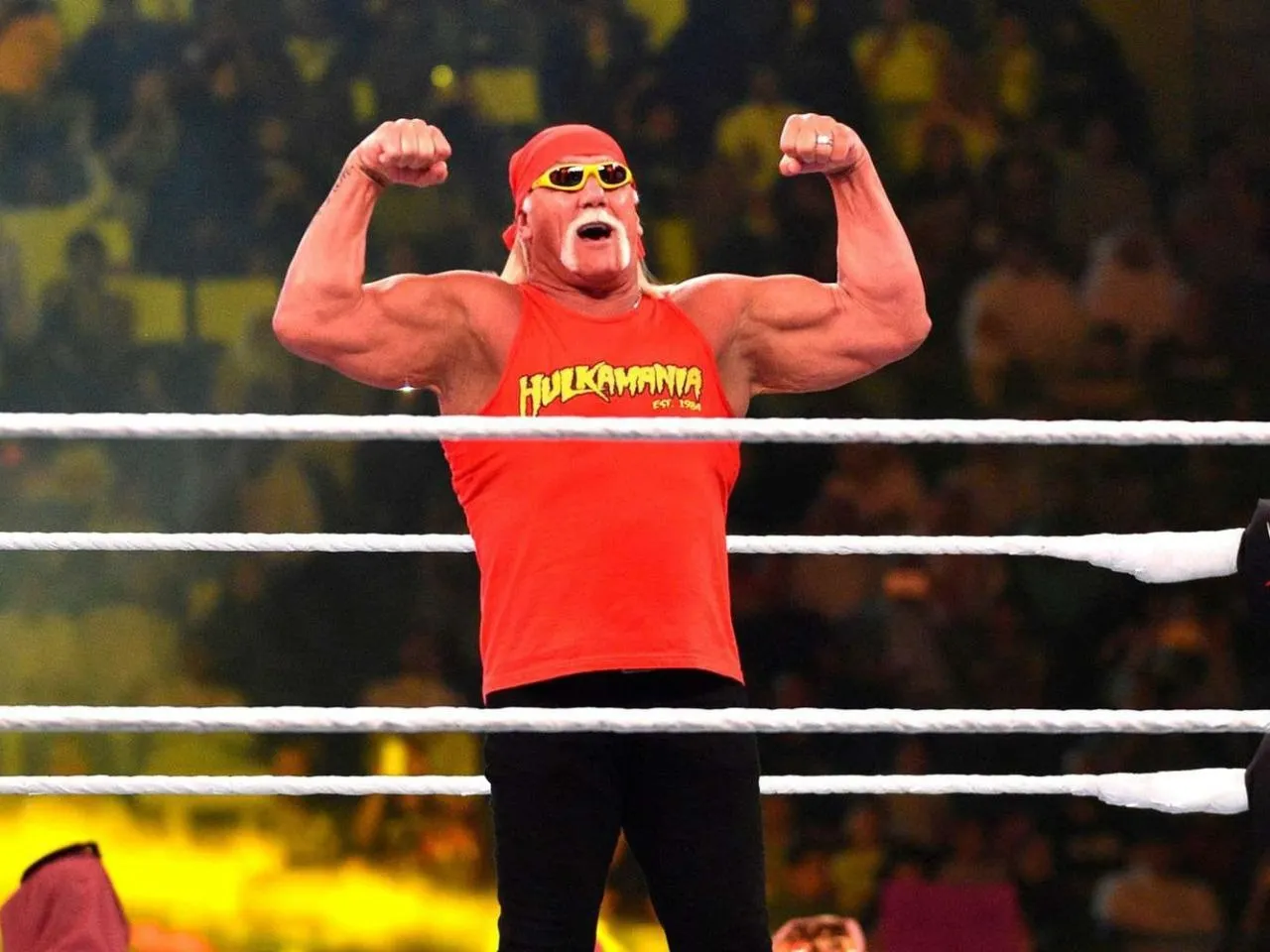
To understand contemporary reactions to Hulk Hogan, one must first examine his rise to global prominence during the 1980s WWF (World Wrestling Federation) boom. As Hulkamania swept across North America, Bollea became the undisputed face of professional wrestling, embodying patriotic values, physical strength, and wholesome entertainment for millions of fans. Public reaction during this era was overwhelmingly positive, establishing him as a crossover pop culture phenomenon who starred in mainstream films, television shows, and advertising campaigns.
As the industry evolved through the Monday Night Wars of the late 1990s in WCW (World Championship Wrestling), Hogan successfully reinvented his public persona by turning heel and joining the New World Order (nWo) faction as "Hollywood" Hogan. This dramatic character shift generated a complex wave of reactions: initial shock from loyal fans, followed by massive commercial success and a renewed appreciation for his versatility as an entertainer. This period proved that public engagement with the persona was fluid, capable of shifting from pure heroic adoration to compelling villainous fascination.
Major Categories of Public and Media Response
Reactions to Hulk Hogan generally fall into distinct categories depending on the context of the event, ranging from celebratory nostalgia to severe social media backlash. Analyzing these categories reveals how different segments of the public interact with his legacy.
| Reaction Category | Primary Context | Nature of Public Response | Key Influencing Factors |
|---|---|---|---|
| Nostalgic Celebration | Hall of Fame inductions, classic match anniversaries | Enthusiastic support, merchandise sales, reverence for 1980s pop culture | Childhood memories, historical contributions to sports entertainment |
| Controversial Backlash | Leaked audio scandals, political endorsements, social media posts | Widespread condemnation, demands for corporate distancing, boycotts | Cultural sensitivity, personal conduct outside the ring, public accountability |
| Skeptical Fascination | Public interviews, reality television appearances, podcast statements | Mixed amusement and skepticism regarding claims and storytelling | Exaggerated historical accounts, dramatic personal branding |
Nostalgia and WWE Legacy Appraisals
Within the wrestling community, reactions to Hogan's in-ring achievements remain deeply divided between historical respect and modern critique. Older demographics often view him through the lens of pure nostalgia, remembering the excitement of the 1980s and 1990s golden eras. WWE programming frequently leverages this nostalgic reaction, bringing him out for milestone events, WrestleMania appearances, and commemorative video packages.
However, younger wrestling fans and technical analysts often express frustration with this institutional reverence. Modern audiences frequently critique his limited in-ring technical skill compared to contemporary athletes, arguing that his historical prominence overshadowed more talented contemporaries. This dichotomy highlights a generational divide in how his professional legacy is perceived.
Public Controversy and Accountability
The most intense public reactions to Hulk Hogan have historically stemmed from controversies outside the wrestling ring. The most notable instance occurred when leaked private audio recordings revealed the use of racial slurs, prompting an immediate and severe corporate response from WWE, which severed ties with him in 2015.
Public reaction during this period was characterized by widespread condemnation across mainstream media and social platforms. Although WWE eventually reinstated him to the Hall of Fame following periods of public apology and private reconciliation efforts, subsequent public appearances—particularly regarding political statements and social media commentary—continue to elicit polarized reactions from fans and critics alike.
The Role of Social Media in Amplifying Public Sentiment
In the modern digital landscape, a "Hulk Hogan reaction" is frequently quantified through viral social media engagement on platforms like X (formerly Twitter), YouTube, and TikTok. Whenever Bollea makes a public statement, endorses a political figure, or comments on current industry trends, algorithms quickly aggregate user sentiment.
- Polarized Comment Sections: Posts involving Hogan regularly generate high volumes of engagement divided sharply between staunch defenders of his 1980s legacy and vocal critics of his personal controversies.
- Meme Culture: Internet users frequently utilize classic clips of Hulkamania promos or Hollywood Hogan segments as reaction images, detaching the pop culture icon from his modern controversies for comedic effect.
- Journalistic Scrutiny: Wrestling journalists and mainstream media outlets closely monitor public statements for accuracy, frequently fact-checking his legendary backstage stories and interview claims.
Frequently Asked Questions About Hulk Hogan Reactions
Why do public reactions to Hulk Hogan vary so widely today?
Public sentiment is split because his career spans two different eras: a beloved 1980s pop culture golden age and a modern era marked by high-profile personal controversies and polarizing public statements. Fans weigh his contributions to entertainment against his off-screen conduct differently.
How does WWE currently handle Hulk Hogan's legacy?
WWE acknowledges his historical significance to the company's global expansion and WrestleMania brand, occasionally featuring him in promotional material and anniversary specials, while carefully managing public relations around his appearances.
What caused the major shift in public perception during 2015?
Public perception shifted dramatically following the publication of leaked audio containing racist remarks, which led to his temporary removal from the WWE Hall of Fame and widespread media condemnation.
Are Hulk Hogan's historical wrestling claims accepted as fact by fans?
Many of his famous backstage stories—such as claims about nearly starring in major films or wrestling an unsustainable number of days per year—are met with skepticism by wrestling historians and fans who analyze historical booking records.
Summary and Practical Next Actions
When analyzing a "Hulk Hogan reaction," observers must weigh historical cultural impact against modern standards of public accountability. Whether evaluating his status as a foundational pillar of sports entertainment or examining contemporary controversies, understanding the full context of his career prevents misinterpreting polarized public sentiment. For researchers, media analysts, and fans alike, separating nostalgic appreciation from critical evaluation remains essential when assessing one of wrestling's most polarizing figures.
Image Gallery