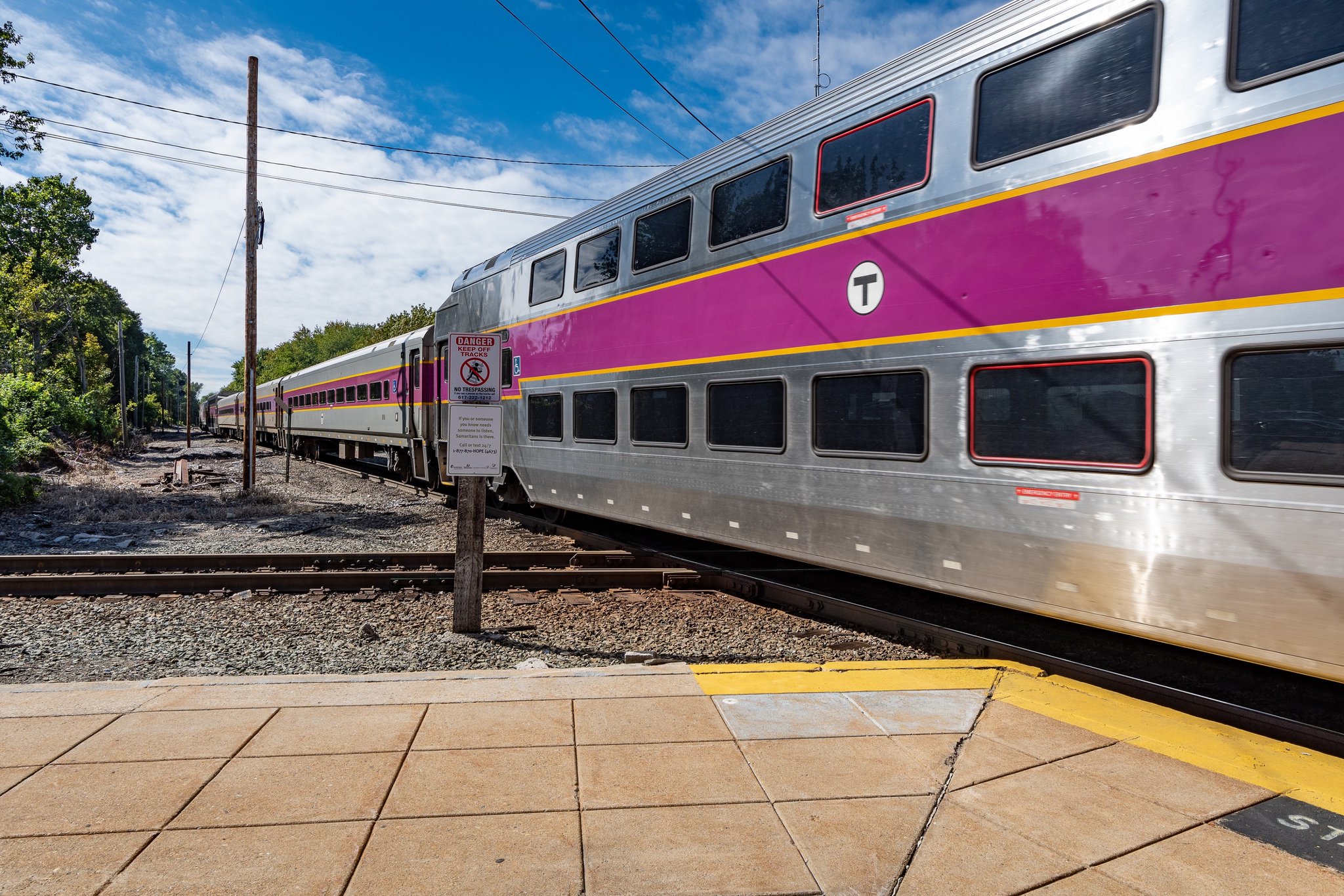
MBTA Commuter Rail Lowell Line: Schedule, Fares, Route, and Rider Guide (2026)
The Massachusetts Bay Transportation Authority (MBTA) Lowell Commuter Rail Line connects historic downtown Lowell to Boston’s North Station along a 25.5-mile corridor. Operating through Zone 6, one-way adult fares cost $10.50, with sta...
The Massachusetts Bay Transportation Authority (MBTA) Lowell Commuter Rail Line connects historic downtown Lowell to Boston’s North Station along a 25.5-mile corridor. Operating through Zone 6, one-way adult fares cost $10.50, with standard inbound and outbound travel times averaging 40 to 50 minutes depending on whether the service runs local or express.
Contents
Operational Status OverviewLowell Line service operates 7 days a week, offering hourly baseline frequency on weekdays with reduced intervals during peak commuting hours and bi-hourly service on weekends. Trains terminate at the Charles A. Gallagher Transit Terminal in Lowell and Boston North Station, offering direct transfers to the Green and Orange subway lines.
Line Overview and Infrastructure Specifications
The Lowell Line serves as a critical passenger artery through Middlesex County, operating along the historic Boston and Lowell Railroad right-of-way originally chartered in 1830. Today, operations are managed under contract by Keolis Commuter Services on behalf of the MBTA. The route provides direct regional rail transit for commuters, university students attending the University of Massachusetts Lowell, and daily business travelers entering downtown Boston.
- Gallagher Terminal (Lowell)
- North Billerica
- Wilmington
- Anderson/Woburn
- Mishawum (Peak limited)
- Winchester Center
- Wedgemere
- West Medford
- North Station (Boston)
Technical Route Metrics
- Total Route Length: 25.5 miles (41.0 km)
- Terminal Points: Charles A. Gallagher Transit Terminal (Zone 6) to North Station (135 Causeway St, Boston, 1A)
- Right-of-Way: Fully double-tracked, equipped with Positive Train Control (PTC) and Automatic Train Control (ATC).
- Traction & Rolling Stock: Push-pull diesel-electric operations primarily using EMD F40PH-3C, MPI MP36PH-3C, and HSP46 locomotives paired with single-level Kawasaki and bi-level Hyundai Rotem passenger coaches.
- Average Travel Time: 42 minutes (express) to 52 minutes (all-stops local).
Station Directory, Accessibility, and Fare Zones
Fares on the MBTA Commuter Rail operate on a concentric zone-based pricing model, measured outward from downtown Boston (Zone 1A) to outlying regional hubs. The Lowell Line spans from Zone 1A to Zone 6.
Full accessibility compliance under the Americans with Disabilities Act (ADA) has expanded across the line, featuring high-level mini-high or full-length level-boarding platforms at major regional transfer points.
| Station Name | Zone | Location & Address | Parking Capacity | Platform Accessibility |
|---|---|---|---|---|
| North Station | 1A | 135 Causeway St, Boston | None (Use City Garages) | Full High-Level (Accessible) |
| West Medford | 1 | High St & Playstead Rd, Medford | None on-site (Street/Drop-off) | Low Platform (Non-Accessible) |
| Wedgemere | 1 | Common St & Bacon St, Winchester | ~80 spaces | Mini-High (Accessible) |
| Winchester Center | 1 | 750 Main St, Winchester | ~150 spaces | Full High-Level (Accessible) |
| Mishawum | 2 | Mishawum Rd, Woburn | Limited (Reverse Commute Only) | Mini-High (Accessible) |
| Anderson/Woburn | 2 | 100 Atlantic Ave, Woburn | ~1,500 spaces | Full High-Level (Accessible) |
| Wilmington | 3 | Main St (Route 38), Wilmington | ~220 spaces | Mini-High (Accessible) |
| North Billerica | 5 | 100 Burnside Way, Billerica | ~450 spaces | Mini-High (Accessible) |
| Lowell (Gallagher) | 6 | 145 Thorndike St, Lowell | ~1,200 spaces (Garage) | Full High-Level (Accessible) |
Key Station Profiles
Charles A. Gallagher Transit Terminal (Lowell)
The Lowell terminal provides a multimodal anchor for northern Middlesex County. Located at 145 Thorndike Street, the station connects rail riders to the Lowell Regional Transit Authority (LRTA) bus network, intra-campus shuttles for UMass Lowell, and long-term parking garages. The high-level platforms allow level boarding across all doors on both bi-level and single-level coaches.
Anderson Regional Transportation Center (Woburn)
Anderson/Woburn serves as the line's primary park-and-ride hub off Interstate 93 and Route 128 (I-95). It features a large surface parking footprint, ticket windows, Logan Express bus connections directly to Boston Logan International Airport, and secondary service from Amtrak’s Downeaster line serving Maine and New Hampshire.
Winchester Center Station
Following comprehensive structural rehabilitation and modernization, Winchester Center operates with fully compliant high-level side platforms, dual elevators, upgraded ramps, and modernized audio-visual passenger information systems (PA/PIDS).
2026 Fare Structure and Ticketing Options
Commuter Rail ticketing requires purchasing zone-specific passes prior to boarding to avoid onboard surcharges. One-way fares, 10-ride bundles, and monthly passes scale according to the zone distance traveled.
Current Pricing Matrix
- Zone 1A (Boston In-Station): $2.40 one-way.
- Zone 1 (West Medford, Wedgemere, Winchester Center): $6.50 one-way | $214.00 Monthly Pass.
- Zone 2 (Anderson/Woburn, Mishawum): $7.00 one-way | $232.00 Monthly Pass.
- Zone 3 (Wilmington): $8.00 one-way | $261.00 Monthly Pass.
- Zone 5 (North Billerica): $9.75 one-way | $311.00 Monthly Pass.
- Zone 6 (Lowell): $10.50 one-way | $340.00 Monthly Pass.
Weekend and Discount Fares
- Weekend Commuter Rail Pass: $10.00 unlimited flat-rate pass valid across all zones on Saturday and Sunday. Available on the mTicket app or from onboard conductors.
- Reduced Fare Programs: Eligible riders—including seniors (65+), individuals with disabilities (Transportation Access Pass), and enrolled low-income residents under the MBTA Income-Eligible program—receive a 50% discount on standard one-way fares ($5.25 for Zone 6) and discounted monthly passes.
- Children under 11: Ride free with a fare-paying adult (limit two children per adult).
Purchasing Channels
- mTicket Mobile App: The primary digital ticketing platform for iOS and Android. Riders activate the barcode ticket immediately before boarding and present it to the conductor.
- Ticket Vending Machines (TVMs): Located at North Station, Anderson/Woburn, and the Gallagher Terminal. TVMs accept credit, debit, and cash.
- Onboard Purchase: Cash or card payment to conductors is permitted; however, if boarding at a station equipped with an operational TVM, a $3.00 onboard surcharge applies.
Lowell Line Schedule: Typical Service Patterns
The MBTA organizes the Lowell Line around clock-face scheduling to maintain consistent departure windows throughout the day. Standard schedules shift seasonally (spring/summer and fall/winter revisions), but the core operational profiles remain consistent.
Weekday Inbound Service (Toward Boston North Station)
- Peak Morning Commute (6:00 AM – 9:00 AM): Trains run every 20 to 30 minutes out of Lowell. Select trains run as express patterns, bypassing Wedgemere, West Medford, and occasionally Winchester Center to preserve express travel times into North Station under 45 minutes.
- Midday Baseline (9:30 AM – 3:30 PM): Hourly service stopping at all operational stations.
- Evening Commute: Trains shift into outbound priority configurations.
Weekday Outbound Service (Toward Lowell)
- Peak Evening Commute (4:00 PM – 7:00 PM): Departures leave North Station every 20 to 35 minutes. Express consists operate non-stop between North Station and Anderson/Woburn or Wilmington before completing local station runs into Lowell.
- Late-Night Service: Final departures typically leave Boston between 11:30 PM and 12:15 AM on weeknights.
Weekend Schedules
Service operates roughly every 120 minutes across both Saturday and Sunday, stopping at all stations along the corridor. During major events at TD Garden or seasonal shifts, extra train sections may run to handle regional transit demand.
Navigating Major Transit Hubs
Boarding at North Station
North Station serves as the southern terminus for all northern MBTA Commuter Rail routes (Lowell, Fitchburg, Haverhill, Newburyport/Rockport).
- Platform Boarding Gates: Electronic overhead destination boards post platform assignments 10 to 15 minutes prior to scheduled departure.
- Subway Transfers: Riders exiting the Commuter Rail fare concourse have direct underground access to the Green Line (E and D branches) and the Orange Line without stepping outside.
- Street Access: Exits open directly into TD Garden, Causeway Street, and the Hub on Causeway development.
Accessing the Gallagher Terminal in Lowell
- Automobile Parking: The multi-story Gallagher Terminal Garage offers long-term and daily commuter parking. Parking fees can be paid through mobile payment apps or automated kiosks inside the terminal lobby.
- Bus Integration: The ground-floor concourse provides seamless cross-platform connections to LRTA local routes serving downtown Lowell, Chelmsford, Billerica, and Dracut.
- UMass Lowell Commuting: Dedicated university shuttles pick up students and staff at the transit loop on Thorndike Street, providing connections to North, South, and East campuses.
Practical Commuter Strategies and Failure Remedies
Daily train operations are subject to seasonal weather events, mechanical constraints, and track maintenance operations along the busy New England rail system. Implementing practical transit strategies ensures smooth travel.
Real-Time Alerts and Tracker Integration
Do not rely exclusively on printed timetable brochures. Operational updates are delivered through the MBTA T-Alerts service and transit tracking tools:
- Register for real-time Lowell Line text or email updates via the official MBTA website.
- Track dynamic vehicle locations using apps pulling directly from the MBTA's V3 real-time transit data feed. Conductors broadcast operational delays, track changes, and equipment issues via these digital pipelines.
Winter Weather Protocols and Service Disruptions
During major snowstorms or sub-freezing temperatures, the MBTA may implement the Severe Weather Schedule, reducing service frequency to allow snow-clearing operations and switch heaters to operate continuously.
Cold Weather Delay TroubleshootingIf mechanical cold-weather delays strike the northern section of the line:
- Fall back to Anderson/Woburn, which features higher service frequency and redundant regional shuttle connections.
- For riders near the southern terminus, bus lines (such as Route 80, 94, or 96 in Medford) connect directly to the Red Line at Davis Square or the Green Line Extension at Medford/Tufts.
Managing Bicycle Boarding Regulations
- Standard Bikes: Permitted on all weekend trains and off-peak weekday trains. Prohibited on peak-hour inbound trains (arriving Boston 7:00 AM – 10:00 AM) and peak-hour outbound trains (departing Boston 4:00 PM – 7:00 PM).
- Folding Bikes: Allowed on all trains at all times, provided they remain folded throughout the trip and do not block aisles, doors, or vestibules.
Comparison: Commuter Rail vs. Driving via Route 3 and I-93
Choosing between the Lowell Commuter Rail and driving into downtown Boston depends heavily on rush-hour traffic variance, parking overhead, and personal schedule flexibility.
| Evaluation Metric | MBTA Lowell Line (Zone 6) | Highway Driving (Route 3 to I-93) |
|---|---|---|
| Typical Commute Time (Peak) | 42 – 50 Minutes (Reliable via PTC) | 65 – 110+ Minutes (Severe congestion) |
| Direct Transit Cost (Daily Roundtrip) | $21.00 ($10.50 each way) | $8.00–$14.00 gas + tolls |
| Parking Expenses (Daily) | $4.00 – $7.00 at Lowell Terminal | $35.00 – $55.00 (Downtown Boston garages) |
| Productivity Opportunity | High (Wi-Fi, laptop workspace, power outlets) | Zero (Active defensive driving required) |
| Weather Reliability | High (Subject to occasional rail delays) | Moderate to Low (Ice, accidents, gridlock) |
| Off-Peak Flexibility | Moderate (Runs hourly to bi-hourly) | Full individual autonomy |
For traditional 9-to-5 workers commuting to downtown Boston, the Financial District, or Cambridge (via North Station to the Green/Orange Lines), the Commuter Rail eliminates the daily volatility of the Leverett Circle, Tobin Bridge, and I-93 bottlenecks while offering substantial net monthly savings on parking.
Frequently Asked Questions
How long does the MBTA Commuter Rail take from Lowell to Boston?
The train trip between the Gallagher Transit Terminal in Lowell and Boston North Station takes approximately 42 to 45 minutes on weekday express runs and roughly 50 to 52 minutes on standard local trains that stop at all intermediate stations.
How much is the train ticket from Lowell to North Station?
A one-way standard adult fare from Lowell (Zone 6) to North Station (Zone 1A) is $10.50. Riders traveling on weekends can purchase the $10.00 Weekend Pass for unlimited travel on Saturdays and Sundays across all commuter rail zones.
Where can I park my car at the Lowell Commuter Rail Station?
Commuters can park at the multi-story Gallagher Terminal Garage located directly adjacent to the station at 145 Thorndike Street. The facility accommodates roughly 1,200 vehicles, charges daily parking rates, and is managed in partnership with the LRTA.
Are MBTA Commuter Rail trains on the Lowell Line accessible for wheelchairs?
Yes, the Lowell terminus, Anderson/Woburn, Winchester Center, and North Station feature level-boarding high platforms with complete ADA accessibility. Other stations along the line use mini-high platform ramps to provide mobile ramp-assisted access to passenger cars.
Can I use a CharlieCard on the Lowell Commuter Rail?
No, plastic reloadable CharlieCards cannot be tapped directly on the Commuter Rail. Passengers must purchase mobile tickets via the MBTA mTicket app, buy paper tickets from station Ticket Vending Machines, or obtain a CharlieTicket encoded with Commuter Rail validity.
Plan your route ahead of your departure by downloading the mTicket app, verifying peak-hour platform tracks at Boston North Station, and setting up automated service notifications to ensure an efficient, reliable commute across the Merrimack Valley corridor.
Image Gallery