What the New York State Seal Means
The Great Seal of the State of New York is a complex heraldic device that symbolizes the state’s revolutionary origins, its commitment to the rule of law, and its enduring aspirations for progress. It features the figures of Liberty an...
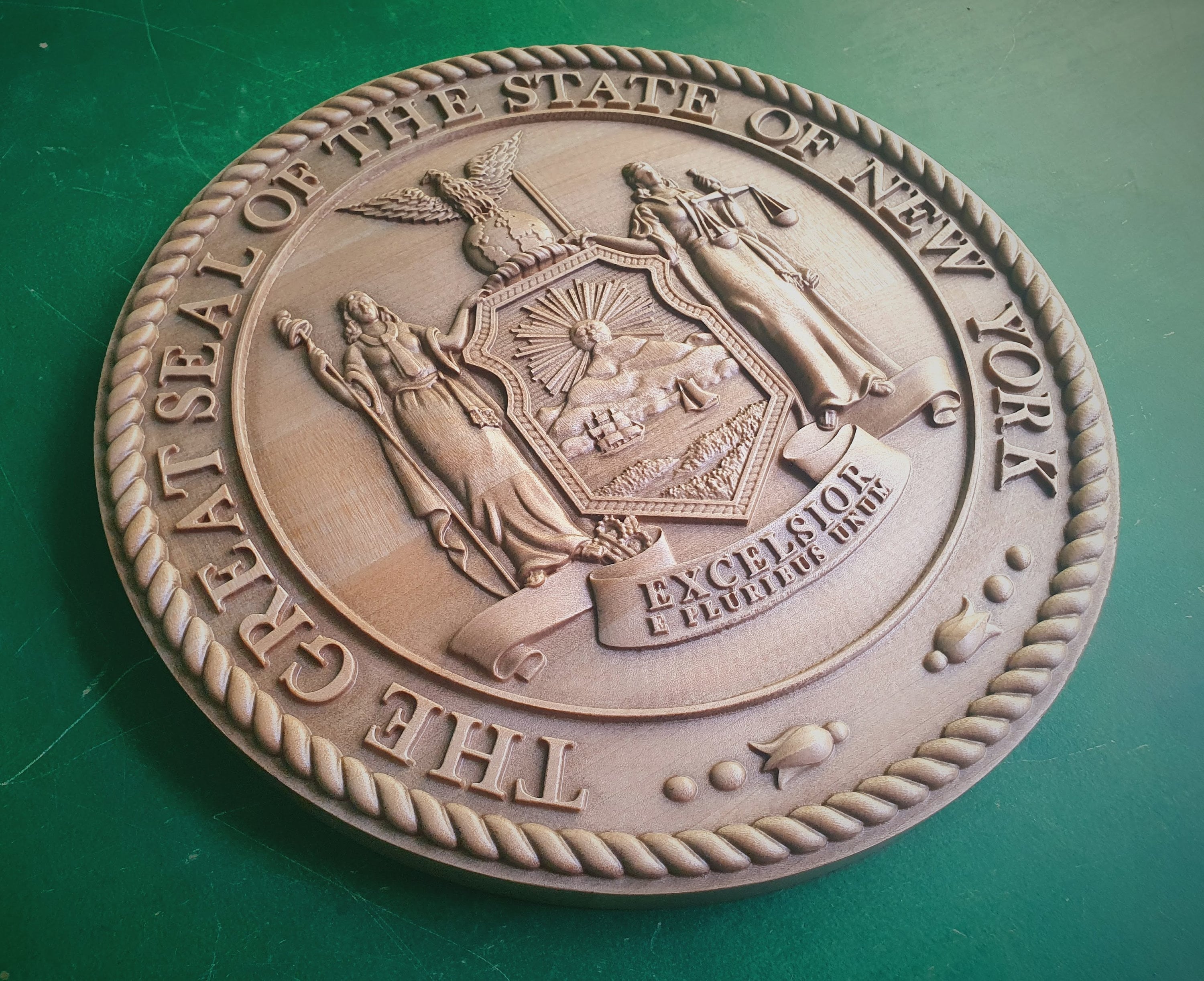
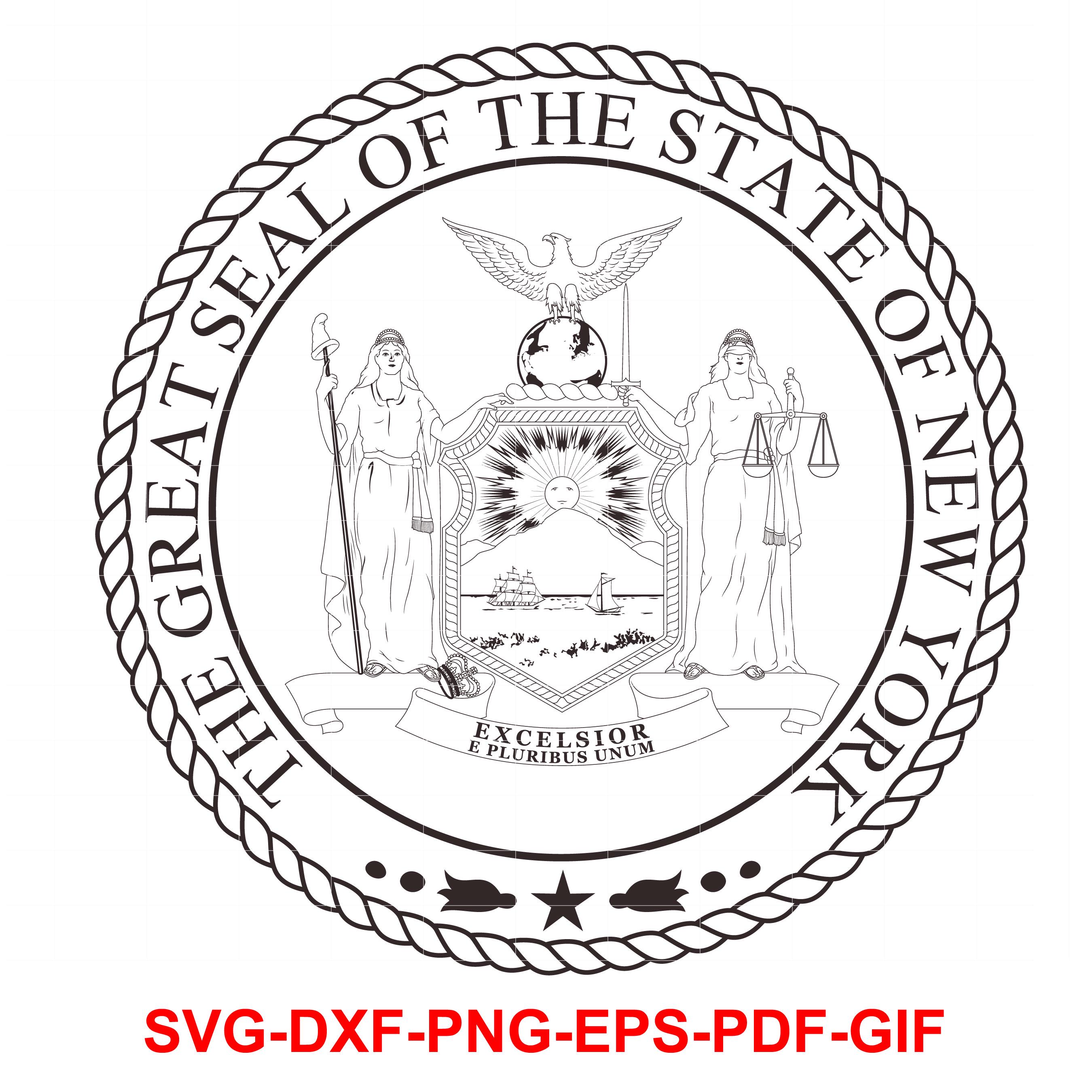
The Great Seal of the State of New York is a complex heraldic device that symbolizes the state’s revolutionary origins, its commitment to the rule of law, and its enduring aspirations for progress. It features the figures of Liberty and Justice flanking a central shield that depicts a sun rising over the Hudson River, all surmounted by an American eagle perched upon a globe. As of 2026, the seal remains the official emblem used by the Secretary of State to certify official documents, representing the sovereign authority of the People of the State of New York.
Contents
The Heraldic Composition of the State Seal
To understand what the New York State seal means, one must first distinguish between the Coat of Arms and the Great Seal. While the terms are often used interchangeably in casual conversation, the Coat of Arms refers to the specific design—the shield, supporters, and motto—whereas the Great Seal is the official physical stamp used by the state government. The design used today is governed by Article 6 of the New York State Law, which provides precise specifications for its appearance.
The seal is rich with Enlightenment-era symbolism. Every element, from the direction the figures face to the items they hold, was chosen to communicate a specific message about the character of New York. The design serves as a visual shorthand for the state’s political philosophy: a balance between personal freedom (Liberty) and the impartial application of law (Justice), underpinned by a relentless drive for improvement (Excelsior).
The Supporters: Liberty and Justice
The two female figures standing on either side of the central shield are known in heraldry as "supporters." They represent the dual pillars of New York’s governance.
Liberty (The Dexter Supporter)
On the left side (the viewer’s left, but the "dexter" or right side in heraldic terms) stands the figure of Liberty. Her presence is a direct nod to the American Revolution and the state’s break from British monarchical rule.
- The Phrygian Cap: Liberty holds a staff topped with a Phrygian cap (also known as a liberty cap). This symbol dates back to ancient Rome, where it was worn by emancipated slaves to signify their freedom. During the 18th century, it became a universal symbol of the quest for liberty in both the American and French Revolutions.
- The Discarded Crown: At Liberty’s feet lies a crown, overturned and stepped upon. This is perhaps the most provocative element of the seal, symbolizing the definitive rejection of royal authority and the triumph of a republican form of government where power resides with the people.
Justice (The Sinister Supporter)
On the right side (the "sinister" side in heraldry) stands the figure of Justice. Unlike many depictions of Justice from the same era, New York’s Justice is specifically detailed to represent the fairness of the judicial system.
- The Blindfold: Justice is blindfolded to signify that the law should be applied without fear or favor, regardless of the wealth, status, or identity of the individuals involved.
- The Scales: In her left hand, she holds the scales of justice, representing the weighing of evidence and the quest for equilibrium in legal disputes.
- The Sword: In her right hand, she holds an upright sword. This symbolizes the power of the state to enforce the law and the finality of judicial decisions. The sword is held upward, indicating readiness to defend the principles of the state.
The Central Shield: A Landscape of Opportunity
The center of the seal features a shield (the "escutcheon") that provides a geographic and economic context for the state. Unlike traditional European heraldry which often used lions or griffins, New York chose a landscape that was immediately recognizable to its citizens.
The Hudson River and the Highlands
The shield depicts a peaceful scene of the Hudson River. This choice was not merely aesthetic; the Hudson was the primary artery of commerce and communication for the early state. The mountains in the background represent the Hudson Highlands, specifically the area around West Point, which held immense strategic value during the Revolutionary War.
The Rising Sun
A golden sun is shown rising over the mountains. This symbolizes a "new day" and the bright future of the state. It is a visual representation of optimism and the beginning of a sovereign era for New York. The rays of the sun suggest the spreading of enlightenment and prosperity across the land.
The Vessels of Commerce
On the river, two ships are depicted: a square-rigged ship (representing international trade) and a Hudson River sloop (representing domestic and local trade). Together, they signify New York’s status as a global hub of commerce. Since the 18th century, New York’s identity has been inextricably linked to its ports and its role as a gateway between the Atlantic Ocean and the American interior.
The Crest and the Mottoes
Above the shield sits the "crest," and below it sits the "scroll" containing the state’s mottoes. These elements provide the ideological "capstone" to the seal’s meaning.
The Eagle and the Globe
The crest consists of an American eagle perched upon a globe. The globe is turned to show the Western Hemisphere, emphasizing New York’s place in the New World. The eagle faces to the right (dexter), which in heraldry is the direction of honor. The eagle represents the United States as a whole, signaling that while New York is a sovereign state, it is also a vital and loyal member of the Union.
"Excelsior" and "E Pluribus Unum"
The scroll at the base of the seal contains the state’s primary motto: Excelsior. This Latin word translates to "Ever Upward." It encapsulates the spirit of New York—a constant striving for higher goals, whether in social progress, economic development, or personal achievement.
In 2020, the New York State legislature officially updated the Coat of Arms and the Great Seal to include a second motto: E Pluribus Unum ("Out of Many, One"). This addition was placed on the scroll beneath "Excelsior." The inclusion of this federal motto was intended to emphasize national unity and the idea that the strength of the state and the country is derived from its diversity.
Comparative Breakdown of Symbolism
The following table summarizes the primary elements of the New York State Seal and their historical and legal meanings.
| Element | Visual Description | Meaning and Symbolism |
|---|---|---|
| Liberty | Female figure with a staff and cap | Represents individual freedom and independence from tyranny. |
| Justice | Blindfolded figure with scales and sword | Represents the impartial and forceful application of the law. |
| The Crown | Overturned at the feet of Liberty | Symbolizes the rejection of the British Monarchy. |
| The Sun | Golden sun rising over mountains | Represents a new era, optimism, and the "rising" state. |
| Two Ships | A square-rigged ship and a sloop | Represents international and domestic commerce/trade. |
| The Eagle | American bald eagle on a globe | Represents the Union and New York's role in the Western Hemisphere. |
| Excelsior | Latin motto on the scroll | "Ever Upward"—signifies the state's drive for continuous progress. |
| E Pluribus Unum | Added Latin motto (2020) | "Out of Many, One"—emphasizes unity and diversity. |
Historical Evolution of the Seal
The meaning of the seal has been refined through several legislative acts since its first adoption. The original design was created by a committee in 1777 consisting of John Jay, Gouverneur Morris, and John Sloss Hobart. It was formally adopted in 1778.
However, over the next century, various artists and agencies produced versions of the seal that differed in significant ways. Some versions omitted the crown, while others changed the position of the sun or the types of ships. This lack of uniformity led the state legislature to appoint a commission in 1880 to "restore" the arms to their original intent while establishing a standardized legal pattern.
The New York State Library maintains historical records showing that the 1882 description is the version upon which the modern seal is based. The most significant change in the 21st century occurred under the FY 2021 State Budget legislation, which modified the seal for the first time in over 130 years to include "E Pluribus Unum." This change was driven by a desire to reflect New York's role as a "beacon of unity" in a politically divided era.
Legal Protection and Usage
The Great Seal is not merely a decorative emblem; it is a legal instrument of the state. Under New York State Law § 73, the custody of the seal is entrusted to the Secretary of State.
Official Use
The seal is used to authenticate the signature of the Governor and to validate official documents such as:
- State commissions and appointments.
- Proclamations and executive orders.
- Certified copies of laws passed by the legislature.
- Extradition papers and international treaties involving the state.
Restrictions on Use
It is a violation of state law to use the Great Seal for private, commercial, or advertising purposes without express permission. This protection ensures that the seal remains a symbol of official authority and is not diluted by unauthorized usage. The state's Department of State provides specific guidelines for when and how the design can be reproduced by other government agencies or educational institutions.
Frequently Asked Questions
Why is there a crown at Liberty's feet?
The discarded crown symbolizes the American victory in the Revolutionary War. Specifically, it represents New York's transition from a British colony under King George III to a free and independent state. By stepping near or on the crown, the figure of Liberty visually demonstrates the triumph of republicanism over monarchy.
What is the difference between the New York State Seal and the New York State Flag?
The New York State flag consists of the state's Coat of Arms (the shield, supporters, and mottoes) centered on a solid blue field. The Great Seal is the circular version of this design, usually including the words "The Great Seal of the State of New York" around the perimeter. The seal is used for stamping documents, while the flag is used for display.
Why was "E Pluribus Unum" added so recently?
The motto "E Pluribus Unum" was added in 2020 following a proposal by then-Governor Andrew Cuomo. The goal was to modernize the state's branding to include the national motto, reflecting a commitment to federalism and the idea of unity during the COVID-19 pandemic. It was the first major change to the heraldry since 1882.
What do the colors on the seal represent?
In heraldry, colors (tinctures) have specific meanings. The blue (azure) of the background represents loyalty and justice. The gold (or) of the sun and the eagle's silk represents wealth and power. The green (vert) of the landscape represents hope and vitality.
Who is the woman on the right side of the seal?
The woman on the right (sinister side) is Justice. She is identified by her blindfold, her scales, and her sword. She represents the state's commitment to fair trials and the rule of law.
Practical Recommendation for Researchers
For those seeking the most accurate and high-resolution version of the seal for educational or official purposes, it is recommended to contact the New York Department of State, Division of Corporations, State Records and Uniform Commercial Code. They maintain the official digital assets and the physical "matrix" used for embossing. If you are conducting historical research, the New York State Archives in Albany holds the original legislative acts and committee reports from 1777 and 1882 that detail the specific intentions of the designers.
Image Gallery