Animals That Use Sonar: A Quick Overview
Biological sonar, scientifically known as echolocation, is a specialized sensory system that allows animals to navigate, hunt, and communicate in environments where vision is limited. By emitting high-frequency sound pulses and interpr...
Biological sonar, scientifically known as echolocation, is a specialized sensory system that allows animals to navigate, hunt, and communicate in environments where vision is limited. By emitting high-frequency sound pulses and interpreting the returning echoes, these creatures create a detailed three-dimensional map of their surroundings, enabling survival in total darkness or murky waters.
Contents
The Mechanics of Biological Sonar
Biological sonar operates on the principle of acoustic reflection. An animal generates a sound—often a high-pitched click or whistle—which travels through its environment until it strikes an object. When the sound hits a surface, it bounces back to the sender. By processing the time delay between emission and reception, the animal determines the distance of the object. Furthermore, the intensity, pitch shift, and direction of the returning echo provide data on the object's size, texture, and movement.
In the physical world of 2026, we understand that this process is governed by the same laws of physics as man-made sonar (SOund Navigation And Ranging). However, biological systems are often far more sophisticated. Animals can distinguish between a pebble and a resting fish or navigate through a dense forest at high speeds without a single collision. This precision is achieved through a combination of specialized anatomy for sound production and highly evolved neural pathways for auditory processing.
The frequency of these sounds is a critical factor. Most sonar-using animals utilize ultrasonic frequencies—sounds above the human hearing threshold of 20 kilohertz (kHz). Higher frequencies have shorter wavelengths, which allow the animal to detect smaller objects with greater resolution. Conversely, lower frequencies travel further but provide less detail, a trade-off that different species manage based on their ecological niche.
Cetaceans: The Sophisticated Sonar of the Oceans
Marine mammals, particularly odontocetes (toothed whales), possess the most advanced biological sonar systems on the planet. Because light penetrates only the upper layers of the ocean, animals living in deep water or turbid rivers rely almost entirely on sound.
Dolphins and Porpoises
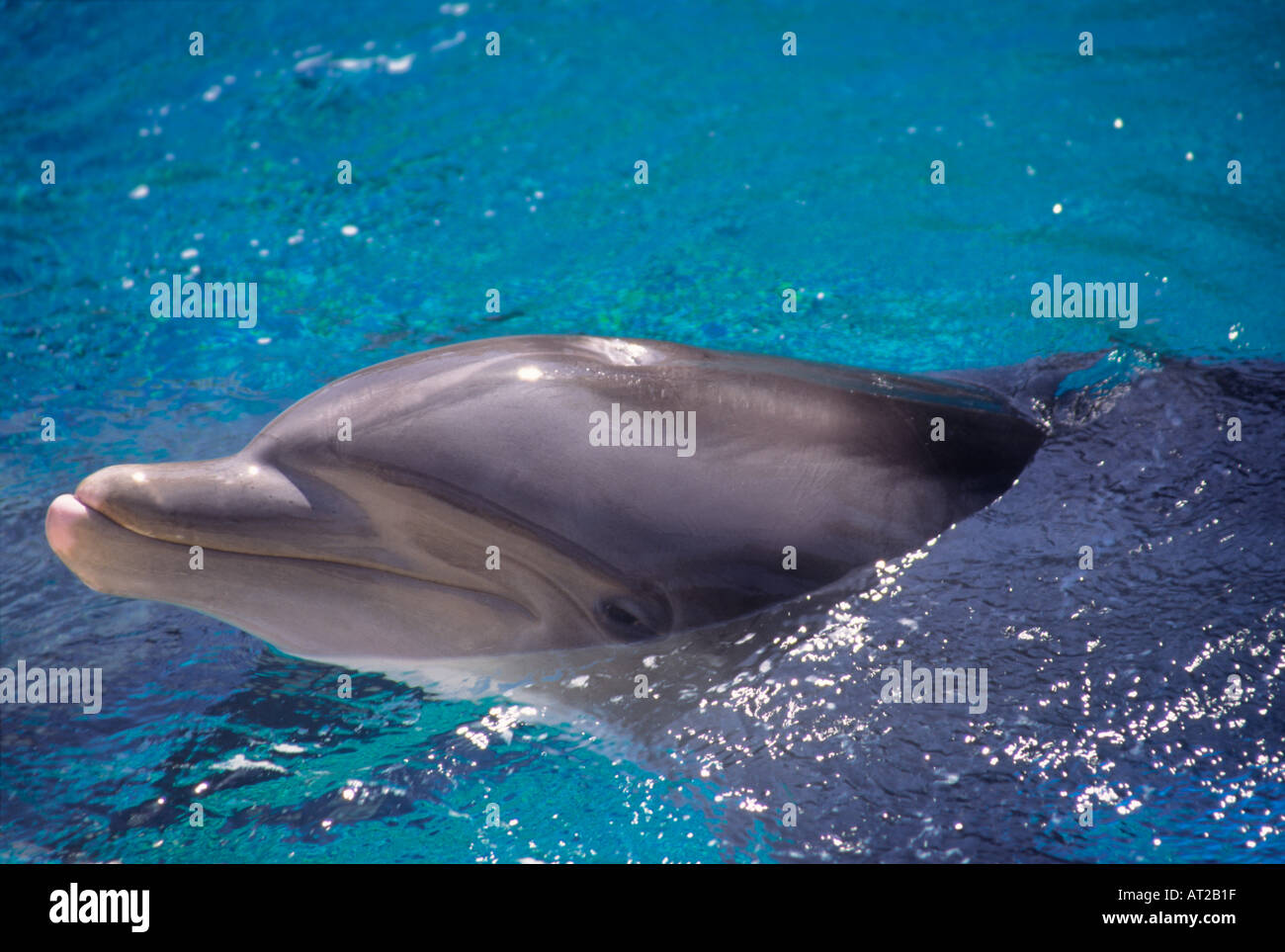
Dolphins produce sonar clicks using a specialized structure in their nasal passages called phonic lips. These sounds are then focused through the melon, a fatty organ located in the forehead that acts as an acoustic lens. The melon shapes the sound into a narrow beam, which the dolphin can direct toward specific targets.
When the echo returns, it is not received through the ears in the traditional sense. Instead, the dolphin’s lower jawbone, which is filled with fat, vibrates and conducts the sound directly to the middle ear. This allows the dolphin to track prey as small as a tennis ball from over 75 meters away. In 2026, researchers continue to study how dolphins "see" the internal structure of objects, such as identifying different types of metal or fish species based on the resonance of the echo.
Sperm Whales
The sperm whale possesses the largest sound-producing organ in the animal kingdom: the spermaceti organ. Occupying a significant portion of the whale's massive head, this organ allows the whale to produce incredibly loud, low-frequency clicks. These sounds can travel miles through the deep ocean. Sperm whales use these clicks primarily for deep-sea foraging, locating giant squid in the "midnight zone" of the ocean where no sunlight reaches. Their sonar is so powerful it is hypothesized that they may even use sound to disorient or "stun" their prey before capture.
Bats: Precision Navigation in the Night Sky
While cetaceans dominate the water, bats are the masters of the air. Echolocation has allowed bats to fill a nocturnal niche, avoiding competition with birds and preying on the vast populations of night-flying insects.
Laryngeal Echolocation
Most echolocating bats produce sound in their larynx (voice box), similar to how humans speak, but at much higher frequencies and intensities. Some species emit these sounds through their mouths, while others, like horseshoe bats, emit them through their noses. Their noses often feature complex "leaf" structures that help focus the sound beam.
Auditory Specialization
A bat's ears are its primary navigational tool. To prevent themselves from being deafened by their own loud cries, bats have evolved muscles that momentarily disconnect the middle ear bones during a pulse emission. They then relax these muscles to hear the faint echoes returning milliseconds later.
Bats also utilize the Doppler effect. As a bat flies toward an insect, the frequency of the returning echo increases. The bat’s brain is specifically tuned to these shifts, allowing it to calculate the exact speed and trajectory of its prey. This enables the bat to perform mid-air acrobatics to intercept moths and beetles with surgical precision.
Unique and Lesser-Known Sonar Users
While bats and dolphins are the most famous examples, several other species have independently evolved simpler forms of sonar to solve specific environmental challenges.
Oilbirds and Swiftlets
Certain bird species that nest in pitch-black caves have developed echolocation to find their way to their nests. The Oilbird of South America and various species of Swiftlets in Southeast Asia use audible clicks to navigate. Unlike bats, their sonar is relatively low-frequency, meaning it is not detailed enough to catch insects, but it is perfectly sufficient for avoiding cave walls and stalactites.
Shrews and Tenrecs
Some small terrestrial mammals, such as certain species of shrews and the tenrecs of Madagascar, use ultrasonic clicks to explore their immediate surroundings. Their sonar is short-range and likely used for "close-up" navigation within leaf litter or burrows rather than hunting fast-moving prey. In these animals, sonar serves as a supplementary sense to their vision and smell.
Comparison of Biological Sonar Mechanisms
The following table summarizes the primary differences in how various animal groups utilize sonar technology in the natural world.
| Animal Group | Medium | Emission Method | Typical Frequency | Primary Use |
|---|---|---|---|---|
| Dolphins | Water | Phonic Lips / Melon | 40 kHz - 150 kHz | Hunting and Socializing |
| Microbats | Air | Larynx (Mouth/Nose) | 20 kHz - 120 kHz | High-speed Insect Hunting |
| Sperm Whales | Water | Spermaceti Organ | 10 Hz - 30 kHz | Deep-sea Foraging |
| Oilbirds | Air | Syrinx (Audible Clicks) | 2 kHz - 15 kHz | Cave Navigation |
| Shrews | Air | Larynx / Tongue | 20 kHz - 100 kHz | Close-range Exploration |
Evolutionary Adaptations and Counter-Measures
The development of sonar has sparked an "evolutionary arms race," particularly between bats and their prey. As bats became more efficient at hunting via sound, certain species of moths evolved ears capable of detecting bat ultrasound. When these moths hear a bat's approach, they perform erratic diving maneuvers to escape.
Some moths have gone a step further, developing organs that produce their own ultrasonic clicks. These clicks can serve two purposes: they may act as a warning that the moth is toxic (aposematism), or they may actively "jam" the bat's sonar by creating multiple false echoes, confusing the predator at the moment of the strike. In 2026, biologists are increasingly documenting these complex acoustic battles, which highlight the incredible pressure biological sonar places on ecosystem dynamics.
Anthropogenic Impacts on Biological Sonar
In 2026, the primary threat to animals that use sonar is acoustic pollution. The modern ocean is a noisy place, filled with the sounds of commercial shipping, military sonar, and seismic surveys for oil and gas. Because cetaceans rely so heavily on their "acoustic window" to the world, this human-generated noise can mask their signals, leading to failed hunts, separation from social groups, and in some cases, mass strandings.
On land, urban noise can similarly interfere with bat echolocation. High-frequency noise from machinery or traffic can overlap with bat pulses, forcing them to expend more energy by shouting louder or moving to quieter, less productive habitats. Conservation efforts are now focusing on "quiet zones" for marine life and reducing light and noise pollution to protect the delicate sensory balance these animals require.
Frequently Asked Questions
Can humans hear the sonar used by animals?
Most animals that use sonar, such as bats and dolphins, operate in the ultrasonic range, which is above the 20 kHz limit of human hearing. Therefore, humans cannot hear these pulses without specialized equipment like bat detectors or hydrophones. However, some animals like oilbirds and sperm whales produce clicks that fall within the audible range for humans, sounding like rapid tapping or loud metallic "clangs."
Do all bats use sonar?
No, not all bats use echolocation. The Megachiroptera, commonly known as fruit bats or flying foxes, largely rely on their excellent vision and sense of smell to find food. A notable exception is the Egyptian fruit bat, which has developed a primitive form of echolocation using tongue-clicks to navigate caves, though this is evolutionarily distinct from the laryngeal echolocation used by microbats.
How accurate is animal sonar compared to human technology?
In many specific tasks, biological sonar outperforms human technology. While military-grade sonar can detect objects over vast distances, the ability of a dolphin to distinguish the density of an object (e.g., telling a full soda can from an empty one) or a bat to track a single gnat through a rainstorm remains superior to most compact man-made sensors. Biomimicry researchers in 2026 are still using bat and dolphin physiology as blueprints for improving autonomous vehicle sensors and medical imaging.
Does sonar use use up a lot of energy?
Echolocation is energetically expensive, especially for bats. To produce sounds loud enough to receive an echo, bats must use significant muscle power. However, they have evolved to couple their vocalizations with their wingbeats, using the contraction of flight muscles to help pump air through the larynx, thereby "recycling" energy. Dolphins also possess highly efficient metabolic pathways to support the constant use of their sonar during long foraging trips.
Can animals turn their sonar off?
Yes, animals only use sonar when it is necessary. Echolocating animals typically "turn off" or reduce the frequency of their clicks when they are in well-lit areas, familiar environments, or when they are resting. Constant sonar use would not only be energy-intensive but could also alert predators or competitors to their presence.
Practical Recommendations for Observation
To appreciate animals that use sonar, consider the following actions:
- Use a Bat Detector: These devices "translate" ultrasonic bat calls into frequencies audible to humans. They are excellent for identifying different species in your local area based on their unique call signatures.
- Visit Responsible Marine Centers: Many aquariums and research facilities offer educational programs where you can listen to recorded dolphin and whale sonar and learn about the anatomy of the melon and jaw.
- Support Noise Pollution Mitigation: Advocate for "quiet" shipping technologies and the protection of dark-sky and quiet-zone habitats, which are essential for the survival of sonar-reliant species.
Image Gallery