The Climate of New Brunswick: A Detailed Guide to Regional Weather Patterns
New Brunswick experiences a humid continental climate, characterized by significant seasonal temperature variations and ample precipitation year-round. While coastal regions benefit from the moderating effects of the Bay of Fundy and t...
New Brunswick experiences a humid continental climate, characterized by significant seasonal temperature variations and ample precipitation year-round. While coastal regions benefit from the moderating effects of the Bay of Fundy and the Gulf of St. Lawrence, inland areas face more extreme winters and warmer summers, influenced by prevailing continental air masses from the west.
Contents
Understanding the climate of New Brunswick requires a look at its unique geographic positioning. As the only Canadian province with both a significant interior landmass and an extensive coastline, it serves as a transitional zone between the Atlantic Ocean and the North American continent. As of 2026, climate data indicates that while the four distinct seasons remain the hallmark of the province, shifts in temperature averages and precipitation intensity are increasingly shaping the local environment, agriculture, and infrastructure planning.
Regional Climate Variations: Coastal vs. Inland
New Brunswick is not a monolith when it comes to weather. The province is generally divided into two primary climatic zones: the maritime-influenced coastal regions and the continental interior.
The Coastal Influence
The southern and eastern shores of New Brunswick are dictated by the proximity of large bodies of water. The Bay of Fundy to the south is famous for its cold, nutrient-rich waters and the highest tides in the world. This water acts as a massive thermal regulator. In the summer, the cold water keeps coastal cities like Saint John significantly cooler than the interior, often leading to the famous "Fundy Fog." In the winter, the same water remains relatively ice-free, preventing temperatures from dropping as low as they do in the north.
To the east, the Northumberland Strait and the Gulf of St. Lawrence offer a slightly different dynamic. Because these waters are shallower, they warm up significantly more than the Bay of Fundy during the summer months. This makes the eastern coastline, including areas like Shediac and Miramichi, popular for beach activities, although they remain susceptible to heavy snowfall during "Nor’easter" storms in the winter.
The Continental Interior
Moving inland toward Fredericton, Woodstock, and the northern highlands near Edmundston, the moderating effect of the ocean diminishes. This results in a "Dfb" classification under the Köppen climate system. These areas experience hotter, more humid summers where temperatures can frequently exceed 30°C (86°F). Conversely, winters in the interior are much harsher. Without the ocean to buffer the cold, the northern reaches of the province often see temperatures plunge below -30°C (-22°F) during Arctic outbreaks.
The Four Seasons of New Brunswick
Winter: The Season of Snow
Winter in New Brunswick typically spans from December through March, though snow can arrive as early as late October in the northern highlands. The province is known for its high annual snowfall, which ranges from 200 cm in the south to over 400 cm in the north.
The primary drivers of New Brunswick’s winter weather are low-pressure systems tracking up the American Eastern Seaboard, commonly known as Nor'easters. These storms draw moisture from the Atlantic and collide with cold air from the Canadian Shield, resulting in heavy, wet snow or freezing rain. For residents, this necessitates robust home maintenance, including monitoring roof snow loads and ensuring proper insulation against the "wind chill" factor, which can make temperatures feel significantly colder than the thermometer suggests.
Spring: The Freshet and Transition
Spring (April to May) is a period of rapid transition and is often the shortest season. The most significant climatic event during this time is the Spring Freshet. As temperatures rise, the massive snowpack in the northern forests melts, flowing into the Saint John River (Wolastoq) system. This often leads to predictable but sometimes catastrophic flooding in the central and southern river valleys.
Gardeners and farmers must be cautious during this period. While the days may feel warm, the "last frost" date typically doesn't occur until late May or early June, depending on the latitude.
Summer: Heat and Humidity
From June through August, New Brunswick enjoys warm to hot weather. The interior of the province often experiences high humidity, driven by air masses moving up from the Gulf of Mexico. This can lead to frequent afternoon thunderstorms, which provide necessary irrigation for the province’s vast potato and blueberry fields but can also bring localized flash flooding or hail.
Coastal areas remain the refuge for those seeking relief from the heat. On a day when Fredericton might reach 32°C, Saint John might sit at a comfortable 22°C due to the sea breeze. This temperature gradient is a defining feature of the province’s summer climate.
Autumn: The Cooling Trend
September and October are arguably the most stable months in terms of weather. As the jet stream shifts, the province experiences "Indian Summers"—periods of unseasonably warm, dry weather. This is also the peak of the fall foliage season, as the cooling overnight temperatures trigger the vibrant transformation of the province’s mixed-wood forests. However, this is also the tail end of the Atlantic hurricane season. While full hurricanes rarely make landfall, post-tropical storms can bring heavy rains and high winds to the region.
Technical Climate Data and Comparisons
The following table provides a comparison of climate averages for three major New Brunswick hubs, reflecting data trends observed leading into 2026.
| City | Avg. Jan Low (°C) | Avg. July High (°C) | Annual Rainfall (mm) | Annual Snowfall (cm) |
|---|---|---|---|---|
| Fredericton (Inland) | -15.0 | 25.5 | 840 | 250 |
| Saint John (Coastal - South) | -10.5 | 22.0 | 1,050 | 215 |
| Edmundston (North) | -19.5 | 24.5 | 780 | 340 |
Source: Historical data synthesized from Environment and Climate Change Canada records.
Key Factors Influencing New Brunswick’s Weather
Several geographical and meteorological factors converge to create the province's specific climate profile:
- The Appalachian Mountain Range: The northern and central parts of the province are part of this ancient range. These highlands force air to rise (orographic lift), which increases precipitation and keeps temperatures cooler than the surrounding lowlands.
- The Jet Stream: New Brunswick sits directly under the typical path of the polar jet stream. The fluctuating position of this high-altitude wind current determines whether the province is bathed in cold Arctic air or warm, moist air from the south.
- Sea Surface Temperatures: The temperature of the Atlantic Ocean and the Gulf of St. Lawrence impacts late-season storms. Warmer waters in the 21st century have contributed to more energetic storm systems and a delay in the onset of permanent winter snow cover.
Climate Change and Adaptation in 2026
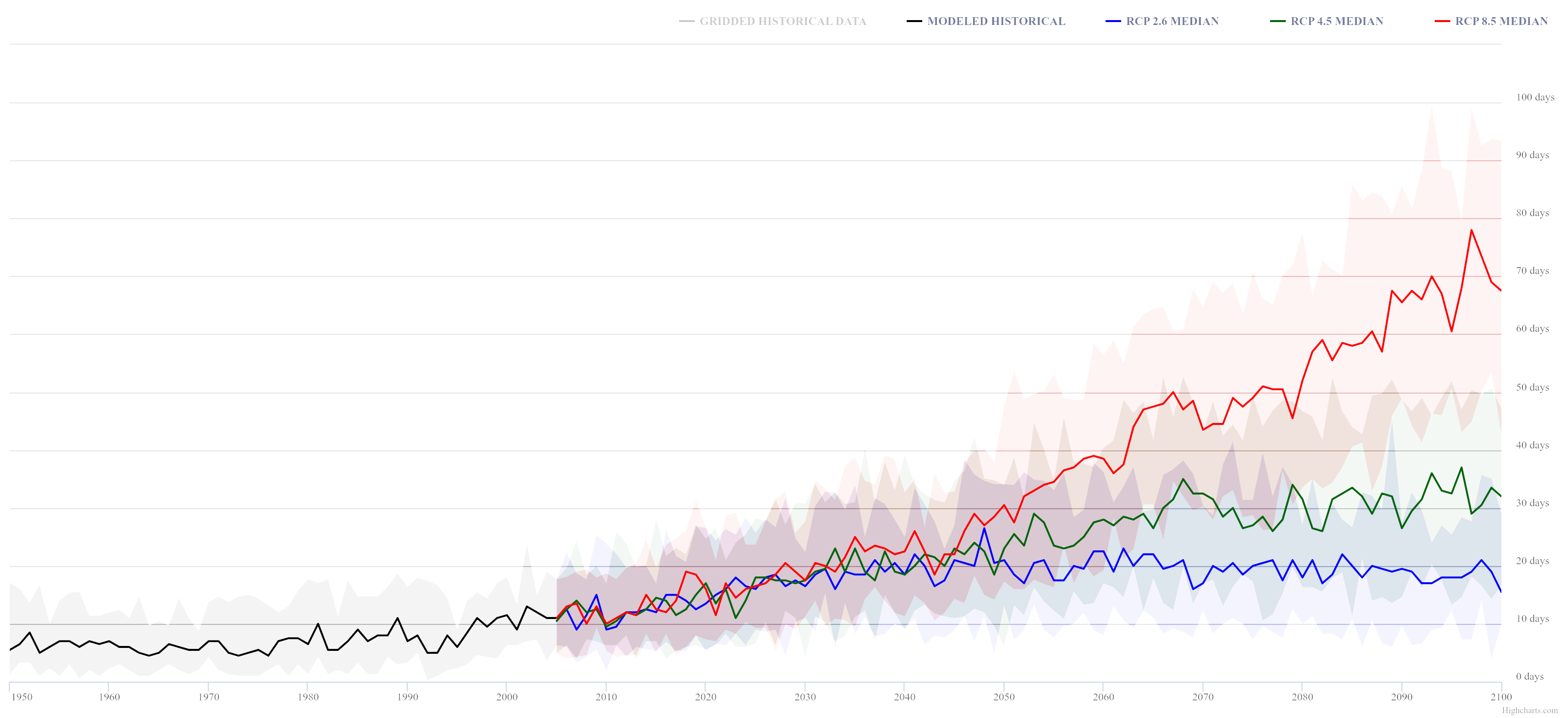
As of 2026, the province has observed several measurable shifts in its climate compared to the late 20th-century benchmarks. According to the New Brunswick Climate Change Secretariat, there is a clear trend toward:
- Shorter Winters: The period of continuous snow cover has decreased, particularly in the southern half of the province. This has implications for the forestry industry, which relies on frozen ground for heavy machinery access.
- Increased Precipitation Intensity: While total annual precipitation has remained relatively stable, it now frequently arrives in shorter, more intense bursts. This puts additional pressure on municipal stormwater systems and increases the risk of erosion.
- Sea-Level Rise: Coastal communities, particularly along the Chignecto Isthmus and the Acadian Peninsula, are facing increased risks of storm surges. Infrastructure projects in 2026 are increasingly focused on "living shorelines" and dike reinforcement.
Practical Recommendations for Residents and Travelers
Whether you are planning a move to New Brunswick or just visiting, the climate dictates specific preparations:
- Vehicle Readiness: Winter tires are not just a suggestion; they are a necessity for safety between November and April. Ensure your vehicle is equipped with a winter emergency kit, including blankets and a shovel.
- Home Winterization: If living in the interior, ensure your home has a secondary heating source (such as a wood stove or generator) in case of power outages during ice storms.
- Dressing in Layers: Because of the drastic temperature differences between sun and shade, and coast and inland, "layering" is the gold standard for clothing. A waterproof outer shell is essential year-round.
- Gardening: Consult the Plant Hardiness Zones before planting. New Brunswick ranges from Zone 3 in the north to Zone 6 in the southern coastal areas.
Frequently Asked Questions
What is the snowiest month in New Brunswick?
January and February typically see the highest accumulation of snow. However, late-season storms in March can often produce the single largest snowfall events of the year due to increased moisture in the air as temperatures begin to moderate.
Does New Brunswick get hurricanes?
While New Brunswick rarely experiences a direct hit from a Category 1 or higher hurricane, it frequently experiences "post-tropical cyclones." These storms, like the remnants of Hurricane Fiona or Lee in previous years, can still bring hurricane-force wind gusts and extreme rainfall that lead to power outages and coastal flooding.
Why is it so foggy in Saint John?
The fog in Saint John is caused by "advection fog." This occurs when warm, moist air from the south moves over the cold waters of the Bay of Fundy. The air is cooled to its dew point, creating thick, persistent fog that can last for days, especially during the spring and summer months.
Is New Brunswick humid?
Yes, New Brunswick can be quite humid in the summer. Because it is surrounded by water on three sides and receives air masses from the south, humidity levels often make a 25°C day feel like 30°C or higher (known as the Humidex).
When is the best time to visit for good weather?
For warm-weather activities like hiking and beaches, late July through August is ideal. For those wanting to see the fall colors without the extreme cold, the last week of September and the first week of October offer the most spectacular scenery and comfortable temperatures.
Next Steps for Climate Awareness
For those living in New Brunswick, staying informed via Environment Canada's weather alerts is the best way to prepare for the province's rapid weather changes. If you are a property owner, consider investigating the "Climate Change Adaptation" resources provided by your local municipality to understand how shifting patterns might affect your specific region over the coming decade.
Image Gallery