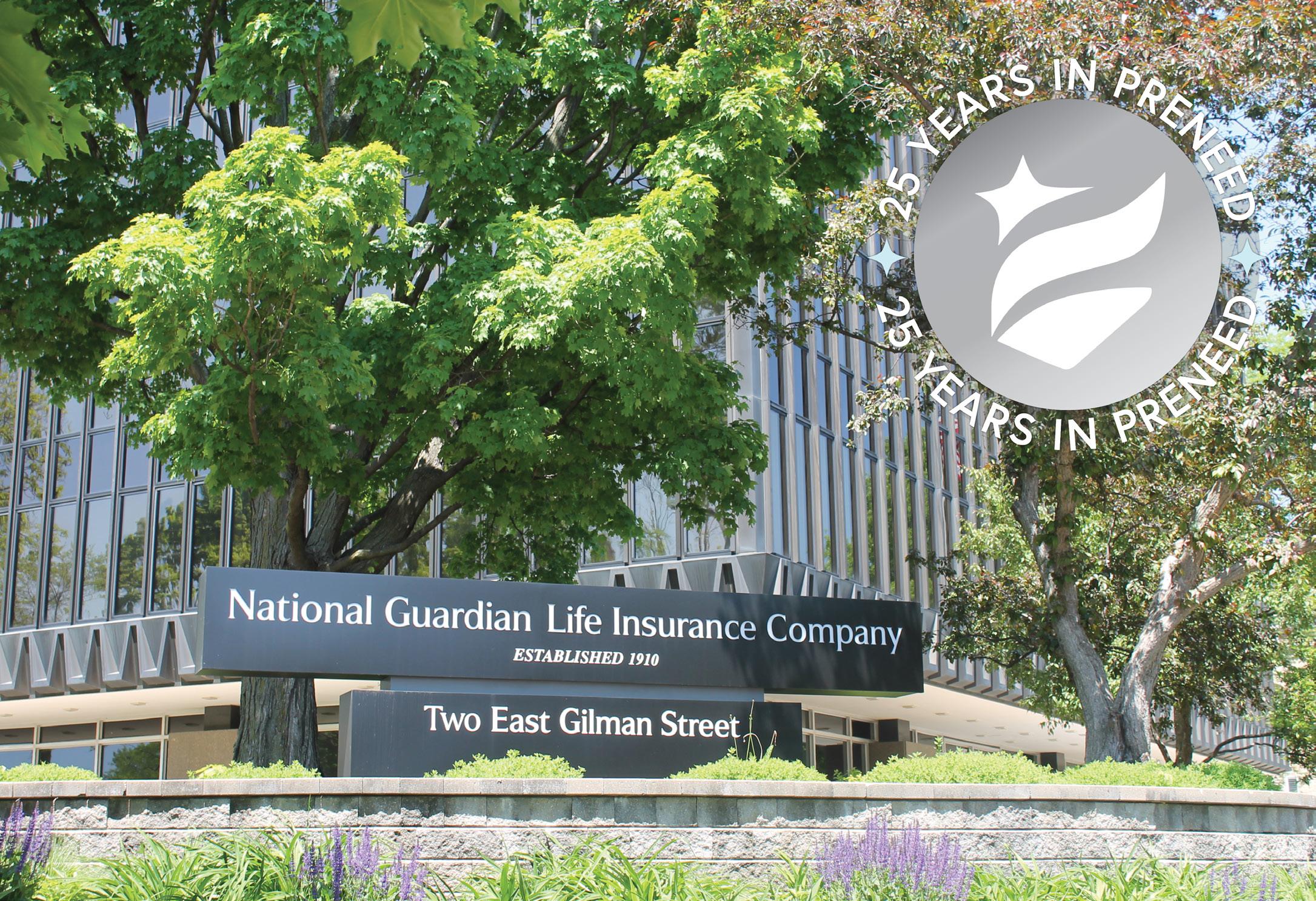
Understanding National Guardian Life Insurance Rebate Policies and Practices
Navigating life insurance products often involves examining various pricing structures, producer compensation methods, and regulatory frameworks. When looking into a "national guardian life insurance rebate," consumers and professional...
Navigating life insurance products often involves examining various pricing structures, producer compensation methods, and regulatory frameworks. When looking into a "national guardian life insurance rebate," consumers and professionals generally want to understand whether premium rebates are legally permitted, how agents compensate clients, and what state insurance laws dictate regarding inducements.
Contents
Insurance rebating—the practice where an insurance producer returns a portion of their commission or offers a special favor, discount, or incentive to entice a client to purchase a policy—is strictly regulated in the United States. National Guardian Life Insurance Company (NGL) operates through a network of independent agents, general agents, and financial advisors who must strictly adhere to state-specific insurance codes regarding premium discounting and producer inducements. Because insurance is regulated at the state level rather than federally, understanding how rebates apply to NGL products requires looking closely at state statutes, company compliance directives, and consumer protection laws.
The Legal Landscape of Insurance Rebating
The legality of an insurance rebate depends almost entirely on the jurisdiction in which the policy is issued. State insurance commissioners enforce statutes designed to prevent unfair trade practices, unfair discrimination, and rebating.
Historically, state insurance laws across the United States prohibited rebating entirely. The rationale behind these anti-rebating laws centered on consumer protection and market stability. Regulators argued that if agents could arbitrarily discount premiums or offer cash kickbacks, it could lead to unfair discrimination among consumers buying the same coverage. Furthermore, unrestricted rebating could spark destructive price wars, potentially undermining the financial solvency of smaller insurance carriers and encouraging aggressive sales tactics that might not serve the policyholder's best long-term interests.
In recent decades, however, the legal landscape has experienced a gradual shift. Several states have modernized their insurance codes to permit rebating under specific, highly regulated conditions. These revisions generally require that any rebate must be:
- Applied uniformly and made available to all insureds purchasing the same policy class.
- Clearly disclosed in writing to the consumer before policy purchase.
- Free from coercion or unfair discrimination.
- Handled exclusively by licensed producers in compliance with state carrier appointment rules.
National Guardian Life Insurance Company (NGL) and Producer Compliance
National Guardian Life Insurance Company is a mutual life insurance company headquartered in Madison, Wisconsin, offering products such as preneed funeral insurance, whole life insurance, final expense coverage, and specialized annuities. Like most major insurers, NGL sells its products through independent distribution channels.
Independent producers—including insurance agents, brokers, and financial planners—act as intermediaries between the consumer and the insurance carrier. While these producers are authorized to present NGL products, quote rates, and assist with underwriting, they must operate within the boundaries established by both NGL's compliance guidelines and state insurance laws.
From an operational standpoint, NGL does not typically offer direct consumer rebates, as insurance policies are priced according to actuarial tables filed and approved by state departments of insurance. Instead, any financial adjustments, discounts, or promotional incentives must flow through the licensed producer's commission structure, subject to strict state-level oversight. If a producer attempts to offer a unauthorized rebate on an NGL policy in a state where rebating is illegal, both the producer and the transaction could face regulatory penalties, including the suspension or revocation of the producer's license.
Comparing Anti-Rebate and Permissive Rebate States
Understanding whether a rebate is possible in connection with a life insurance policy requires categorizing states by their regulatory stance. The table below outlines how different jurisdictions generally approach the practice of insurance rebating.
| Regulatory Category | State Policy Approach | Key Requirements for Compliance | Potential Risks for Violations |
|---|---|---|---|
| Strict Prohibition | Complete ban on offering any financial incentive, gift, or commission split not explicitly stated in the policy. | None; rebating is unlawful under all standard consumer scenarios. | License suspension, civil fines, misdemeanor charges for the producer. |
| Conditional Permissiveness | Allows rebates provided they meet statutory criteria of transparency and non-discrimination. | Must be offered uniformly to all applicants, disclosed in writing, and not tied to illegal coercion. | Administrative penalties if terms are applied arbitrarily or deceptively. |
| Broad Permissiveness | Modernized statutes that permit agent-client commission sharing with minimal restrictions. | Basic disclosure and adherence to general anti-fraud and unfair trade practice rules. | Regulatory scrutiny if used to hide hidden fees or misrepresent policy values. |
Evaluating Policy Costs and Value Without Rebates
When consumers search for phrases related to insurance rebates, they are often looking for ways to lower their out-of-pocket costs for whole life, final expense, or preneed policies. Because direct rebates from NGL or its agents are legally restricted in the majority of states, policyholders must rely on structural and product-based strategies to secure the best value.
Optimizing Underwriting Categories
Life insurance premiums are calculated based on risk factors such as age, health history, tobacco use, and lifestyle. Securing the lowest possible rate with NGL or any other carrier relies on accurate underwriting disclosure and health improvement prior to application. Working with an independent agent who can shop across multiple carriers ensures that the consumer is matched with the most competitively priced product for their specific health profile, bypassing the need for informal discounts or rebates.
Policy Structure and Face Amount Adjustments
Adjusting the death benefit, selecting appropriate riders, or choosing between level-premium whole life and graded-benefit plans can significantly alter the ongoing cost of coverage. Consumers should review their long-term financial objectives with a fiduciary advisor to ensure that every dollar spent on premiums directly supports their legacy or final expense planning goals, rather than relying on temporary promotional incentives that do not affect the underlying actuarial cost of the insurance contract.
Frequently Asked Questions
Can my insurance agent legally give me a cash rebate on my National Guardian Life policy?
It depends entirely on the state where the policy is written. If your state maintains strict anti-rebating laws, any cash back, gift, or commission split offered by the agent to induce you to buy the policy is illegal. If your state permits rebating under modernized insurance codes, the agent may offer a rebate provided it complies with statutory disclosure and uniformity rules.
Does National Guardian Life Insurance Company offer direct discounts or rebates?
No. NGL prices its insurance products based on actuarial filings approved by state insurance departments. Premium rates are fixed according to the applicant's age, health, and policy type, and the company does not issue direct consumer rebates or discretionary price reductions.
What happens if an illegal rebate is discovered by a state insurance department?
State insurance commissioners actively investigate reports of illegal inducements and unfair trade practices. If a producer is found to have offered an unauthorized rebate, they may face administrative fines, probation, or the permanent revocation of their insurance license. In some cases, the policy itself may be subject to regulatory review.
How can I lower the cost of my life insurance policy if rebates are illegal in my state?
The most effective way to manage insurance costs is to shop around through an independent broker, apply at a younger age when rates are lower, maintain healthy lifestyle habits, and select a policy type—such as term versus whole life—that aligns precisely with your financial budget and protection needs.
Next Actions for Consumers and Policyholders
If you are currently evaluating a life insurance policy from National Guardian Life or another provider and have questions regarding agent incentives, pricing structures, or policy provisions, your first step should be to consult the official state department of insurance website for your jurisdiction. Regulatory bodies publish up-to-date consumer guides detailing what producer practices are legal in your area. Additionally, always review your policy contract and disclosure forms thoroughly, ensuring that all cost terms are transparently documented before signing.
Image Gallery