A Comprehensive Guide to Choosing a Paving Contractor in Annapolis MD
Selecting a reliable paving contractor in Annapolis, Maryland, requires balancing technical expertise, local regulatory compliance, and a clear understanding of the region’s unique climate impacts on asphalt and concrete surfaces. Home...
Selecting a reliable paving contractor in Annapolis, Maryland, requires balancing technical expertise, local regulatory compliance, and a clear understanding of the region’s unique climate impacts on asphalt and concrete surfaces. Homeowners and property managers must prioritize contractors who hold valid Maryland Home Improvement Commission (MHIC) licenses, carry comprehensive liability insurance, and demonstrate experience with the specific soil conditions found in the Chesapeake Bay area.
Contents
Understanding the Annapolis Paving Environment
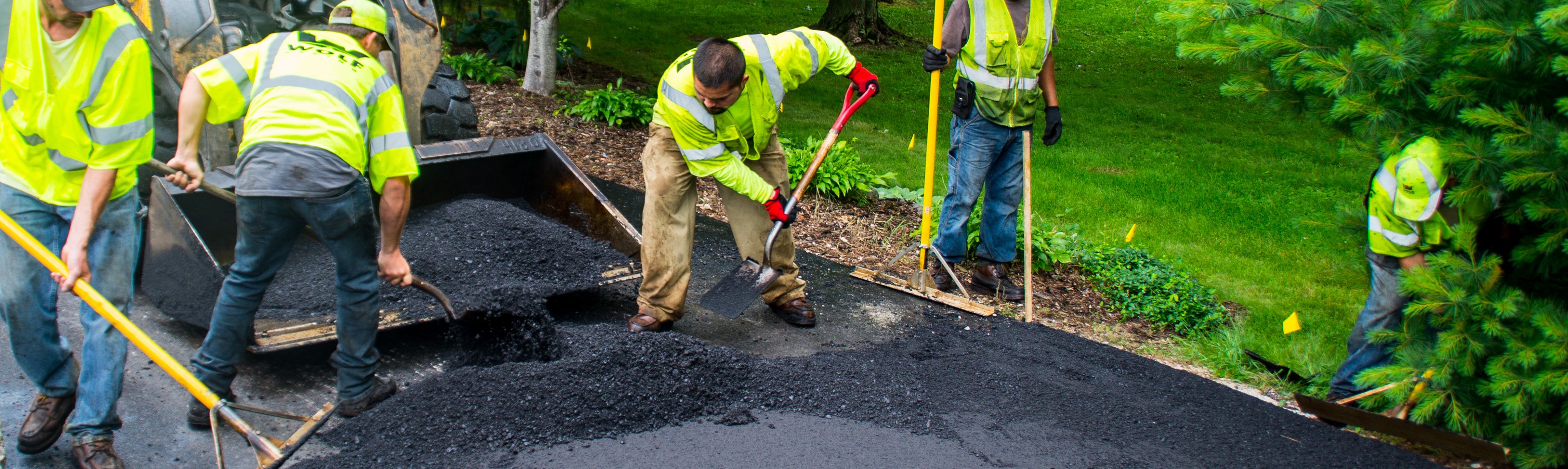
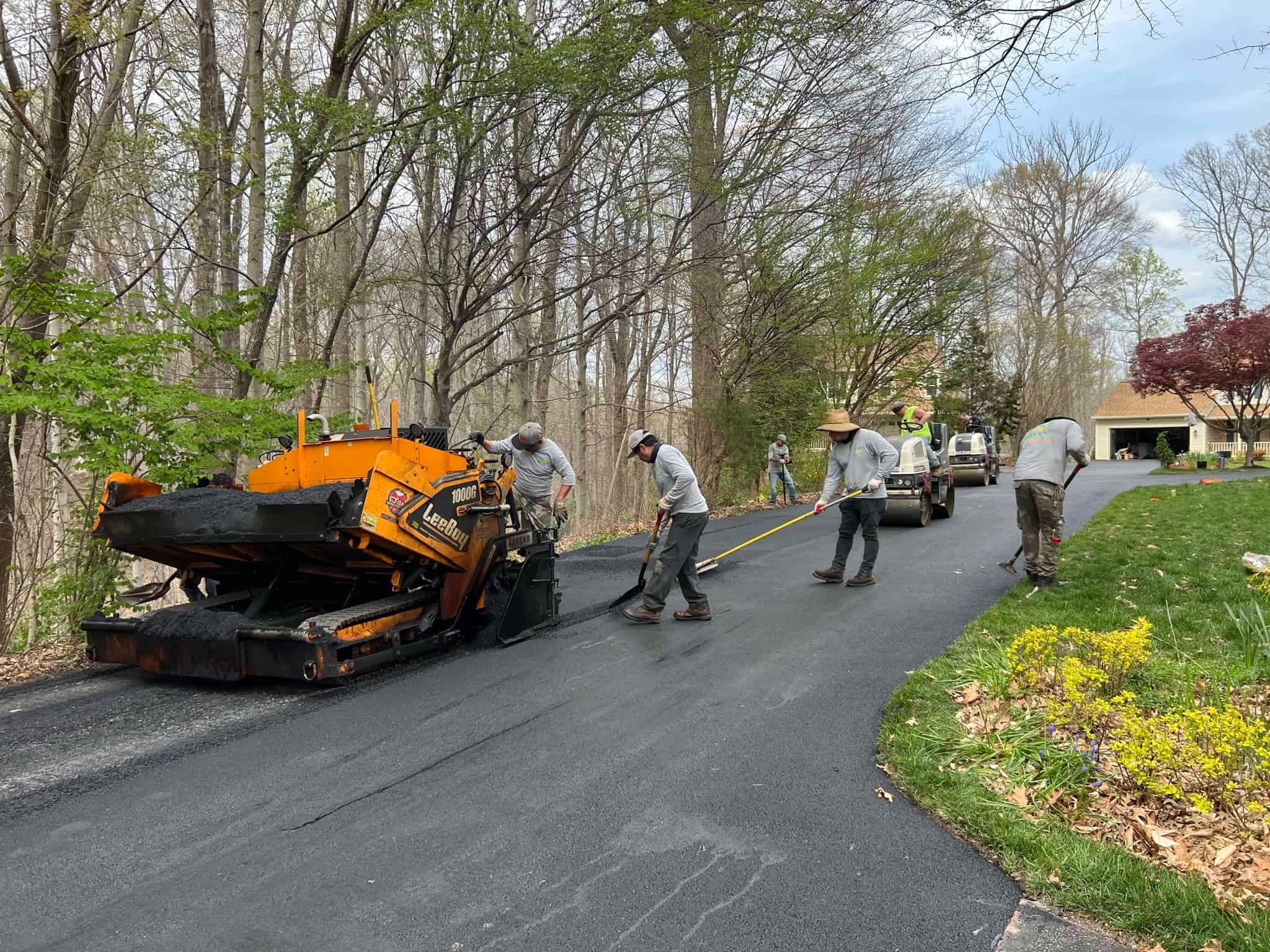
Annapolis presents specific challenges for pavement longevity. The city’s proximity to the Chesapeake Bay and the Severn River results in high humidity, fluctuating seasonal temperatures, and a water table that can affect soil stability beneath driveways and parking lots. When choosing a contractor, it is essential to find someone who understands how to properly prepare a sub-base—the crushed stone layer beneath the asphalt—to prevent premature cracking, potholes, and water pooling.
A paving project is not merely about pouring material; it is about site-specific engineering. Contractors who skip site grading or ignore drainage requirements often leave clients with surfaces that degrade within a few short years. By verifying that a contractor uses high-quality base materials and follows local environmental guidelines regarding runoff, you ensure that your investment is protected against the cyclical freezing and thawing typical of Maryland winters.
The Verification Checklist: Before You Hire
Before committing to any contractor, verify their credentials through the Maryland Home Improvement Commission (MHIC) online license search. In Maryland, a contractor must hold an active MHIC license to perform home improvement work. You should also ask to see their Certificate of Liability Insurance. Never rely on verbal assurances; always request a copy of the actual certificate and ensure the policy is current for the 2026 calendar year.
Beyond licensing, consider the following vetting steps:
- Physical Presence: Confirm the contractor has a local office or a registered business address in the Annapolis or Anne Arundel County area. Local contractors are more likely to have a reputation to protect and are easier to reach for warranty work.
- Project History: Ask for addresses of projects completed two to five years ago. Viewing a job that has been exposed to several Maryland winters provides a much clearer picture of quality than looking at a brand-new, freshly sealed driveway.
- Written Estimates: A professional estimate should be itemized. It should specify the square footage, the thickness of the sub-base, the thickness of the asphalt (often measured in inches after compaction), and the type of material used.
Comparing Paving Service Options
When evaluating quotes, compare the technical specifications of each bid rather than just the bottom-line price. A significantly lower quote often indicates that the contractor is using thinner asphalt, skimping on base material, or skipping necessary site preparation steps like excavation or proper compaction.
| Feature | Quality Standard | Red Flag Indicator |
|---|---|---|
| Sub-Base | 4 to 8 inches of compacted stone | No sub-base or soil-only base |
| Asphalt Thickness | 2 to 3 inches after compaction | Under 1.5 inches |
| Drainage | Clearly defined slope (1% to 2%) | Flat or reverse-pitch design |
| Licensing | Verified active MHIC number | "Under license of another" or no license |
| Warranty | 1 to 2 years on workmanship | No written warranty provided |
The Importance of Proper Drainage and Grading
In Annapolis, effective water management is the most critical factor in asphalt longevity. Because the area experiences heavy rainfall, standing water is the primary enemy of any pavement surface. An experienced contractor will evaluate the natural slope of your property and ensure the new driveway or parking lot encourages water to flow away from building foundations and toward storm drains or permeable catch basins.
If your property has high clay content, as is common in many parts of Anne Arundel County, your contractor must account for soil expansion. They should recommend an appropriate stone sub-base thickness to bridge over soft spots. If a contractor suggests simply layering new asphalt over old, cracked pavement without addressing underlying soil movement, decline the bid. This is a temporary solution that will almost certainly fail.
Managing Costs and Project Expectations
Paving costs fluctuate based on the cost of raw materials (bitumen and aggregate), labor rates, and the complexity of the site. In 2026, you should prepare for a range of prices depending on whether you require a full tear-out and replace or a simple resurfacing project.
Always insist on a written contract. This document should detail:
- The specific scope of work, including excavation depths.
- A clear timeline for the start and completion dates.
- Payment terms—ideally, a deposit followed by payments upon completion of specific milestones, rather than the full amount upfront.
- Responsibilities for permits if your project falls under specific Annapolis city or Anne Arundel County regulations.
Common Pitfalls to Avoid
Many homeowners fall victim to "traveling pavers"—unsolicited door-to-door contractors who claim to have "leftover asphalt" from a nearby job. These operators rarely have valid licenses or insurance and typically produce inferior work that fails within a single season. Always treat unsolicited offers with extreme skepticism. Legitimate paving contractors are almost always booked in advance and rarely have unannounced gaps in their schedules to perform surprise work on residential properties.
Frequently Asked Questions
Does my paving project require a permit in Annapolis? Yes, certain paving projects—especially those involving structural changes, alterations to driveway apron curb cuts, or significant changes to site drainage—require permits. Check with the Annapolis Department of Planning and Zoning to determine if your project meets the criteria for a permit.
What is the difference between resurfacing and a full replacement? Resurfacing involves adding a new layer of asphalt over an existing, structurally sound base. Full replacement involves removing the old asphalt, re-grading the base, and pouring entirely new layers. Resurfacing is cheaper but only appropriate if the foundation is stable.
When is the best time of year to pave in Maryland? The best time is during the warmer months, typically from late spring to early autumn. Asphalt requires specific ambient temperatures to remain pliable during installation and to achieve proper density during compaction. Installing in cold weather can lead to porous, brittle pavement.
How do I maintain my driveway after it is paved? Keep heavy vehicles off the new surface for at least 3 to 7 days, depending on weather. In the following years, sealcoating every 2 to 3 years can help protect the asphalt from UV rays and water penetration, extending its lifespan.
Next Steps for Property Owners
Once you have narrowed your search to two or three licensed contractors, request a formal, site-specific estimate from each. Use the comparative table provided in this guide to evaluate their proposed methods. Do not be afraid to ask technical questions about their sub-base preparation and equipment. A professional who is confident in their work will be happy to explain their process. Your goal is to secure a long-term partnership with a contractor who prioritizes quality and understands the geological and climatic realities of Annapolis.
Image Gallery