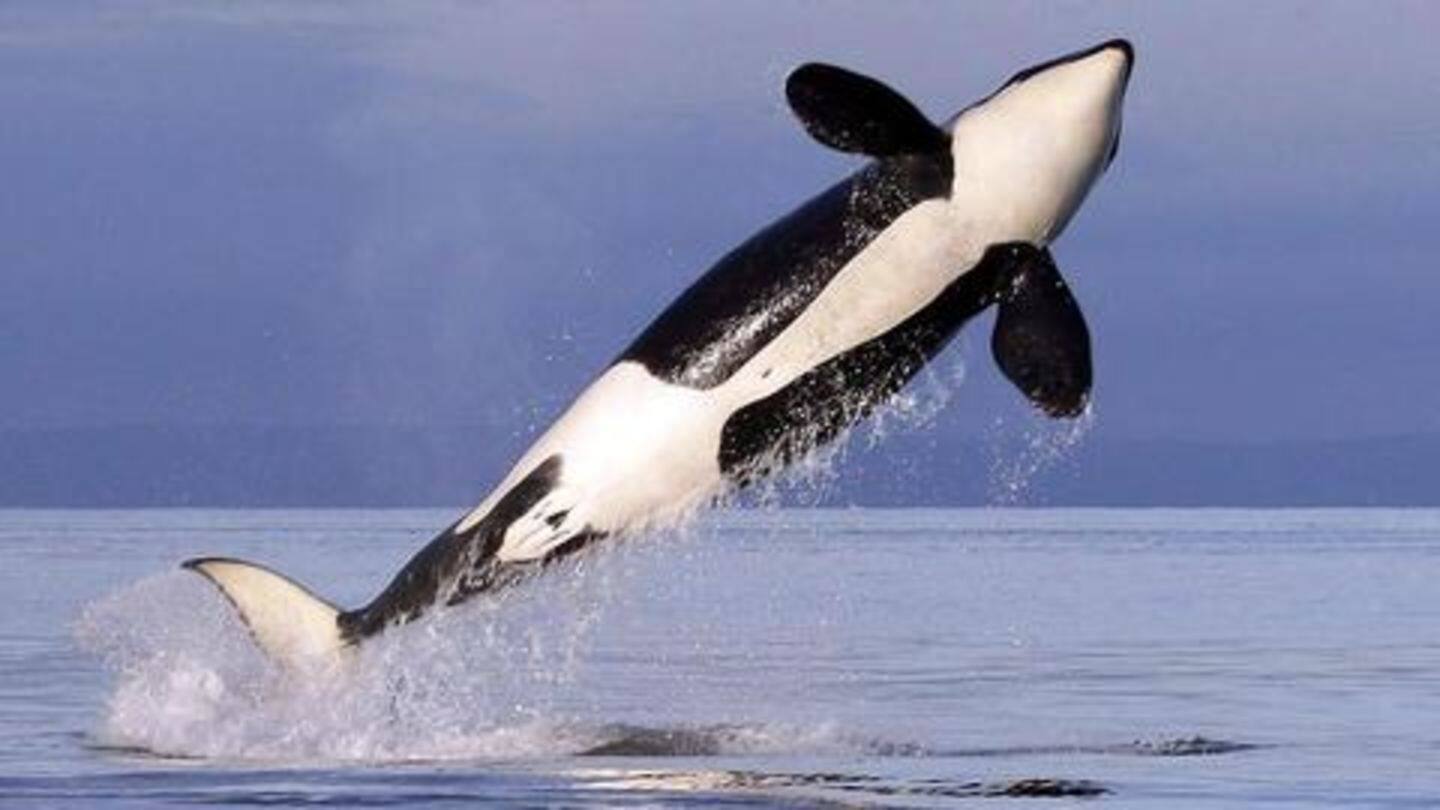
How to Save Orca Whales in a Changing World
Saving orca whales—the apex predators of the world's oceans—requires a multifaceted approach that addresses the intersection of habitat degradation, food source depletion, and anthropogenic stressors. By prioritizing the restoration of...
Saving orca whales—the apex predators of the world's oceans—requires a multifaceted approach that addresses the intersection of habitat degradation, food source depletion, and anthropogenic stressors. By prioritizing the restoration of Chinook salmon populations, mitigating vessel noise, reducing legacy contaminants, and enforcing international protections, conservationists can stabilize these apex populations against the accelerating impacts of a changing global climate.
Contents
Understanding the Modern Challenges Facing Orca Populations
Orca whales (Orcinus orca) are highly social, intelligent, and specialized mammals, but their adaptability is being tested by environmental shifts. As of 2026, scientific assessments indicate that the most significant threat to the Southern Resident killer whales, for instance, is the dwindling availability of their primary prey: Chinook salmon. The interplay of climate change—which alters water temperatures and salmon spawning success—and industrial ocean activity creates a compounding effect that limits the whales' ability to forage efficiently.
Furthermore, orcas are long-lived species that accumulate persistent organic pollutants (POPs) in their blubber. As nutritional stress forces them to metabolize these fat stores, the toxins are released into their systems, potentially causing reproductive failure and immune system suppression. Addressing these threats requires moving beyond localized action toward systemic management of coastal and pelagic ecosystems.
The Role of Prey Restoration in Orca Survival
The primary strategy for ensuring the survival of orcas is the prioritization of their food security. In regions like the Pacific Northwest, the recovery of salmon runs is a direct proxy for orca health.
- Dam Removal and River Restoration: Infrastructure projects that improve salmon migration routes allow for higher spawning counts. Improving fish passage in major river systems is critical to increasing the biomass of Chinook salmon available to orcas.
- Sustainable Fishery Management: Adjusting catch limits to account for whale consumption ensures that industrial fishing does not outcompete protected predator populations.
- Habitat Protection: Protecting the cold-water tributaries required by salmon for spawning is a prerequisite for long-term prey stability. When salmon thrive in clean, temperature-regulated environments, orcas benefit from a consistent caloric intake.
Mitigating Noise Pollution and Vessel Disturbance
Orcas rely on echolocation to hunt, socialize, and navigate. In the modern ocean, underwater noise from commercial shipping, ferries, and whale-watching vessels creates an acoustic "fog" that obscures the whales' ability to detect prey.
To mitigate this, international maritime regulations are increasingly focusing on:
- Speed Restrictions: Mandating slower transit speeds in critical habitats significantly reduces the decibel levels produced by ship propellers.
- Geographic Exclusion Zones: Creating "no-go" areas or voluntary sanctuaries allows pods to hunt undisturbed by recreational or commercial traffic.
- Vessel Quotas: Limiting the number of boats allowed near a pod at any given time prevents the crowding of whales, reducing physiological stress.
Chemical Contaminants and Legacy Pollution
Even with abundant food, orcas remain vulnerable to the legacy of industrial chemicals, such as polychlorinated biphenyls (PCBs), which persist in marine sediments. Because orcas are at the top of the food chain, they experience biomagnification—a process where toxins concentrate as they move up the trophic levels.
Conservation efforts in 2026 involve monitoring water quality in proximity to industrial runoff sites and advocating for stricter discharge regulations. Reducing the flow of new plastics and chemical contaminants into the ocean is essential to prevent future generations of orcas from inheriting high toxic loads.
Comparative Strategies for Orca Conservation
The following table outlines the key areas of intervention required to stabilize orca populations and the expected impact of each strategy.
| Strategy | Primary Mechanism | Implementation Difficulty | Expected Impact |
|---|---|---|---|
| Salmon Restoration | Habitat/Dam Management | High | Very High (Long-term) |
| Noise Reduction | Maritime Regulation | Medium | Immediate (Behavioral) |
| Contaminant Cleanup | Industrial Policy | Very High | Medium (Generational) |
| Marine Protected Areas | Legislative Enclosure | Medium | High |
Essential Steps for Active Conservation Participation
Individuals and organizations play a vital role in the political and environmental pressure required to protect these animals. If you are involved in conservation or community advocacy, the following actions represent the most effective path forward:
- Policy Advocacy: Support legislation that promotes the removal of obsolete dams and the enforcement of stricter water quality standards.
- Sustainable Seafood Choices: By choosing seafood that adheres to sustainable harvesting certifications, consumers reduce the pressure on overfished salmon stocks that orcas rely upon.
- Support Research Initiatives: Contribute to programs that utilize satellite telemetry and acoustic monitoring to track pod movements. Accurate data is the prerequisite for any legislative change.
- Responsible Tourism: If participating in whale watching, ensure the operators strictly follow the "Be Whale Wise" guidelines, which dictate minimum approach distances and speed limits.
Frequently Asked Questions
Why is Chinook salmon so important to orcas? Chinook salmon are the largest and fattiest of the Pacific salmon species. They provide the high caloric density required for orcas to maintain their energy levels, survive cold water, and successfully reproduce.
Does climate change directly affect orca health? Yes, primarily indirectly. Climate change alters ocean currents, increases sea surface temperatures, and triggers droughts that dry up salmon spawning streams, which directly lowers the availability of prey for the orcas.
How does underwater noise affect an orca's ability to hunt? Orcas use high-frequency sound to map their surroundings and locate fish. When ambient noise levels from shipping or heavy boat traffic rise, the whales must expend significantly more energy to communicate and forage, often leading to them abandoning productive hunting grounds.
What is the most effective way to help orcas? The most effective way to help is to advocate for policies that prioritize the recovery of their food sources and the creation of legally protected marine corridors where noise and vessel traffic are strictly regulated.
Can orcas recover if we remove pollution today? Contaminant reduction is a long-term goal. Because many pollutants, such as PCBs, settle in sediments, it takes decades for the environment to "cleanse." However, preventing new pollutants from entering the ecosystem is the only way to ensure the long-term viability of the species.
Next Steps for Implementation
The most immediate action required for the preservation of orcas is the integration of acoustic management into shipping lane planning. Conservationists and marine managers should focus on updating port transit schedules to incorporate mandatory slow-speed zones in known whale corridors. By reducing the ambient noise floor today, we provide the whales with the immediate relief necessary to survive while the longer-term projects, such as habitat restoration, continue to scale.
Image Gallery