Understanding What Is a Normal SpO2 Reading: A Comprehensive Guide
A normal SpO2 reading typically falls between 95% and 100% for healthy adults at sea level. SpO2, or peripheral capillary oxygen saturation, represents the percentage of oxygen-saturated hemoglobin in the blood compared to total hemogl...
A normal SpO2 reading typically falls between 95% and 100% for healthy adults at sea level. SpO2, or peripheral capillary oxygen saturation, represents the percentage of oxygen-saturated hemoglobin in the blood compared to total hemoglobin. While this range is considered standard for the general population, individual health conditions, altitude, and equipment accuracy can influence these readings.
Contents
The Science Behind Oxygen Saturation
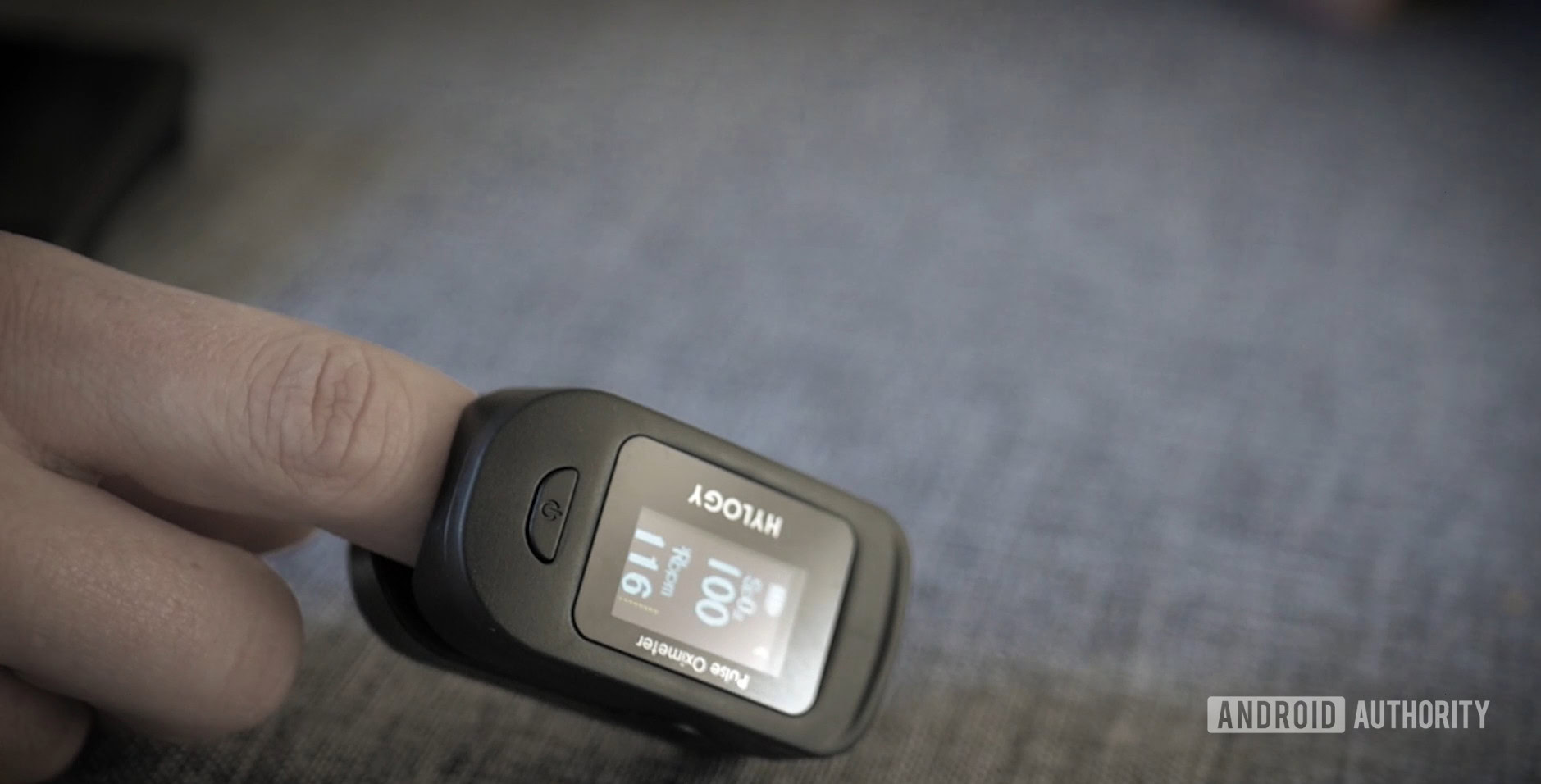
To understand SpO2, one must first understand how the body transports oxygen. Hemoglobin is a protein in red blood cells that carries oxygen from the lungs to the rest of the body. When oxygen binds to these molecules, the blood becomes oxygenated. A pulse oximeter—the medical device used to measure SpO2—uses light-emitting diodes (LEDs) to project red and infrared light through the skin, usually at a fingertip or earlobe.
The device detects how much light is absorbed by the oxygenated versus deoxygenated hemoglobin. Because oxygenated blood absorbs light differently than deoxygenated blood, the sensor calculates the ratio and displays it as a percentage. This non-invasive method provides a "snapshot" of how effectively your respiratory and circulatory systems are working together to oxygenate your tissues.
Factors Influencing Normal Ranges
While 95% to 100% is the clinically accepted "normal" range for most adults, this number is not an absolute constant for every individual. Several variables can shift what is considered a normal or baseline reading:
- Pre-existing Medical Conditions: Individuals with chronic obstructive pulmonary disease (COPD), asthma, or interstitial lung disease may have a lower baseline SpO2, often hovering between 88% and 92%, which may be considered "normal" for their specific physiology.
- Altitude: At higher altitudes, the partial pressure of oxygen in the air is lower. People living at high altitudes often adapt to lower oxygen levels, meaning their baseline SpO2 may naturally sit slightly lower than someone living at sea level.
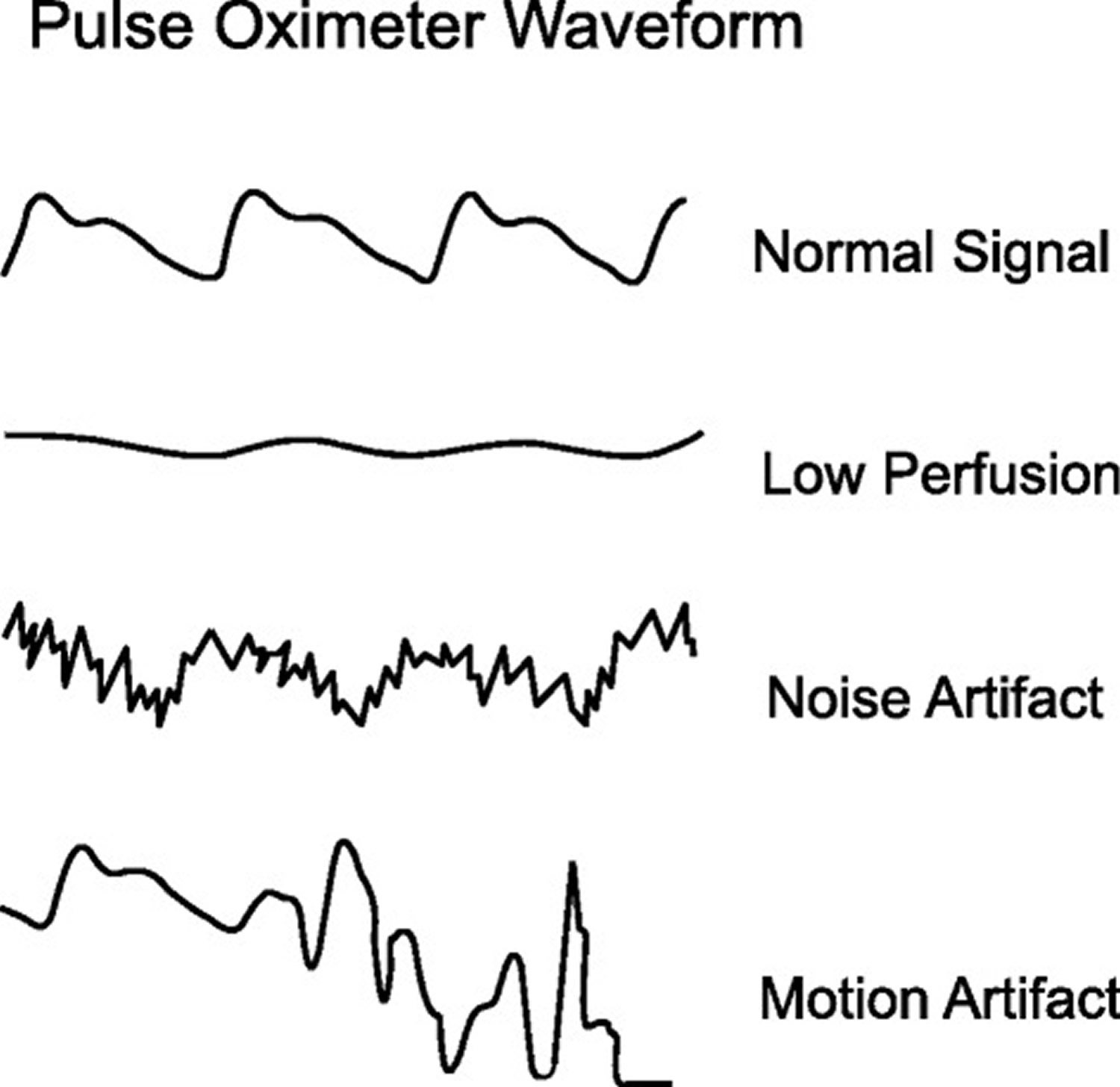
- Measurement Technique: If the device is not positioned correctly, or if the user is moving, the reading may be artificially low. Cold hands, poor circulation, or thick nail polish can also interfere with the light sensors, leading to inaccurate results.
- Age: While age does not drastically change the expected saturation levels, older adults may experience slightly lower readings due to changes in lung function and tissue elasticity over time.
Interpreting SpO2 Thresholds
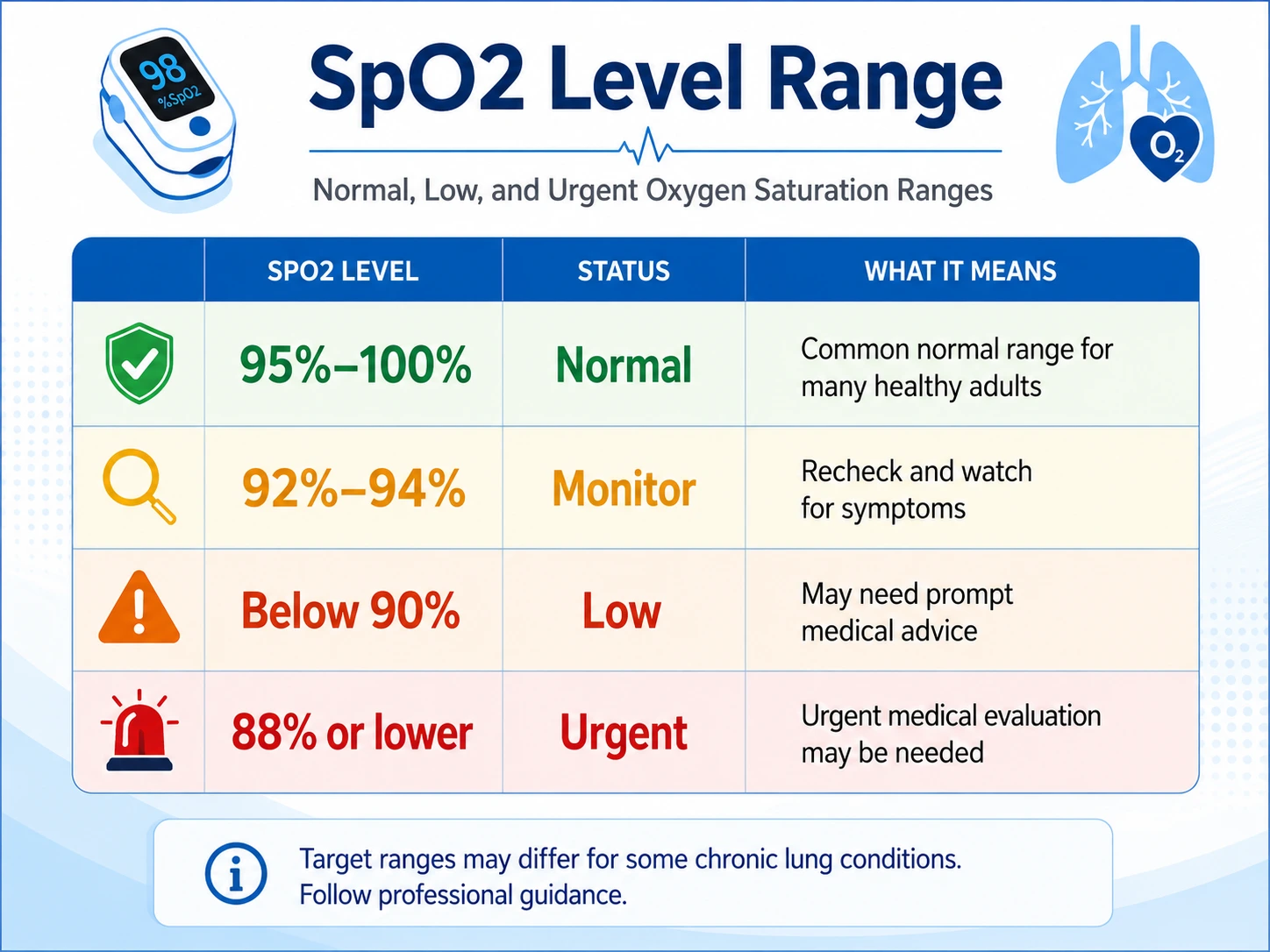
It is essential to distinguish between a healthy baseline and levels that indicate a need for medical attention. The clinical threshold for "hypoxemia"—the condition of having low blood oxygen levels—is generally recognized as any reading consistently below 90%.
| SpO2 Level | Clinical Interpretation |
|---|---|
| 95% – 100% | Normal range for healthy individuals. |
| 91% – 94% | Borderline; requires monitoring if symptoms are present. |
| Below 90% | Hypoxemia; requires immediate medical consultation. |
| Below 85% | Severe hypoxemia; often requires emergency medical intervention. |
Note: This table serves as a general guideline. Always consult a healthcare professional to determine your personal target range based on your medical history.
Limitations of Pulse Oximetry
Despite their utility, pulse oximeters are screening tools, not diagnostic equipment for complex conditions. A high SpO2 reading does not necessarily mean an individual is experiencing no health problems, nor does a low reading always indicate a respiratory crisis.
One significant limitation involves skin pigmentation. Scientific research has historically suggested that pulse oximeters may be less accurate on individuals with darker skin tones because the light absorption characteristics of melanin can interfere with the optical sensors. Furthermore, pulse oximeters do not measure the concentration of carbon dioxide in the blood. An individual could theoretically have a normal SpO2 reading while still suffering from hypercapnia (high CO2 levels), which is why clinical assessments usually involve more than just a single finger-clip measurement.
Troubleshooting Your Device
If you are using a personal pulse oximeter at home in 2026, ensure the device is accurate by following these best practices:
- Rest Properly: Sit still for at least five minutes before taking a measurement. Do not measure immediately after exercise unless directed by a physician.
- Warm Your Hands: Cold fingers restrict blood flow to the extremities, which can lead to a false low reading. Rub your hands together or place them in warm water briefly before testing.
- Check Positioning: Ensure your finger is inserted fully into the device and that the fleshy part of the finger is aligned with the light sensor.
- Remove Obstructions: Nail polish, particularly dark or glittery colors, can absorb the light and interfere with the reading. Artificial nails can also cause inaccuracies.
- Steady Hand: Keep your hand at heart level and remain as still as possible to avoid "motion artifact," which is a primary cause of erratic readings.
When to Seek Professional Advice
You should prioritize contacting a healthcare provider if your SpO2 consistently drops below your established baseline or falls into the 90% range or lower. However, even if your SpO2 is within the "normal" range, seek emergency care if you experience symptoms of respiratory distress. These signs include:
- Shortness of breath even at rest.
- The inability to speak in full sentences due to breathlessness.
- Bluish discoloration of the lips, face, or fingernails (cyanosis).
- Chest pain or rapid, shallow breathing.
- Confusion, extreme fatigue, or lethargy.
Frequently Asked Questions
Is an SpO2 of 94% dangerous? A reading of 94% is often considered borderline. For many, it is not immediately dangerous, but it is lower than the optimal range. If this is a new, unexplained drop from your usual 98% or 99%, you should observe for symptoms like dizziness or fatigue and consult your doctor.
Can exercise affect my SpO2 reading? Yes. During intense exercise, your muscles consume oxygen at a higher rate. While healthy individuals usually maintain their SpO2 levels during moderate activity, a significant drop during or immediately after exercise can indicate an underlying cardiovascular or pulmonary issue.
Does a 100% SpO2 reading mean I have perfect health? Not necessarily. An SpO2 of 100% simply means that your hemoglobin is fully saturated with oxygen. It does not provide information about your heart rate, blood pressure, glucose levels, or other vital health markers.
How often should I check my blood oxygen? Unless you have been instructed by a physician to monitor your oxygen levels due to a chronic condition, there is generally no need for a healthy person to check their SpO2 regularly. If you are experiencing respiratory symptoms, a one-time check is not as important as monitoring the trend over time.
Are smartphone pulse oximeter apps accurate? Most smartphone apps that claim to measure SpO2 using the phone’s camera and flash are not medically validated. They lack the clinical-grade sensors required for accurate saturation measurement and should not be relied upon for medical decisions.
Final Recommendation
The best use of a pulse oximeter is as a tool for tracking trends rather than as an isolated diagnostic device. If you use one at home, keep a log of your readings taken at the same time of day under consistent conditions. If you notice a consistent downward trend, or if you feel symptomatic despite a "normal" reading, do not ignore these signs. Schedule an appointment with your healthcare provider to discuss your findings and ensure your equipment is functioning correctly for your specific health needs.
Image Gallery