Analyzing the Financial Profile and Career Legacy of Kid Frost
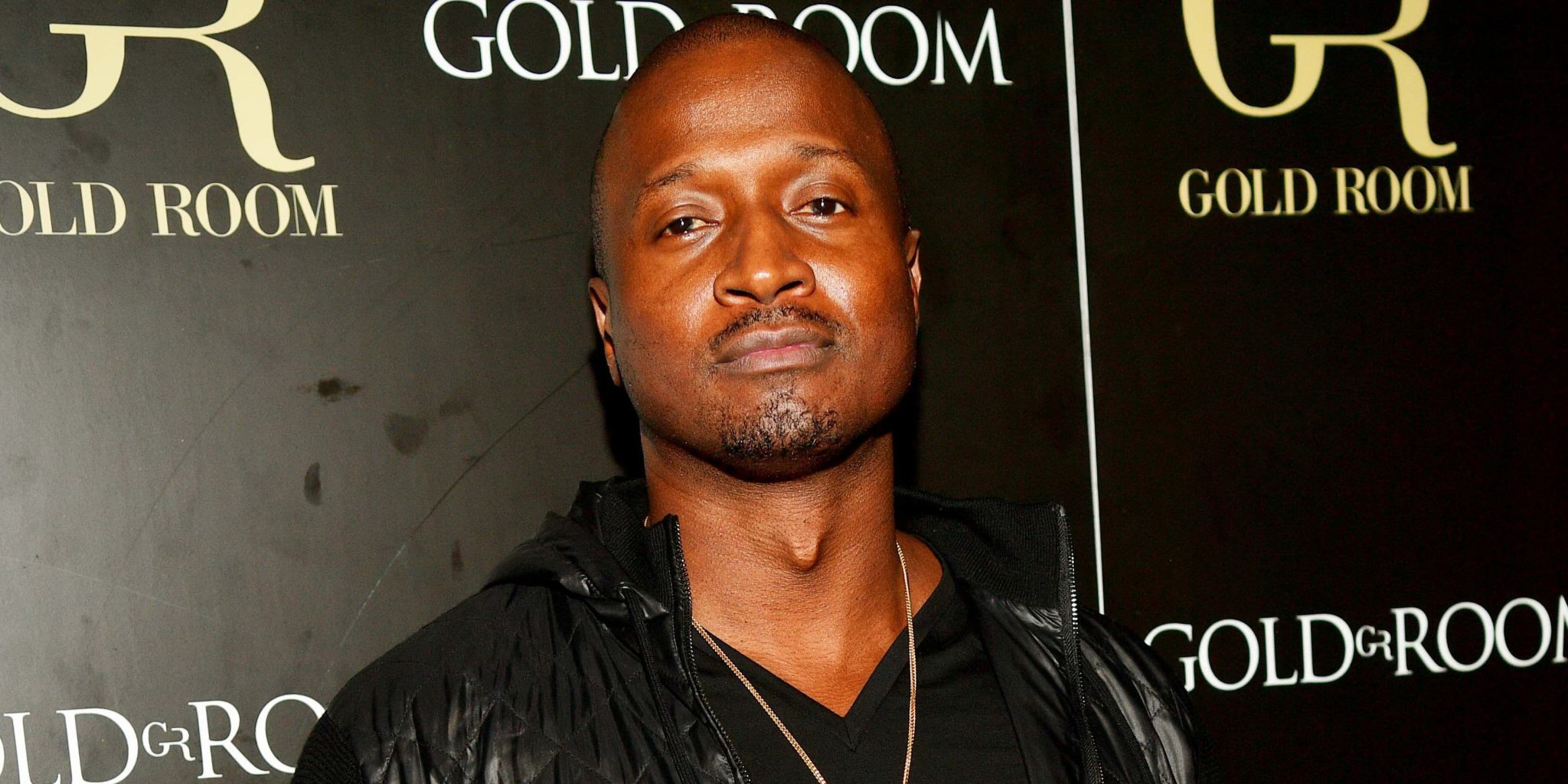
Kid Frost, born Arturo Molina Jr., is a seminal figure in West Coast hip-hop, widely recognized for pioneering Chicano rap and bridging the gap between Latino culture and the mainstream rap industry. As of 2026, his estimated net worth...
Kid Frost, born Arturo Molina Jr., is a seminal figure in West Coast hip-hop, widely recognized for pioneering Chicano rap and bridging the gap between Latino culture and the mainstream rap industry. As of 2026, his estimated net worth is approximately $500,000. This figure reflects a career spanning over four decades, characterized by significant cultural impact, foundational influence, and the common volatility associated with long-term music industry residuals.
Contents
The Foundation: Rise of a Chicano Rap Pioneer
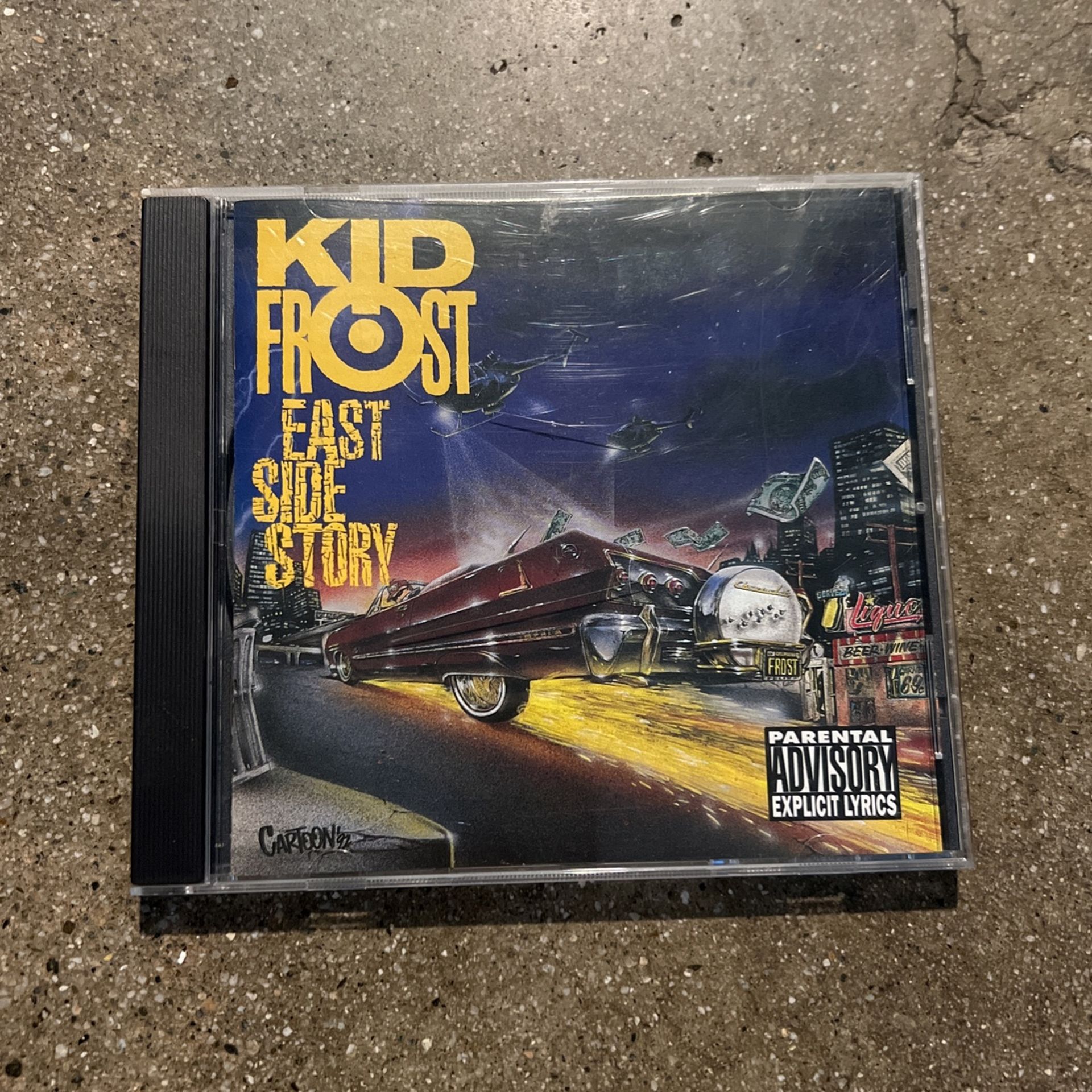
To understand the financial reality of Kid Frost, one must look at the structural nature of his contributions to hip-hop. In the late 1980s and early 1990s, the music industry was structured differently than the digital-first economy of 2026. Frost signed with Virgin Records and later Ruthless Records, platforms that provided him with high visibility but utilized traditional recording contracts that heavily favored the labels.
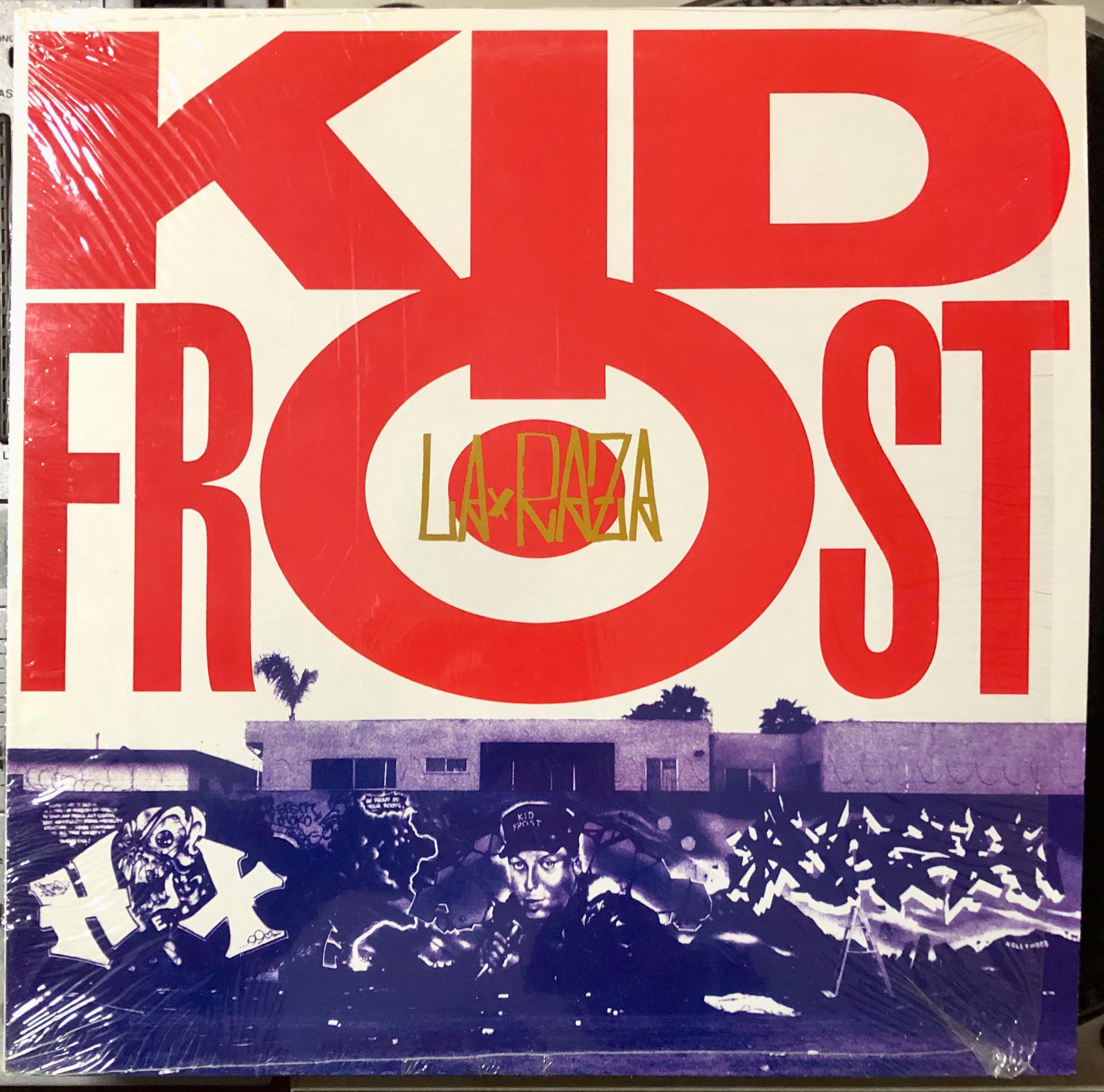
His breakthrough 1990 single, "La Raza," is arguably his most significant financial asset in terms of long-tail revenue. The song became an anthem for Chicano pride and placed him firmly in the rotation of major radio stations. Unlike modern streaming-dominant earnings, much of Frost’s wealth was built through touring and physical unit sales—formats that have faced significant depreciation in value over the decades.
Revenue Streams and Intellectual Property
The net worth of veteran artists like Kid Frost is rarely composed of liquid cash; it is typically a mosaic of royalties, performance rights, and personal assets.
- Music Royalties: These are the primary historical drivers of his earnings. However, royalty structures for hip-hop artists of that era often involved recoupable costs. The advances provided by major labels were essentially loans that needed to be paid back through sales, significantly impacting the take-home earnings of artists from the "Golden Age" of hip-hop.
- Performance Rights: Frost remained an active performer on the "old school" hip-hop circuit for many years. These appearances provide consistent, albeit fluctuating, income streams that do not scale in the same way as modern digital content creation.
- Licensing: "La Raza" remains a frequently licensed track for films, documentaries, and television shows, providing intermittent but reliable passive income.
Comparison of Revenue Drivers in 2026
Modern artists leverage social media, digital streaming, and merchandising to build wealth. Kid Frost, however, navigated an industry that lacked these levers for the majority of his prime years. The following table illustrates the variance in income generation between the era in which he built his primary wealth and the current 2026 landscape.
| Income Source | 1990-2005 (Primary Wealth Era) | 2026 (Modern Context) |
|---|---|---|
| Physical Sales | High dependency; high margins | Negligible revenue |
| Digital Streaming | N/A | Low-to-moderate royalty share |
| Touring/Live Shows | Primary source of liquidity | Residual income from legacy events |
| Publishing Rights | Retained by label/intermediaries | Crucial for long-term passive value |
| Merchandising | Minimal/Tour-specific | Digital/Direct-to-Consumer |
Managing Assets and Financial Volatility
The music industry is notoriously volatile. For artists who hit their peak in the 90s, the "net worth" figure often reflects a balance between historical earnings and the high costs of maintaining a career, legal expenses, and the lack of traditional retirement planning inherent in entertainment contracts of that generation.
It is a common misconception that high record sales translate directly into massive net worth. In reality, artists like Kid Frost often faced high overheads. The cost of touring, studio time, management fees, and the predatory nature of early music distribution deals meant that many artists from this era saw only a fraction of their total gross earnings. By 2026, Frost’s net worth is a testament to the preservation of his brand and his ability to remain a cultural touchstone within the Chicano community.
Cultural Capital vs. Liquid Net Worth
Kid Frost’s value cannot be measured solely in currency. In the context of hip-hop history, his "cultural net worth" is significantly higher than his financial net worth. He opened the doors for artists like Cypress Hill, Delinquent Habits, and Psycho Realm.
This cultural capital translates to tangible industry benefits, such as participation in legacy tours, documentary features, and consulting roles. These roles provide a steady income floor that is often independent of the volatility of the music streaming market. While a net worth of $500,000 may seem modest by the standards of current pop superstars, it represents a stable existence for a veteran artist who navigated a period of industry transition.
FAQ: Understanding Artist Wealth
How do royalties for 90s rappers like Kid Frost hold up in 2026? Royalties for 90s hip-hop artists depend on the specifics of their initial recording contracts. Many older deals had "perpetuity" clauses or unfavorable splits that favor the record label. However, as digital platforms make catalog music more accessible, those small, incremental streams provide a steady, long-term revenue flow.
Does Kid Frost still earn from touring? Yes, legacy artists frequently participate in dedicated tours, hip-hop festivals, and private events. While these are not the massive arena tours of his prime, they serve as a core component of his total annual income.
Why is his net worth not in the millions? The financial structure of the late 20th-century music business was drastically different from today. High levels of wealth for musicians today are often driven by brand partnerships, equity in tech companies, or modern streaming dominance, none of which were accessible to the foundational generation of Chicano rap.
Are there other income streams for Kid Frost? Beyond his music, Frost has been involved in acting, voice-over work, and various personal business ventures. These secondary revenue streams are vital for artists to maintain financial stability outside of the fluctuating music market.
What is the impact of historical debt on net worth? In the 90s, many artists were saddled with "recoupable" debt. This means the money the label spent on music videos, travel, and promotion was deducted from the artist's royalties. For many legends, this effectively neutralized their earning potential from record sales, shifting the focus to live performance income.
Professional Financial Context
Readers interested in the financial profiles of entertainment figures should note that these estimates are provided for informational purposes only. Publicly available "net worth" figures are often based on aggregate data, estimated asset values, and historical earnings records. They do not account for private debts, tax obligations, private property investments, or changes in legal status. For specific financial advice or wealth management, one should consult with a certified financial planner or qualified legal professional.
Next Steps for Followers of Hip-Hop History
If you are interested in the legacy of Kid Frost, the most effective way to support his work is through authorized streaming platforms and official merchandise channels. These platforms provide the most direct, albeit small, financial benefit to the artists and ensure that their catalogs remain available for future generations to study. By engaging with his original recordings, fans contribute to the ongoing viability of the music that defined the Chicano rap movement.
Image Gallery