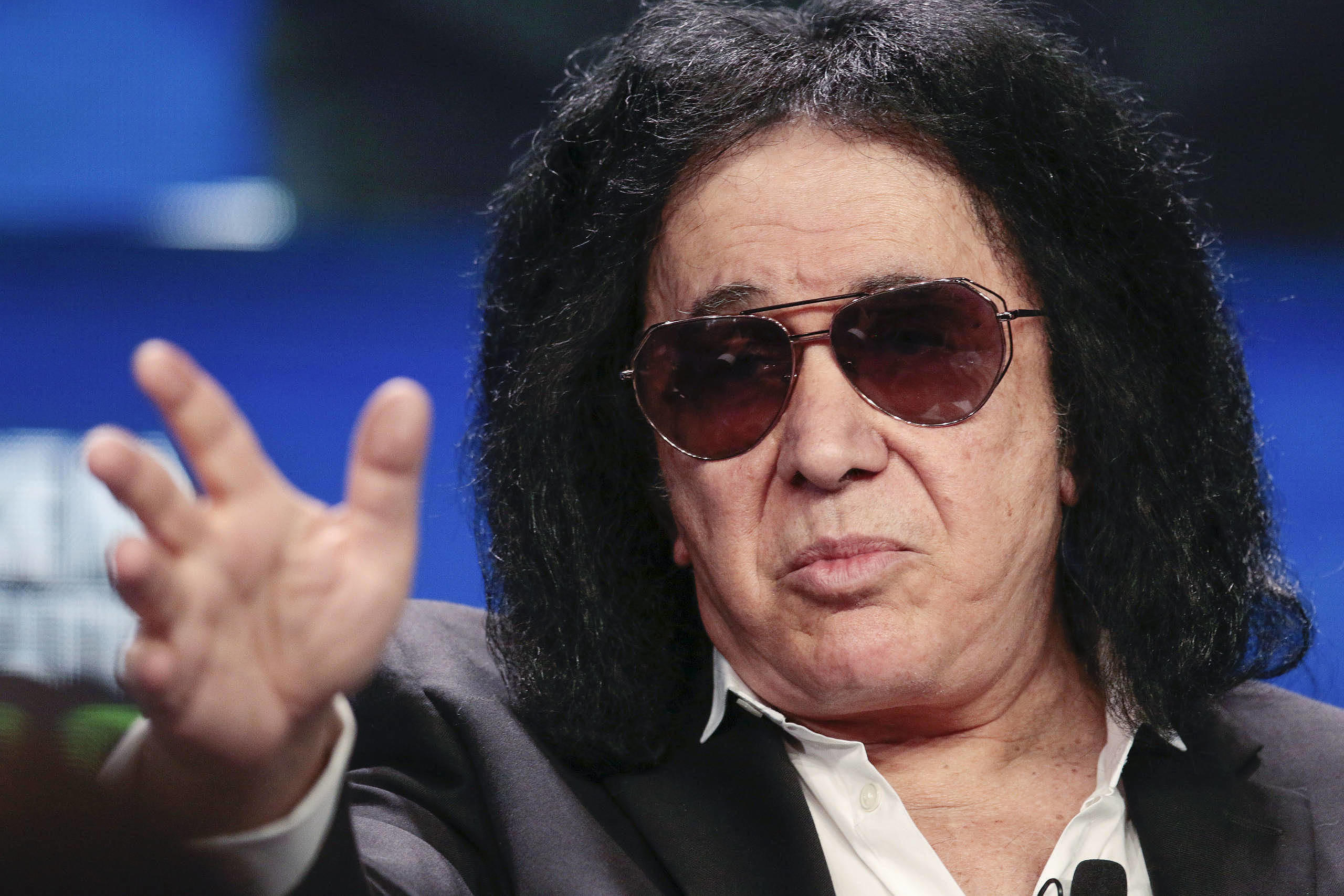
Gene Simmons Health: Lifestyle, Medical History, and Touring Longevity
Gene Simmons, the iconic bassist and co-lead vocalist of KISS, has maintained exceptional physical stamina throughout a career spanning over five decades. His health record is largely defined by a strict lifelong abstinence from alcoho...
Gene Simmons, the iconic bassist and co-lead vocalist of KISS, has maintained exceptional physical stamina throughout a career spanning over five decades. His health record is largely defined by a strict lifelong abstinence from alcohol and illicit drugs, coupled with managing routine age-related medical conditions, including a 2019 kidney stone procedure, a 2021 COVID-19 infection, and heat exhaustion in 2023.
Contents
Disclaimer: This article is for informational and educational purposes only and does not constitute formal medical advice. Consult a qualified healthcare professional regarding any personal medical conditions or treatment plans.
The Physical Demands of "The Demon"
Performing as "The Demon" in KISS requires an extraordinary level of cardiovascular endurance, muscular strength, and joint stability. Unlike traditional rock musicians who perform in lightweight attire, Simmons spent decades carrying between 40 and 50 pounds of stage gear during every performance.
This gear included custom leather-and-metal armor, spiked shoulder pads, and his signature dragon-head platform boots featuring seven-inch heels. Operating under high-intensity stage lighting, pyrotechnics, and frequent open-air flame bursts further amplified the thermal stress placed on his body.
| Estimated Physical Load Per Show | Detail |
|---|---|
| Stage Costume & Armor | 40 – 50 lbs (18 – 23 kg) |
| Boot Height & Heel | 7-inch elevation |
| Average Show Duration | 120 minutes |
| Thermal Exposure | Ambient lights + Pyrotechnic flame heat |
Beyond carrying heavy equipment, Simmons’s stage performance demanded specific physical maneuvers that put localized stress on his neck, spine, and core muscles:
- Fire-Breathing: Required precise airway control, posture stability, and breath suppression while handling flammable kerosene compounds.
- Blood-Spitting & Rig Flying: Involved suspended harnesses that concentrated immense pressure on the lumbar spine and pelvic regions while hoisting him up to 40 feet above the stage.
- Vocal & Bass Work: Sustaining high-energy vocals while supporting a heavy bass guitar hung over one shoulder required balanced core engagement to prevent chronic asymmetrical back strain.
Performing under these extreme conditions well into his 70s required continuous core strength, cardiovascular stamina, and joint resilience that far exceed typical aging demands.
Key Medical Events and Health Milestones
Despite the heavy physical demands of his career, Simmons has experienced relatively few major health interruptions. The table below outlines his documented medical history, treatments, and their impact on his performance schedule.
| Year | Health Event / Diagnosis | Primary Symptoms / Trigger | Medical Intervention / Management | Impact on Tour / Work |
|---|---|---|---|---|
| 2019 | Kidney Stones (Nephrolithiasis) | Severe back/flank pain, urinary discomfort | Minimal invasive stent placement & stone removal | Rescheduled KISS tour dates in Salt Lake City and California |
| 2021 | COVID-19 Infection | Mild fatigue, respiratory illness | Self-isolation, rest, medical monitoring | Brief pause of the End of the Road World Tour |
| 2023 | Exertional Heat Exhaustion | Severe dehydration, dizziness in high humidity | Immediate stage pause, fluids, seated performance | Show completed in Manaus, Brazil; no dates canceled |
| Ongoing | Age-Related Joint & Spine Care | Wear-and-tear from 40+ lbs of armor | Regular walking, physical therapy, weight management | Managed continuously throughout final world tour |
Detailed Analysis of Major Medical Incidents
2019 Kidney Stone Surgery and Ureteral Stent Procedure
In late September and October 2019, Simmons underwent a non-invasive medical procedure to address kidney stones (nephrolithiasis). Kidney stones occur when minerals and salts—most commonly calcium oxalate—crystallize inside the kidneys, forming hard deposits that can block the urinary tract.
The condition was severe enough to require an outpatient surgical intervention at Cedars-Sinai Medical Center in Los Angeles. Physicians inserted a ureteral stent—a thin, flexible tube placed into the ureter to help urine drain from the kidney to the bladder—to facilitate the passage or breakdown of the stone material.
Simmons publicly confirmed that the procedure was routine and successful. Following a short recovery period and a follow-up procedure to remove the stent, KISS resumed their End of the Road World Tour with minimal disturbance.
2021 COVID-19 Infection and Recovery
In August 2021, while on tour in North America, Simmons tested positive for COVID-19 shortly after his bandmate Paul Stanley contracted the virus. Despite the high transmission environment of large-venue touring, Simmons reported experiencing only mild symptoms, attributing his quick recovery to full vaccination and strong baseline fitness.
The band enacted strict safety protocols, pausing the tour for ten days to allow for full isolation and clearance by medical staff. The rapid clearance demonstrated Simmons’s baseline respiratory health and immune resilience at age 72.
2023 Manaus Stage Incident: Dehydration and Heat Exhaustion
On April 12, 2023, during an outdoor stadium performance in Manaus, Brazil—a city located in the Amazon basin known for extreme heat and high humidity—Simmons experienced exertional heat exhaustion. During the performance, he became visibly unwell and was unable to stand safely while wearing his heavy stage armor.
Recognizing the onset of heat-related distress, the band temporarily halted the concert. Crew members brought out a chair, allowing Simmons to perform the remainder of the set seated without his heaviest costume pieces.
According to guidelines from the Centers for Disease Control and Prevention (CDC), heat exhaustion occurs when the body loses excessive amounts of water and salt, typically through sweating. Common symptoms include:
- Severe dizziness and lightheadedness
- Muscle cramping and weakness
- Heavy sweating, nausea, and headache
- Fast, weak pulse
Simmons quickly reassured fans via social media the following morning, confirming that the issue was purely caused by dehydration and high humidity, compounded by heavy leather gear. He resumed the rest of the South American tour without further incident after rehydrating and resting.
The Science Behind Gene Simmons' Longevity: Lifelong Sobriety
The primary foundation of Gene Simmons’s health and physical endurance in his mid-70s is his lifelong commitment to total sobriety. Unlike many of his contemporary rock musicians who experienced severe organ damage, addiction, or premature mortality due to substance abuse, Simmons has never consumed alcohol, smoked cigarettes, or used illicit drugs.
- Lifelong Teetotalism
- Preserved Liver/Kidney
- Low Cardiovascular Stresses & Risks
- Sustained Energy & Joint Mobility
Cardiovascular and Neurological Protections
- No Alcohol-Induced Cardiomyopathy: Chronic heavy drinking weakens the heart muscle, leading to heart failure or arrhythmias. Abstinence has preserved Simmons's cardiac muscle tissue and systemic vascular health.
- Optimal Hepatic and Renal Function: Avoiding toxic substances prevents alcoholic fatty liver disease, cirrhosis, and chronic renal damage, enabling his body to clear metabolic waste effectively as he ages.
- Neurological Integrity: Avoiding neurotoxic substances protects cognitive function, motor control, equilibrium, and vocal coordination.
Metabolic Balance and Weight Maintenance
Simmons has often attributed his energy levels to maintaining stable body composition. Alcohol carries high caloric density without nutritional value and disrupts sleep cycles, blood sugar regulation, and testosterone levels. By omitting alcohol completely, Simmons maintained stable metabolic health, preventing insulin resistance and severe obesity despite decades of erratic touring schedules.
Daily Conditioning and Preventive Health Habits
Maintaining the capacity to perform two-hour physical shows late into life required deliberate, daily preventive habits. Simmons’s routine focuses on functional movement, vocal protection, and caloric monitoring rather than heavy weightlifting.
Daily Walking and Functional Movement
Simmons does not engage in extreme bodybuilding routines, which can put excessive compression stress on aging joints. Instead, his primary physical exercise is daily brisk walking. He regularly logs several miles per day on foot, which provides key cardiovascular benefits:
- Low-impact joint lubrication that minimizes osteoarthritis progression in the knees and hips.
- Continuous venous return support, preventing lower-extremity swelling (edema) during long flights.
- Sustainable aerobic conditioning that supports respiratory capacity without overtaxing the heart.
Hydration and Vocal Hygiene
Vocal cords consist of delicate mucosal tissue that requires systemic hydration to vibrate efficiently without tearing or swelling. Performing heavy rock vocals for decades can cause vocal fold nodules or polyps. Simmons maintains vocal health through:
- High Daily Fluid Intake: Supplying adequate hydration to keep vocal cord tissue pliable.
- Refraining from Smoking: Eliminating exposure to tar and hot gas prevents chronic laryngitis, leukoplakia, and vocal tissue scarring.
- Structured Vocal Rest: Allowing quiet recovery periods between high-decibel arena shows.
Transitioning Out of Arena Touring
In December 2023, KISS performed their final live show at Madison Square Garden in New York City, officially concluding their End of the Road World Tour. The decision to retire from large-scale touring was driven by a realistic assessment of physical limits rather than acute medical illness.
Both Simmons and Paul Stanley publicly noted that performing in heavy stage gear becomes physically unsustainable past a certain age. Rather than compromise performance quality or risk severe orthopedic injury, the group chose to retire their live stage attire while transitioning to post-touring projects, including the Gene Simmons Band and digital avatar performances.
Frequently Asked Questions
Has Gene Simmons ever suffered a heart attack or stroke?
No, there is no public record or medical evidence indicating that Gene Simmons has ever experienced a heart attack, stroke, or major cardiovascular event. His lifelong decision to avoid alcohol, tobacco, and illicit drugs has contributed significantly to maintaining normal cardiovascular function into his late 70s.
What caused Gene Simmons to become sick on stage in Brazil in 2023?
Simmons suffered from exertional heat exhaustion and severe dehydration during an outdoor show in Manaus, Brazil, in April 2023. The combination of intense tropical humidity, high temperatures, heavy 40-pound stage armor, and stage lighting caused temporary dizziness, requiring him to perform seated for part of the show while rehydrating.
Does Gene Simmons follow a specific diet or workout program?
Simmons relies on a balanced, simple diet without strict dietary fads, focusing heavily on staying hydrated and limiting overeating. His main physical conditioning routine consists of daily long-distance walking rather than high-impact weight lifting or strenuous cross-training.
How did Gene Simmons manage kidney stone surgery while on tour?
In 2019, Simmons underwent a standard outpatient procedure to insert a ureteral stent and break up kidney stones. The intervention required postponing only a few tour dates. After a short rest period and stent removal, he safely returned to performing without long-term complications.
How old is Gene Simmons and is he still performing live?
Born on August 25, 1949, Gene Simmons concluded his final full touring schedule with KISS in December 2023. While he no longer performs in heavy KISS stage armor, he continues to play select smaller live shows and corporate events with the Gene Simmons Band.
Practical Health Takeaways
The factors supporting Gene Simmons's health into his late 70s offer practical insights for long-term health and physical durability:
- Prioritize Long-Term Lifestyle Choices over Quick Fixes: Avoiding high-risk behaviors—such as smoking, heavy drinking, and drug use—provides decades of compounded physical and mental health benefits.
- Listen to Physical Signals: Recognizing signs of heat stress, severe fatigue, or pain early prevents severe injury. Simmons's choice to pause the 2023 Brazil show avoided potential heatstroke.
- Focus on Low-Impact Movement: Sustained, daily low-impact exercise like walking helps maintain joint mobility and cardiovascular endurance without putting excessive strain on aging joints.
- Maintain Proper Hydration and Recovery: Staying well-hydrated is essential for kidney health, vocal function, and heat tolerance, especially under physical strain or in warm environments.
Image Gallery