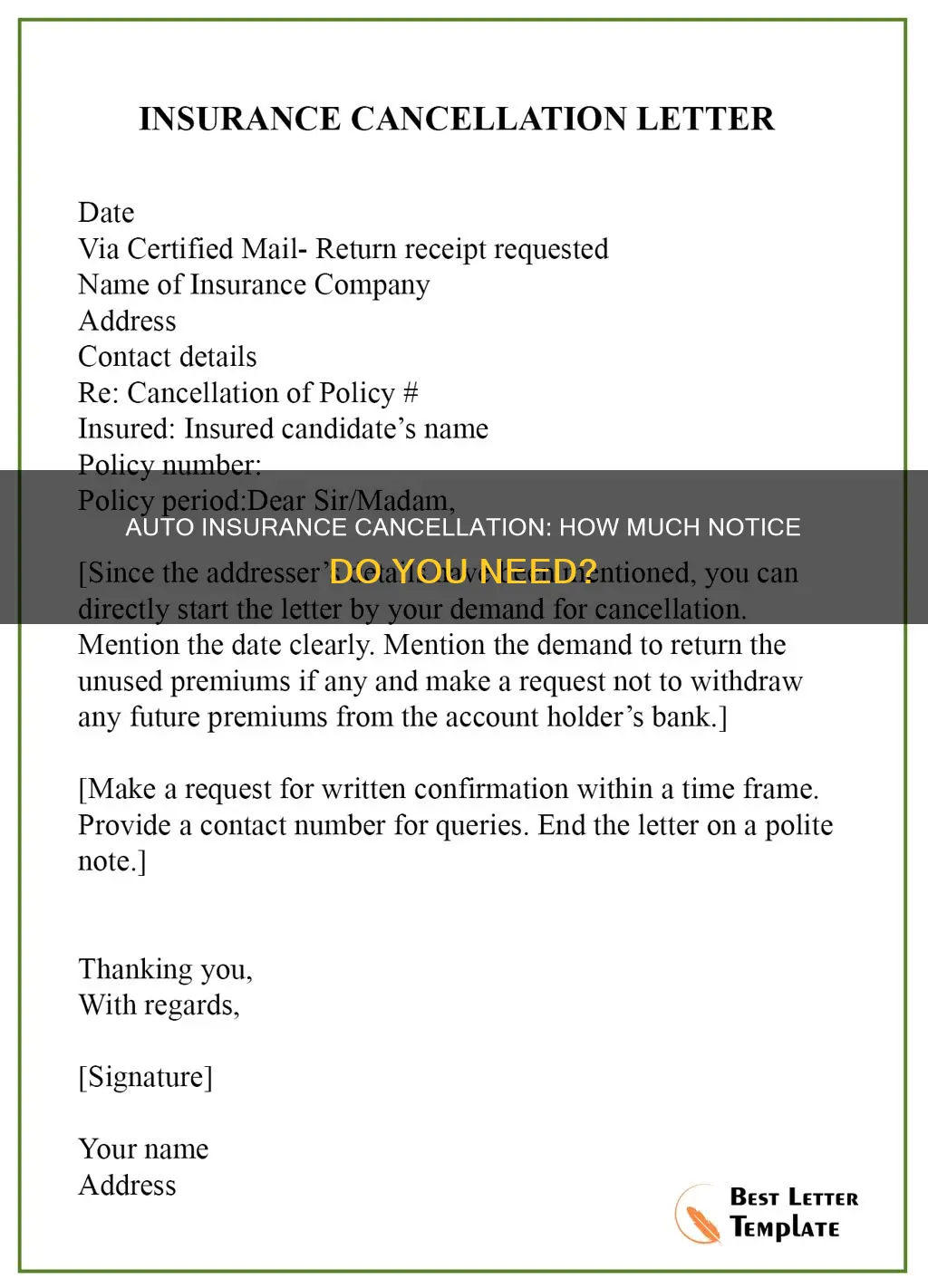
Understanding How Texas Auto Insurance Cancellation Rules Affect You
When your auto insurance policy is canceled or non-renewed in Texas, the process is strictly regulated by the Texas Department of Insurance (TDI). Whether your insurer initiates the cancellation or chooses not to renew your coverage, y...
When your auto insurance policy is canceled or non-renewed in Texas, the process is strictly regulated by the Texas Department of Insurance (TDI). Whether your insurer initiates the cancellation or chooses not to renew your coverage, you are entitled to specific notifications, reasons for the action, and a fair timeline to secure alternative coverage, ensuring you remain compliant with state financial responsibility laws.
Contents
The Distinction Between Cancellation and Non-Renewal
To navigate your rights effectively, you must distinguish between two separate actions: mid-term cancellation and non-renewal. Understanding which action your insurer is taking is the first step in assessing your options.
Cancellation occurs when an insurance company terminates your policy before the expiration date listed in your contract. In Texas, insurers are limited in their ability to cancel a policy mid-term once it has been in effect for 60 days. After this 60-day threshold, an insurer can only cancel for specific, legally permissible reasons, such as non-payment of premiums, a material misrepresentation on your application, or a significant change in the risk they assumed (such as a driver’s license suspension).
Non-renewal is the decision by an insurer not to offer a continuation of your policy when its current term expires. This is a common point of confusion for many Texas drivers. An insurer does not need the same level of justification for non-renewal as they do for mid-term cancellation, provided they follow proper notice requirements. If your policy is set to end and the company decides not to extend it, they are simply choosing to conclude the business relationship upon the natural expiration of the current contract.
Statutory Grounds for Mid-Term Cancellation
Under Texas law, specifically Chapter 551 of the Texas Insurance Code, auto insurance carriers must adhere to strict guidelines. If a policy has been in effect for 60 days or more, the insurer may only cancel the policy for the following reasons:
- Non-payment of premium: Failure to pay the agreed-upon premium by the due date.
- Fraud or Material Misrepresentation: If you knowingly provided false information on your insurance application that materially affects the risk accepted by the company.
- Driver’s License Suspension or Revocation: If you or any other driver who lives with you or customarily operates an insured vehicle has their driver’s license suspended or revoked during the policy period.
- Increased Hazard: A substantial change in the risk profile of the vehicle or driver that was not disclosed or contemplated at the time of the policy issuance.
If your insurer attempts to cancel for a reason outside these categories, you may have grounds to contest the action through the Texas Department of Insurance.
Notification Requirements and Timelines
The Texas Insurance Code mandates that insurance companies provide clear, written notice to the policyholder before a cancellation or non-renewal takes effect. This serves as a safety net, preventing you from accidentally driving without required financial responsibility.
For mid-term cancellations, the insurer generally must provide at least 10 days' written notice before the cancellation date if the reason is non-payment. For other authorized reasons, the notice period is typically longer, often 10 to 30 days depending on the specific statutory provision.
For non-renewals, the insurer must mail a written notice of non-renewal to the policyholder at least 60 days before the policy’s expiration date. If they fail to provide this 60-day notice, your current policy must, by law, remain in effect for an additional period, usually until the end of the 60 days following the notice. This ensures that you have a sufficient window to shop for, compare, and bind a new policy without a lapse in coverage.
Comparing Your Rights and Requirements
| Action | Minimum Notice Required | Key Conditions |
|---|---|---|
| Mid-Term Cancellation | 10 days (non-payment) | Must meet specific statutory grounds after 60 days of coverage. |
| Non-Renewal | 60 days | Insurer must provide notice before the policy expiration date. |
| Pro-Rata Refund | Immediate upon cancellation | Insurer must refund the unused portion of your premium. |
The Financial Impact of Policy Cancellation
A cancellation for non-payment can have long-term consequences that extend beyond the immediate loss of coverage. When you apply for a new policy, most insurance carriers in Texas will ask if you have had a policy canceled for non-payment in the previous three to five years. Answering "yes" can lead to higher premiums or a refusal to offer coverage, as insurers often view this as an indicator of future risk or financial instability.
Furthermore, if your policy is canceled, you are entitled to a pro-rata refund of any unearned premium. This is the portion of the premium you paid in advance for a period of coverage that will now not occur. The insurer is required to calculate this amount accurately and issue the refund to you promptly. If you encounter difficulties receiving this refund, you have the right to file a complaint with the Texas Department of Insurance.
Next Steps When Faced with Cancellation
If you receive a notice of cancellation or non-renewal, do not ignore it. Immediate action is the best defense against a gap in your insurance history, which can make future coverage much more expensive.
- Verify the Notice: Confirm that the notice was sent to your current address and review the date the cancellation or non-renewal becomes effective.
- Contact Your Agent: Sometimes, a cancellation is triggered by a clerical error or a missing payment that can be rectified immediately. Ask your agent if the action can be rescinded or if you can be reinstated upon payment of the balance.
- Shop for Alternatives: Begin requesting quotes from other insurers as soon as you receive the notice. Be transparent about your situation; hiding a prior cancellation can lead to a policy being voided later for material misrepresentation.
- Check for the Texas Automobile Insurance Plan Association (TAIPA): If you are unable to find coverage in the standard market due to your driving record or history, you may be eligible for the Texas Automobile Insurance Plan Association. This is the "insurer of last resort" for high-risk drivers in Texas.
- File a Complaint: If you believe your policy was canceled illegally or in violation of the notice requirements, contact the Texas Department of Insurance to file a formal complaint.
Frequently Asked Questions
Can my insurer cancel my policy just because I filed a claim? In Texas, an insurer generally cannot cancel a policy solely because you filed a claim, provided the claim was legitimate. However, a pattern of frequent or high-cost claims could potentially influence an insurer's decision not to renew your policy when the term expires.
Do I have to pay for the days I was covered if my policy is canceled? Yes. You are responsible for paying the premium for the period you were actively covered. If you prepaid your premium, the insurer must refund the "unearned" premium, which is the amount covering the days after the official cancellation date.
What happens if I have a loan on my car? If you have a lienholder, the insurance company is often required to notify them of the cancellation. Your lienholder will likely demand that you provide proof of new insurance immediately, as failing to maintain coverage usually violates your loan agreement and may trigger the lender to purchase "force-placed" insurance at your expense.
Will a non-renewal affect my insurance score? A non-renewal is less damaging than a cancellation, but it can still be a factor in your future insurance premiums. Insurance carriers use complex algorithms to set rates, and your history—including the reason for a previous non-renewal—is often part of that calculation.
What is the best way to prove I had continuous insurance? Always keep your Declarations Page and any correspondence regarding the end of your previous policy. If a new insurer asks for proof of prior coverage, providing these documents can often qualify you for "prior insurance" discounts and prevent you from being classified as a high-risk "uninsured" driver.
Summary of Actions
If you find yourself facing an auto insurance cancellation, prioritize securing a replacement policy immediately to avoid a lapse in coverage. Review the notice provided by your insurer carefully to ensure they have followed the 60-day non-renewal rule or the specific grounds required for mid-term cancellation. If the insurer's actions appear to violate your rights under the Texas Insurance Code, document your interactions and contact the Texas Department of Insurance for regulatory assistance.
Image Gallery