Defining Roles and Responsibilities in STEM Education: A 2026 Framework
The roles and responsibilities in STEM education involve a collaborative ecosystem where educators facilitate inquiry-based learning, administrators provide the necessary infrastructure and cultural support, students take agency over t...
The roles and responsibilities in STEM education involve a collaborative ecosystem where educators facilitate inquiry-based learning, administrators provide the necessary infrastructure and cultural support, students take agency over their problem-solving journeys, and industry partners bridge the gap between theoretical concepts and real-world applications. Together, these stakeholders ensure that Science, Technology, Engineering, and Mathematics instruction is integrated, equitable, and aligned with modern workforce demands.
Contents
The Evolving Landscape of STEM Responsibility
By 2026, STEM education has transitioned from isolated silos of biology, algebra, and computer science into a fully integrated, transdisciplinary model. This shift has fundamentally redefined the obligations of everyone involved. The primary goal is no longer just the transmission of facts but the cultivation of "STEM literacy"—the ability to identify, apply, and integrate concepts from these four disciplines to understand complex problems and innovate solutions.
In this context, responsibility is shared. If a student fails to see the relevance of calculus, it is not merely a failure of the student’s effort; it is a collective breakdown in the design of the learning experience. The modern STEM framework demands that we move beyond "STEM as a acronym" to "STEM as a mindset." This requires clear definitions of who is responsible for what, ensuring that no critical component of the learning journey is overlooked.
The Educator’s Responsibility: From Content Delivery to Facilitation
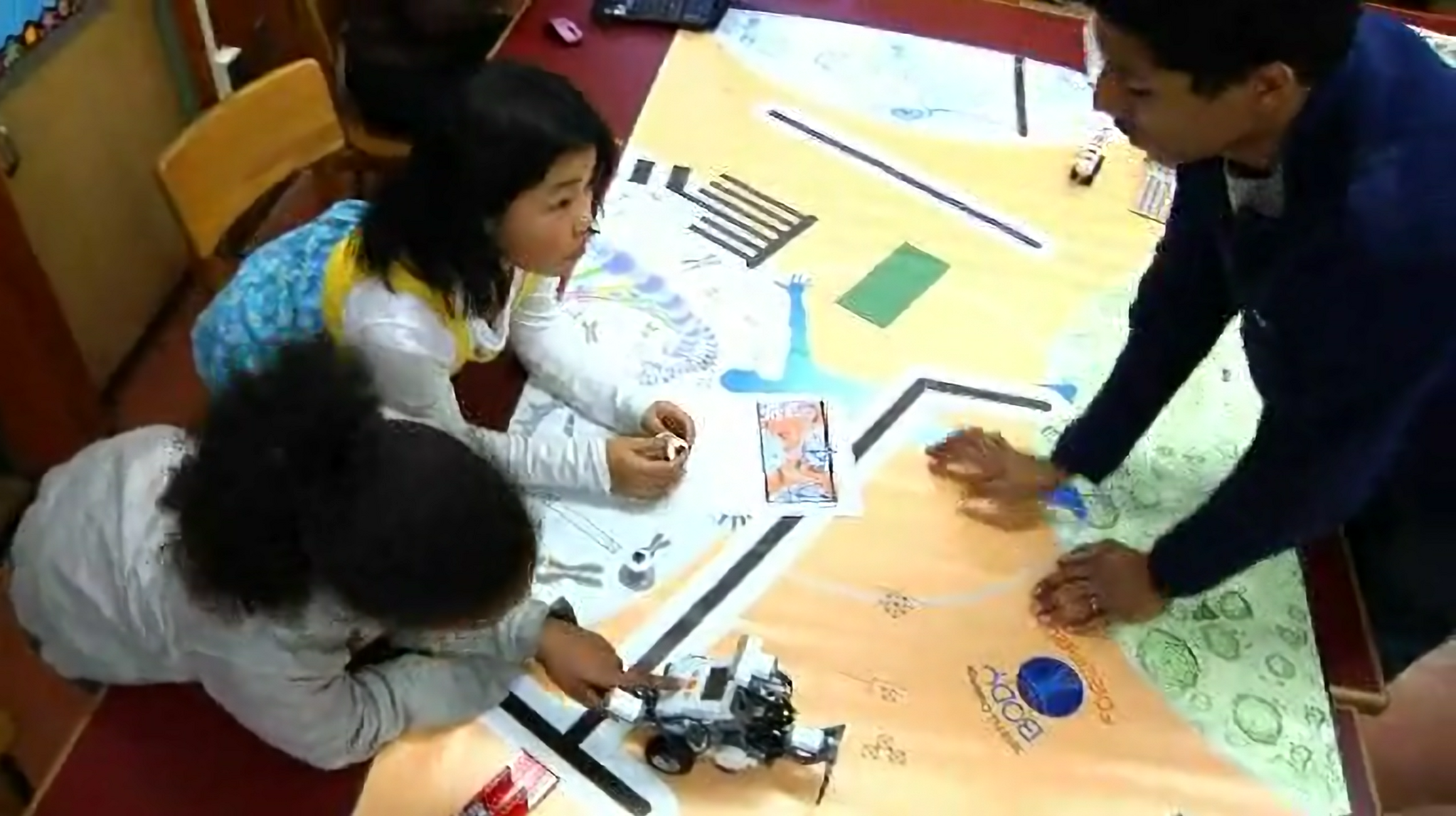
In the 2026 classroom, the teacher’s primary role has shifted from being the "sage on the stage" to a facilitator of inquiry. While deep subject-matter expertise remains essential, the responsibility now includes designing "low-floor, high-ceiling" tasks—activities that are accessible to all students while offering limitless potential for complexity.
Scaffolding and Inquiry-Based Learning
Teachers are responsible for scaffolding the learning process. This means providing enough support so that students can progress through difficult concepts without doing the thinking for them. Educators must master Inquiry-Based Learning (IBL), where they pose provocative questions rather than providing immediate answers. Their responsibility is to manage the productive struggle that occurs when students face engineering challenges or complex data sets.
Continuous Professional Development
STEM fields evolve faster than traditional curricula. Therefore, educators have a professional responsibility to engage in continuous learning. This includes staying updated on the latest advancements in Artificial Intelligence (AI), biotechnology, and renewable energy. In 2026, a teacher’s role includes being a "lead learner," demonstrating to students how to navigate new information and technologies ethically and effectively.
Data Literacy and Personalization
With the widespread adoption of adaptive learning platforms, teachers are now responsible for interpreting complex data analytics. They must use this data to identify gaps in understanding in real-time, allowing for a personalized approach that ensures every student meets the rigorous standards set by frameworks such as the Next Generation Science Standards (NGSS).
School Leadership: Architecting the STEM Ecosystem
School administrators and district leaders hold the responsibility for the structural health of the STEM program. Without their support, even the most talented teachers will struggle to implement a cohesive curriculum.
Resource Allocation and Infrastructure
Leadership is responsible for securing the "hardware" of STEM. This includes not just high-speed internet and 1:1 device ratios, but also flexible learning spaces—makerspaces, wet labs, and collaborative zones that reflect the modern workplace. Furthermore, administrators must ensure that the "software" (the curriculum and digital tools) is evidence-based and regularly updated to reflect current scientific consensus.
Fostering an Interdisciplinary Culture
One of the most difficult administrative responsibilities is breaking down the traditional departmental walls. Leaders must create schedules that allow for interdisciplinary planning. If the physics teacher and the math teacher never have time to talk, the students will never see how those subjects interact. In 2026, successful school leaders are those who prioritize "co-planning" time and encourage "co-teaching" models.
Ensuring Equitable Access
A critical responsibility for leadership is the removal of barriers to STEM for underrepresented groups. This involves auditing enrollment in advanced placement courses, ensuring that STEM extracurriculars are accessible to students from all socioeconomic backgrounds, and actively recruiting a diverse teaching staff that reflects the student population. Equity in STEM is not just a moral imperative; it is a functional requirement for a diverse and capable workforce.
The Student’s Role: Proactive Engagement and Ethical Agency
In 2026, the student is no longer a passive recipient of information. Their role is characterized by agency and metacognition.
Active Participation in Problem-Solving
Students are responsible for their own engagement with the material. This means moving beyond "finding the right answer" to "understanding the process." In an engineering design challenge, the student’s responsibility is to iterate—to fail, analyze why they failed, and try again. This builds the resilience and grit necessary for higher education and career success.
Digital Citizenship and Ethical Use of Tech
As AI and automated tools become ubiquitous in the classroom, students have a heightened responsibility to practice ethical digital citizenship. This includes understanding the bias in algorithms, citing AI-generated assistance transparently, and protecting their digital footprints. Students are expected to be critical consumers of information, distinguishing between peer-reviewed science and misinformation.
Collaboration and Communication
STEM is rarely a solo endeavor. Students are responsible for developing "soft skills" or "durable skills," such as technical communication and team collaboration. They must be able to explain their findings to both expert and non-expert audiences, a skill that is increasingly valued in the 2026 job market.
Industry Partnerships: Bridging the Gap
For STEM education to be effective, it cannot exist in a vacuum. Industry partners—from local engineering firms to global tech giants—have a responsibility to support the educational pipeline.
Providing Real-World Context
Companies are responsible for providing "authentic problems" for students to solve. When a classroom project is based on a real challenge a local utility company is facing, student engagement skyrockets. Industry partners should offer mentorship, guest speaking, and virtual tours that help students visualize their future in the field.
Work-Based Learning (WBL) Opportunities
In 2026, the responsibility of industry includes providing internships, apprenticeships, and job-shadowing opportunities. These experiences are the "capstone" of a student’s STEM education, allowing them to apply classroom theory in a professional environment. According to the U.S. Department of Education, these partnerships are essential for aligning educational outcomes with economic needs.
Government and Policy: Standards and National Security
At the macro level, government agencies and policymakers are responsible for the "rules of engagement" in STEM education.
Defining National Standards
Governments must provide clear, rigorous standards that ensure a consistent level of quality across different regions. These standards must be updated frequently enough to keep pace with technological change without overwhelming school systems with constant pivots.
Funding and Economic Competitiveness
Policymakers have the responsibility to fund STEM initiatives adequately. This is often framed as a matter of national security and economic competitiveness. By investing in STEM, governments ensure that their workforce is capable of leading in emerging industries like quantum computing and personalized medicine.
Monitoring and Accountability
Finally, the government is responsible for monitoring the efficacy of STEM programs through standardized assessments and longitudinal studies. This data helps identify which interventions are working and where resources need to be redirected to close achievement gaps.
Stakeholder Responsibility Matrix
| Stakeholder | Primary Responsibility | Key Performance Indicator (KPI) | Collaborative Touchpoint |
|---|---|---|---|
| Educators | Facilitate inquiry and scaffold learning. | Student growth on performance-based tasks. | Professional Learning Communities (PLCs). |
| Administrators | Resource allocation and culture building. | Diversity and equity in advanced STEM enrollment. | School board and community meetings. |
| Students | Active problem-solving and ethical tech use. | Mastery of the engineering design process. | Peer-to-peer feedback sessions. |
| Industry Partners | Mentorship and providing authentic context. | Number of work-based learning placements. | Advisory boards and career fairs. |
| Government | Standards setting and long-term funding. | National ranking in STEM literacy and innovation. | Legislative sessions and policy reviews. |
Frequently Asked Questions
What is the most critical responsibility for a STEM teacher in 2026?
The most critical responsibility is the ability to facilitate productive struggle. Teachers must move away from providing direct answers and instead guide students through the process of trial and error. This builds the critical thinking and problem-solving skills that define STEM literacy.
How do administrators ensure that STEM education is equitable?
Administrators must move beyond "equal" funding to "equitable" resource distribution. This involves identifying specific barriers—such as lack of transportation to after-school robotics clubs or gender bias in computer science enrollment—and implementing targeted interventions to dismantle those barriers.
Can industry partners influence school curricula?
While they should not dictate curriculum, industry partners have a responsibility to inform it. By communicating the skills and competencies they need in new hires, they help schools ensure that what is being taught is relevant to the 2026 workforce. This is often handled through industry advisory boards.
Does the student’s role change when using AI in STEM?
Yes. With AI tools like generative design and automated coding, the student’s role shifts from "executor" to "editor and critic." They are responsible for verifying the accuracy of AI outputs and making ethical decisions about how that technology is applied to solve human problems.
What is the role of parents in the STEM ecosystem?
Parents are responsible for fostering a "growth mindset" at home. This involves encouraging curiosity, normalizing failure as part of the learning process, and supporting their children’s participation in STEM-related activities outside of school hours.
Practical Recommendations for Implementation
To successfully operationalize these roles and responsibilities, organizations should focus on the following next steps:
- Conduct a Stakeholder Audit: Schools should evaluate their current STEM ecosystem to identify where responsibilities are being met and where gaps exist (e.g., lack of industry involvement).
- Establish Advisory Boards: Every high school and middle school should have a STEM advisory board consisting of teachers, students, parents, and local business leaders to ensure alignment.
- Invest in "Soft" Infrastructure: Focus less on the "shiny new gadgets" and more on the professional development required for teachers to use those gadgets effectively as facilitators.
- Prioritize Transdisciplinary Units: Design at least one project per semester where students must use skills from all four STEM disciplines to solve a singular, complex problem.
Image Gallery