The Net Worth of iFixit CEO Kyle Wiens: A Comprehensive Financial Analysis
As of 2026, the estimated net worth of iFixit CEO Kyle Wiens is between $10 million and $30 million. This valuation is based on his co-founder equity stake in iFixit and its sister software company, Dozuki. Because iFixit remains a pri...
As of 2026, the estimated net worth of iFixit CEO Kyle Wiens is between $10 million and $30 million. This valuation is based on his co-founder equity stake in iFixit and its sister software company, Dozuki. Because iFixit remains a privately held corporation, this figure represents an estimate of his paper wealth and business assets.
Contents
The Foundation of Kyle Wiens’ Wealth: The iFixit Story
To understand the net worth of iFixit CEO Kyle Wiens, one must first analyze the trajectory of the company he co-founded. Kyle Wiens and Luke Soules started iFixit in a dorm room at California Polytechnic State University (Cal Poly) in 2003. What began as a project to fix an old Apple iBook G3 quickly transformed into a global movement.
In the early 2000s, manufacturers began a trend toward proprietary screws and sealed batteries, making consumer electronics increasingly difficult to repair. Wiens recognized a market gap: people wanted to fix their own devices but lacked the documentation and specialized tools to do so. By creating free, high-quality repair manuals, iFixit built a massive community of loyal users. This community-driven model became the engine of the company’s commercial success, as those same users purchased the tools and replacement parts necessary to complete their repairs.
By 2026, iFixit has transitioned from a niche "hacker" site to a vital pillar of the global electronics ecosystem. This evolution has significantly increased the enterprise value of the company, and by extension, the personal net worth of its CEO.
Revenue Streams and Business Model Evolution
The net worth of Kyle Wiens is directly tied to the diversified revenue streams of iFixit. Unlike many tech startups that rely on advertising or data mining, iFixit’s wealth is built on tangible goods and enterprise services.
E-commerce: Tools and Replacement Parts
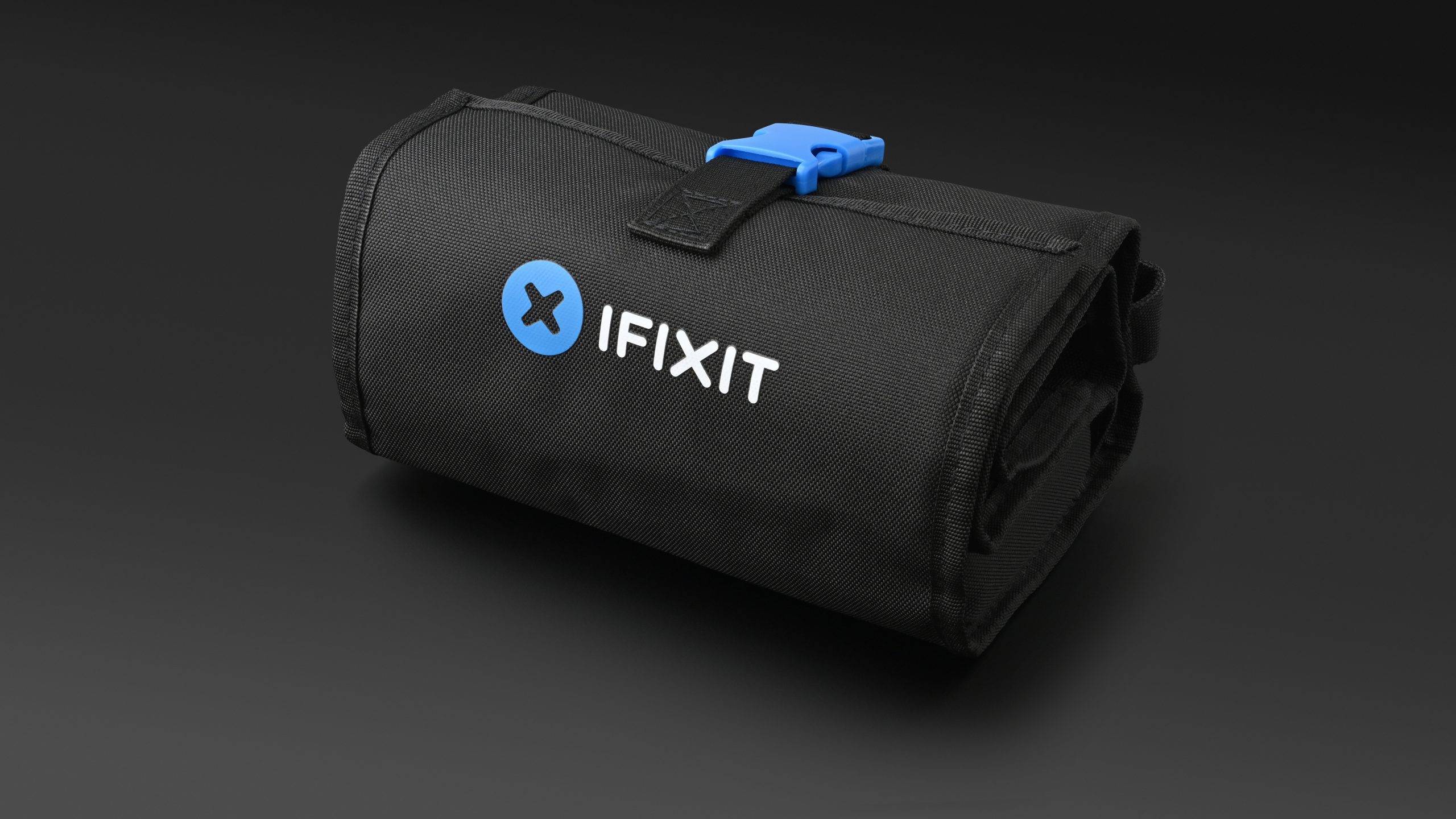
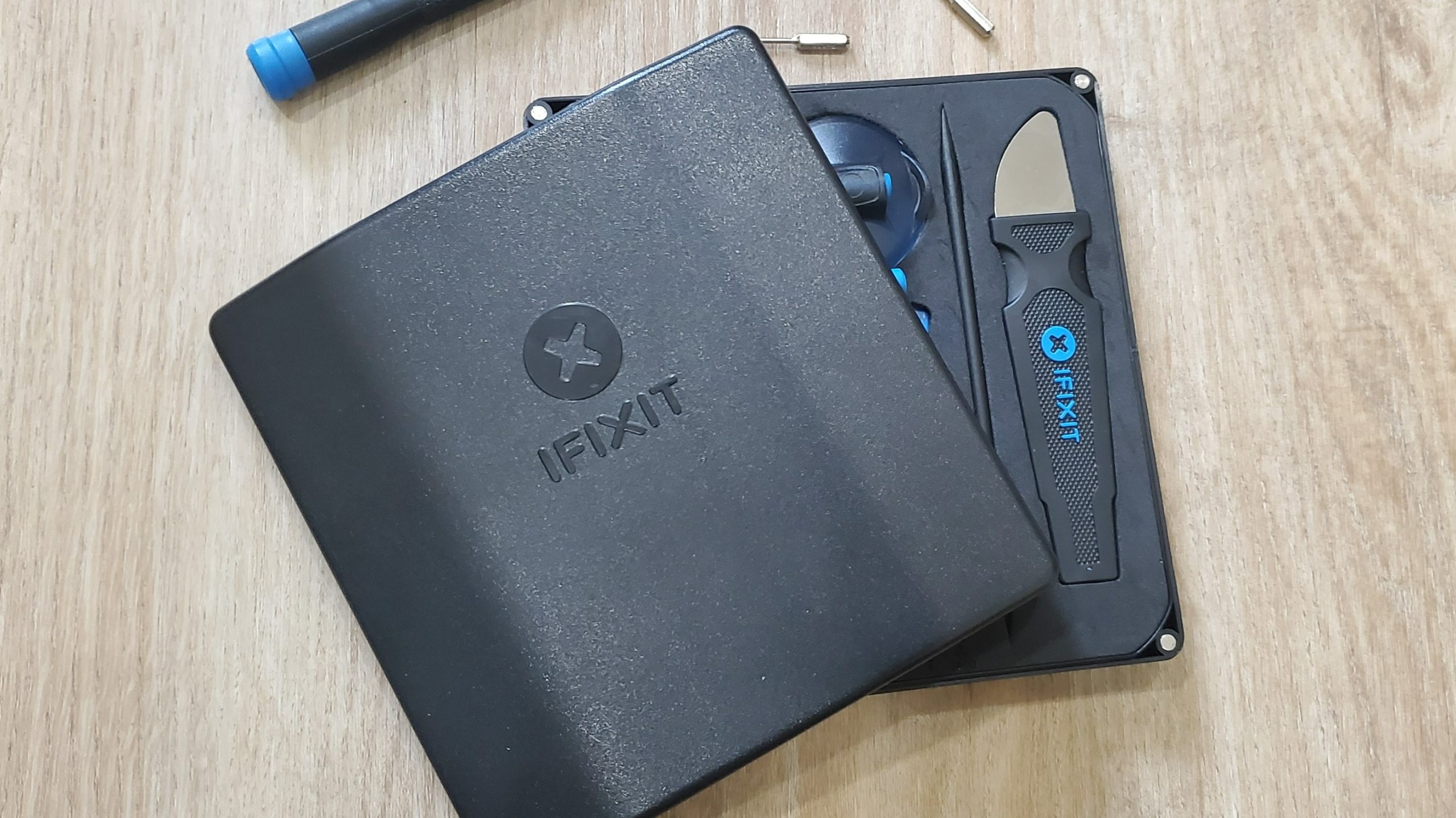
The primary driver of iFixit's revenue is its e-commerce platform. The company designs and sells proprietary toolkits, such as the Pro Tech Toolkit, which have become industry standards for electronics repair. By 2026, iFixit has expanded its catalog to include thousands of OEM (Original Equipment Manufacturer) and high-quality aftermarket parts for smartphones, laptops, and household appliances.
Dozuki: The SaaS Expansion
A significant portion of Wiens’ net worth stems from Dozuki, a software company spun off from iFixit. Dozuki provides a cloud-based platform that allows industrial companies to create and manage digital work instructions. While iFixit serves the consumer market, Dozuki serves the enterprise market, including manufacturing giants and medical device companies. As a Software-as-a-Service (SaaS) business, Dozuki likely commands a higher valuation multiple than the e-commerce side of the business, further bolstering Wiens’ financial standing.
Official OEM Partnerships
A major shift in the early 2020s saw companies like Apple, Google, Samsung, and Valve partner with iFixit to provide official parts and manuals. These partnerships validated iFixit’s business model and likely increased its annual revenue. For a CEO, moving from a "disruptor" to an "official partner" of trillion-dollar tech companies significantly stabilizes and increases the valuation of their equity.
Estimating the Valuation of iFixit in 2026
To estimate Kyle Wiens' net worth, we must examine the potential valuation of iFixit. Financial analysts typically value e-commerce companies at 1 to 2 times their annual revenue, while specialized tool and hardware companies may command higher multiples.
If iFixit’s annual revenue is estimated to be between $50 million and $100 million (a conservative range based on historical growth and global expansion), the company could be valued anywhere from $150 million to $300 million. As a co-founder, Wiens likely retains a significant equity stake, although some dilution may have occurred if the company sought external funding—though iFixit has historically been known for its "bootstrapped" ethos.
The Impact of Private Equity and Ownership Structure
Unlike Silicon Valley CEOs who take their companies public (IPO), Wiens has kept iFixit private. This means his net worth is not subject to the daily volatility of the stock market but is also less liquid. His wealth is "paper wealth" until an exit event, such as a sale or an IPO, occurs. However, the steady cash flow from a profitable, private business allows for a high standard of living and reinvestment into other ventures.
| Asset Component | Estimated Contribution | Rationale |
|---|---|---|
| iFixit Equity | $8M – $20M | Based on co-founder stake in a $150M+ enterprise. |
| Dozuki Stake | $2M – $8M | SaaS companies carry high valuation multiples (5x-10x revenue). |
| Real Estate & Personal Assets | $1M – $3M | Includes properties in San Luis Obispo and personal investments. |
| Total Estimated Net Worth | $11M – $31M | Aggregate of liquid and illiquid assets as of 2026. |
The "Right to Repair" Influence on Valuation
One cannot discuss Kyle Wiens’ financial profile without mentioning his advocacy work. As a leading voice in the Right to Repair movement, Wiens has spent decades lobbying for legislation that requires manufacturers to provide parts and information to consumers.
By 2026, several landmark pieces of legislation have been passed in both the United States and the European Union. These laws have created a "repair economy" that was previously suppressed by manufacturer restrictions. This legislative environment acts as a tailwind for iFixit. When repair becomes a legal right, the demand for iFixit’s tools and manuals increases. This political and social influence adds an "intangible asset" value to Wiens’ profile, making him a central figure in a growing global industry.
Comparative Context: Wiens vs. Other Tech Leaders
When compared to the "Big Tech" CEOs like Tim Cook or Sundar Pichai, Kyle Wiens’ net worth is modest. However, the nature of his wealth is fundamentally different. Most tech billionaires have built their fortunes on platforms that maximize consumer consumption and data collection. Wiens, conversely, has built a fortune on conservation and sustainability.
This distinction is important for investors and researchers. Wiens’ wealth is tied to the longevity of products rather than their obsolescence. This makes his financial position uniquely resilient to the "tech fatigue" that sometimes affects consumer electronics markets. If consumers buy fewer new phones, they fix their old ones more often, which benefits iFixit.
Challenges to Future Net Worth Growth
While the outlook for the iFixit CEO is positive, several factors could impact his future net worth:
- Increased Competition: As the "Right to Repair" becomes mainstream, larger retailers (like Amazon or specialized hardware chains) may enter the repair parts market more aggressively.
- Manufacturing Shifts: If manufacturers move toward "disposable" designs that are physically impossible to repair (such as fully molded resin devices), iFixit’s primary revenue stream could be threatened.
- Market Saturation: There is a limit to how many high-end toolkits a single consumer needs. Maintaining growth requires constant expansion into new categories, such as home appliances, medical equipment, or electric vehicles.
Kyle Wiens’ Philosophy on Wealth and Repair
Wiens has often stated that his goal is not just profit, but "teaching the world how to fix everything." This mission-driven approach suggests that he may prioritize company stability and social impact over maximizing personal net worth. This is reflected in iFixit's Repair Manifesto, which emphasizes the environmental and personal benefits of repair.
His wealth is often reinvested into the community, including supporting the Electronic Frontier Foundation (EFF) and other digital rights organizations. For Wiens, net worth is likely a byproduct of his larger goal of changing how the world consumes technology.
FAQ: Understanding Kyle Wiens and iFixit
Is Kyle Wiens a billionaire?
No, Kyle Wiens is not a billionaire. His estimated net worth in 2026 is in the tens of millions. While iFixit is a very successful and influential company, it does not have the massive scale of a publicly traded social media or software giant required to produce a billionaire founder.
Does Kyle Wiens own 100% of iFixit?
No. Kyle Wiens co-founded the company with Luke Soules. While the exact ownership split is private, it is common for co-founders to share equity. Additionally, the company may have an employee stock option pool or have taken strategic investment that diluted the founders' original stakes.
How does the CEO of iFixit make money?
Wiens makes money through a combination of his executive salary, potential dividends from iFixit profits (as it is a private company), and the appreciation of his equity in iFixit and Dozuki. He also likely generates income from speaking engagements and consulting related to the circular economy.
Has iFixit ever gone public?
As of 2026, iFixit remains a private company. There has been frequent speculation about an IPO, especially given the growth of ESG (Environmental, Social, and Governance) investing, but the founders have historically prioritized their mission over the pressures of public market quarterly earnings.
What is the relationship between iFixit and Dozuki?
Dozuki was created by the iFixit team to provide a commercial, enterprise-grade version of the iFixit documentation platform. While they are separate entities, they share a common lineage and leadership. Kyle Wiens’ involvement in both significantly contributes to his overall net worth.
Practical Next Steps for Researchers
If you are researching the net worth of iFixit CEO Kyle Wiens for investment or academic purposes, the most reliable data points are found in private equity reports and industrial manufacturing surveys.
- Monitor "Right to Repair" Legislation: Federal and state laws regarding repair significantly impact iFixit’s valuation.
- Track Enterprise Software Trends: The growth of Dozuki in the manufacturing sector is a key indicator of the "SaaS" portion of Wiens’ wealth.
- Evaluate OEM Partnerships: Every time a company like Microsoft or Samsung announces a partnership with iFixit, the company's enterprise value—and the CEO's paper wealth—likely increases.
Image Gallery