Complete Guide to Life Insurance Tax Benefit Sections: Rules, Limits, and Deductions
Life insurance tax benefit sections allow taxpayers to reduce their taxable income through premium deductions and receive tax-exempt maturity or death benefits. Under the Indian Income Tax Act, Section 80C offers premium deductions up...
Life insurance tax benefit sections allow taxpayers to reduce their taxable income through premium deductions and receive tax-exempt maturity or death benefits. Under the Indian Income Tax Act, Section 80C offers premium deductions up to ₹1.5 lakh, while Section 10(10D) exempts payouts, subject to specific premium-to-sum-assured ratios and annual aggregate premium caps.
Contents
Understanding Life Insurance Tax Benefit Sections
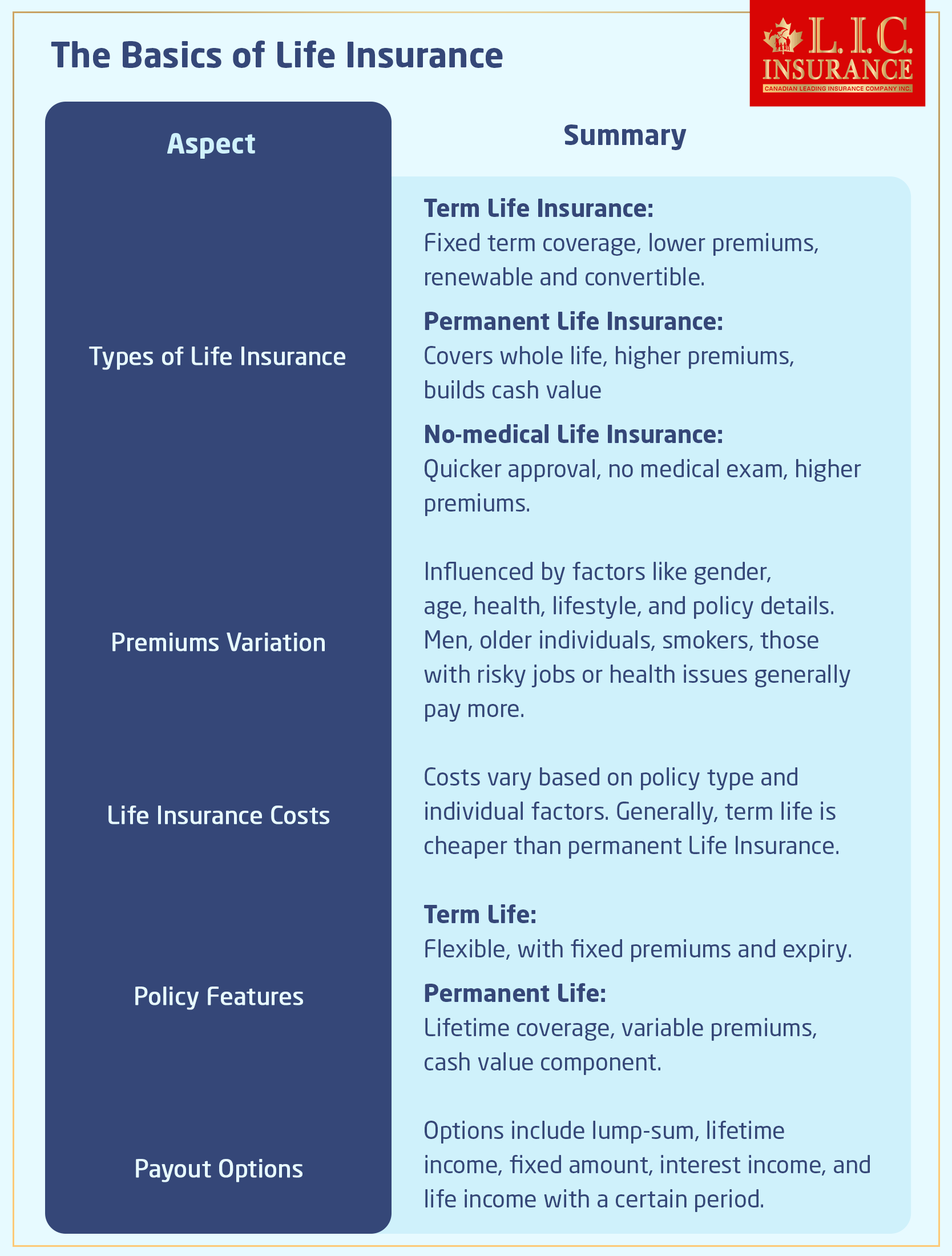
Life insurance policies serve a dual financial purpose: providing risk protection for dependents and functioning as a long-term savings or investment vehicle. To encourage personal financial security, tax codes worldwide grant distinct concessions for life insurance policies. These concessions typically operate at two separate stages of the policy lifecycle: the premium payment phase (tax deductions) and the payout phase (tax exemptions on maturity or death benefits).
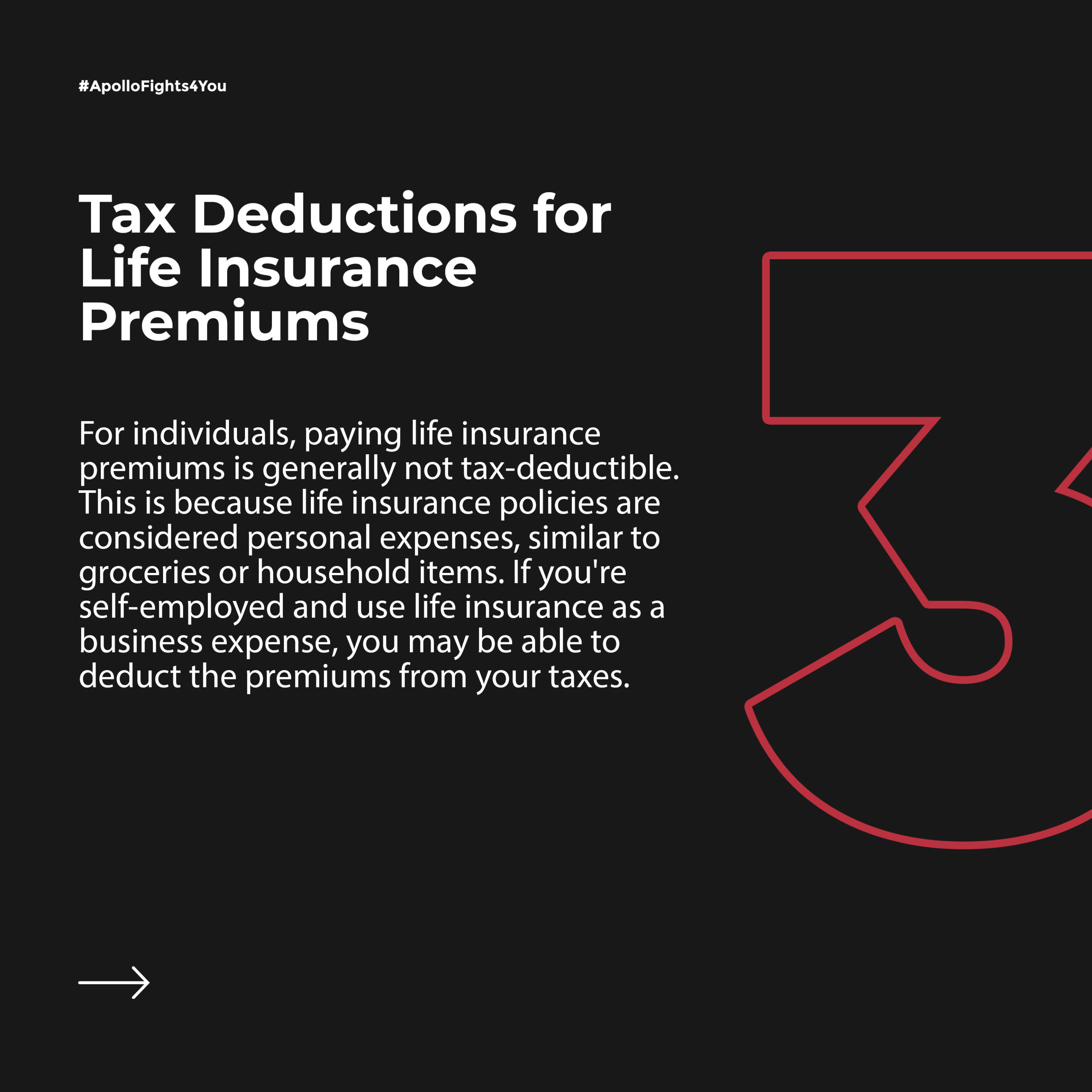
In major financial jurisdictions, specific statutory sections govern these benefits. In India, the primary governing statute is the Income Tax Act, 1961, where tax benefits are codified under provisions such as Section 80C, Section 10(10D), Section 80D, and Section 80CCC. In the United States, comparable provisions are codified within the Internal Revenue Code (IRC), notably IRC Section 101(a) for death benefit exclusions and IRC Section 7702 for cash value life insurance contracts.
Taxpayers must distinguish between deductions that lower current taxable income and exemptions that protect future receipts from taxation. Furthermore, structural shifts in tax administration—such as the introduction of alternative tax regimes—dictate whether policyholders can claim these tax deductions in a given assessment year.
Section 80C: Tax Deduction on Premium Payments
Section 80C of the Income Tax Act, 1961, is the primary statutory mechanism enabling individual taxpayers and Hindu Undivided Families (HUFs) to reduce their gross total income by deducting eligible life insurance premiums paid during the financial year.
Total Gross Income − Section 80C Deductions (up to ₹1,500,000) = Taxable Income
Maximum Deduction Limits and Scope
Under Section 80C, the maximum aggregate deduction limit across all eligible investments (including life insurance premiums, Public Provident Fund, Employee Provident Fund, and National Savings Certificates) is ₹150,000 (₹1.5 lakh) per financial year.
To qualify for a Section 80C deduction, premiums can be paid for life insurance policies covering:
- For Individuals: Self, spouse, and any child (whether dependent, independent, single, or married). Premiums paid for parents, siblings, or in-laws are not eligible for Section 80C deductions.
- For HUFs: Any member of the Hindu Undivided Family.
Premium-to-Sum-Assured Cap Rules
To prevent tax abuse via short-term single-premium policies that act primarily as tax shelters rather than insurance coverage, tax laws enforce strict ratios between the annual premium paid and the minimum sum assured (death benefit).
| Policy Issuance Date | Maximum Premium Eligible as % of Sum Assured | Minimum Sum Assured Multiple Required |
|---|---|---|
| Issued before April 1, 2012 | Up to 20% of Capital Sum Assured | 5x Annual Premium |
| Issued on or after April 1, 2012 | Up to 10% of Capital Sum Assured | 10x Annual Premium |
| Issued on or after April 1, 2013 (for individuals with severe disability under Sec 80U or specified disease under Sec 80DDB) | Up to 15% of Capital Sum Assured | 6.67x Annual Premium |
Note: If the annual premium exceeds the statutory percentage limit, the deduction under Section 80C is restricted proportionately to the allowable percentage of the sum assured.
Minimum Holding Period and Benefit Reversal
Tax legislation mandates minimum retention periods to prevent taxpayers from claiming deductions and immediately surrendering policies:
- Traditional Life Insurance (Term Plans, Whole Life, Endowment): The policy must remain active, and premiums must be paid for at least 2 consecutive years from inception.
- Unit-Linked Insurance Plans (ULIPs): The policy must be held for a minimum of 5 years.
If a policyholder surrenders the policy or allows it to lapse before these minimum statutory periods expire, two distinct consequences occur:
- No deduction is allowed for the financial year in which the policy is terminated.
- All tax deductions previously claimed under Section 80C for that policy in prior financial years are deemed income of the year of surrender and are fully taxed in that year.
Section 10(10D): Exemption on Maturity and Death Benefits
While Section 80C addresses the tax treatment of money paid into an insurance contract, Section 10(10D) governs the taxability of proceeds received out of the policy, including maturity payouts, accrued bonuses, and death claims.
Maturity Payout under Section 10(10D):
- If Policy Premium ≤ Statutory Caps: 100% Tax-Exempt
- If Policy Premium > Statutory Caps: Net Income Taxable
General Tax Exemption and Death Benefits
As a baseline rule, any sum received under a life insurance policy—including surrender value, maturity proceeds, and allocated bonus—is completely exempt from gross income under Section 10(10D).
Crucial Exception for Death Claims: Death benefit payouts paid to nominees or legal heirs upon the insured's demise remain 100% tax-exempt in all circumstances. Statutory caps on aggregate premiums, premium-to-sum-assured ratios, and policy types do not apply to death payouts.
Conditions for Maturity Benefit Exemptions
For maturity payouts to qualify for complete tax exemption under Section 10(10D), the policy must comply with specific statutory criteria established across legislative updates:
1. The 10% Sum Assured Ratio
For policies issued on or after April 1, 2012, the annual premium payable in any year during the policy term must not exceed 10% of the actual capital sum assured. If the premium exceeds this 10% threshold in any single financial year, the entire maturity payout loses its Section 10(10D) exemption status and becomes taxable upon receipt.
2. High-Value ULIP Cap (Finance Act 2021)
Unit-Linked Insurance Plans (ULIPs) issued on or after February 1, 2021, are subject to an annual premium threshold. If the aggregate annual premium payable across all ULIPs held by an individual exceeds ₹250,000 (₹2.5 lakh) in any financial year during the policy term:
- Maturity proceeds are no longer exempt under Section 10(10D).
- The net gain from such ULIPs is treated as a capital asset and taxed under Section 112A as long-term or short-term capital gains, applying capital gains tax rates similar to equity mutual funds.
3. High-Value Non-ULIP Policy Cap (Finance Act 2023)
The Finance Act 2023 introduced significant adjustments to non-linked, traditional life insurance plans (such as endowment, money-back, and savings plans). For non-ULIP life insurance policies issued on or after April 1, 2023:
- If the aggregate annual premium payable for all such policies held by an individual exceeds ₹500,000 (₹5 lakh) in any financial year, maturity proceeds from policies exceeding the threshold lose tax-exempt status under Section 10(10D).
- The taxable portion is computed as the total maturity payout minus total premiums paid during the policy term. This net income is taxed under the head "Income from Other Sources" at the taxpayer's applicable income tax slab rate.
- Exemption: This cap does not apply to pure term life insurance plans where no survival or maturity benefit is payable.
Additional Tax Sections Related to Life Insurance
Beyond Sections 80C and 10(10D), specific policy structures and optional riders engage additional sections of the tax code.
Life Insurance Tax Structure
| Section 80C | Section 10(10D) | Section 80D |
|---|---|---|
| Premium Deduction | Maturity Payout | Health & Disability Riders |
| (Max ₹1.5 Lakh) | Exemption Rules | (Max ₹25,000 - ₹100,000) |
Section 80D: Deductions for Health and Critical Illness Riders
When purchasing a life insurance policy, policyholders frequently attach supplementary health riders, such as Critical Illness, Surgical Care, or Hospital Cash riders.
Under Section 80D, premiums paid specifically toward health-related riders in a life insurance contract qualify for separate tax deductions outside the ₹1.5 lakh Section 80C limit:
- Self, Spouse, and Dependent Children: Up to ₹25,000 per financial year (increased to ₹50,000 if the primary insured or spouse is a senior citizen aged 60 or above).
- Parents: Additional deduction up to ₹25,000 for premiums paid for parents' health coverage (increased to ₹50,000 if parents are senior citizens).
Section 80CCC: Contributions to Pension and Annuity Plans
Section 80CCC governs tax deductions for amounts paid toward life insurance annuity plans or pension contracts (such as immediate or deferred annuity plans offering retirement income).
- Payments made into approved pension funds offered by life insurers are eligible for tax deduction under Section 80CCC.
- Important Constraint: Deductions under Section 80CCC fall under the umbrella limit of Section 80CCE, which caps the combined total deduction under Sections 80C, 80CCC, and 80CCD(1) at ₹150,000 per year.
Tax Treatment under Old vs. New Tax Regime
Taxpayers must account for the structural differences between filing options under the Indian income tax structure:
- Old Tax Regime: Taxpayers can claim deductions under Section 80C, Section 80D, and Section 80CCC to reduce gross total income.
- New Tax Regime (Section 115BAC): Standard deductions under Section 80C, Section 80D, and Section 80CCC are disallowed. However, payouts exempt under Section 10(10D) (including maturity and death benefits) remain fully non-taxable under both the Old and New Tax Regimes, provided the policy meets all legal criteria.
US Internal Revenue Code (IRC) Equivalents
For global taxpayers, particularly US citizens and tax residents subject to the US tax framework managed by the Internal Revenue Service (IRS), life insurance policies operate under distinct IRC sections.
IRC Section 101(a): Death Benefit Exclusion
Under IRC Section 101(a), gross income does not include amounts received under a life insurance contract if such amounts are paid by reason of the death of the insured. Like Section 10(10D) death payouts, death benefits distributed to beneficiaries are generally received free of federal income tax.
IRC Section 7702 and Modified Endowment Contracts (MECs)
IRC Section 7702 defines what constitutes a legitimate life insurance contract for US federal tax purposes. The policy must pass either the Cash Value Accumulation Test (CVAT) or the Guideline Premium and Cash Value Corridor Test (GPT).
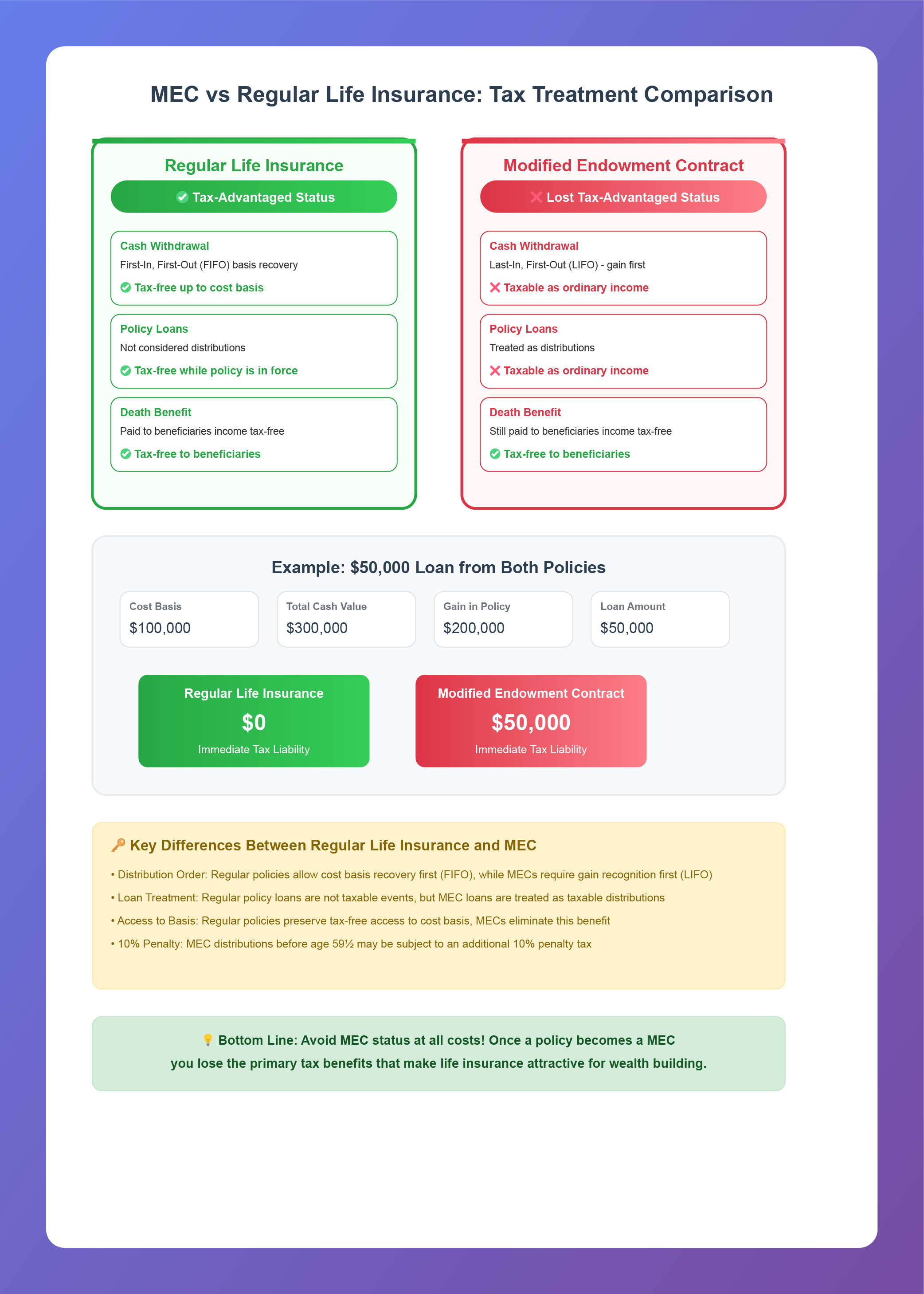
If a policy is funded too quickly—exceeding the statutory limits set by the "7-pay test" under IRC Section 7702A—it is reclassified as a Modified Endowment Contract (MEC):
- Death benefits from a MEC remain tax-free under Section 101(a).
- Policy loans, cash withdrawals, and surrenders from a MEC are taxed on a Last-In, First-Out (LIFO) basis, meaning gains are distributed first and taxed as ordinary income.
- Withdrawals made before age 59½ from a MEC may incur an additional 10% IRS tax penalty on the earnings portion.
IRC Section 1035 Exchanges
IRC Section 1035 allows policyholders to execute a tax-free exchange of an existing life insurance contract for another life insurance policy, endowment, or annuity contract without recognizing taxable gain at the time of the transfer, provided statutory rollover requirements are met.
Direct Comparison of Life Insurance Tax Sections
The following table summarizes the operational rules, eligibility limits, and tax treatment across the major statutory sections governing life insurance policies under Indian tax law.
| Statutory Section | Benefit Type | Maximum Annual Limit | Key Eligibility Conditions | Tax Regime Availability |
|---|---|---|---|---|
| Section 80C | Tax Deduction (Premium) | ₹150,000 (aggregate) | Premium ≤ 10% of sum assured (for policies post April 2012). Min holding period: 2 yrs (Traditional), 5 yrs (ULIP). | Old Tax Regime Only |
| Section 10(10D) | Tax Exemption (Maturity) | Fully Exempt (subject to caps) | Premium ≤ 10% of sum assured. Aggregate non-ULIP premium ≤ ₹5 Lakh (post April 2023). Aggregate ULIP premium ≤ ₹2.5 Lakh (post Feb 2021). | Both Old & New Regimes |
| Section 10(10D) | Tax Exemption (Death Claim) | 100% Exempt (No Cap) | Payable to nominee/heir on death of primary insured. No premium ratio or cap restrictions apply. | Both Old & New Regimes |
| Section 80D | Tax Deduction (Riders) | ₹25,000 to ₹100,000 | Applies specifically to attached Health/Critical Illness riders. Limits depend on senior citizen status. | Old Tax Regime Only |
| Section 80CCC | Tax Deduction (Annuities) | Subsumed in ₹150,000 limit | Premiums paid toward retirement annuity plans. Controlled by Section 80CCE ceiling. | Old Tax Regime Only |
| Section 194DA | Tax Deducted at Source (TDS) | 2% TDS on Net Income | Applies to non-exempt maturity payouts exceeding ₹100,000 in a financial year. | Universal Provision |
Common Mistakes and Compliance Pitfalls
Navigating tax benefit sections requires strict adherence to legal compliance rules. Mistakes can result in disallowed deductions, unexpected tax liabilities, or penalties.
1. Surrendering Policies Prematurely
Surrendering a traditional policy before 2 years or a ULIP before 5 years invalidates past tax benefits. The tax department recomputes income for previous years, treating all prior Section 80C deductions as taxable income in the year of surrender.
2. Ignoring Aggregate Premium Thresholds on High-Value Policies
Investors buying multiple non-ULIP life insurance policies with annual premiums exceeding ₹5 lakh in total often assume maturity payouts will remain tax-free under Section 10(10D). Since April 1, 2023, maturity returns from policies pushing total annual premiums over ₹5 lakh are fully taxable under "Income from Other Sources."
3. Mismatching Sum Assured Ratios
Purchasing low-cover endowment or single-premium plans where the sum assured is less than 10 times the annual premium creates a dual penalty:
- Section 80C deductions are capped at 10% of the sum assured.
- The entire maturity payout loses Section 10(10D) exemption status, making proceeds subject to income tax upon maturity.
4. Overlooking TDS under Section 194DA
If an insurer pays out maturity proceeds that do not qualify for exemption under Section 10(10D), the insurer must deduct Tax Deducted at Source (TDS) under Section 194DA. As per current tax regulations updated in recent budget provisions, insurers deduct 2% TDS on the net income component (total payout minus total premiums paid) for amounts exceeding ₹100,000 in a financial year. Policyholders must report this net income when filing their income tax returns.
Practical Action Plan for Claiming Tax Benefits
To properly document and claim life insurance tax benefits during annual tax filings, taxpayers should execute the following steps:
- Obtain Premium Certificates: Download the official annual Premium Paid Certificate from your life insurer at the end of the financial year. This document serves as primary proof of payments made, detailing the base premium, attached rider premiums, taxes paid, and the overall policy sum assured.
- Verify Sum Assured Ratios: Review the capital sum assured listed on the policy schedule. Ensure the base annual premium (excluding taxes and rider premiums) does not exceed 10% of the sum assured.
- Audit Total High-Value Policies: Calculate the cumulative annual premium across all non-ULIP life policies issued after April 1, 2023, and all ULIPs issued after February 1, 2021. Track whether total premiums cross the ₹5 lakh (non-ULIP) or ₹2.5 lakh (ULIP) thresholds to project future tax obligations accurately.
- Select the Appropriate Tax Regime: Compare tax liabilities using the official portal of the Income Tax Department of India. If total deductions across Section 80C, Section 80D, Section 24(b), and other provisions exceed the tax rate break-even point, choose the Old Tax Regime. If tax liability is lower without deductions, opt for the New Tax Regime.
- Report Under Correct ITR Schedule:
- Report Section 80C and 80D deductions under Schedule VI-A of your Income Tax Return (ITR-1, ITR-2, or ITR-3).
- Report tax-exempt maturity or death proceeds received under Section 10(10D) under Schedule EI (Exempt Income) to maintain transparent disclosures.
Frequently Asked Questions
Are life insurance death benefits taxable under Section 10(10D)?
No. Death benefit payouts paid to nominees or legal heirs upon the death of an insured person are completely exempt from income tax under Section 10(10D). Premium caps, sum-assured ratios, and policy issue dates do not restrict tax-free status for death claims.
Does Section 80C apply under the New Tax Regime?
No. Section 80C tax deductions for life insurance premiums are only available under the Old Tax Regime. If a taxpayer selects the New Tax Regime under Section 115BAC, deductions under Section 80C cannot be claimed.
What happens to tax benefits if a life insurance policy lapses early?
If a traditional policy lapses before completing 2 full years of premium payments (or 5 years for a ULIP), all deductions previously claimed under Section 80C for that policy are added back to the taxpayer's taxable income in the financial year the policy lapses or is surrendered.
How are high-value non-ULIP policies taxed upon maturity?
For non-ULIP policies issued on or after April 1, 2023, where total aggregate annual premiums across all such policies exceed ₹500,000 (₹5 lakh), maturity proceeds from policies exceeding the threshold lose exemption under Section 10(10D). The net gain (maturity amount minus total premiums paid) is taxed as "Income from Other Sources" at the taxpayer's marginal slab rate.
Can I claim Section 80C tax deductions for premiums paid for my parents?
No. Section 80C allows tax deductions only for life insurance premiums paid for yourself, your spouse, and your children. Premiums paid for parents, parents-in-law, or siblings do not qualify for Section 80C deductions. (However, health-related rider premiums paid for parents can be claimed under Section 80D).
Next Steps and Recommendations
When structuring life insurance portfolios for protection and tax efficiency:
- Prioritize pure term life insurance to establish high sum-assured coverage relative to premium costs. Pure term plans ensure full compliance with the 10% sum-assured rule under Section 80C and Section 10(10D) at minimal expense.
- Maintain a dedicated record of policy issuance dates and aggregate annual premiums to track compliance with statutory thresholds introduced in recent tax amendments.
- Consult a accredited chartered accountant or professional tax advisor to evaluate individual tax positions, tax regime selection, and foreign tax reporting obligations under IRC provisions where cross-border assets exist.
Disclaimer: This article provides information for educational purposes based on prevailing tax codes. It does not constitute formal legal, accounting, or financial planning advice. Individual tax liabilities depend on specific legal circumstances, regulatory changes, and local tax jurisdiction rules.
EDITORIAL CATEGORY METADATA:
Image Gallery