Unlocking Career Growth: What a Hospitality Management MBA Offers
An hospitality management MBA offers a specialized graduate education that bridges core business administration principles with the unique operational, financial, and experiential demands of the global tourism, hotel, and service indus...
An hospitality management MBA offers a specialized graduate education that bridges core business administration principles with the unique operational, financial, and experiential demands of the global tourism, hotel, and service industries. It prepares professionals to lead complex hospitality enterprises by combining rigorous managerial training with sector-specific expertise.
Contents
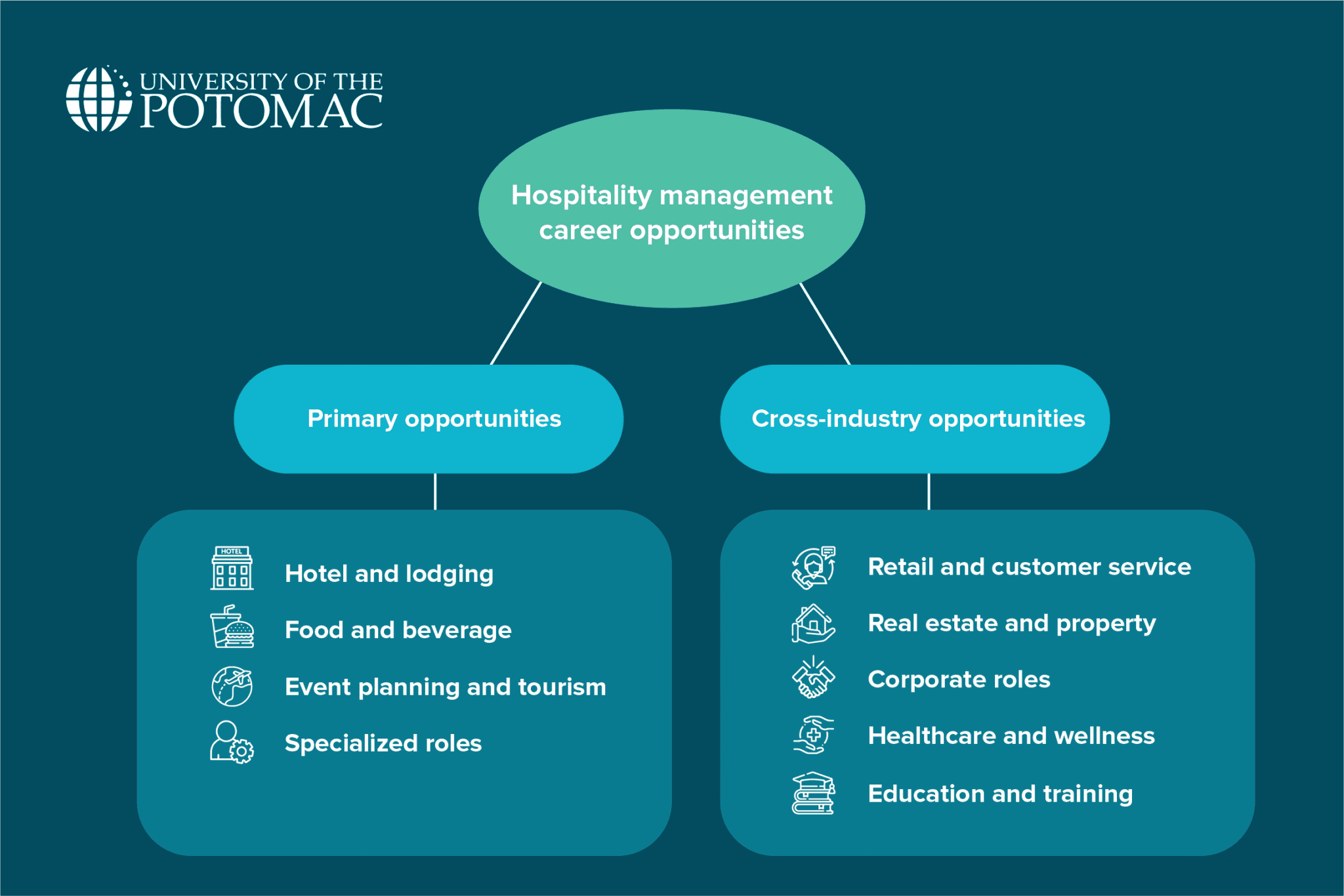
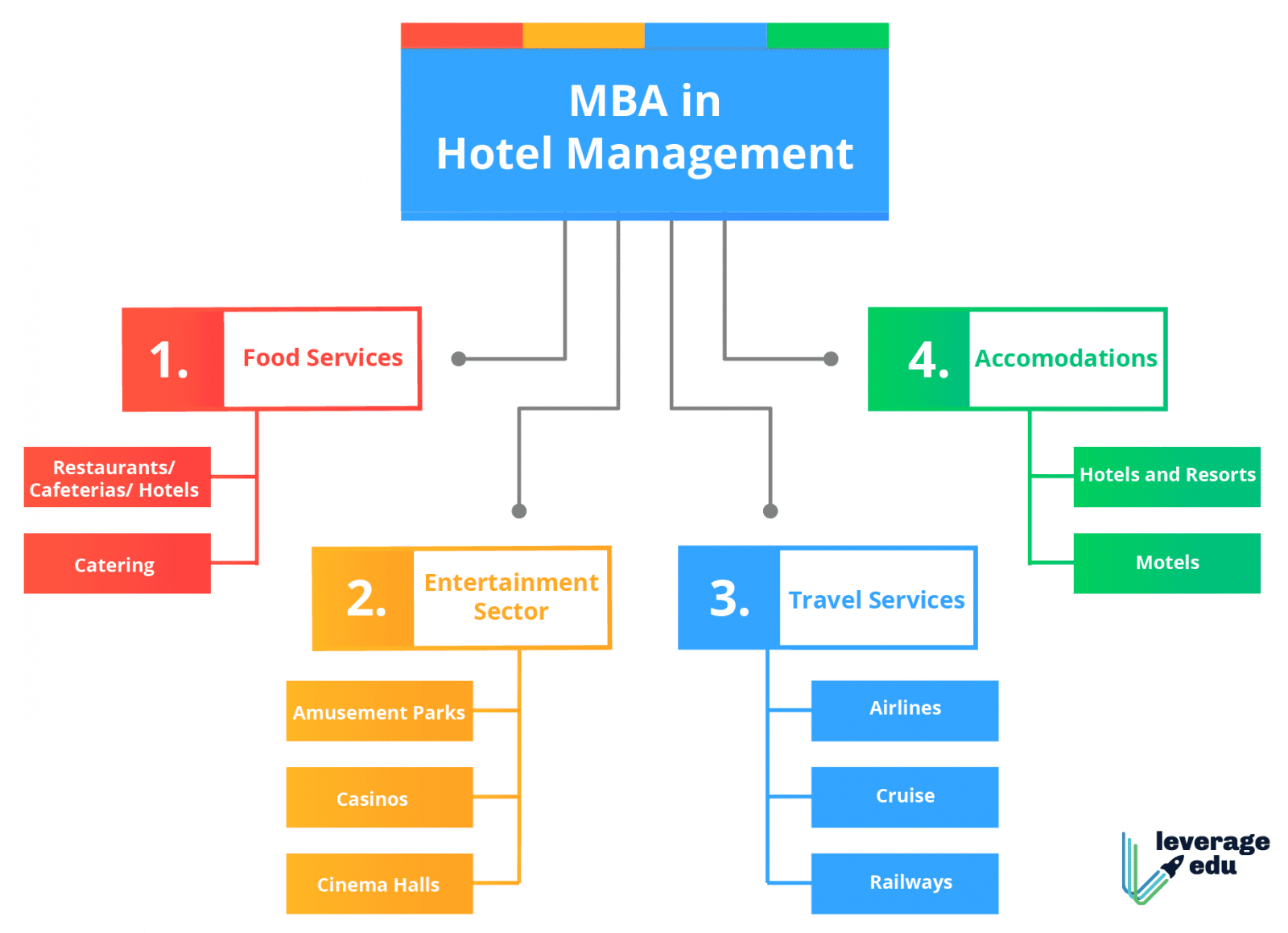
The modern hospitality industry extends far beyond traditional hotel front desks and restaurant floors. It encompasses luxury resorts, international cruise lines, corporate event management, aviation services, integrated entertainment complexes, and large-scale real estate developments. As this sector grows increasingly data-driven and globally interconnected, professionals require more than just on-the-ground operational experience to reach executive suites. A Master of Business Administration (MBA) focused on hospitality management provides a strategic toolkit designed to transform mid-level operators into high-level enterprise leaders, addressing the intersection of profitability, service excellence, and asset management.
Core Curriculum: Blending Traditional Business with Sector Expertise
Unlike a traditional MBA that relies heavily on manufacturing, tech, or standard corporate finance paradigms, a hospitality-focused MBA adapts foundational business subjects to the service sector. The curriculum is constructed to ensure that graduates master universal business competencies while applying them directly to real-world hospitality scenarios.
Advanced Financial Management and Asset Valuation
Financial strategy in hospitality differs significantly from other industries due to heavy capital expenditures, real estate holdings, and fluctuating revenue streams. Programs dive deep into hotel real estate investment trusts (REITs), property acquisition, and capital budgeting. Students learn how to analyze profit and loss (P&L) statements at an enterprise level, evaluate return on investment (ROI) for major renovations, and navigate complex asset management decisions that balance owner expectations with brand standards.
Strategic Marketing in Experience-Driven Markets
Marketing an intangible service requires specialized frameworks. Coursework explores customer relationship management (CRM) systems, loyalty program economics, digital acquisition channels, and brand positioning in luxury versus economy segments. Students study how to leverage big data—such as guest booking histories, social media sentiment, and demographic trends—to optimize pricing strategies and drive direct bookings, minimizing reliance on third-party distribution channels.
Global Operations and Supply Chain Resilience
Hospitality operations rely on seamless logistical coordination across food and beverage, housekeeping, maintenance, and guest services. MBA candidates examine operational efficiency models, lean management principles, and sustainable business practices. Given global supply chain vulnerabilities, coursework increasingly emphasizes risk mitigation, vendor diversification, and technology integration, including automated check-in systems and smart-room IoT architectures.
Leadership Development and Strategic Decision-Making
Beyond technical skills, an hospitality management MBA emphasizes executive leadership, organizational behavior, and crisis management. The service sector is notoriously vulnerable to external shocks, ranging from geopolitical instability and economic recessions to public health crises.
Managing High-Turnover Workforces
Human capital is the primary differentiator in hospitality. Programs address labor shortages, union relations, cross-cultural team management, and talent retention strategies. Future executives learn how to design incentive structures, foster inclusive workplace cultures, and implement scalable training programs that maintain brand consistency across multinational portfolios.
Crisis Management and Revenue Mitigation
When disruptions occur, hospitality leaders must pivot rapidly. Case studies frequently analyze historical industry disruptions to teach strategic agility. Students explore dynamic pricing adjustments, variable cost-control measures, and asset repurposing strategies to protect stakeholder value during downturns.
Professional Network Access and Industry Partnerships
One of the most tangible returns on investment (ROI) from an accredited hospitality MBA is the professional network it unlocks. Leading business schools and specialized hotel institutes maintain deep corporate partnerships with major global hospitality brands, investment firms, and real estate developers.
Recruitment Pipelines and Corporate Relations
Top-tier hospitality companies—such as Marriott International, Hilton, Hyatt, InterContinental Hotels Group (IHG), and luxury asset management firms—frequently recruit directly from specialized MBA cohorts. These programs host targeted career fairs, executive-in-residence programs, and corporate consulting projects that allow students to solve live business challenges for major brands before graduation.
Global Alumni Communities
An MBA cohort typically brings together diverse professionals from various corners of the globe, including operations managers, culinary directors, real estate analysts, and entrepreneurs. This peer network provides lifelong mentorship, international mobility, and collaborative business opportunities long after graduation.
Career Trajectories and Earning Potential
Graduates with a hospitality management MBA are positioned to bypass traditional entry-level operational hurdles and enter organizations at the managerial, director, or executive level. The degree serves as a catalyst for career pivots as well, enabling finance professionals to transition into hospitality development or operational leaders to move into corporate strategy.
| Career Path / Role | Primary Responsibilities | Typical Entry Requirements & Background |
|---|---|---|
| Director of Hotel Asset Management | Overseeing property performance, managing owner relations, and optimizing capital expenditures for hotel portfolios. | 5+ years in hospitality finance, real estate, or operations, plus an MBA. |
| Corporate Director of Operations | Standardizing operating procedures, scaling brand initiatives, and driving regional efficiency across multiple properties. | Extensive multi-unit operational experience combined with advanced strategic training. |
| Hospitality Real Estate Consultant | Conducting market feasibility studies, underwriting acquisitions, and advising developers on new hotel builds. | Strong background in corporate finance, valuation modeling, and market research. |
| VP of Guest Experience & Innovation | Designing omnichannel guest journeys, integrating new property technologies, and leading loyalty strategies. | Background in marketing, digital transformation, or high-end service management. |
Evaluating Program Options: What to Look For
Choosing the right program requires careful evaluation of institutional focus, faculty expertise, and structural flexibility. Not all hospitality MBAs are structured identically; prospective students should compare offerings based on specific professional goals.
Specialized vs. General MBA with a Hospitality Concentration
- Specialized Hospitality MBA: Offered by dedicated hotel institutes or business schools with specialized centers of excellence. These programs feature heavy networking within the sector, specialized electives, and faculty who are active industry consultants.
- General MBA with a Hospitality Focus: Offered by traditional business schools where students take core business classes and select two or three electives in tourism or service management. This option offers broader industry exit opportunities outside of hospitality.
Experiential Learning and Capstone Projects
The most rigorous programs replace or supplement traditional thesis requirements with live consulting projects, international field study trips, or management simulations. Candidates should verify whether the school facilitates substantive internships with recognized global brands or investment funds.
Common Misconceptions and Practical Limitations
While a specialized MBA offers distinct advantages, applicants should approach the investment with realistic expectations regarding industry norms and structural realities.
- It Does Not Replace Operational Grounding: A graduate degree alone cannot substitute for frontline experience. Many executive roles still require candidates to understand the daily realities of guest interactions, labor scheduling, and back-of-house operations.
- Geographic Concentration Matters: Programs based in major tourism hubs or financial capitals often provide superior local networking events and guest lecture series compared to remote or geographically isolated institutions.
- Initial Compensation Variance: Entry salaries vary widely depending on the sub-sector. While corporate development and asset management roles at large firms command competitive packages, independent boutique properties or smaller regional operations may offer lower starting compensation initially.
Frequently Asked Questions
Do I need prior hospitality industry experience to enroll in a hospitality MBA?
Most programs prefer applicants with some professional background, but requirements vary. General business experience, finance, consulting, or real estate backgrounds are often welcomed, provided the candidate demonstrates a clear commitment to entering or advancing within the service sector.
How does an hospitality MBA differ from a Master of Management in Hospitality (MMH)?
An MBA provides a comprehensive business foundation spanning finance, marketing, strategy, and operations, applicable to various sectors with a focus on hospitality. An MMH or Master of Science in Hospitality Management is typically more specialized, focusing intensely on day-to-day sector operations, property management, and technical service skills.
Can I complete a hospitality management MBA online while working?
Yes. Numerous reputable business schools offer flexible online, hybrid, or executive part-time formats designed for working professionals. These formats allow candidates to apply strategic concepts directly to their current roles in real-time.
What is the typical return on investment timeline for this degree?
ROI depends on the program's tuition cost, the student's pre-MBA salary, and post-graduation placement. Graduates who pivot successfully into corporate asset management, private equity, or director-level hotel operations typically realize a full financial recovery within three to five years post-graduation.
Are scholarships available for hospitality MBA candidates?
Many business schools and hospitality-specific foundations offer merit-based scholarships, fellowships, and corporate-sponsored tuition assistance programs. Industry associations, such as the American Hotel & Lodging Educational Foundation (AHLEF), frequently provide grants for graduate studies in the field.
Next Steps for Prospective Applicants
For professionals deciding whether to pursue this path, the initial action involves auditing current competencies against target career aspirations. Review job descriptions for desired executive roles to determine whether leadership gaps lie in financial modeling, global strategy, or industry-specific networking. Research target business schools, attend virtual admissions info sessions, and connect with alumni on professional networks to evaluate firsthand employment outcomes before submitting applications.
Image Gallery