Why You Should Bundle Auto and Homeowners Insurance in New Jersey
Bundling your auto and homeowners insurance in New Jersey—often called "multi-policy" insurance—is a strategy that leverages your relationship with a single provider to reduce overall premiums and simplify administrative tasks. By cons...
Bundling your auto and homeowners insurance in New Jersey—often called "multi-policy" insurance—is a strategy that leverages your relationship with a single provider to reduce overall premiums and simplify administrative tasks. By consolidating these two essential policies, you typically qualify for a significant discount, streamline your claims process, and ensure consistent coverage limits across your personal assets in a complex regulatory environment.
Contents
Understanding the Mechanics of Insurance Bundling
Insurance bundling occurs when a policyholder purchases multiple types of insurance coverage—most commonly auto and homeowners—from the same carrier. In the insurance industry, this is structured as a multi-policy discount. For the insurer, providing both policies reduces the cost of customer acquisition and improves retention, a benefit they pass on to the consumer through reduced pricing.
In New Jersey, where insurance premiums are often influenced by high population density, urban traffic patterns, and the specific risk profiles of coastal or flood-prone regions, providers manage risk pools carefully. When you bundle, you essentially present a more complete financial profile to the insurer. This allows the company to calculate risk across a broader spectrum of your life, often leading to a more favorable underwriting position than if you held policies with two unrelated companies.
The Financial Advantages of Bundling
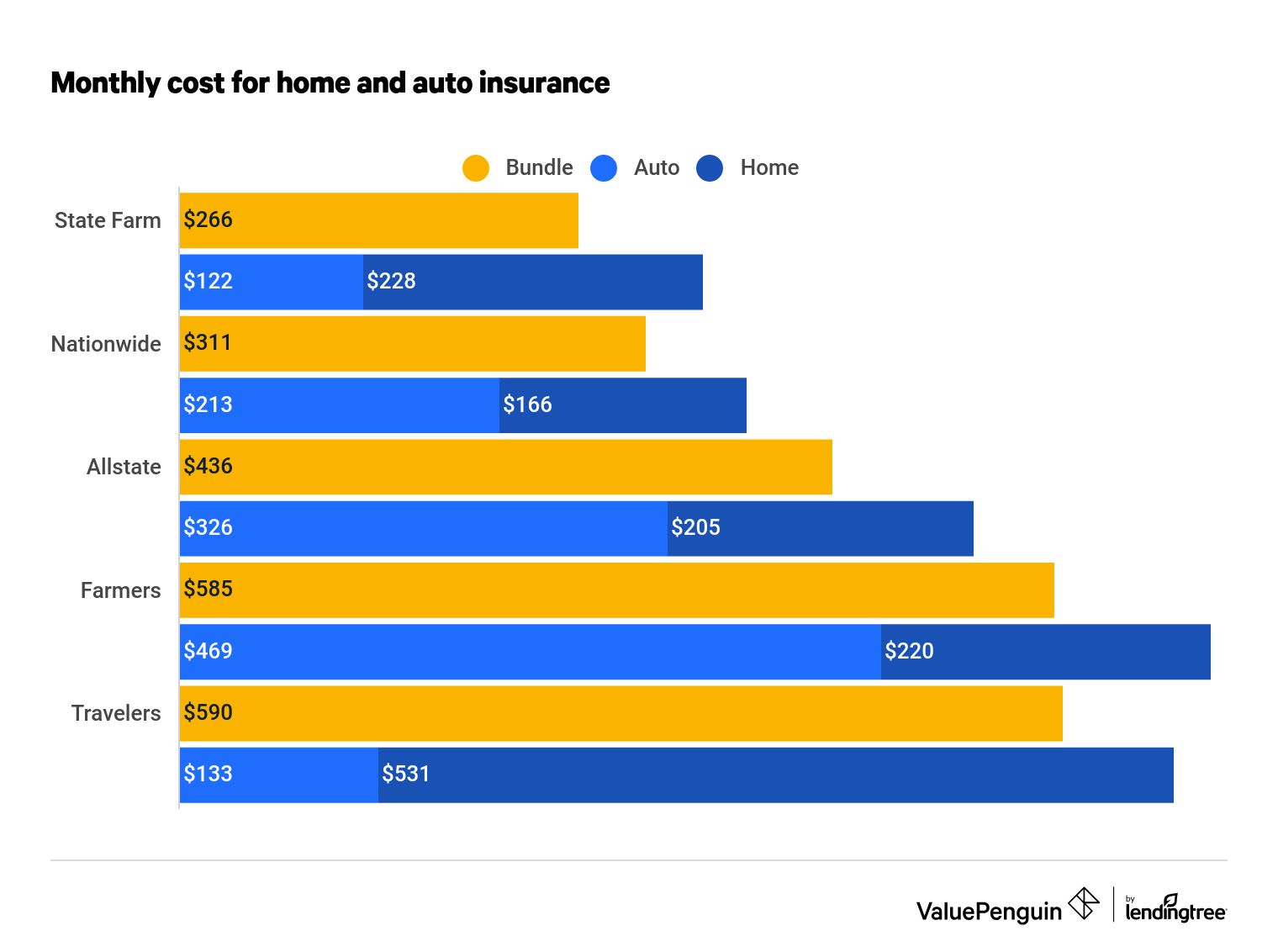
The primary driver for bundling in New Jersey is the direct impact on your bottom line. Most major carriers operating in the state offer discounts ranging from 5% to 25% on the combined premiums of your policies.
- Discount Stacking: The discount is often applied to both the home and the auto premium. If your auto policy costs $2,000 annually and your homeowners policy costs $1,500, a 15% bundle discount could save you over $500 per year.
- Simplified Billing Cycles: Managing two separate insurance carriers involves tracking different renewal dates, installment schedules, and payment portals. A single provider allows you to align these dates, often providing a unified billing statement that makes budgeting more predictable.
- Single Deductible Benefits: While rare, some policies offer "disappearing deductible" programs or specialized clauses that may trigger if you have a significant event affecting both your home and vehicle, such as a major storm that results in both structural damage and vehicular damage.
Regulatory Considerations in New Jersey
New Jersey insurance regulations are overseen by the Department of Banking and Insurance (DOBI). This department mandates that insurance companies provide clear documentation regarding how discounts are applied. Because New Jersey is a high-cost state for insurance, the competitive landscape is aggressive. Carriers frequently update their "tier" structures to attract customers who are willing to commit to multi-policy arrangements.
It is important to note that New Jersey requires specific minimums for auto insurance, including Personal Injury Protection (PIP) and Property Damage Liability. When you bundle, your insurer is responsible for ensuring that both your homeowners and auto policies meet these state-mandated thresholds while providing additional umbrella or excess liability coverage if requested.
Comparing Risks and Rewards: Bundling vs. Unbundling
Deciding whether to bundle requires an honest assessment of your specific risk factors. Below is a comparison of how these strategies perform in the New Jersey market.
| Feature | Bundled Policies | Separate Policies |
|---|---|---|
| Total Annual Cost | Generally lower due to multi-policy discounts. | Often higher due to loss of loyalty credits. |
| Claim Handling | One point of contact for multi-asset claims. | Separate claim departments per policy. |
| Coverage Precision | Optimized for "standard" risk profiles. | Allows for "best-in-class" specialty coverage. |
| Underwriting | The insurer sees your full risk profile. | Risky habits in one area may not affect the other. |
| Administrative Effort | Minimal; one login, one renewal date. | Higher; managing different expiration dates. |
When Bundling Might Not Be the Best Choice
While the financial incentives are strong, bundling is not universally superior. There are scenarios where keeping policies separate might be more advantageous:
- Specialized Coverage Needs: If you own a high-value historic home in New Jersey that requires a niche insurer specializing in architectural restoration, that company might not offer competitive auto insurance. Conversely, if you drive a luxury or high-performance vehicle, you may need a carrier that specializes in high-net-worth automotive policies.
- Drastically Different Risk Profiles: If you have an excellent driving record but a home located in a high-risk flood zone that requires a state-backed or specialized high-risk policy, a standard national carrier might raise the premiums on your auto policy to compensate for the risk they are taking on your home.
- The "All-Eggs-in-One-Basket" Risk: If a single company becomes insolvent or pulls out of the New Jersey market (a rare but possible regulatory event), you face the inconvenience of moving both policies simultaneously.
Steps to Evaluate and Execute a Bundle
If you have decided that bundling is right for your situation, follow this methodical process to ensure you maximize your benefits while maintaining adequate protection:
- Inventory Your Assets: Before calling an agent, document the replacement value of your home, the current value of your vehicle(s), and any additional riders needed (e.g., jewelry, secondary residences, or teen drivers).
- Request Quotes for Comparison: Do not settle for the first offer. Obtain a quote for the bundle, then obtain individual quotes from the best specialty carriers in both the auto and home sectors.
- Check Financial Strength Ratings: Before finalizing, check the financial stability rating of the insurance carrier via A.M. Best. You want a company that will remain solvent and responsive during a catastrophic event in New Jersey.
- Confirm the "All-Peril" vs. "Named-Peril" Structure: Ensure that bundling does not lead to a reduction in coverage quality. Sometimes, to offer a lower bundle price, companies may offer a "named-peril" policy, which only covers specific disasters, rather than "all-peril" coverage.
Frequently Asked Questions
Does bundling auto and home insurance affect my credit score? Insurance carriers use insurance-based credit scores to assess risk. When you bundle, the carrier will run these checks on both policies. This generally results in a "hard" or "soft" inquiry depending on the state and carrier, but it is standard practice and does not typically harm your credit significantly if your financial history is stable.
If I bundle, do I still have to pay two separate deductibles if one event damages both my car and home? Yes. Even if you are with the same provider, the auto and homeowners policies are legally distinct contracts. A storm that blows a tree onto your house (homeowners claim) and your car (auto claim) requires two separate deductible payments.
Can I bundle if I am a renter in New Jersey? Absolutely. Many carriers offer "Renters and Auto" bundles. The discount is typically lower than the homeowner equivalent, but it remains an effective way to lower your monthly expenses.
Does a bundle discount apply to all policy types? Not necessarily. While auto and home are the standard, some companies include motorcycle, boat, or umbrella insurance in their bundle tiers. Ask your agent specifically if adding a third policy further increases your percentage discount.
What happens if I have a claim on one policy? Will it affect the premium of the other? This is a common concern. While a claim on your homeowners policy (such as a weather-related event) generally should not affect your auto insurance premiums, some insurers use "internal loss history" to re-evaluate your total risk profile at renewal. Always clarify your carrier's policy on this during the sign-up process.
Final Recommendation
Before committing to a bundle, conduct a "renewal review." Contact your current providers and explicitly ask: "What is my total cost if I bundle these policies?" Then, compare this against the total cost of maintaining your existing, separate policies. If the savings exceed 10% without compromising your coverage limits, bundling is a sound financial strategy. Ensure your new policy documentation is fully reviewed in 2026, as carrier underwriting guidelines evolve annually.
Image Gallery