The Indian God of Prosperity: A Comprehensive Guide to Ganesha and Kubera
In Indian tradition, the primary male figures recognized as the Indian god of prosperity are Lord Ganesha, the remover of obstacles and god of beginnings, and Lord Kubera, the divine treasurer of the gods. While Goddess Lakshmi is the...
In Indian tradition, the primary male figures recognized as the Indian god of prosperity are Lord Ganesha, the remover of obstacles and god of beginnings, and Lord Kubera, the divine treasurer of the gods. While Goddess Lakshmi is the supreme feminine deity of wealth, Ganesha and Kubera are systematically invoked to ensure that material and spiritual abundance are attained through wisdom and preserved with care.
Contents
Understanding the Concept of Prosperity in Indian Tradition
To understand the Indian god of prosperity, one must first distinguish between simple currency and the broader Vedic concept of Shubha-Laabha (Auspicious Profit). In the cultural landscape of 2026, as in centuries past, prosperity is viewed as a multifaceted state involving health, wisdom, family, and financial security.
Indian mythology does not attribute prosperity to a single entity in a vacuum. Instead, it presents a hierarchy of deities who manage different aspects of "success." Lord Ganesha is the "God of Success" (Siddhi) and "Prosperity" (Riddhi). Without his blessing, any attempt to gain wealth is believed to be met with insurmountable obstacles. On the other hand, Lord Kubera represents the actual accumulation and protection of wealth. He is the banker of the heavens, responsible for the distribution of riches according to one's karma and effort.
Lord Ganesha: The Lord of Auspicious Beginnings
Lord Ganesha is perhaps the most recognizable Indian god of prosperity worldwide. Characterized by his elephant head and large belly, he is the son of Lord Shiva and Goddess Parvati. In any Hindu ritual or business venture, Ganesha is the first deity to be worshipped (Prathama Pujya). This tradition stems from the belief that no matter how much capital or talent one possesses, success is impossible if the path is blocked by unforeseen hurdles.
The Role of Riddhi and Siddhi
Ganesha is often depicted with two consorts (or powers): Riddhi and Siddhi.
- Riddhi represents prosperity, abundance, and the blooming of wealth.
- Siddhi represents intellectual power, spiritual liberation, and the successful completion of tasks.
The presence of both signifies that in Indian philosophy, prosperity is hollow without the wisdom to manage it. In 2026, this concept remains highly relevant in corporate governance and personal finance, where "Siddhi" translates to the skill set and "Riddhi" to the resulting financial growth.
Iconography as a Blueprint for Success
Every element of Ganesha’s form serves as a metaphorical guide for achieving prosperity:
- The Large Elephant Head: Represents the immense wisdom required to navigate complex markets and life decisions.
- The Small Eyes: Symbolize the power of concentration and focus—essential traits for any entrepreneur or head of household.
- The Large Ears: These signify the importance of being a good listener, gathering information, and filtering out the "noise" of the world.
- The Broken Tusk: Symbolizes the willingness to sacrifice and the ability to transcend dualism to complete a goal (as Ganesha is said to have used his broken tusk to write the Mahabharata).
- The Large Belly: Represents the capacity to peacefully digest all the "good and bad" experiences of life, maintaining equanimity in both profit and loss.
Lord Kubera: The Divine Treasurer
If Ganesha is the one who clears the path to wealth, Lord Kubera is the one who holds the keys to the vault. Unlike Ganesha, who is a primary deity of the Hindu pantheon, Kubera is a Dikpala (Guardian of the Directions) and the King of the Yakshas (nature spirits). He resides in the Himalayan city of Alaka and guards the treasures of the earth.
The Guardian of the North
In the science of Vastu Shastra (traditional Indian architecture), the North direction is governed by Kubera. In 2026, many Indian businesses and homeowners still align their financial offices or lockers toward the North to attract his energy. Kubera is not the "creator" of wealth—that role belongs to Goddess Lakshmi—but he is its "custodian." He ensures that wealth is distributed to those who deserve it through hard work and devotion.
Iconography and Symbols of Wealth
Kubera is often depicted as a "plump" figure, signifying the physical manifestation of abundance. He usually holds:
- A Pomegranate or Money Bag: Representing the seeds of prosperity and the containment of assets.
- A Mace: Symbolizing the authority and protection required to defend one’s wealth.
- The Mongoose (Nakula): Often shown vomiting jewels, the mongoose is a unique symbol for Kubera. It represents the victory over the serpent (greed) and the transformation of base desires into precious wealth.
Comparison of Ganesha and Kubera
While both are associated with prosperity, their functions differ significantly. The following table highlights the distinctions between these two masculine figures of abundance.
| Feature | Lord Ganesha | Lord Kubera |
|---|---|---|
| Primary Domain | Obstacle removal and new beginnings | Accumulation and guardianship of wealth |
| Symbolic Representation | Wisdom and Intellect | Material Riches and Assets |
| Directional Influence | Generally placed at the entrance | Governs the North (financial sector) |
| Associated Consort | Riddhi (Prosperity) & Siddhi (Success) | Linked to the grace of Goddess Lakshmi |
| Key Festival | Ganesh Chaturthi | Dhanteras (during Diwali) |
| Primary Attribute | The "Opener" of the way | The "Banker" of the gods |
| Mantra Focus | Overcoming difficulties | Attracting and retaining capital |
Rituals and Practices for Prosperity in 2026
The invocation of the Indian god of prosperity is not merely an ancient historical fact but a living practice. In 2026, these rituals have adapted to modern lifestyles while maintaining their core spiritual intent.
Ganesh Chaturthi: The Global Celebration
Ganesh Chaturthi is the primary festival dedicated to Ganesha. Spanning ten days, it involves the installation of clay idols in homes and public pandals. From a prosperity perspective, this period is considered the most auspicious time to launch new business ventures, sign contracts, or invest in property. The immersion of the idol (Visarjan) at the end of the festival symbolizes the cyclical nature of wealth—that it must flow and return to its source.
Dhanteras and Kubera Puja
On the first day of the Diwali festival, known as Dhanteras, Lord Kubera is worshipped alongside Goddess Lakshmi. It is a day when millions of people across India and the diaspora purchase gold, silver, or new utensils. This act is more than consumerism; it is a ritualized acknowledgment of Kubera’s role in bringing tangible assets into the home.
The Role of Mantras
Mantras are considered sound frequencies that align the practitioner with the deity's energy.
- Ganesha Mantra: "Om Gam Ganapataye Namaha" is chanted to clear the mind and the path of work.
- Kubera Mantra: "Om Yakshaya Kuberaya Vaishravanaya Dhanadhanyadhipataye..." is used specifically for financial growth and the recovery of lost wealth.
The Philosophy of "Laabha" (Profit)
In the context of Indian theology, seeking prosperity from a god is not viewed as inherently greedy, provided it adheres to Dharma (righteousness). The concept of prosperity includes the ability to provide for one's family, contribute to the community, and achieve spiritual peace.
Ganesha’s role as the god of wisdom ensures that the seeker does not become blinded by wealth. This is why he is often depicted with a small mouse as his vehicle (Vahana). The mouse represents the ego and worldly desires, which can "nibble away" at one's foundations. By sitting atop the mouse, Ganesha shows that he has mastered these desires. For the modern individual in 2026, this serves as a reminder that to be truly prosperous, one must control their impulses rather than being controlled by them.
Practical Steps for Invoking Prosperity
For those looking to integrate these traditional concepts into their lives or businesses, several standard practices are recommended by cultural experts and Vastu consultants:
- Placement of the Idol: Place a Ganesha idol near the entrance of your workspace to welcome positive energy. Ensure he faces the interior of the house to bring prosperity "in."
- The North Sector: Keep the North area of your office or home clean, well-lit, and free of clutter to honor Lord Kubera. This is often where financial records or safes are placed.
- The "Shubh-Laabh" Mark: Many Indian businesses write "Shubh" (Auspicious) and "Laabh" (Profit) on their ledger books or digital dashboards as a symbolic call for ethical prosperity.
- Consistency in Worship: Traditional wisdom suggests that "Lakshmi is fleeting" (Chanchala), but wealth stays where there is discipline. Regularity in one's work and spiritual focus is considered the highest form of worship for the god of prosperity.
FAQs
Which Indian god should I pray to for financial problems?
For immediate relief from obstacles preventing financial growth, Lord Ganesha is traditionally invoked. However, for the specific accumulation of wealth and the resolution of debt, many practitioners turn to Lord Kubera through the "Kubera Yantra" or specific Vedic prayers. It is common to worship both in conjunction with Goddess Lakshmi for a balanced result.
Why is Ganesha called the god of prosperity?
Ganesha is called the god of prosperity because he governs the two essential prerequisites for wealth: the removal of obstacles and the application of wisdom. In Indian thought, wealth without wisdom is considered temporary and potentially destructive. Ganesha provides the "Riddhi" (prosperity) and "Siddhi" (spiritual/intellectual success) that make wealth sustainable.
What is the significance of the elephant head in terms of wealth?
The elephant head symbolizes two major assets in prosperity: memory and intelligence. In ancient and modern commerce, the ability to remember vast amounts of information and use it intelligently is what separates successful individuals from the rest. The elephant is also a symbol of royalty and power in Indian culture, representing the "majesty" of a prosperous life.
Can Kubera be worshipped at home?
Yes, Lord Kubera can be worshipped at home, usually in the form of a Kubera Yantra or a small idol placed in the North direction. Unlike Ganesha, who is a "universal" deity, Kubera is often worshipped with more specific intent related to business and financial management.
Is Lakshmi the same as the god of prosperity?
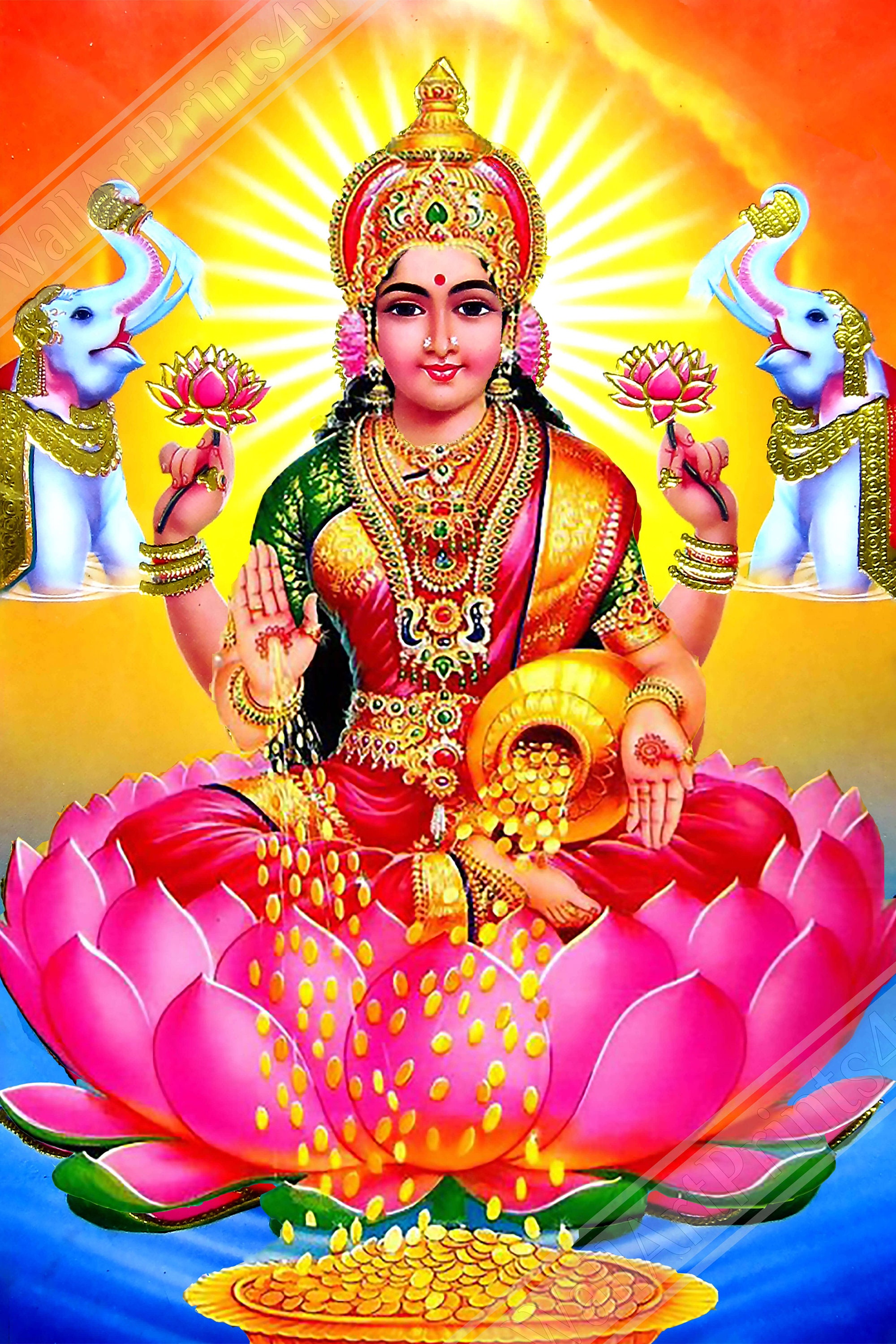
Goddess Lakshmi is the feminine "Power" (Shakti) of wealth and prosperity. While Ganesha and Kubera are "gods" (masculine), Lakshmi is the "Goddess." In Hindu philosophy, the masculine and feminine aspects are inseparable. Ganesha provides the wisdom to earn, Kubera provides the means to store, and Lakshmi provides the essence of the wealth itself.
Summary of Actionable Insights
To align with the energies of the Indian god of prosperity, focus on the "Ganesha principle" of removing internal obstacles—such as procrastination or lack of focus—before seeking the "Kubera principle" of external wealth accumulation. In 2026, this ancient framework remains a potent psychological and spiritual tool for those seeking a life of abundance and purpose.
Image Gallery