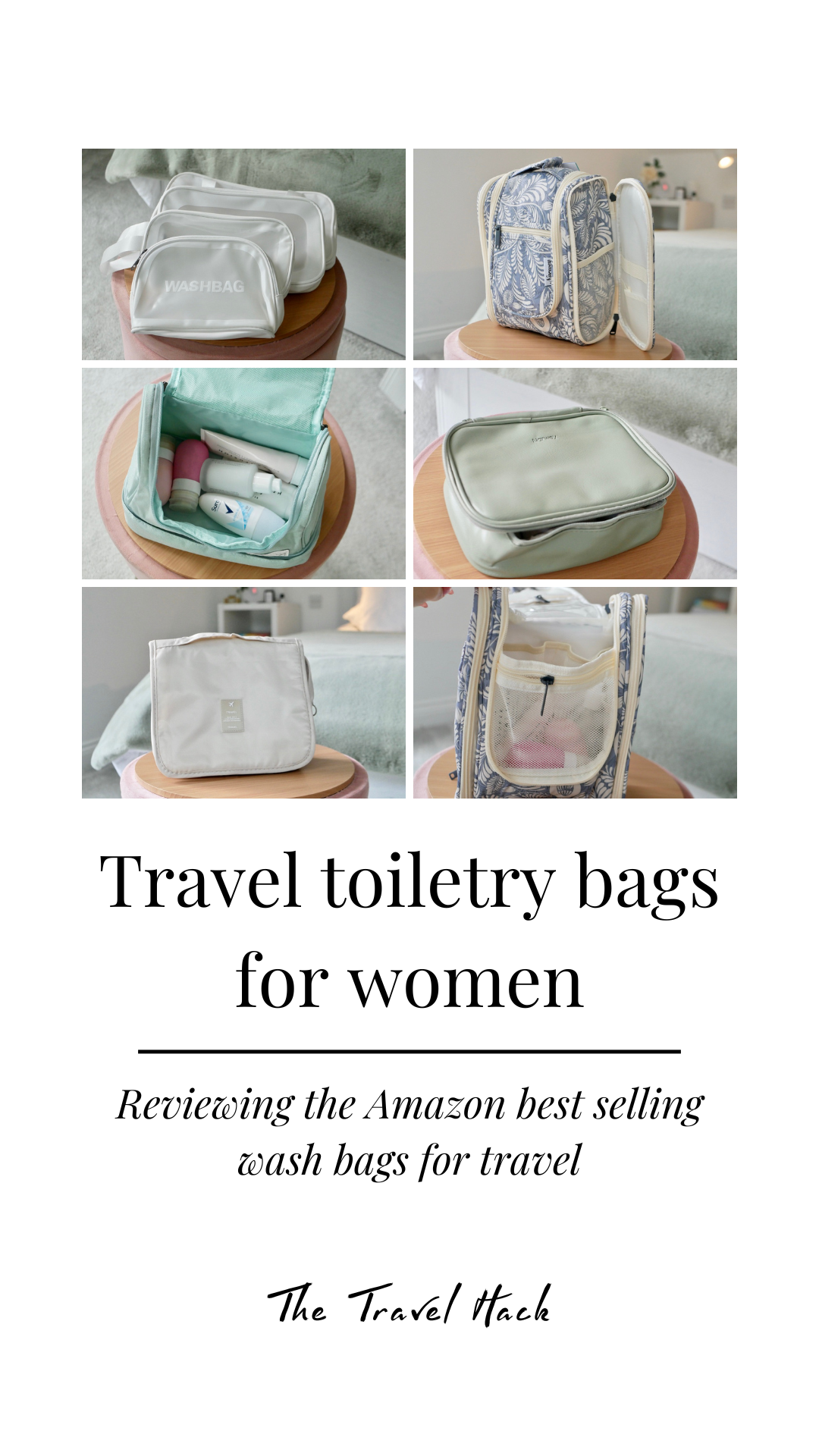
The Best Toiletry Bags for Women: Determining Which One Wins Your Travel Needs
Selecting the ideal toiletry bag depends on how you organize, the duration of your travel, and the specific regulatory requirements you face at security checkpoints. The "best" bag is one that balances physical capacity with the abilit...
Selecting the ideal toiletry bag depends on how you organize, the duration of your travel, and the specific regulatory requirements you face at security checkpoints. The "best" bag is one that balances physical capacity with the ability to keep leak-prone items contained while ensuring your essentials remain accessible and compliant with liquid restrictions.
Contents
Understanding Your Travel Persona
Before investing in a toiletry bag, identify your primary travel mode. A minimalist who travels with carry-on luggage only has fundamentally different needs than a traveler who checks large suitcases or someone who takes extended trips requiring full-sized products.
Most travelers fall into one of three categories:
- The Minimalist: Relies on travel-sized containers and needs a bag that fits into a small side pocket of a carry-on.
- The Organizer: Requires compartments for distinct categories—skincare, dental care, cosmetics, and medications—to avoid digging through a single, cluttered pouch.
- The Professional/Frequent Flyer: Prioritizes durability, water-resistant linings, and the ability to hang the bag in small hotel bathrooms where counter space is limited.
Key Factors for Toiletry Bag Performance
To determine which bag meets your specific needs, evaluate each candidate against four objective technical criteria.
1. Material and Interior Lining
The most critical feature is the interior lining. Toiletries are prone to spills; therefore, a TPU (thermoplastic polyurethane) or PVC-coated interior is non-negotiable for easy cleanup. Fabrics like nylon or polyester are standard for the exterior due to their abrasion resistance, but the interior must be non-porous to prevent shampoo or toner from soaking into the structure of the bag.
2. Capacity vs. TSA Compliance
If you travel with only a carry-on, the Transportation Security Administration (TSA) 3-1-1 liquids rule remains the governing constraint. In the United States, liquids, gels, and aerosols must be in containers of 3.4 ounces (100 milliliters) or less and fit within a single quart-sized, clear plastic bag. If your toiletry bag is opaque, you must be able to remove a clear bag containing these items quickly. For checked luggage, this restriction does not apply, allowing for larger, structured cases that can house full-sized bottles upright.
3. Hanging Architecture
The "hanging" toiletry bag has become the gold standard for travel. These bags feature an internal hook that allows them to be suspended from a bathroom door or towel rack. This is particularly advantageous in older hotels or budget accommodations where sink surfaces are minimal or absent. Ensure the hook is reinforced, as the weight of full-sized bottles can snap low-quality plastic or thin metal components.
4. Compartmentalization Strategy
Evaluate how the bag organizes your items.
- Flat-pack: Good for tight spaces in carry-ons.
- Accordion-style: Allows for viewing items without removing them.
- Modular: Features detachable pouches, which allow you to bring only the necessary items (like makeup) to the vanity while leaving the rest in the bag.
Comparison of Toiletry Bag Styles
The following table summarizes which bag architecture suits common travel scenarios.
| Bag Style | Primary Benefit | Best For | Potential Drawback |
|---|---|---|---|
| Clear Cube | TSA visibility | Minimalist carry-on travelers | Limited structure; prone to leaks |
| Hanging Organizer | Space efficiency | Hotels with small bathrooms | Requires vertical space; can be bulky |
| Structured Kit | High capacity | Checked luggage; long-term travel | Occupies significant footprint |
| Roll-up Pouch | Flexibility | Backpacking or tight storage | Items can shift during transit |
Common Mistakes When Choosing a Toiletry Bag
One frequent error is failing to account for the "spill factor." Even with high-quality containers, altitude changes during air travel can cause liquids to expand and leak. A bag with a separate, sealed compartment for liquids—isolated from makeup brushes or electronics—is an essential preventive measure.
Another oversight is the weight of the empty bag. Leather or thick canvas bags offer aesthetic appeal but add unnecessary weight to your luggage allowance. In 2026, the trend in travel gear remains toward lightweight, high-tenacity nylons that offer extreme durability without the bulk.
Troubleshooting Your Organization
If you find that your toiletry bag is constantly overflowing, the issue is often not the bag but the product volume. Review these three steps to optimize your packing efficiency:
- Consolidate: Use multi-purpose products. A moisturizer with SPF eliminates the need for a separate sunscreen bottle.
- Verify: Check the labels on your current containers. If you are packing 6-ounce bottles for a three-day trip, you are carrying unnecessary weight.
- Contain: Use silicone squeeze bottles that are TSA-compliant. These allow for easier dispensing of thick creams compared to rigid plastic bottles and are less likely to crack under pressure.
Frequently Asked Questions
Does my toiletry bag need to be transparent to pass through airport security? Your entire bag does not need to be transparent, but the liquids inside must be visible for inspection. If you use an opaque bag, ensure your liquids are inside a separate, clear, quart-sized bag that can be easily pulled out and placed in a bin for the security scanner.
How do I clean a toiletry bag that has had a spill? Most modern synthetic bags can be wiped down with a damp cloth and mild soap. If the lining is fabric-based, allow it to air dry completely while hanging to prevent mildew. Never put a structured bag in a washing machine, as the internal plastic frames or cardboard inserts may warp or break.
What is the best way to prevent leaks in a toiletry bag? Place a small square of plastic wrap over the opening of the bottle before screwing the cap back on. This creates a secondary seal that prevents seepage, especially for low-viscosity liquids like toners or makeup removers.
Is a hanging bag worth the extra weight? Yes, if you frequently travel to locations with limited counter space. The ability to keep your items off a potentially damp or small bathroom surface justifies the marginal increase in weight provided by the hanging mechanism.
Should I choose a bag with many small pockets? Only if you are disciplined about where you store items. Many small pockets can actually make organization more difficult, as you may spend time searching through multiple zippers to find a single item. Aim for a balance of one or two large compartments and a few smaller, dedicated zippered pockets.
Final Recommendation
The "winning" toiletry bag for most travelers is the hanging organizer with modular, transparent, or mesh-window compartments. This style provides the best balance of vertical space saving and logical categorization. For your next trip, prioritize a bag made of high-denier, water-resistant nylon with a reliable, reinforced hook. By focusing on materials that allow for rapid drying and compartments that prevent cross-contamination of your liquids and other essentials, you will effectively solve the chaos of travel grooming and ensure your items are ready for use the moment you reach your destination.
Image Gallery