Understanding How Debt Consolidation Works in Maryland
Debt consolidation in Maryland involves combining multiple high-interest debts into a single, more manageable monthly payment, often through a new loan or a structured repayment program. The primary objective is to simplify personal fi...
Debt consolidation in Maryland involves combining multiple high-interest debts into a single, more manageable monthly payment, often through a new loan or a structured repayment program. The primary objective is to simplify personal finances, potentially reduce the overall interest rate, and establish a clear timeline for becoming debt-free without the complexity of managing disparate creditors.
Contents
The Mechanics of Debt Consolidation
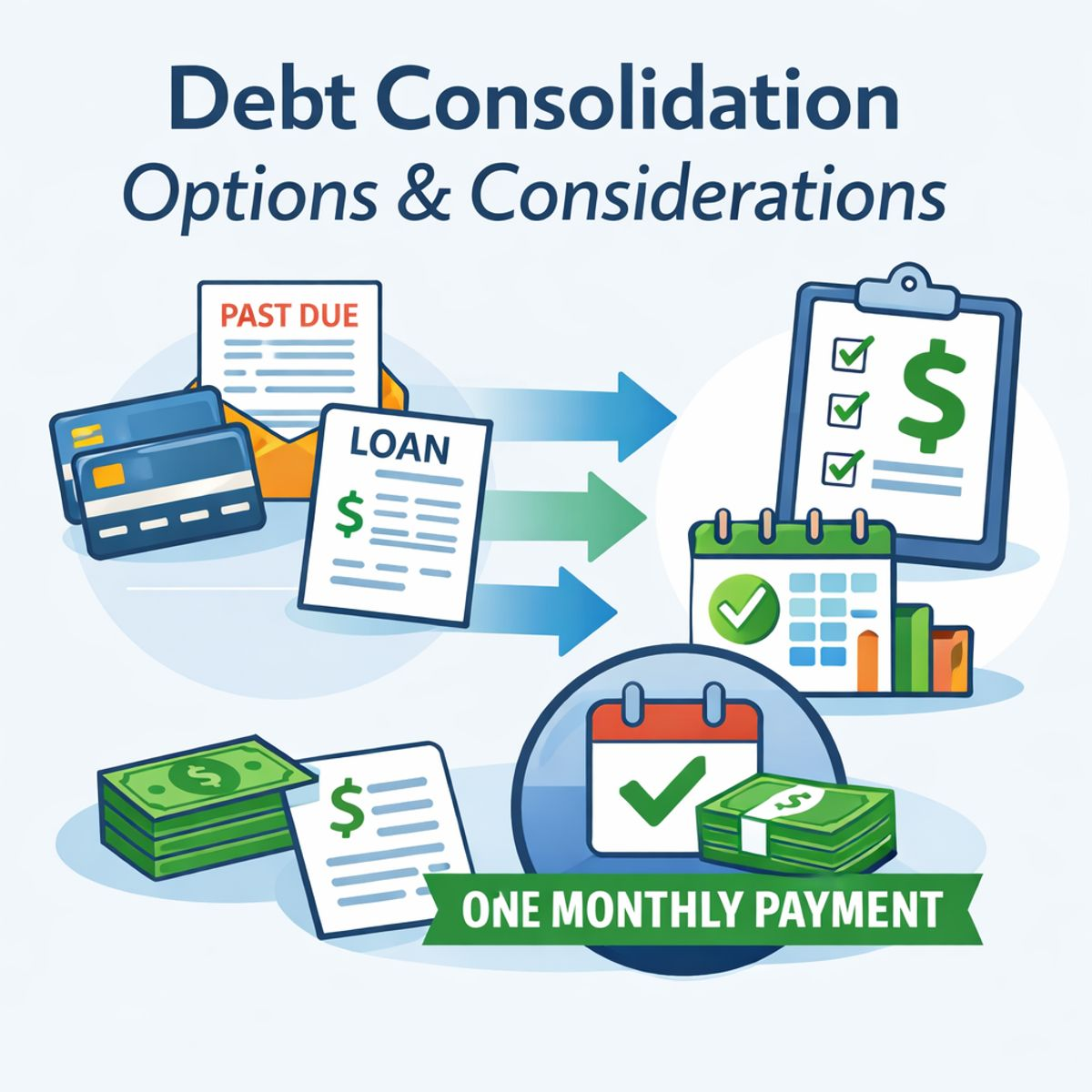
At its core, debt consolidation is a financial strategy that replaces several existing liabilities—such as high-interest credit card balances, medical bills, or unsecured personal loans—with a single financial instrument. In Maryland, residents generally choose between two primary paths: obtaining a consolidation loan or enrolling in a debt management plan (DMP) through a non-profit credit counseling agency.
When you secure a consolidation loan, you are essentially borrowing a lump sum from a bank, credit union, or online lender. The proceeds of this loan are used to pay off your outstanding balances immediately. Once those accounts are cleared, you are left with one monthly payment to the new lender, usually at a fixed interest rate and a set maturity date. Conversely, a debt management plan acts as a mediated repayment schedule. You make a single monthly payment to a credit counseling organization, which then distributes the funds to your creditors according to pre-negotiated terms that may include reduced interest rates or waived fees.
Evaluating Consolidation Options in Maryland
Choosing the right path depends heavily on your credit score, current debt-to-income (DTI) ratio, and the total volume of your debt. Maryland’s financial environment is governed by state-specific lending regulations, particularly regarding interest rate caps and the licensing of debt management service providers.
Debt Consolidation Loans
These loans are often unsecured, meaning they do not require collateral like a house or a car. Because they are unsecured, lenders rely heavily on your creditworthiness. In Maryland, state law provides specific protections for borrowers, and lenders must be properly registered or licensed by the Maryland Commissioner of Financial Regulation.
- Pros: Potential for a lower fixed interest rate; simplified monthly budgeting; no need to deal with multiple creditors.
- Cons: Requires a good to excellent credit score for favorable terms; potential origination fees; the risk of accumulating new debt on the credit cards you just paid off.
Debt Management Plans (DMPs)
If your credit score does not qualify you for a low-interest personal loan, a non-profit credit counseling agency can be an effective alternative. These agencies work directly with your creditors to lower your interest rates. Under Maryland law, these organizations must be licensed to provide debt management services, ensuring that they adhere to ethical standards regarding fees and consumer protection.
Comparison of Debt Consolidation Methods
| Feature | Personal Consolidation Loan | Debt Management Plan (DMP) |
|---|---|---|
| Credit Requirement | Good to Excellent | None (or low) |
| Impact on Credit Score | Short-term dip, long-term improvement | Generally neutral |
| Primary Cost | Interest and origination fees | Small monthly administrative fee |
| Asset Risk | Unsecured (No collateral) | Unsecured (No collateral) |
| Timeframe | Fixed (e.g., 3–5 years) | Determined by creditor agreements |
Prerequisites and Eligibility
Before proceeding with any consolidation strategy in Maryland, you must conduct a thorough financial audit. You cannot consolidate debt that you have not accurately identified.
- Gather Documentation: Collect all recent billing statements to calculate the total amount of debt owed, the interest rates for each account, and the minimum monthly payments required by each creditor.
- Credit Report Check: Obtain a copy of your credit report. In 2026, you can access your reports through the major bureaus via the official federal portal. Understanding your score is critical because it dictates whether you qualify for a low-rate consolidation loan or if you need to pursue a non-profit debt management program.
- Budget Analysis: Calculate your monthly disposable income. Consolidation is not a magic solution; if your monthly expenses consistently exceed your income, consolidation will not prevent future debt accumulation.
Navigating Maryland Regulatory Protections
Maryland is known for having a robust regulatory environment concerning consumer debt. The Maryland Commissioner of Financial Regulation oversees the licensing of consumer lenders and credit service businesses. When engaging with any service, you should verify their standing. If a company claims to be a debt settlement firm (which is distinct from consolidation), be aware that these firms often advise you to stop paying creditors, which can severely damage your credit score.
Always distinguish between "debt consolidation" (paying off debt through a loan or organized program) and "debt settlement" (negotiating for a lower principal balance). Settlement programs are significantly riskier and often involve legal consequences or aggressive collection activity that consolidation programs typically avoid.
Common Mistakes to Avoid
Many borrowers view debt consolidation as an opportunity to "reset" their finances, but they fail to address the underlying spending habits that led to the debt.
- The "Double Debt" Trap: After paying off credit cards with a consolidation loan, many borrowers continue to use those cards. This results in the original consolidation loan payment plus new monthly credit card bills, often leading to a more severe financial crisis.
- Ignoring Fees: Some consolidation loans come with high origination fees or prepayment penalties. Always read the disclosure documents to understand the total cost of borrowing.
- Choosing the Wrong Term: Selecting a loan term that is too long will lower your monthly payment but increase the total interest paid over the life of the loan. Aim for the shortest term you can afford comfortably.
Frequently Asked Questions
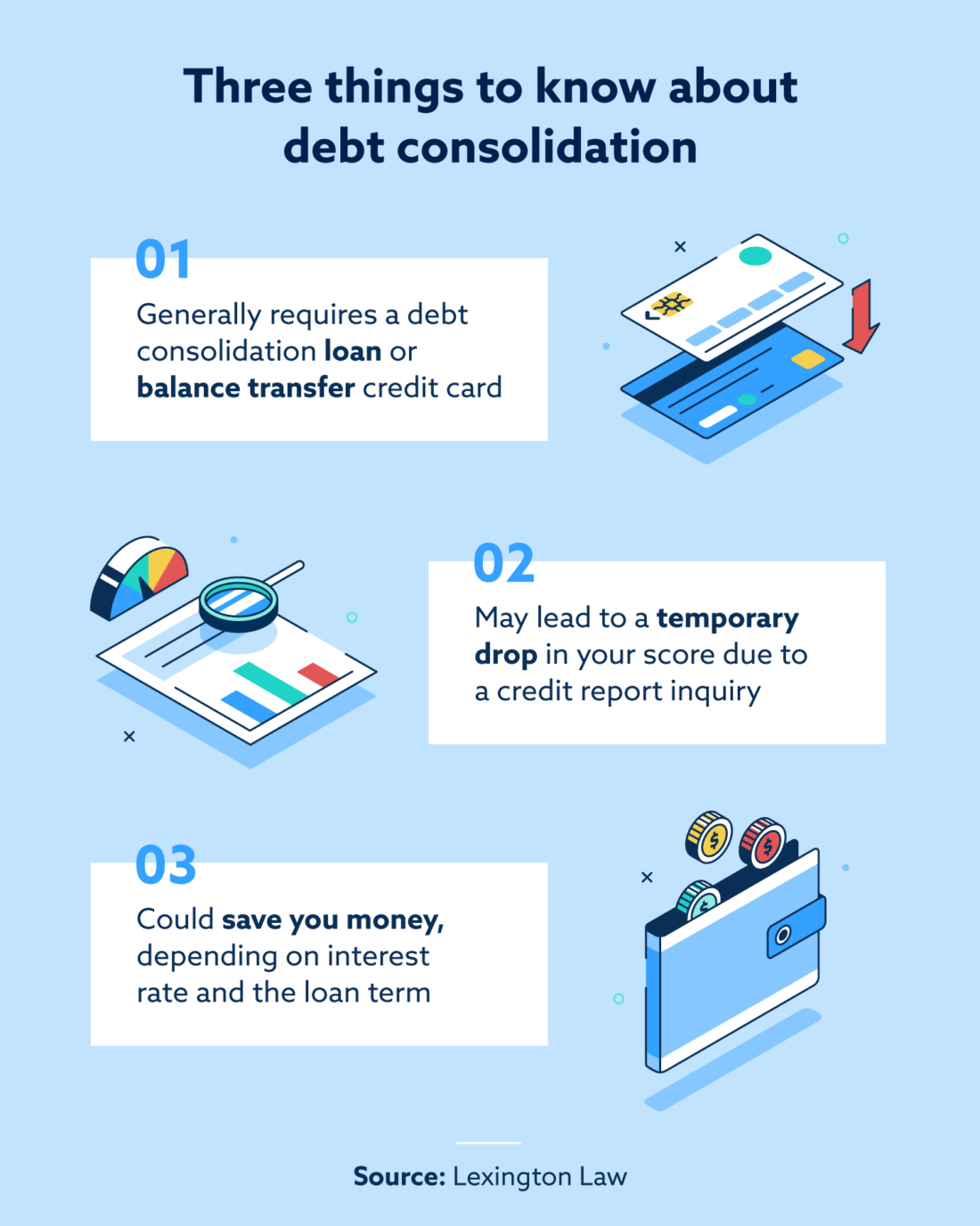
Does debt consolidation hurt my credit score? Applying for a consolidation loan results in a "hard inquiry," which may cause a minor, temporary dip in your credit score. However, if you successfully pay down high-balance credit cards, your credit utilization ratio—a significant factor in your score—will improve, likely leading to a score increase over time.
Are debt management plans legal in Maryland? Yes, debt management plans are legal, provided the credit counseling agency is properly licensed by the Maryland Commissioner of Financial Regulation. These agencies must follow state guidelines regarding the fees they charge and the manner in which they handle your funds.
Can I consolidate government student loans? Generally, you should be cautious about consolidating federal student loans with private debt. Doing so may cause you to lose federal benefits, such as income-driven repayment plans, forbearance options, and potential loan forgiveness programs. Federal student loan consolidation is handled separately through the U.S. Department of Education.
How do I know if I am eligible for a consolidation loan? Eligibility is determined by your debt-to-income ratio and your credit score. Lenders look for a stable history of employment and a credit score that indicates you are a reliable borrower. If you have significant past-due accounts, traditional bank loans may be unavailable, making non-profit credit counseling a more viable route.
What happens if I stop making payments on my consolidation loan? Defaulting on a consolidation loan is similar to defaulting on any other personal loan. It will severely damage your credit score, lead to late fees, and may eventually result in the lender taking legal action to collect the debt. Unlike a mortgage or auto loan, there is no physical asset for them to repossess, but they can pursue a judgment in Maryland courts to garnish wages or seize bank accounts.
Professional Advice Limitation
The information provided here is for educational purposes and does not constitute professional legal, financial, or tax advice. Every individual's financial situation is unique. Before entering into any binding loan agreement or debt management program, you should consult with a certified financial planner or a qualified credit counselor in your area to assess your specific circumstances.
Recommended Next Actions
If you are currently overwhelmed by multiple high-interest payments, start by contacting a non-profit credit counseling agency accredited by the National Foundation for Credit Counseling (NFCC). They can provide a free or low-cost initial consultation to review your debt and explain which consolidation path fits your current Maryland financial standing. Once you have a clear picture of your options, compare at least three different lenders or programs before making a decision.
Image Gallery