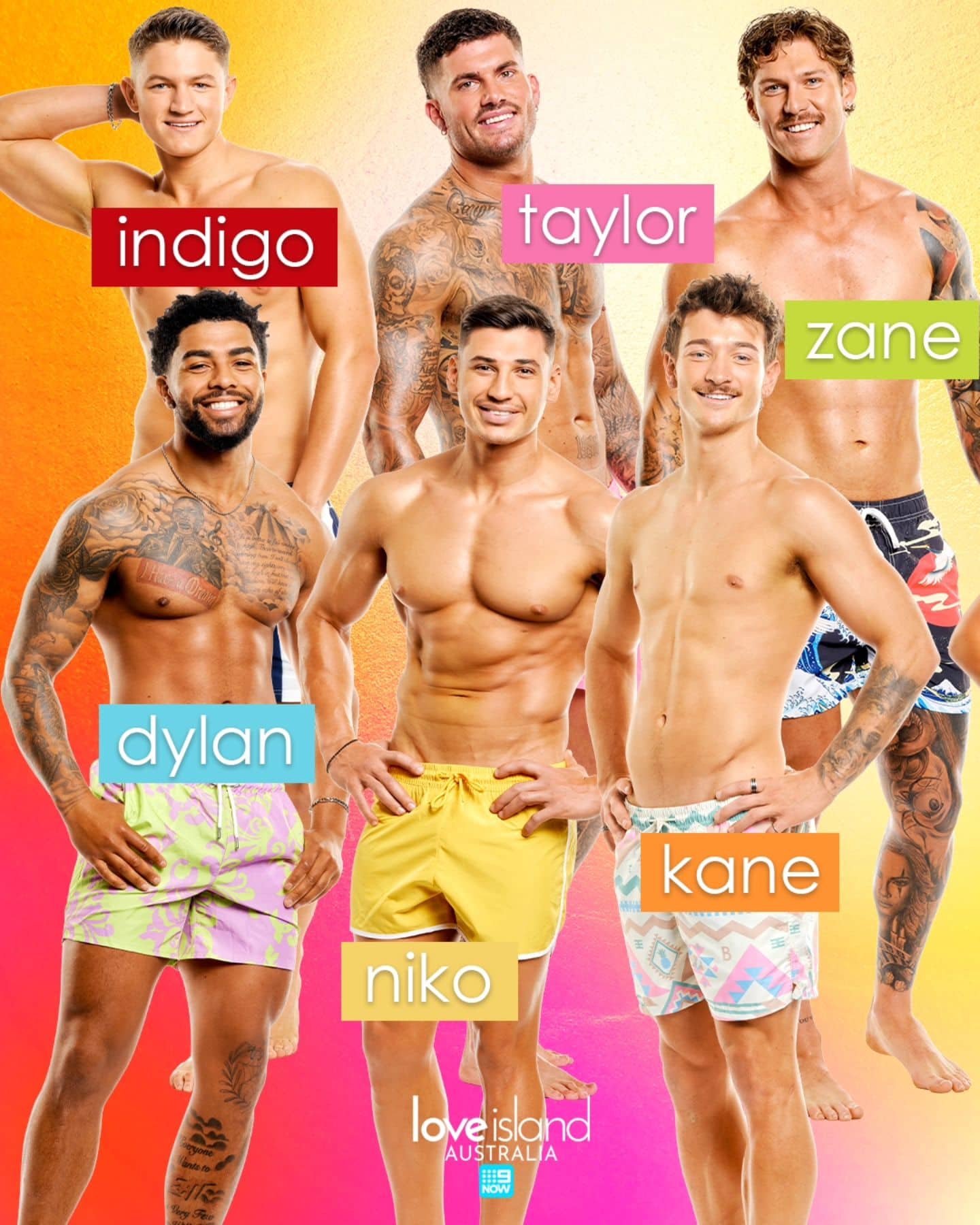
Inside the World of the Love Island Cast: Auditions, Villa Rules, and Life After the Show
Stepping inside the world of the Love Island cast reveals a heavily regulated, multi-phase production environment that extends far beyond the televised villa drama. From rigorous psychological vetting and strict daily routines to manda...
Stepping inside the world of the Love Island cast reveals a heavily regulated, multi-phase production environment that extends far beyond the televised villa drama. From rigorous psychological vetting and strict daily routines to mandatory aftercare protocols and post-show career management, participating in the reality franchise involves complex structural, legal, and operational frameworks.
Contents
The Selection Process: Auditions, Vetting, and Pre-Show Isolation
Securing a spot on Love Island involves a multi-tiered audition and vetting process designed to select personalities that fit specific broadcast dynamics while evaluating personal backgrounds and psychological readiness.
- Application & Recruitment
- Video Submissions & Scouting
- Vetting & Screening
- Psychological & Background
- Pre-Show Isolation
- Holding Villa & Media Blackout
- In-Villa Production
- 24/7 Filming & Strict Rules
- Post-Show Aftercare
- Therapy & Financial Training
Application, Casting, and Background Vetting
The casting pipeline combines open public applications with active talent scouting by casting producers via social media platforms. Thousands of prospective contestants apply each season, but only a fraction advance to face-to-face or virtual audition panels.
During these interviews, producers assess confidence, relationship history, communication style, and resilience under pressure. Behind the scenes, production companies conduct thorough background checks, including social media audits, criminal record verification, and medical assessments to ensure candidates are fit to participate in a high-intensity filming environment.
The Lockdown Phase: Holding Villas and Media Blackouts
Once selected, incoming Islanders—both initial cast members and subsequent "bombshells"—enter a mandatory holding phase, often referred to as "lockdown." Contestants are flown to secretive locations near the filming venue days or weeks prior to entering the villa.
During lockdown:
- Contestants are assigned a dedicated chaperone who manages their daily schedule and ensures privacy.
- Personal mobile phones, laptops, smartwatches, and internet-connected devices are confiscated to prevent communication with the outside world or knowledge of other cast members.
- Cast members remain isolated in separate hotels or holding villas to prevent early interaction before cameras begin rolling.
Life Behind the Cameras: Microphones, Alcohol Limits, and Daily Routines
Living in the Love Island villa is a structured work environment governed by safety guidelines, regulatory codes, and production schedules, rather than an unscripted vacation.
Daily Filming Schedules and Producer Prompts
The villa operates under continuous camera and microphone surveillance 24 hours a day. Microphones are built into neck pouches or small body packs that contestants must wear at all times, except when sleeping or swimming.
While the show does not use a rigid script, producers manage the narrative pace through organized interactions:
- Morning Routines: Islanders are woken up via villa-wide light systems and audio announcements, after which they gather in designated areas to discuss the previous night’s events.
- Producer Prompts: Storyline producers periodically ask Islanders to sit down with specific cast members to discuss ongoing dynamics or resolve conflicts.
- Re-couplings and Challenges: Major events such as re-couplings, Casa Amor reveals, and dumpings are filmed late into the night, often taking several hours to record due to technical resets and varied camera angles.
Alcohol Controls, Phone Restrictions, and Villa Rules
To maintain contestant safety and regulatory compliance overseen by bodies like Ofcom, production enforces strict behavioral guidelines inside the villa.
| Policy Area | Operational Guideline |
|---|---|
| Alcohol Limit | Strictly capped at 1-2 drinks per evening |
| Sleep Schedule | Designated lights-out and wake-up times |
| Smartphones | De-vectored devices (internal texts only) |
| Time Awareness | Clocks & watches banned inside the villa |
- Alcohol Management: Alcohol consumption is strictly limited. Cast members are typically restricted to one or two drinks per evening—usually wine or beer—to ensure clear decision-making and prevent compromised consent or aggressive behavior.
- Proprietary Phones: The mobile devices carried by contestants are custom-configured by production. They cannot access the internet, personal contacts, or external phone networks. Their use is limited to receiving production text alerts ("I've got a text!"), taking internal photos, and messaging fellow Islanders during specific challenges.
- Time Deprivation: Clocks, watches, and time-displaying electronics are banned from the villa. Islanders frequently do not know the exact time of day, which helps keep focus entirely on internal interactions and production cues.
Duty of Care: Mental Health Frameworks and Regulatory Standards
Following public scrutiny and regulatory updates surrounding reality television, major networks including ITV expanded comprehensive duty-of-care protocols to protect the mental and physical well-being of contestants before, during, and after broadcast.
Pre-Entry Psychological Screening and On-Site Support
Before stepping foot in front of the camera, candidates undergo psychological evaluations conducted by independent mental health professionals. These evaluations assess an individual's emotional stability, suitability for public scrutiny, and vulnerability to stress or online trolling.
During production:
- A team of mental health professionals and welfare officers remains on-site near the villa.
- Cast members can request off-camera conversations with therapists at any point during filming.
- Welfare teams monitor villa dynamics to identify signs of distress, burnout, or emotional fatigue, stepping in when intervention is necessary.
Post-Show Aftercare, Therapy, and Media Training
The duty-of-care protocol extends far beyond the season finale. Modern contracts mandate comprehensive aftercare programs to assist cast members in transitioning back to public life:
- Mandatory Therapy Sessions: Participants are required to complete a designated number of therapy sessions with network-provided psychologists following their exit from the show.
- Media and Financial Training: Broadcasters provide training covering financial management, navigating media interviews, handling sudden public recognition, and managing online abuse.
- Long-Term Monitoring: Welfare officers maintain regular check-ins with former cast members for up to 14 months after filming concludes to monitor their psychological well-being.
The Social Media Ecosystem: Handlers, Bans, and Online Trolling
The relationship between the Love Island cast and social media has shifted significantly in response to public criticism regarding cyberbullying and targeted harassment directed at contestants' families.
- Early Seasons:
- Active Friends/Family Handlers
- Heavy Trolling & Account Stress
- Current Standards:
- Mandatory Social Media Pause
- Zero Live Activity During Show
Historically, contestants handed over their social media logins to friends, family members, or professional managers who posted updates and moderated comments during the broadcast. However, these handlers frequently faced severe online abuse, hate speech, and death threats aimed at the contestants.
In response, networks implemented a mandatory social media pause rule during broadcast periods. Under these guidelines, contestants' social media accounts remain completely dormant while they are in the villa. No one is permitted to post, reply, or manage accounts on their behalf until their departure from the show is officially broadcast. This intervention aims to protect both the cast members' families from real-time abuse and the contestants themselves from returning to a compromised digital footprint.
Post-Show Reality: Brand Deals, Agencies, and Long-Term Earnings
Exiting the Love Island villa introduces cast members to a distinct commercial landscape. While the show can serve as a launchpad for fame, long-term financial success depends on strategic career management and changing market conditions.
Representation and Talent Agencies
Upon departure, Islanders are typically approached by talent agencies specializing in influencer management, broadcast media, and commercial endorsements. These agencies handle media inquiries, negotiate contract terms, and build personal brand strategies. Signing with a reputable agency is a critical step for contestants looking to translate short-term visibility into sustainable income streams.
Commercial Endorsements and Influencer Economics
Historically, high-profile Love Island alumni secured multi-million-dollar endorsement deals with fast-fashion retailers, cosmetics brands, and lifestyle companies. However, the influencer market has evolved:
- Diversification: Modern contestants increasingly focus on long-term brand equity, launching personal businesses, hosting podcasts, or securing long-term broadcast roles rather than relying solely on single-post fashion sponsorships.
- Tiered Earning Potential: Finalists and standout personalities often secure lucrative commercial partnerships, whereas contestants who leave early may experience a shorter window of public relevance, relying on regional appearances and smaller affiliate marketing campaigns.
- Platform Monetization: Revenue streams commonly include sponsored social media content, brand ambassadorships, subscription platforms, and appearances on rival reality television franchises.
Comparing the Phases of the Love Island Experience
The following overview outlines the distinct phases a contestant navigates throughout the Love Island journey, highlighting the operational focus, safety protocols, and key objectives of each stage.
| Phase | Core Objective | Key Operational Rules & Constraints | Safety & Welfare Protocols |
|---|---|---|---|
| Casting & Vetting | Select engaging, resilient candidates for the broadcast line-up. | Multi-stage interviews, social media audits, background checks. | Psychological evaluation by independent mental health professionals. |
| Pre-Show Lockdown | Prevent leakages and maintain complete surprise for cast entry. | Confiscation of electronics, 24/7 chaperone supervision, media isolation. | Initial welfare orientation and stress management briefings. |
| In-Villa Filming | Produce daily episodic television content focused on relationships. | Continuous mic/camera surveillance, strict alcohol caps, time deprivation. | On-site medical staff, off-camera psychological access, welfare monitoring. |
| Broadcast Lockdown | Protect relatives and handlers from targeted online harassment. | Social media accounts remain dormant; no posts by family or friends. | Moderated social media channels and digital safety advice for relatives. |
| Post-Show Transition | Capitalize on visibility while transitioning back to public life. | Agency representation, commercial press circuits, brand partnerships. | Mandatory follow-up therapy, financial guidance, media training. |
Frequently Asked Questions
Do Love Island cast members get paid to appear on the show?
Yes, cast members receive an allowance during their time on the show. This stipend covers basic living expenses, loss of income from regular employment, and recurring bills (such as rent or utilities) while filming. The primary financial incentive, however, lies in post-show commercial opportunities rather than the production stipend.
How much alcohol are contestants allowed to drink in the villa?
Alcohol consumption is strictly controlled by production. Islanders are generally restricted to one or two drinks per evening, usually limited to wine or beer. Spirits are typically prohibited, and production staff monitor consumption to ensure safety, clear consent, and emotional stability.
Are the conversations on Love Island scripted by producers?
The show is unscripted in terms of dialogue, but it is heavily structured. Producers occasionally ask contestants to sit down with specific people to discuss developing dynamics or clarify their feelings. Challenges, re-couplings, and dates are also organized by the production team to drive narrative progression.
What happens to a contestant's phone during filming?
Contestants must hand over their personal smartphones prior to the lockdown phase. While in the villa, they are given proprietary, de-vectored phones that cannot connect to the internet, make external calls, or access personal social media. These devices are used only for internal texts from production and taking photos of villa life.
How long does post-show mental health support last?
Under current duty-of-care frameworks, networks provide formal aftercare for up to 14 months following a season's conclusion. This includes proactive check-ins from welfare teams, access to independent therapy sessions, and ongoing advice regarding public exposure and media engagements.
Key Takeaways for Aspiring Contestants and Viewers
Navigating the world of the Love Island cast requires a clear understanding of the operational boundaries that separate reality television from everyday life.
For viewers, recognizing the presence of strict duty-of-care protocols, alcohol limits, structured production schedules, and media blackouts offers helpful context for how cast dynamics unfold on screen.
For prospective applicants, entering the franchise should be treated as a major professional commitment rather than a casual opportunity. Success within and beyond the villa relies on emotional resilience, careful preparation during the psychological screening phase, realistic financial expectations, and a reliable support network to manage the transition back to public life.
Image Gallery