Navigating Auto Insurance for Commute or Pleasure Use
Choosing the right auto insurance classification requires understanding how your vehicle's everyday purpose influences your coverage options, premium costs, and policy terms. Insurance providers generally divide vehicle usage into two...
Choosing the right auto insurance classification requires understanding how your vehicle's everyday purpose influences your coverage options, premium costs, and policy terms. Insurance providers generally divide vehicle usage into two distinct categories: commute use and pleasure use. Distinguishing between these classifications is essential because misrepresenting how you use your vehicle can lead to claim denials or policy cancellations.
Contents
Understanding Vehicle Usage Classifications
When applying for an auto insurance policy, underwriters ask specific questions about how and why you drive your vehicle. These inquiries are not merely administrative formalities; they form the statistical foundation used to calculate your risk profile and determine your premium. Insurance companies evaluate the likelihood of an accident occurring based on exposure—meaning the more time your car spends on the road, particularly in high-traffic environments, the higher the statistical probability of a claim.
The distinction between commute and pleasure use hinges on frequency, destination, and timing. Insurers analyze your driving habits to establish a baseline. If your patterns change significantly during the policy term, failing to notify your provider can jeopardize your financial protection when you need it most.
Defining Pleasure Use Insurance
Pleasure use insurance is designed for vehicles that are not driven to a regular place of work, school, or business. Insurers typically classify a vehicle as pleasure-use when it is driven primarily for errands, social visits, leisure trips, and weekend getaways.
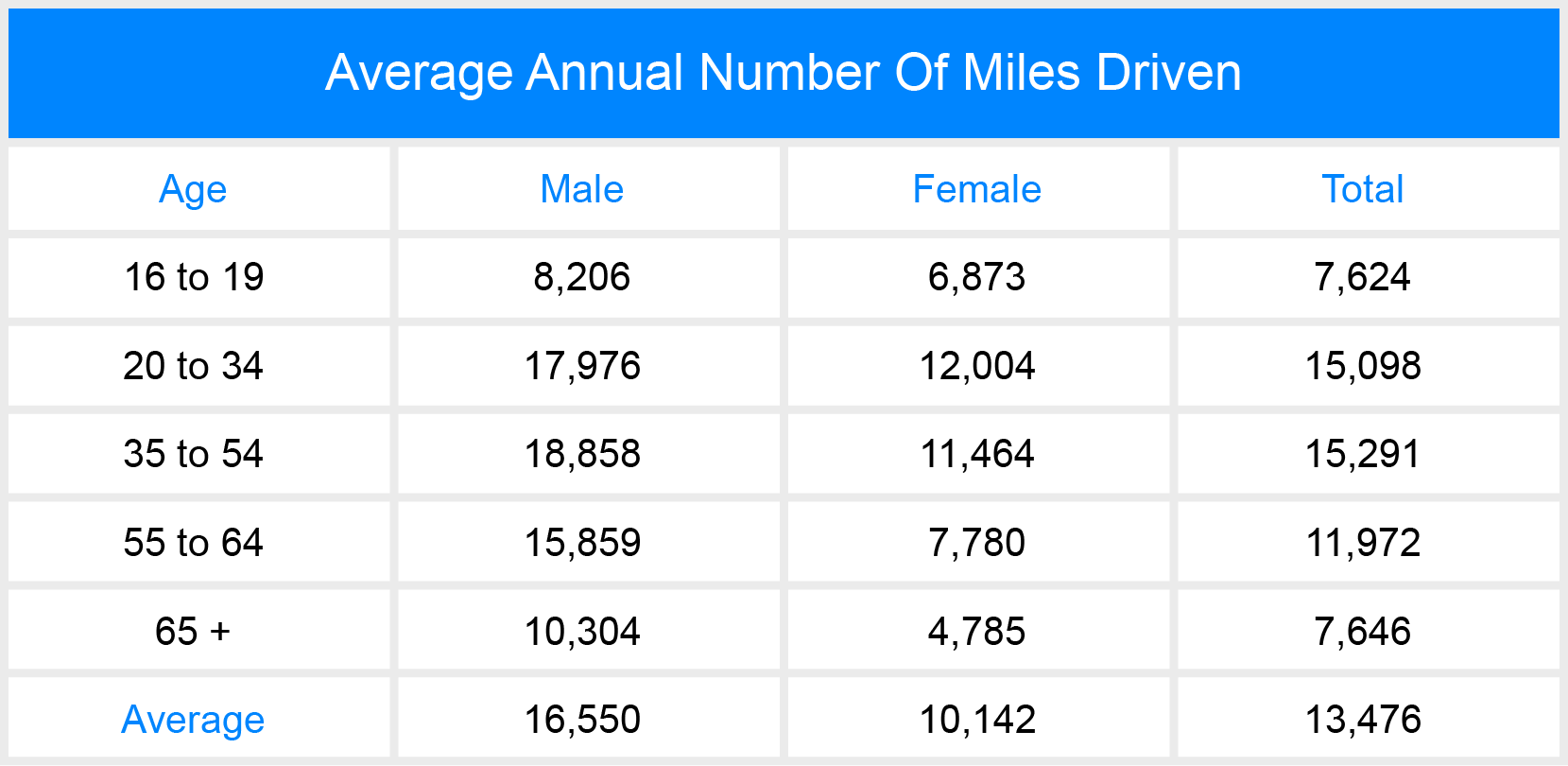
To qualify for a pleasure-use classification, vehicles generally must stay below a specific annual mileage threshold, often ranging from 7,500 to 10,000 miles per year, depending on the carrier. This category often applies to:
- Retired individuals who no longer drive to an office.
- Individuals who work from home full-time and rarely commute.
- Secondary or weekend vehicles kept alongside a primary commuter car.
- Classic cars, weekend convertibles, or vehicles used strictly for occasional leisure outings.
Because pleasure vehicles spend less time navigating heavy commuter traffic, insurers view them as lower risk. Consequently, premiums for pleasure-use policies are usually lower than those for commuter policies.
Defining Commute Use Insurance
Commute use insurance applies to vehicles driven regularly to and from a fixed workplace, school, or transit hub (such as a train station or bus stop) where the vehicle is parked during the day.
Insurers classify a vehicle as a commuter if it is driven for these purposes more than a few times a month. Even if your workplace is only a few miles away, regular trips during peak morning and evening rush hours expose your vehicle to higher traffic density, distracted drivers, and congested roadways.
Key characteristics of commute use include:
- Regular, recurring trips on a weekly schedule.
- Driving during peak traffic hours when accident rates are statistically higher.
- Accumulated mileage that typically exceeds standard pleasure-use limits.
Because the exposure window is broader and involves high-risk driving environments, commute-use policies carry higher premiums than pleasure-use policies.
Key Differences Between Commute and Pleasure Auto Insurance
Evaluating the structural differences between these two coverage types helps clarify why insurance companies maintain strict definitions. The variances extend beyond simple mileage counts to encompass risk modeling, pricing structures, and claims verification processes.
| Feature | Pleasure Use Insurance | Commute Use Insurance |
|---|---|---|
| Primary Driving Purpose | Errands, social calls, weekend trips, leisure | Regular driving to work, school, or transit hubs |
| Annual Mileage Limit | Generally lower (often under 7,500–10,000 miles) | Generally higher (12,000–15,000+ miles) |
| Exposure to Peak Traffic | Minimal; driven mostly off-peak | High; driven during morning and evening rush hours |
| Premium Cost | Typically lower due to reduced risk exposure | Higher due to increased time on congested roads |
| Claims Risk Profile | Lower statistical probability of collision | Higher statistical probability of collision |
How Insurers Verify Mileage and Usage
Insurers do not rely solely on the honor system when classifying vehicle usage. When you obtain a quote or renew your policy, carriers use several verification methods to confirm your driving habits:
- Odometer Readings: Many insurers request current mileage readings during annual renewals or through telematics programs.
- Telematics and Mobile Apps: Plug-in devices or smartphone applications track real-time driving data, including distance traveled, route types, and time of day.
- Public Records and Inspection: In the event of a significant claim, adjusters may review repair histories, state inspection records, or employment locations to verify whether a vehicle insured for pleasure use was actually being driven daily to a workplace.
The Financial and Legal Risks of Misrepresentation
Falsely classifying your vehicle's primary use to secure a lower premium is a form of insurance fraud, commonly referred to as material misrepresentation. While some drivers may be tempted to list their commuter vehicle as a pleasure vehicle to save money, the long-term consequences far outweigh any short-term savings.
If you are involved in an accident while commuting to work, but your policy lists the car as pleasure use only, the insurance company investigates the discrepancy during the claims process. If investigators discover that you commute daily, the insurer may take severe actions:
- Claim Denial: The carrier can legally deny coverage for the specific accident, leaving you personally liable for vehicle repairs, medical bills, and property damage.
- Policy Cancellation or Non-Renewal: The insurer can cancel your policy immediately or refuse to renew it at the end of the term.
- Blacklisting: Having a policy canceled for misrepresentation makes it difficult and expensive to secure standard auto insurance in the future, often forcing you into high-risk, high-cost insurance pools.
When Your Driving Habits Change: What to Do
Life circumstances change frequently. You might transition from a remote work schedule to an in-office position, switch jobs, or buy a second vehicle. When your driving habits change, your insurance policy must be updated to reflect your new reality.
Steps to Update Your Policy Usage
- Calculate Your New Mileage: Estimate your new one-way commute distance and multiply it by the number of workdays per year. Add your estimated errand and pleasure mileage to find your projected annual total.
- Contact Your Insurance Provider: Notify your agent or broker promptly when your employment status or daily driving routine changes. Do not wait until your annual renewal period.
- Review Policy Adjustments: Ask your insurer how the change from pleasure to commute use will affect your premium. In many cases, the adjustment is manageable, especially when weighed against the risk of an unverified claim.
- Update Telematics Settings: If your insurer uses a tracking device or app, ensure your profile settings reflect your updated driving frequency.
Frequently Asked Questions
What happens if I only commute to work one or two days a week?
Even part-time commuting can influence your insurance classification. While working remotely most of the week reduces overall mileage, many insurers still classify any regular, recurring trip to a workplace as commute use. Consult your specific insurance provider to determine their exact threshold for part-time commuting versus pleasure use.
Does running errands count as commuting?
No. Running routine errands—such as driving to the grocery store, the bank, or visiting family—is classified as pleasure use or personal errands. Commuting specifically refers to travel to a regular place of employment, school, or a transit station used for daily travel.
Can my insurance company deny a claim if I drive to work just once on a pleasure policy?
A single, isolated trip to a workplace on a pleasure-use policy generally does not trigger a claim denial, as policy definitions account for occasional, unexpected use. However, if an adjuster finds a systematic pattern of daily commuting hidden behind a pleasure-use designation, the insurer may deny coverage based on material misrepresentation.
How does working from home affect my auto insurance rates?
Transitioning to a work-from-home arrangement typically reduces your vehicle's exposure risk. Informing your insurer about your reduced mileage and shift to pleasure-only use often qualifies you for a lower premium or a low-mileage discount.
Are commercial vehicles covered under commute or pleasure policies?
No. If you use your vehicle for business purposes—such as making deliveries, visiting multiple client sites during the day, or transporting business equipment—neither a standard commute nor a pleasure policy is sufficient. You require commercial auto insurance or a personal policy with a business-use endorsement.
Next Steps for Policyholders
Review your current auto insurance declarations page to confirm how your vehicle's primary use is classified. If your daily routine has evolved to include regular trips to an office, school, or transit hub, contact your insurance agent immediately to update your policy. Ensuring accurate classification safeguards your financial security and guarantees that your coverage responds when you need it most.
Image Gallery