Understanding the Hazards of the Deschutes River and Lava Tube Environments
The term "Deschutes River lava tube drowning" often conflates two distinct environmental risks found in Central Oregon: the dangerous, swift-moving currents of the Deschutes River and the specialized, often hazardous conditions found w...
The term "Deschutes River lava tube drowning" often conflates two distinct environmental risks found in Central Oregon: the dangerous, swift-moving currents of the Deschutes River and the specialized, often hazardous conditions found within volcanic lava tubes nearby. While no singular, widely documented "lava tube drowning" incident defines a specific historic event, the association underscores the critical need for situational awareness when exploring Oregon’s unique geological and hydrological landscapes.
Contents
The Geography of Risk in Central Oregon
Central Oregon, particularly the region surrounding Bend and the Deschutes National Forest, is characterized by two dominant natural features: the Deschutes River and an extensive network of subterranean lava tubes created by ancient volcanic activity. These environments present vastly different survival challenges.
The Deschutes River is a popular destination for recreation, including kayaking, rafting, and swimming. However, the river is characterized by cold temperatures, varying flow rates dictated by upstream dam management, and hazardous underwater features such as "strainers"—fallen trees or debris that trap water and swimmers.
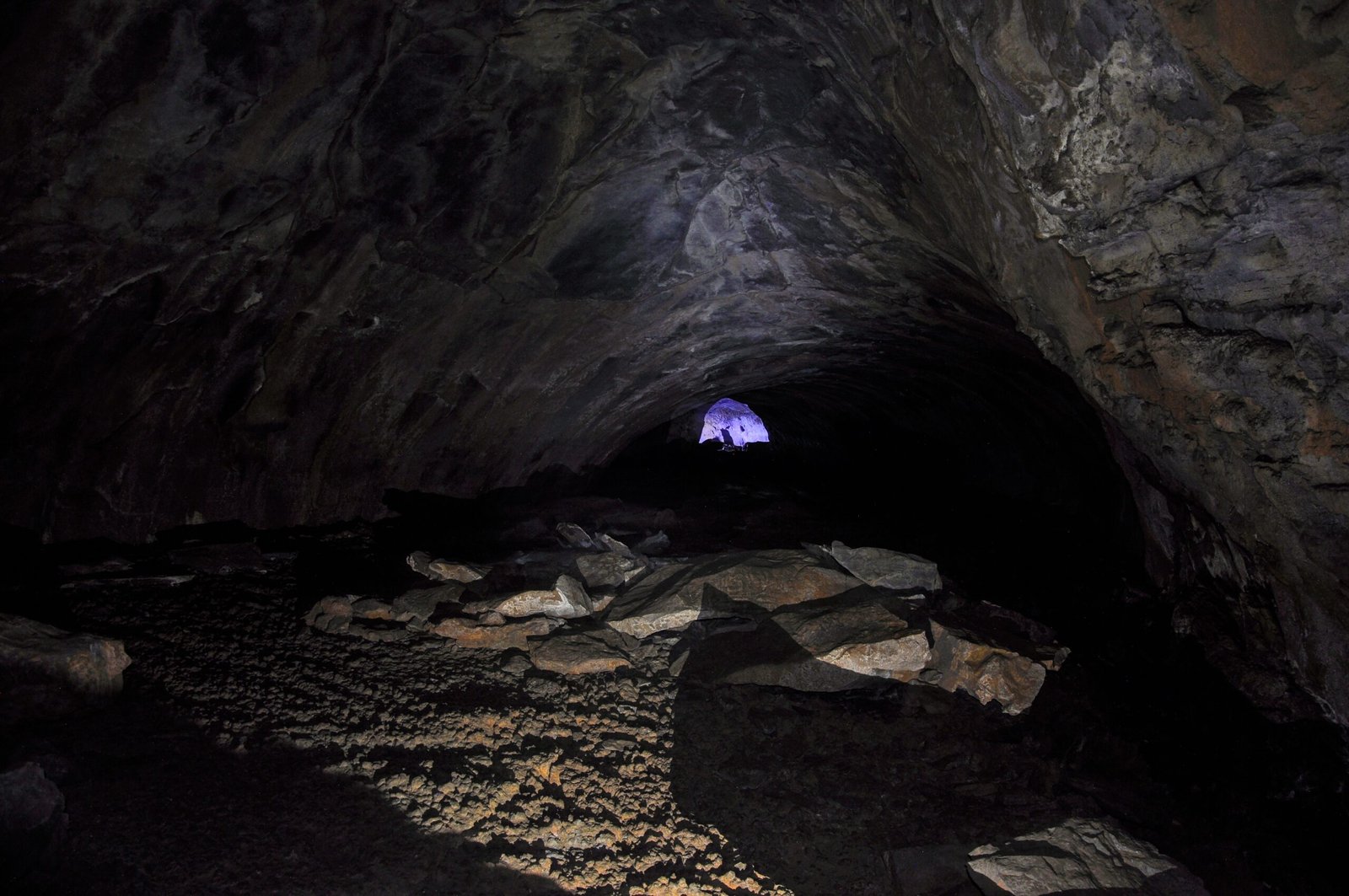
Lava tubes, such as the widely visited Boyd Cave or Skeleton Cave, are relic volcanic conduits. While they are generally dry, some low-lying areas or seasonal runoff zones can accumulate standing water. The primary risk in these environments is not typically drowning in open water, but rather environmental entrapment, structural instability, and the danger of navigation in near-total darkness.
Hydrological Hazards of the Deschutes River
The Deschutes River represents the most statistically significant drowning risk in the region. The river’s danger is deceptive; calm surface waters often mask powerful undercurrents. For those recreating on the river, understanding the following variables is essential:
- Cold Water Shock: Even in the height of summer, the Deschutes is fed by snowmelt from the Cascade Range. Water temperatures can stay low enough to trigger an involuntary gasp reflex, leading to aspiration of water even for strong swimmers.
- Debris and Strainers: The riverbed frequently shifts, and trees often fall into the water. If a swimmer is pushed against a strainer, the force of the current can pin them against the obstacle, making self-rescue nearly impossible.
- Flow Regulation: Because the river is managed by upstream irrigation districts and hydroelectric dams, water levels and flow velocities can change rapidly. What appears to be a manageable wading depth in the morning can become a dangerous current by the afternoon.
The Reality of Lava Tube Environments
"Lava tube drowning" is a misnomer in the context of typical recreational caving in Oregon. Most lava tubes in the Bend area are considered "dry" caves. However, these environments present their own life-safety risks that are often underestimated by tourists who view them as simple walking paths.
- Atmospheric Hazards: In deep or poorly ventilated sections, air quality can shift. While CO2 buildup is more common in other volcanic regions, explorers must be wary of stagnant air.
- Navigation and Lighting Failure: The darkness in a lava tube is absolute. A primary cause of injury or immobilization in these caves is a failure of primary and secondary lighting systems. If an individual becomes lost or injured in a remote section of a cave, their inability to signal for help—combined with the naturally low temperatures of the subterranean environment—can lead to hypothermia.
- Structural Instability: Lava tubes are prone to ceiling collapses. While most maintained caves are surveyed, off-trail exploration carries a significant risk of rockfall.
Comparative Risk Assessment
When evaluating safety in Central Oregon, it is vital to distinguish between the two environments. The table below outlines the primary differences in risk factors for visitors.
| Risk Factor | Deschutes River | Lava Tube Systems |
|---|---|---|
| Primary Danger | Drowning, entrapment, hypothermia | Rockfall, disorientation, hypothermia |
| Visibility | Variable (murky to clear) | Absolute zero (without light) |
| Physical Effort | Moderate to High | High (rough, uneven terrain) |
| Emergency Access | Generally accessible from banks | Extremely difficult (remote/caves) |
| Seasonal Factor | High (flow rate variations) | Low (stable environment) |
Safety Protocols for Wilderness Exploration
Whether you are recreating on the Deschutes River or hiking through lava tube systems, the principles of wilderness safety remain consistent. Professional search and rescue teams in Deschutes County emphasize the following precautions.
For River Recreation:
- Wear a Personal Flotation Device (PFD): Regardless of swimming ability, a U.S. Coast Guard-approved PFD is the single most effective tool for preventing drowning in moving water.
- Know the Section: Never enter a section of the river without checking local river status reports. Be aware of the location of known rapids or dangerous strainers.
- Avoid Alcohol: Many water-related fatalities in Central Oregon involve the consumption of alcohol, which impairs judgment, reaction time, and physical coordination.
For Lava Tube Exploration:
- Triad of Light: Always carry three independent sources of light (e.g., a headlamp, a backup flashlight, and a phone with a light). Ensure fresh batteries are installed before entering.
- The Rule of Three: Never explore a cave alone. If an injury occurs, having two other members allows one person to stay with the victim while the other seeks help.
- Notify Others: Leave a detailed trip plan with a reliable person outside the group, including the intended cave, your entry time, and the time you expect to exit.
Addressing Common Misconceptions
The conflation of "lava tube" and "drowning" likely stems from a misunderstanding of the geological landscape. In some volcanic regions globally, flooded caves (cenotes or lava tubes that have hit the water table) are indeed sites of diving accidents. However, the lava tubes near the Deschutes River are not flooded systems. Attempting to enter any subterranean area that appears to hold water is dangerous, as these pools are often stagnant, deep, and disconnected from rescue routes. If you encounter an unexpected pool of water in a lava tube, treat it as a restricted zone and turn back.
Professional Guidance and Emergency Contact
If you are planning an excursion, utilize resources provided by the United States Forest Service (USFS) and the Deschutes County Sheriff’s Office. The USFS manages the permits and safety guidelines for cave access, particularly for sensitive or restricted sites.
For those interested in organized exploration, joining a local caving grotto or a professional rafting guild provides access to experienced mentors who can teach the nuances of hazard detection.
In the event of an emergency in either environment:
- Dial 911: If you have service, provide your precise location. If you are in a remote area, use a satellite-based communication device (such as a Garmin inReach or Zoleo) to transmit your coordinates.
- Stay Put: If you are injured, do not attempt to move further into a cave system. Rescuers are trained to follow standard entry points; moving deeper or changing your location makes it significantly harder to be located.
By maintaining respect for the power of the Deschutes River and the unforgiving nature of the subterranean lava tubes, visitors can mitigate the risks associated with these unique natural features.
Frequently Asked Questions
Is it safe to swim in the lava tubes near the Deschutes River? No. Swimming in lava tubes is not recommended. These areas are not recreational water features. Stagnant water in caves can be deep, cold, and harbor bacterial contaminants, and entering such water puts you at risk of hypothermia and entrapment in a location where rescue is exceptionally difficult.
How often do drownings occur on the Deschutes River? While the frequency varies by season, the Deschutes River experiences incidents involving water-related injuries annually. Most incidents occur due to the use of improper equipment (like non-PFD-compliant inflatables) and entering the water without assessing the current's strength and temperature.
Do I need a permit to visit lava tubes? Yes, some caves in the Deschutes National Forest require a free wilderness permit, which is available at trailhead kiosks. Other, more sensitive caves are restricted or closed seasonally to protect bat populations from White-Nose Syndrome. Always check the current USFS website before departing.
What should I do if I see someone in trouble on the river? Do not enter the water to attempt a rescue unless you are a trained professional, as you risk becoming a second victim. Use the "Reach, Throw, Row, Go" sequence: reach out with a long object, throw a PFD or rope, or call 911 immediately to guide professionals to the location.
Can I use my smartphone as a primary light source in a lava tube? Absolutely not. Smartphone batteries drain rapidly in cold, underground temperatures, and a screen's light is insufficient to illuminate the cavernous, dark basalt walls. Always carry dedicated LED caving lights with spare batteries.
Final Recommendation
To ensure safety in Central Oregon, prioritize education and equipment over spontaneity. Before heading out to the Deschutes River or any lava tube, verify the current conditions via official Forest Service or local safety bulletins. Invest in high-quality, professional-grade safety gear—specifically a PFD for water and redundant lighting for caves—and ensure your emergency communication device is fully charged and tested.
Image Gallery