Understanding the Meaning of Volunteer Work and Its Societal Impact
Volunteer work is the practice of individuals dedicating their time, skills, and energy to support causes, organizations, or communities without the expectation of monetary compensation. At its core, it is a purposeful act of service t...
Volunteer work is the practice of individuals dedicating their time, skills, and energy to support causes, organizations, or communities without the expectation of monetary compensation. At its core, it is a purposeful act of service that bridges the gap between identified societal needs and the resources required to address them, fostering community cohesion and personal development.
Contents
While the primary motivation for volunteering is altruistic, the meaning of the practice extends well beyond the simple act of giving. It represents a structured contribution to the "social capital" of a community—the networks, norms, and trust that enable people to act together more effectively to pursue shared objectives. Whether performed through established non-profit organizations, grassroots local initiatives, or informal mutual aid networks, volunteerism serves as a fundamental pillar of civil society in 2026.
The Foundational Elements of Volunteerism
To understand the meaning of volunteer work, one must distinguish it from mandatory service or employment. The defining characteristic is the principle of free will. A volunteer chooses to engage in an activity because it aligns with their values, interests, or desire to effect change. This autonomy distinguishes the act from corporate social responsibility (CSR) initiatives that may be incentivized or required, though the end result—community support—may appear identical.
The spectrum of volunteer work is broad, encompassing various levels of commitment and expertise:
- Episodic Volunteering: Short-term, task-based participation, such as staffing a food bank drive, participating in a one-day park cleanup, or helping at a community festival.
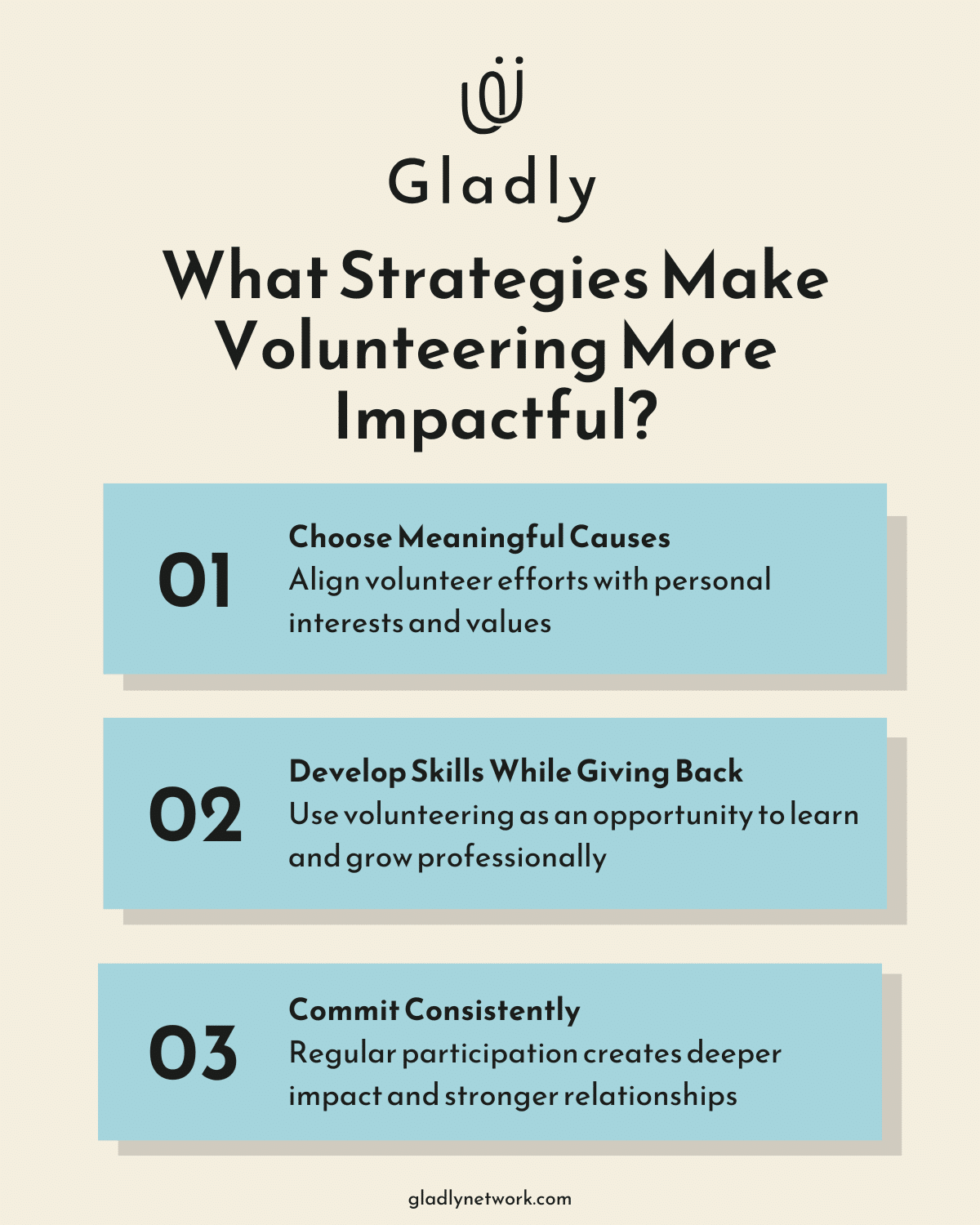
- Skill-Based Volunteering (Pro Bono): Utilizing professional competencies—such as accounting, legal advice, web development, or graphic design—to support non-profit operations. This provides high-value assistance that organizations might otherwise struggle to afford.
- Long-Term Commitment: Regular, ongoing involvement with an organization, such as mentoring youth, serving on a board of directors, or providing hospice care. This level of engagement often allows for deeper impact and long-term relationship building.
- Virtual Volunteering: Contributing remotely via digital platforms, which has become increasingly common and effective in 2026. This includes research, virtual tutoring, online fundraising coordination, or digital advocacy.
Why Volunteerism Matters: A Comparative Overview
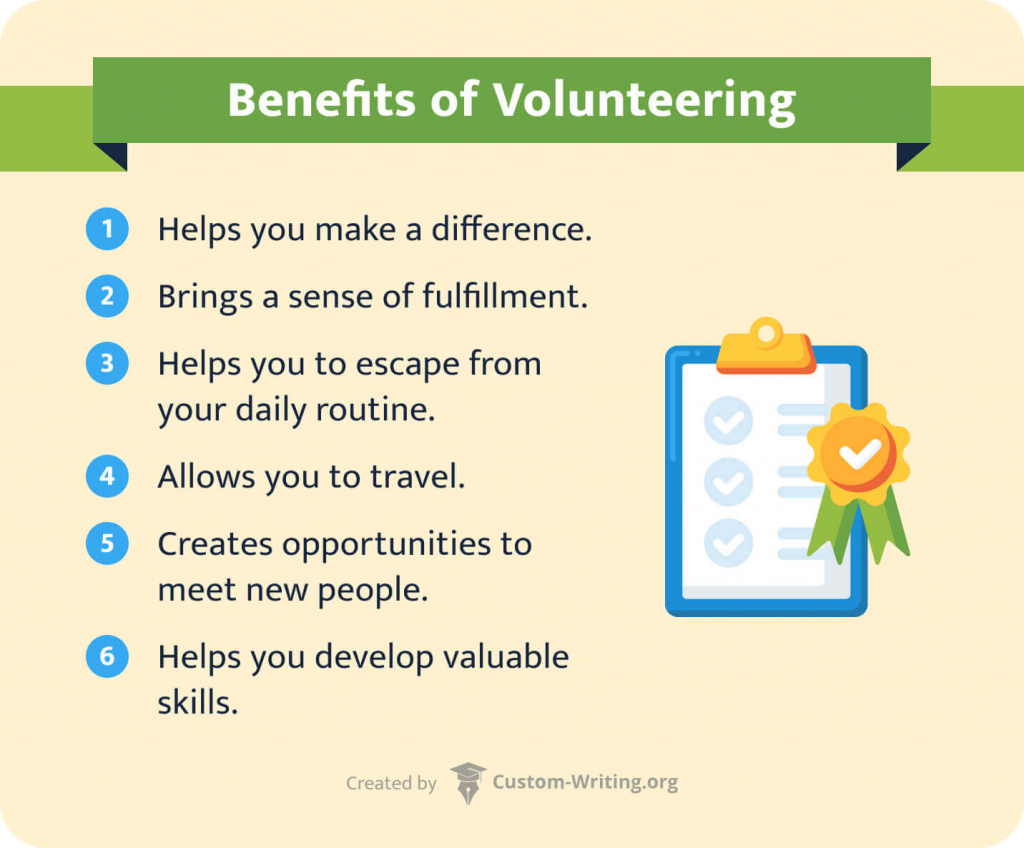
Volunteer work functions as a symbiotic system. While the primary beneficiaries are the recipients of the service, the volunteers themselves and the wider community derive significant value.
| Benefit Category | Impact on Recipient | Impact on Volunteer |
|---|---|---|
| Resource Access | Fills gaps in service delivery | Gains perspective on social issues |
| Social Connection | Reduces isolation and exclusion | Strengthens professional and social networks |
| Skill Acquisition | Receives specialized support | Develops leadership and technical skills |
| Civic Engagement | Enhances local infrastructure | Promotes active citizenship and responsibility |
Identifying the Requirements and Prerequisites
Before engaging in volunteer work, it is important to recognize that while the intent is voluntary, the execution often requires adherence to professional standards. Many reputable organizations in 2026 operate with high levels of oversight, particularly when working with vulnerable populations.
Potential volunteers should anticipate the following requirements:
- Vetting and Background Checks: If the work involves minors, the elderly, or healthcare settings, organizations will legally require background checks to ensure the safety of all parties.
- Onboarding and Training: Volunteers are often expected to undergo orientation. This ensures that the volunteer understands the organization’s mission, safety protocols, and the specific tasks they are expected to perform.
- Reliability and Scheduling: Even though the service is unpaid, it is still a commitment. Organizations rely on volunteers to operate their services; therefore, consistent attendance and clear communication regarding availability are essential.
- Alignment of Expectations: A successful volunteer experience depends on the alignment between the volunteer's personal goals and the organization’s actual needs. It is advisable to clarify the scope of work during the initial inquiry.
Addressing Common Misconceptions
A frequent error in understanding volunteer work is the assumption that it is purely "charity" or "unskilled labor." In reality, the modern non-profit sector is highly professionalized. Organizations often seek volunteers who can fill specific operational gaps, such as strategic planning, grant writing, or technical troubleshooting. Viewing volunteerism as an opportunity to provide professional value—rather than just "helping out"—can lead to more meaningful and impactful contributions.
Another common misconception is that volunteering is only for those with significant disposable time. The rise of micro-volunteering—small, discrete tasks that can be completed in minutes—has democratized the practice. In 2026, many platforms allow individuals to contribute effectively to global or local causes without requiring a multi-hour weekly commitment.
Overcoming Challenges in Volunteering
The path to effective volunteering is not without hurdles. Volunteers may face "compassion fatigue" or burnout if the work is emotionally demanding or if the volunteer overextends their capacity. To mitigate this, experts recommend setting firm boundaries and choosing roles that offer a sustainable balance between personal well-being and service intensity.
Furthermore, it is critical to address the concept of "voluntourism"—the practice of traveling to a different country or region to volunteer for short periods. Critics often note that without proper vetting or long-term community partnerships, this can sometimes disrupt local economies or fail to provide sustainable solutions. The most effective volunteer work is generally that which supports existing, community-led initiatives rather than imposing external solutions.
Frequently Asked Questions
Is volunteer work considered formal employment? No, volunteer work is distinct from employment under labor laws. Volunteers do not receive wages, and their status generally does not grant them the rights or protections afforded to employees. However, it is often documented on professional resumes as relevant experience.
Can I volunteer if I don't have specialized skills? Yes. While skill-based volunteering is valuable, many organizations require general labor or "hands-on" help. Tasks like sorting donations, distributing supplies, or administrative filing are essential and rarely require advanced technical training.
Does volunteering count as community service for legal requirements? In some jurisdictions, court-ordered community service is a form of mandatory labor. This is fundamentally different from traditional, autonomous volunteer work. Always verify with your legal counsel or probation officer whether a specific organization is approved to fulfill such requirements.
How do I find reputable places to volunteer? Start by identifying causes that resonate with your values. Use established platforms like VolunteerMatch or local community centers. In 2026, most cities have a "Volunteer Center" or non-profit database that provides lists of organizations in need of assistance.
Is there a minimum age for volunteering? There is no universal age limit, but individual organizations set their own policies based on insurance, safety regulations, and the nature of the tasks. Many organizations welcome youth volunteers, provided they have parental consent or supervision.
Next Steps for Prospective Volunteers
If you are interested in beginning your volunteer journey, start by conducting a self-assessment. Ask yourself: "What skills do I possess that could provide value?" and "How much time can I realistically commit without compromising my other obligations?"
Once you have identified your availability and areas of interest, research local non-profits or community organizations. Do not hesitate to reach out to an organization's volunteer coordinator for an informational interview. By approaching volunteerism as a serious, long-term commitment to community health rather than a temporary hobby, you ensure that your contribution is both sustainable for you and transformative for those you serve.
Image Gallery