Understanding Verizon Coverage Map in Puerto Rico: A Comprehensive Guide for 2026
Verizon customers traveling to or residing in Puerto Rico can enjoy seamless connectivity through domestic roaming agreements, as Verizon does not own or operate a native network on the island. In 2026, most Verizon Unlimited plans inc...
Verizon customers traveling to or residing in Puerto Rico can enjoy seamless connectivity through domestic roaming agreements, as Verizon does not own or operate a native network on the island. In 2026, most Verizon Unlimited plans include Puerto Rico at no extra cost, providing access to 4G LTE and 5G signals via local partners like Claro and Liberty.
Contents
Understanding how Verizon operates in Puerto Rico is essential for anyone relying on their mobile device for navigation, business, or communication while on the island. Because Puerto Rico is a United States territory, the regulatory environment is unique, and the way cellular service is delivered differs significantly from the mainland "Big Three" infrastructure. This guide provides a deep dive into the technicalities of the Verizon coverage map, network performance, and plan requirements for 2026.
The Technical Reality: Why Verizon Doesn't Have Towers in Puerto Rico
To understand the coverage map, one must first understand the history of telecommunications in the region. Verizon Wireless Puerto Rico was a functional entity until 2007, when Verizon Communications sold its ownership interest in Telecomunicaciones de Puerto Rico to América Móvil (which operates as Claro). Since that divestment, Verizon has functioned as a roaming partner rather than a native provider in the territory.
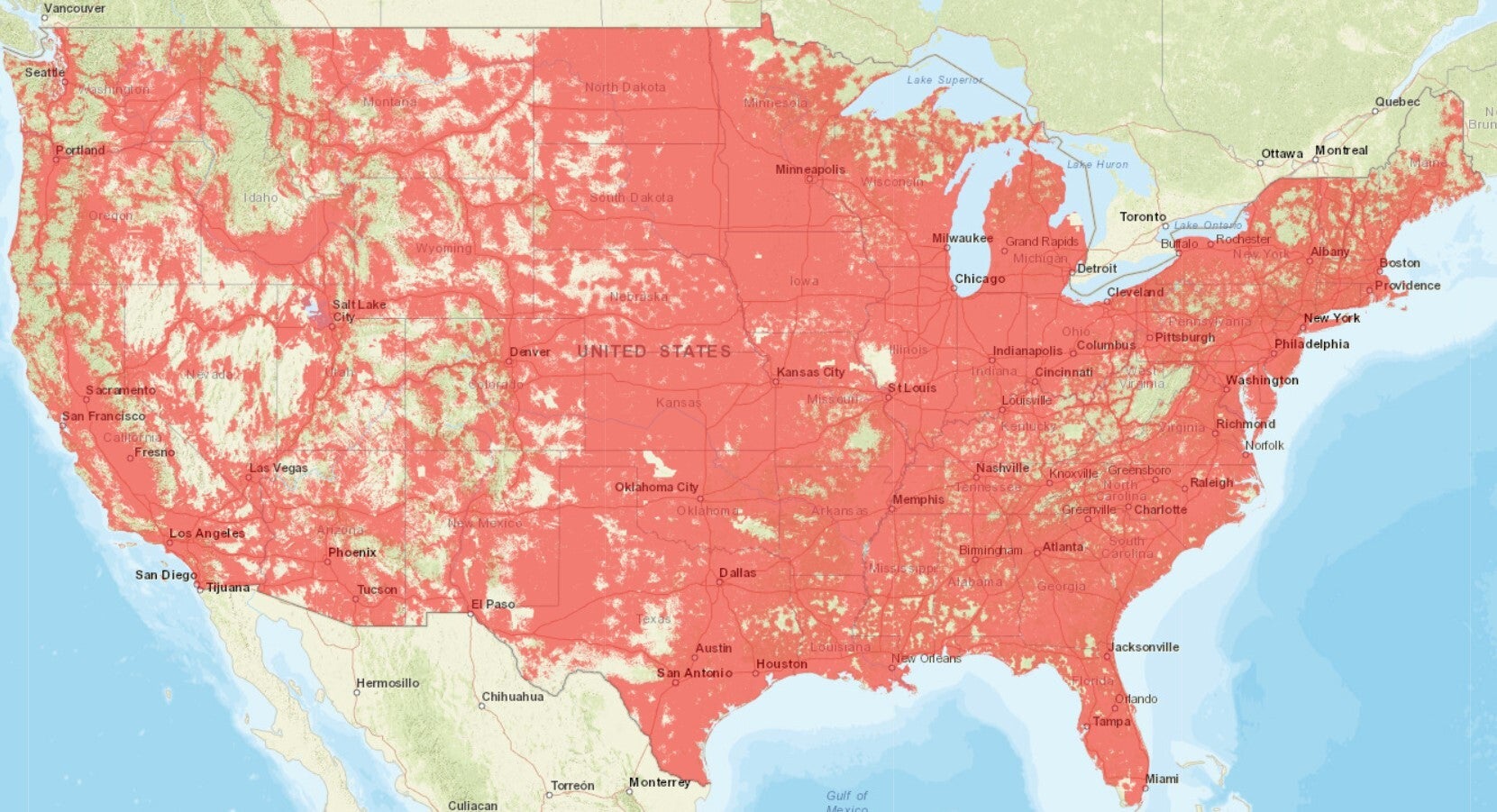
When you look at a Verizon coverage map today, you will notice that Puerto Rico is often shaded in a different color than the mainland U.S., or it is specifically labeled as "Domestic Roaming." This means that when your phone connects to a tower in San Juan or Ponce, it is actually communicating with hardware owned by Claro, Liberty (which acquired AT&T’s Puerto Rico assets in 2020), or T-Mobile.
As of 2026, these roaming agreements have become highly sophisticated. Through "LTE Roaming" and "5G Inter-Carrier Roaming" protocols, the transition from the mainland network to the Puerto Rican partners is generally invisible to the user, aside from a small "Extended" or "Roaming" indicator on the device’s status bar.
Decoding the 2026 Verizon Coverage Map
The Verizon coverage map for Puerto Rico is primarily an "Extended Network" map. In 2026, the availability of 5G has expanded significantly across the island, but it is important to distinguish between 5G Nationwide and 5G Ultra Wideband (UWB).
4G LTE Coverage
4G LTE remains the backbone of the roaming experience in Puerto Rico. It covers approximately 98% of the island’s populated areas. Verizon’s partners have invested heavily in hardening these networks against natural disasters, ensuring that even in the mountainous interior (the Cordillera Central), users can usually find a signal.
5G and 5G Ultra Wideband
By 2026, 5G roaming has become standard for Verizon customers in Puerto Rico. However, the "Ultra Wideband" (mmWave or C-Band) experience is more localized. While you may see 5G UWB icons in high-density areas like the Distrito T-Mobile in San Juan, the Luis Muñoz Marín International Airport (SJU), and parts of Condado, the majority of the island is served by "Low-Band" 5G, which offers speeds comparable to high-end LTE.
Dead Zones and Topography
Puerto Rico’s geography is a major factor in signal reliability. The coverage map often shows solid color over the entire island, but the reality on the ground can be different:
- The Interior: Deep valleys and high peaks can block signals from coastal towers.
- El Yunque National Forest: Coverage is intentionally limited in many parts of the rainforest to preserve the environment and due to the difficulty of installing infrastructure.
- Vieques and Culebra: These offshore islands have improved coverage in 2026, but signals can be weak on remote beaches away from the main towns of Isabel Segunda or Dewey.
Verizon Plan Compatibility and Costs
One of the most common questions is whether using Verizon in Puerto Rico incurs extra charges. Because it is a U.S. territory, Verizon treats Puerto Rico as a domestic location for most modern plans.
| Plan Category | Puerto Rico Status (2026) | Data Limitations |
|---|---|---|
| Unlimited Ultimate / Plus | Included | Full high-speed roaming; no daily caps. |
| Legacy Unlimited Plans | Included | May be subject to 0.5GB/day high-speed cap, then 2G. |
| Shared Data / Prepaid | Varies | Check specific "TravelPass" or domestic roaming settings. |
| Business Unlimited | Included | Generally includes unlimited talk, text, and data. |
The "TravelPass" Exception
While Puerto Rico is domestic, some very old legacy plans or specific prepaid tiers might trigger a notification about "TravelPass." In 2026, this is rare. If you receive a text stating you are being charged a daily rate, you should contact Verizon support immediately, as Puerto Rico should be categorized under domestic roaming for nearly all accounts.
Network Performance: Latency and Data Speeds
While the coverage map might show a strong signal, the quality of that signal can differ from what you experience in New York or Los Angeles. This is due to backhaul and routing.
When you use data in Puerto Rico on a Verizon device, your traffic often has to travel through an "S8 Home Routed" roaming architecture. This means your data request goes from the local Claro/Liberty tower in Puerto Rico, through an undersea fiber optic cable to a gateway on the U.S. mainland (usually in Florida or Georgia), and then out to the internet.
This routing can cause higher latency (ping). For casual web browsing or streaming, you won't notice it. However, for real-time gaming or high-frequency stock trading, the 60–100ms delay caused by the physical distance and routing can be perceptible.
Speed Expectations in 2026:
- Urban San Juan: 150 Mbps – 400 Mbps (5G)
- Coastal Towns (Aguadilla, Fajardo): 50 Mbps – 100 Mbps (4G/5G)
- Mountainous Regions: 5 Mbps – 20 Mbps (LTE)
Troubleshooting Verizon Connectivity in Puerto Rico
If your device shows "No Service" upon landing at SJU or while traveling through the island, the issue is usually related to device settings rather than a lack of coverage.
- Enable Data Roaming: This is the most critical step. Since Verizon uses partner towers, your phone must be allowed to "roam" to connect. Go to Settings > Cellular > Cellular Data Options and ensure Data Roaming is toggled ON.
- Manual Network Selection: If the automatic selection picks a weak carrier, you can sometimes go to Settings > Cellular > Network Selection and turn off "Automatic." Your phone will scan for available networks (Claro, Liberty, T-Mobile). You can manually test which one provides the best throughput in your specific location.
- Restart and Refresh: Toggling Airplane Mode or restarting the device forces the SIM card to re-authenticate with the local Visitor Location Register (VLR).
- APN Settings: Occasionally, the Access Point Name (APN) settings do not update correctly. Verizon devices should use
VZWINTERNET, but if data isn't working despite a signal bar, a network settings reset is recommended.
Comparing Verizon Roaming to Local Carriers
If you are moving to Puerto Rico or staying for several months, relying on a Verizon roaming connection might not be the most efficient long-term solution. Local carriers provide "native" service which often includes localized perks and lower latency.
- Claro: The largest legacy provider. Excellent coverage in rural areas.
- Liberty Mobile: Strong 5G presence and often bundled with home internet services in Puerto Rico.
- T-Mobile: Highly aggressive 5G rollout and typically the fastest speeds in metropolitan areas.
Verizon customers benefit from the fact that their device can often hop between these networks (depending on the specific roaming agreement active in 2026), whereas a T-Mobile customer is locked to T-Mobile towers. This "multi-network" access can actually make Verizon more reliable in some remote parts of the island than any single local carrier.
Frequently Asked Questions
Is Puerto Rico considered international roaming for Verizon?
No. Verizon considers Puerto Rico a domestic roaming area. This means that for the vast majority of plans, calling, texting, and data usage are billed exactly as they would be if you were in the continental United States. You do not need an international plan or a specialized "World" add-on.
Will my 5G phone work in Puerto Rico with Verizon?
Yes, provided your device supports the 5G bands used by Puerto Rican carriers. Most modern iPhones (iPhone 12 and newer) and Samsung Galaxy devices (S21 and newer) support the necessary N71, N41, and C-Band frequencies used by Claro and Liberty.
Does Verizon's "Unlimited" really mean unlimited in Puerto Rico?
It depends on your specific plan. If you are on a "Welcome Unlimited" or "Unlimited Plus" plan, you generally have the same data rights as you do on the mainland. However, some older plans may have a "Domestic Data Roaming" cap (often 500MB or 1GB per day), after which speeds are slowed to 2G levels. It is wise to check your plan details in the My Verizon app before traveling.
Can I get a Puerto Rico phone number on my Verizon account?
Generally, no. Verizon does not issue Puerto Rico (787 or 939) area codes because they do not have a native presence there. If you need a local number for business purposes, you would likely need to open an account with a local provider like Claro or Liberty, or use a VoIP service.
What should I do if my data is extremely slow?
Slow data is often the result of "deprioritization." Since you are a guest on a local carrier's network, their own customers may be given priority during times of high congestion. Try switching your cellular mode from 5G to LTE in your phone's settings; sometimes the LTE bands are less congested and offer a more stable experience.
Final Recommendations for Verizon Users
If you are heading to Puerto Rico in 2026, you can rest assured that your Verizon device will provide reliable coverage across the vast majority of the island. To ensure the best experience, verify that Data Roaming is enabled on your device before you land. If you plan to spend significant time in the central mountains or on the offshore islands of Vieques or Culebra, download offline maps in Google Maps as a precautionary measure. For the average traveler, the "Extended" network experience provided by Verizon’s partners is more than sufficient for high-definition streaming, navigation, and staying connected with the mainland.
Image Gallery