A Comprehensive Guide to Animated Christmas Films for Every Viewer
Animated Christmas films are a cornerstone of holiday tradition, blending artistic animation techniques with storytelling that captures the spirit of the season. This curated list focuses on high-quality productions, including hand-dra...
Animated Christmas films are a cornerstone of holiday tradition, blending artistic animation techniques with storytelling that captures the spirit of the season. This curated list focuses on high-quality productions, including hand-drawn, stop-motion, and 3D computer-animated classics, categorized by narrative style to help you select the ideal film for your holiday viewing schedule.
Contents
Understanding the Landscape of Holiday Animation
The genre of animated Christmas cinema is remarkably diverse, ranging from mid-20th-century stop-motion television specials to modern, high-fidelity digital features. Because the market is saturated with seasonal content, it is helpful to categorize these films by their production medium and target audience.
Stop-motion, often associated with studios like Rankin/Bass and Laika, offers a tactile, "hand-crafted" aesthetic that remains synonymous with the visual language of Christmas. In contrast, 3D computer-animated films, popularized by studios such as DreamWorks and Sony Pictures Animation, utilize modern rendering technology to create expansive, cinematic holiday worlds. Selecting the right film requires understanding the tone: some are whimsical and musical, while others focus on the folklore of Santa Claus or the deeper, often bittersweet, themes of the holiday season.
Defining Essential Categories of Animated Christmas Classics
To navigate the vast library of holiday media, viewers should differentiate between "feature-length films" and "television specials." While both are technically animated, they serve different viewing purposes. Television specials, typically running between 25 and 50 minutes, are designed for concise, episodic enjoyment. Feature-length films provide a more immersive narrative experience.
The Golden Age of Stop-Motion
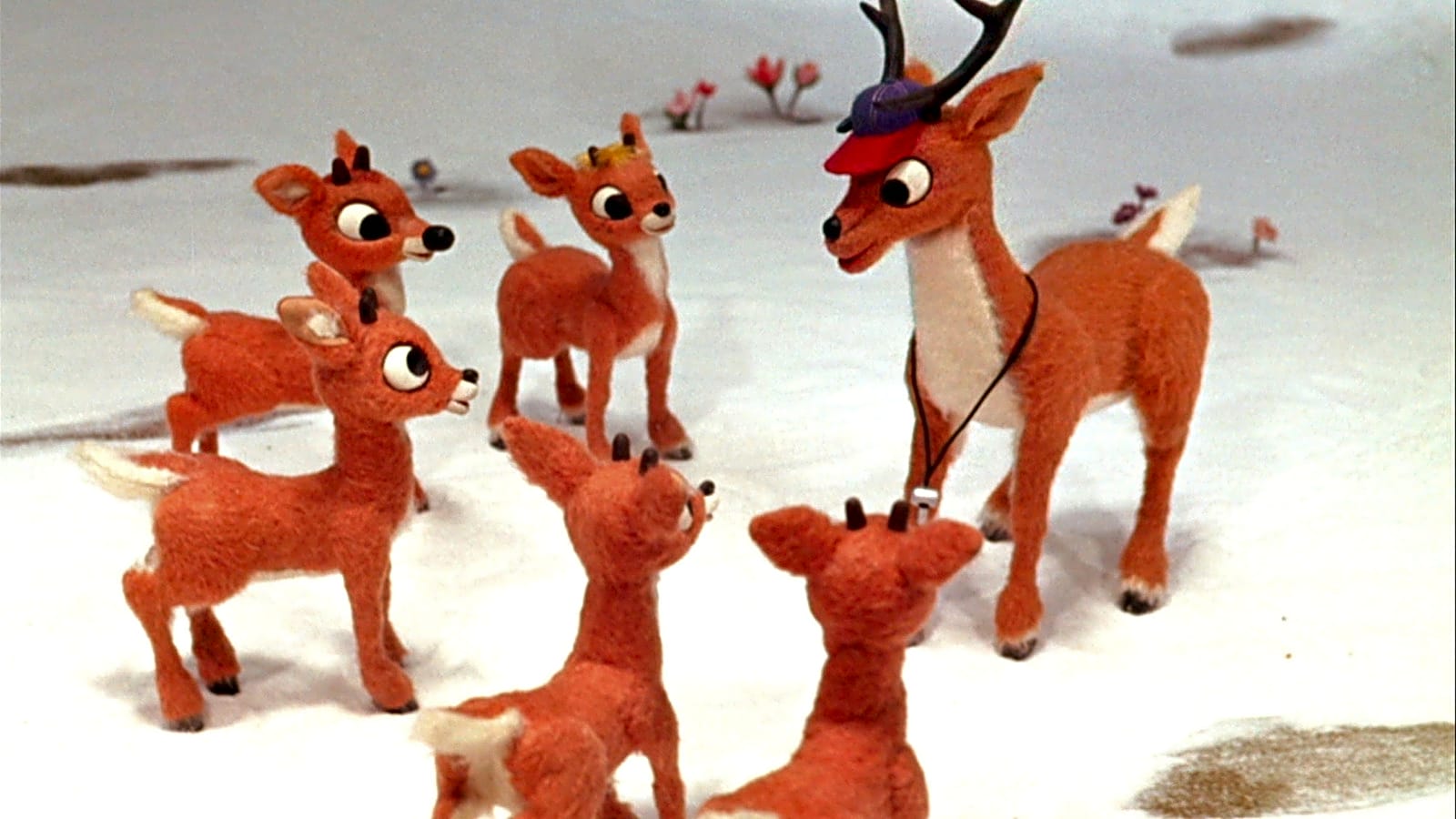
Many of the most enduring Christmas memories are anchored in the stop-motion work of the 1960s and 1970s. These productions, such as Rudolph the Red-Nosed Reindeer (1964) and Santa Claus Is Comin' to Town (1970), rely on "Animagic" stop-motion techniques. They remain structurally important because they defined the visual iconography of the North Pole, elves, and reindeer in popular culture.
Modern 3D Computer-Animated Features
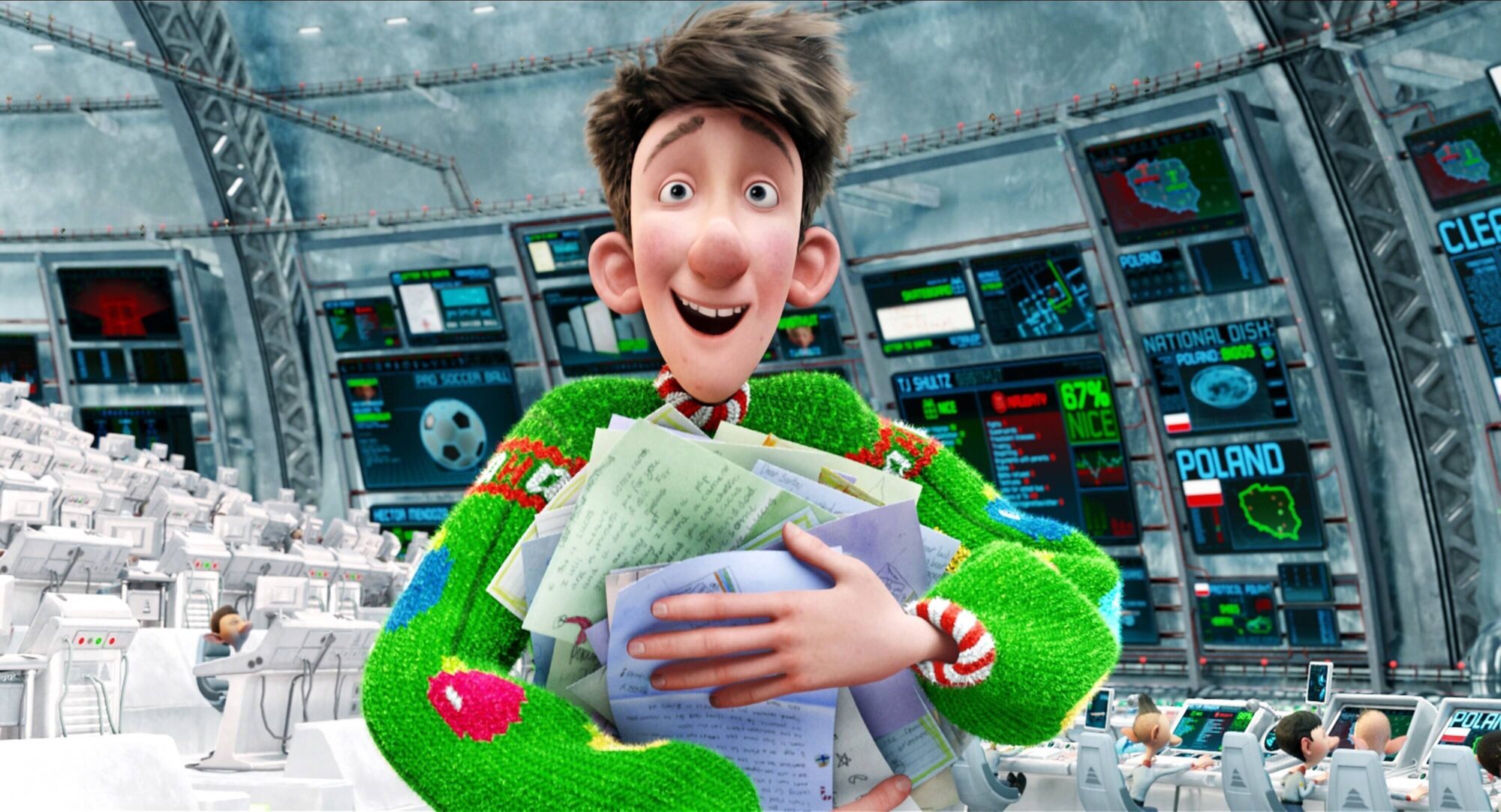
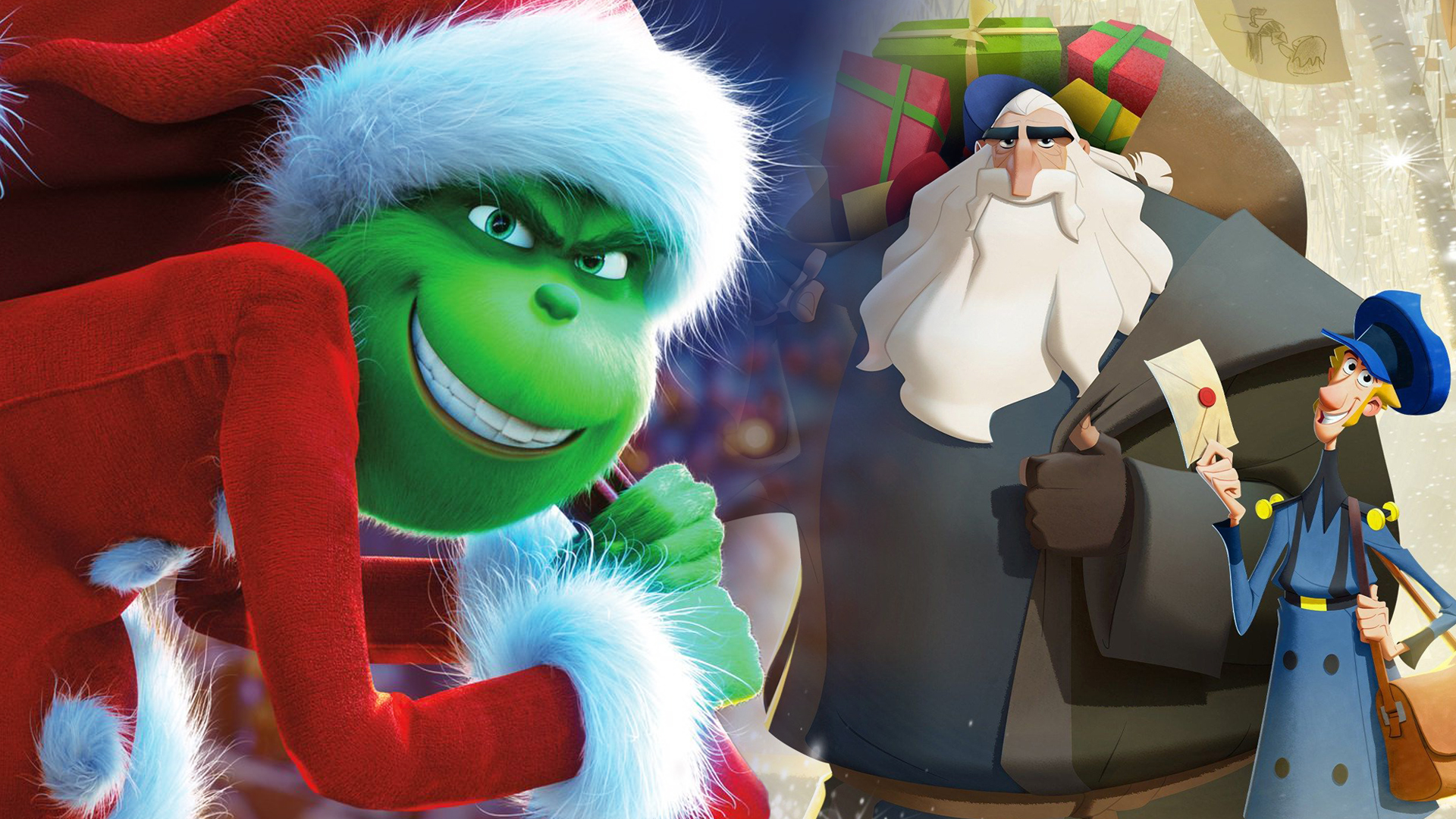
The 21st century introduced a new standard for Christmas storytelling. Films like Arthur Christmas (2011) and Klaus (2019) leveraged advancements in lighting and character animation to tell more complex stories. Klaus, for instance, utilized a unique blend of traditional 2D animation with 3D lighting techniques, creating a visual style that feels both classic and revolutionary.
Comparison Table: Notable Animated Christmas Films
The following table summarizes key titles, their primary animation style, and their general thematic focus.
| Title | Release Year | Animation Style | Primary Focus |
|---|---|---|---|
| A Charlie Brown Christmas | 1965 | Traditional 2D | Meaning of Christmas |
| Rudolph the Red-Nosed Reindeer | 1964 | Stop-Motion | Inclusion and acceptance |
| The Nightmare Before Christmas | 1993 | Stop-Motion | Genre-blending/Gothic |
| The Polar Express | 2004 | Motion Capture | Wonder and belief |
| Arthur Christmas | 2011 | 3D Computer | Family dynamics at the North Pole |
| Klaus | 2019 | Hand-drawn/3D hybrid | Origin story of Santa Claus |
Technical Considerations for Viewing
When viewing these films in 2026, compatibility and access are primary factors. Many classic television specials are now available in 4K remasters, though some retain their original 4:3 aspect ratio to preserve the artistic intent of the era.
When streaming or purchasing digital copies, ensure you are accessing official, high-bitrate versions. Older, low-quality rips can suffer from "artifacting," particularly in scenes with high contrast, such as a brightly lit workshop against a snowy backdrop. If you are watching on modern hardware, adjusting your display to "Cinema" or "Filmmaker" mode often produces the most accurate color reproduction for animated works, as it minimizes excessive motion smoothing that can interfere with the intended frame rate of stop-motion films.
Historical Context and Evolution of the Medium
The evolution of these films reflects the technological progress of the 20th and 21st centuries. Early works were constrained by the physical limits of articulated puppets or hand-painted cels. A Charlie Brown Christmas, while minimalist in its animation, succeeded due to its authentic voice acting and iconic jazz soundtrack by Vince Guaraldi.
As animation moved into the digital era, the focus shifted toward world-building. In Arthur Christmas, the film explores the "logistics" of Santa's operation, turning the holiday into a high-tech espionage-style mission. This transition from metaphorical storytelling to literal, mechanical exploration represents a broader trend in family-friendly animation, where secondary characters often receive as much depth as the protagonists.
Selecting the Right Film for Your Audience
Choosing the correct film often depends on the age group and the desired mood. For younger children, the high energy and bright colors of The Polar Express or Rise of the Guardians (which, while not exclusively Christmas, features a prominent North Pole segment) are visually stimulating. For viewers seeking nostalgia, the traditional aesthetic of the 1960s specials provides a reliable comfort.
If you are hosting a holiday gathering, consider the "lore-heavy" films like Klaus. These films offer a more cohesive, feature-length narrative that can sustain the attention of a mixed-age group, whereas episodic specials are better suited for quick, low-commitment viewing sessions.
Frequently Asked Questions
Are older stop-motion films still considered high quality by modern standards? Yes. While the frame rate is lower than modern 3D films, the artistic craft of stop-motion remains highly regarded. Many studios, including Laika, continue to use these techniques in contemporary projects, proving that the medium is a stylistic choice rather than an outdated technology.
Why are some Christmas specials formatted in 4:3 instead of 16:9? These programs were originally broadcast on tube televisions, which were square-shaped. Cropping these to fit modern widescreen displays would cut off important visual details. Preserving the 4:3 ratio is standard for respectful restoration.
Is The Nightmare Before Christmas considered a Christmas movie or a Halloween movie? This is a subject of frequent debate. Narratively, the film is about a character attempting to hijack Christmas. Therefore, it is categorized as a holiday film, though its aesthetic is heavily influenced by autumn themes. It is best enjoyed as a bridge between the two holiday seasons.
Where can I find these films in high definition? Most major streaming services and digital storefronts carry these titles. For the best experience, verify that the version provided is "remastered." Official studio releases on digital platforms are generally superior to third-party uploads.
Are there animated Christmas films that deal with non-Western holiday traditions? While the mainstream list is dominated by Western traditions (Santa Claus, the North Pole), there are independent and international animated shorts that explore winter solstice or cultural variations of gift-giving. Searching for "international holiday animation" can yield unique, culturally diverse results.
Recommendation for Your Next Watch
If you want a film that bridges the gap between traditional storytelling and modern visual appeal, start with Klaus. Its unique visual style, which avoids the sometimes sterile look of pure 3D, combined with a heart-warming and well-paced narrative, makes it one of the most critically acclaimed animated Christmas films of the last decade. It offers a fresh perspective on the lore of Santa Claus without relying on excessive spectacle, ensuring it remains relevant for years to come.
Image Gallery