Understanding How the 2023 Acura TLX Accelerates to 60 MPH
The 2023 Acura TLX achieves a 0–60 mph sprint in approximately 5.9 to 6.2 seconds for the base turbocharged 2.0-liter four-cylinder engine, while the high-performance Type S variant equipped with the 3.0-liter turbocharged V6 achieves...
The 2023 Acura TLX achieves a 0–60 mph sprint in approximately 5.9 to 6.2 seconds for the base turbocharged 2.0-liter four-cylinder engine, while the high-performance Type S variant equipped with the 3.0-liter turbocharged V6 achieves the same feat in approximately 4.9 to 5.1 seconds, depending on surface conditions and driver input.
Contents
Engineering the Acceleration of the 2023 Acura TLX
Acceleration in a modern luxury sport sedan is rarely the result of raw horsepower alone; it is a symphony of engine output, transmission responsiveness, and chassis dynamics. The 2023 Acura TLX is built upon a dedicated platform that prioritizes a low center of gravity and a wide track, providing the foundation necessary to put power to the pavement effectively. Whether you are driving the entry-level front-wheel-drive (FWD) model or the performance-oriented Type S with Super Handling All-Wheel Drive (SH-AWD), the vehicle’s ability to reach 60 mph is governed by distinct mechanical systems.
For the standard TLX trims, the heart of the car is a 2.0-liter VTEC Turbo inline-four engine. This engine produces 272 horsepower and 280 lb-ft of torque. Because this engine reaches its peak torque early in the rev range—starting at just 1,600 rpm—the car feels punchy in stop-and-go city traffic. However, when aiming for a 0–60 mph run, the 10-speed automatic transmission plays a critical role. The close-ratio gears allow the engine to stay within its optimal power band throughout the acceleration curve, minimizing the time lost during gear changes.
The Type S Advantage: Performance-Oriented Acceleration
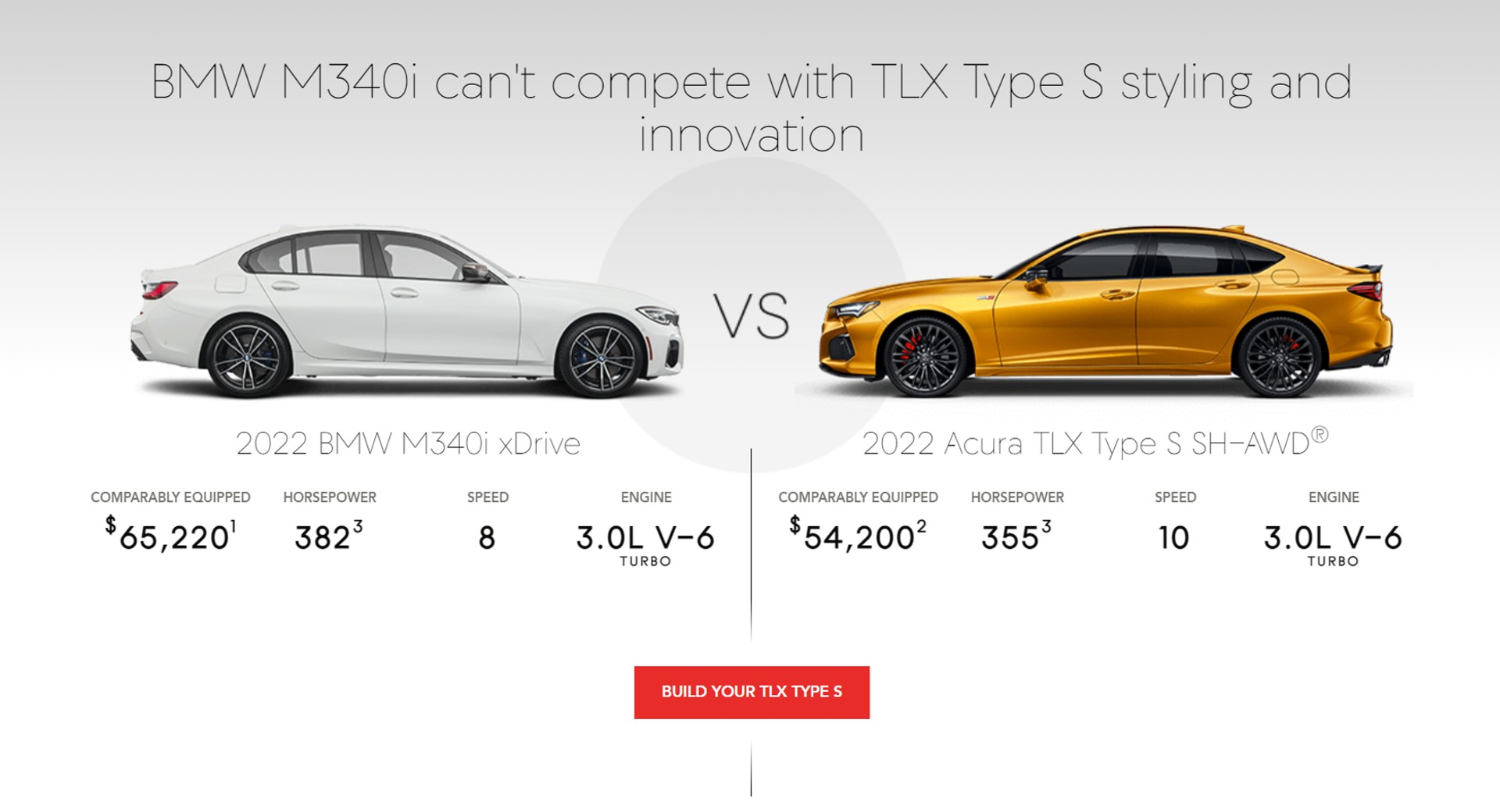
When enthusiasts discuss the acceleration of the 2023 Acura TLX, the conversation inevitably centers on the Type S. This variant features a 3.0-liter twin-scroll turbocharged V6 engine designed specifically for the TLX architecture. This powerplant delivers 355 horsepower and 354 lb-ft of torque.
The acceleration difference between the base model and the Type S is not merely a matter of extra horsepower; it is a matter of traction management. The Type S comes standard with Acura’s torque-vectoring SH-AWD system. In a standing start, this system is vital. As the engine hits full boost, the SH-AWD system distributes power not just between the front and rear axles, but also between the left and right rear wheels. By actively managing torque, the system minimizes wheel slip, ensuring that every ounce of the V6’s power is converted into forward momentum rather than tire spin.
Factors Influencing Real-World 0–60 Times
While manufacturer specifications often provide a target range, real-world acceleration is influenced by several variables that owners should understand. Achieving the optimal 0–60 mph time requires managing these external and internal factors:
- Tire Compound and Temperature: The 2023 Acura TLX Type S is often equipped with high-performance summer tires. If the ambient temperature drops significantly, the rubber hardens, reducing grip during the initial launch. Conversely, all-season tires on base models may offer better cold-weather performance but lack the lateral and longitudinal grip needed for a sub-6-second sprint.
- Surface Conditions: The coefficient of friction on the road surface is paramount. A clean, dry asphalt surface provides the best results. Loose debris, moisture, or uneven road crown can trigger the car’s traction control system, which will electronically cut power to the wheels to maintain stability, thereby increasing the 0–60 mph time.
- Vehicle Weight and Options: The TLX is a substantial vehicle. Extra equipment—such as upgraded audio systems or certain accessory packages—adds weight. In high-performance driving, every pound matters. A lightly optioned vehicle will theoretically accelerate faster than one loaded with every available luxury feature.
- Fuel Quality: The 2.0L and 3.0L turbocharged engines are tuned to run on premium unleaded gasoline. Using lower-octane fuel can trigger the Engine Control Unit (ECU) to adjust ignition timing to prevent engine knock, which typically results in a measurable reduction in power output and slower acceleration.
Technical Comparison of Powertrain Configurations
Understanding how different configurations impact performance helps in setting realistic expectations for the vehicle's behavior on the road.
| Feature | 2.0L Turbo Inline-4 | 3.0L Turbo V6 (Type S) |
|---|---|---|
| Horsepower | 272 hp | 355 hp |
| Torque | 280 lb-ft | 354 lb-ft |
| Drivetrain | FWD or SH-AWD | SH-AWD |
| Est. 0–60 MPH | 5.9 – 6.2 seconds | 4.9 – 5.1 seconds |
| Primary Goal | Balanced Efficiency | High-Performance Dynamics |
Managing Launch Control and Transmission Modes
A common misconception is that the 2023 Acura TLX utilizes a traditional "launch control" system that requires a complex sequence of buttons. In reality, the TLX manages its launch through the interplay of its 10-speed transmission and the Integrated Dynamics System (IDS).
To experience the quickest acceleration, drivers should engage "Sport+" mode. In this setting, the throttle mapping becomes significantly more sensitive, and the transmission logic is altered to hold gears longer, allowing the engine to climb higher into the power band before shifting. Because the 10-speed transmission is programmed to be aggressive in this mode, it ensures that the vehicle is always in the gear that provides the highest torque output for the current velocity.
Drivers should also be aware that the Vehicle Stability Assist (VSA) system is designed to intervene if it detects wheel slip. While disabling VSA might seem like a way to improve launch times, on a car with the power of the TLX Type S, the system is sophisticated enough that disabling it often leads to excessive wheel spin, which can actually slow down the 0–60 time on standard street surfaces.
Common Questions Regarding TLX Acceleration
Does the 2023 Acura TLX require premium fuel for maximum performance? Yes. Both the 2.0-liter and 3.0-liter turbocharged engines are designed to optimize ignition timing and boost pressure using 91-octane gasoline or higher. Using lower-octane fuel may result in reduced power output and slower acceleration times.
How does the SH-AWD system improve 0–60 times? The Super Handling All-Wheel Drive system improves acceleration by effectively distributing torque to the wheels with the most grip. By preventing wheel spin during the initial launch, the system allows the vehicle to accelerate more efficiently, especially on varied or less-than-perfect road surfaces.
What is the "Sport+" mode, and why does it affect acceleration? Sport+ mode is an aggressive drive setting that optimizes the engine's throttle response and shifts the transmission's behavior. By holding gears longer and providing a more direct connection between the pedal and the engine output, it allows for a more rapid buildup of speed.
Can weather conditions impact the 0–60 time? Yes. High humidity and high ambient temperatures can lead to "heat soak," where the intercooler becomes less efficient, resulting in less dense air for the turbochargers. This can cause a slight decrease in horsepower, which may increase the 0–60 mph time compared to cool, dry days.
Is the TLX faster in FWD or SH-AWD? In the 2.0-liter variant, the FWD model is lighter, but the SH-AWD model offers superior traction during the first two seconds of acceleration. While the FWD model may have a weight advantage, the SH-AWD model typically provides a more consistent launch, particularly if the driver is accelerating from a stop.
Maximizing Your Performance Experience
To get the most out of your 2023 Acura TLX, ensure the vehicle is properly maintained. A dirty air filter or old spark plugs can restrict airflow and impede combustion, directly impacting how the car builds boost. Ensure your tires are inflated to the recommended manufacturer specifications, as under-inflated tires increase rolling resistance and negatively affect acceleration.
Finally, remember that the TLX is a luxury sport sedan intended for a blend of comfort and performance. While understanding its 0–60 mph capability is essential for appreciating the engineering involved, the vehicle’s true strength lies in its ability to maintain power and stability through mid-range acceleration and cornering. Consistent performance is best achieved through smooth, progressive throttle inputs rather than abrupt, erratic stabs at the gas pedal.
Image Gallery