Exploring the Amish Community in Tennessee: 2026 Visitor Guide and Cultural Insights
Tennessee is home to several distinct Amish settlements, with the largest and oldest located in Ethridge. These communities are primarily Old Order and Swartzentruber Amish, known for their traditional lifestyle, handmade furniture, an...
Tennessee is home to several distinct Amish settlements, with the largest and oldest located in Ethridge. These communities are primarily Old Order and Swartzentruber Amish, known for their traditional lifestyle, handmade furniture, and seasonal produce. In 2026, visiting these areas offers a unique glimpse into a heritage-rich way of life centered on faith, family, and land.
Contents
The Landscape of Amish Life in Tennessee for 2026
The Amish presence in Tennessee has grown steadily over the last several decades, evolving from a few pioneer families into robust, economically significant communities. As of 2026, Tennessee ranks among the top states in the Southeast for Amish population density. Unlike the more commercialized Amish areas in Pennsylvania or Ohio, the Tennessee settlements maintain a more rustic and conservative atmosphere.
The Amish in Tennessee generally belong to the Old Order, which is the most traditional branch of the faith. Within this group, the Swartzentruber Amish in Ethridge represent one of the most conservative sects in existence. They eschew modern conveniences such as electricity, indoor plumbing, and even the use of orange "slow-moving vehicle" triangles on their buggies in some cases, preferring reflective tape to maintain a stricter separation from the world.
Understanding the geography of these communities is essential for any visitor or researcher. While Ethridge is the most famous, other significant settlements exist in Delano, Huntingdon, and the Sequatchie Valley. Each community has its own specific "Ordnung" (a set of unwritten rules governing daily life), which dictates everything from the width of a hat brim to the type of technology allowed in their shops.
Ethridge: The Heart of Tennessee's Amish Country
Located in Lawrence County, Ethridge remains the primary destination for those seeking to experience Amish culture in Tennessee. Established in 1944, this settlement has grown into a sprawling network of farms and home-based businesses.
Navigating the Ethridge Settlement
In 2026, the best way to navigate Ethridge is by following the "Amish Trail" maps provided by local welcome centers. Most visitors begin their journey at the various farm markets along Highway 43.
Traveler Tip for 2026
To truly experience the community, look for the hand-painted signs at the end of farm lanes. These signs indicate what the family has for sale that day, ranging from "Fresh Brown Eggs" to "Custom Cabinetry." If a sign is turned around or covered, the shop is closed.
The Swartzentruber Way of Life
The Ethridge community is predominantly Swartzentruber Amish. This group is known for their high degree of self-sufficiency. In 2026, they continue to use horse-drawn machinery for farming and kerosene lamps for light. For the visitor, this means seeing a landscape that looks much like it did in the 19th century.
Their economy is built on a foundation of craftsmanship. The furniture produced here is highly sought after for its durability and "heirloom" quality. Using traditional joinery techniques without power tools, these craftsmen produce dining sets, bedroom suites, and outdoor cedar furniture that attract buyers from across the southern United States.
Delano and the East Tennessee Settlements
Moving toward the Appalachian foothills, the Delano community in Polk County offers a different perspective on Tennessee Amish life. Established in the 1970s, this community is slightly more modern than the Ethridge group, though still strictly Old Order.
Agricultural Excellence in Polk County
Delano is famous for its "Delano Farm Market," which serves as a central hub for the community’s agricultural output. In 2026, this market remains a premier destination for bulk foods, seasonal produce, and high-quality greenhouses. Because the climate in East Tennessee is slightly different from the Middle Tennessee plains, visitors can find a unique variety of mountain produce and hardy nursery stock.
The Sequatchie Valley and Beyond
Newer settlements have emerged in the Sequatchie Valley and near Huntingdon in Carroll County. These communities often consist of families seeking more affordable land and more seclusion as the larger settlements become more crowded. These areas are less commercialized than Ethridge, offering a more "authentic" and quiet experience for those willing to drive off the beaten path.
Commerce and Industry: What to Buy in 2026
The Amish economy in Tennessee is a vital part of the state's rural financial landscape. By 2026, the demand for non-digital, hand-crafted goods has only increased. When visiting, consumers should look for specific categories of goods that represent the pinnacle of Amish skill.
Handmade Furniture and Cabinetry
Amish furniture is not just a product; it is a standard of construction. In Tennessee, oak, cherry, and walnut are the primary hardwoods used.
- Dining Room Sets: Known for solid wood construction and hand-rubbed finishes.
- Outdoor Structures: Gazebos, sheds, and children's playsets built to withstand decades of weather.
- Kitchen Cabinetry: Many Tennessee homeowners hire Amish crews for custom kitchen installations, valued for their precision and material quality.
Produce and Specialty Foods
The "farm-to-table" movement is naturally embodied by the Amish.
- Sorghum: Middle Tennessee is famous for its sorghum production, and the Amish produce some of the finest syrup in the region.
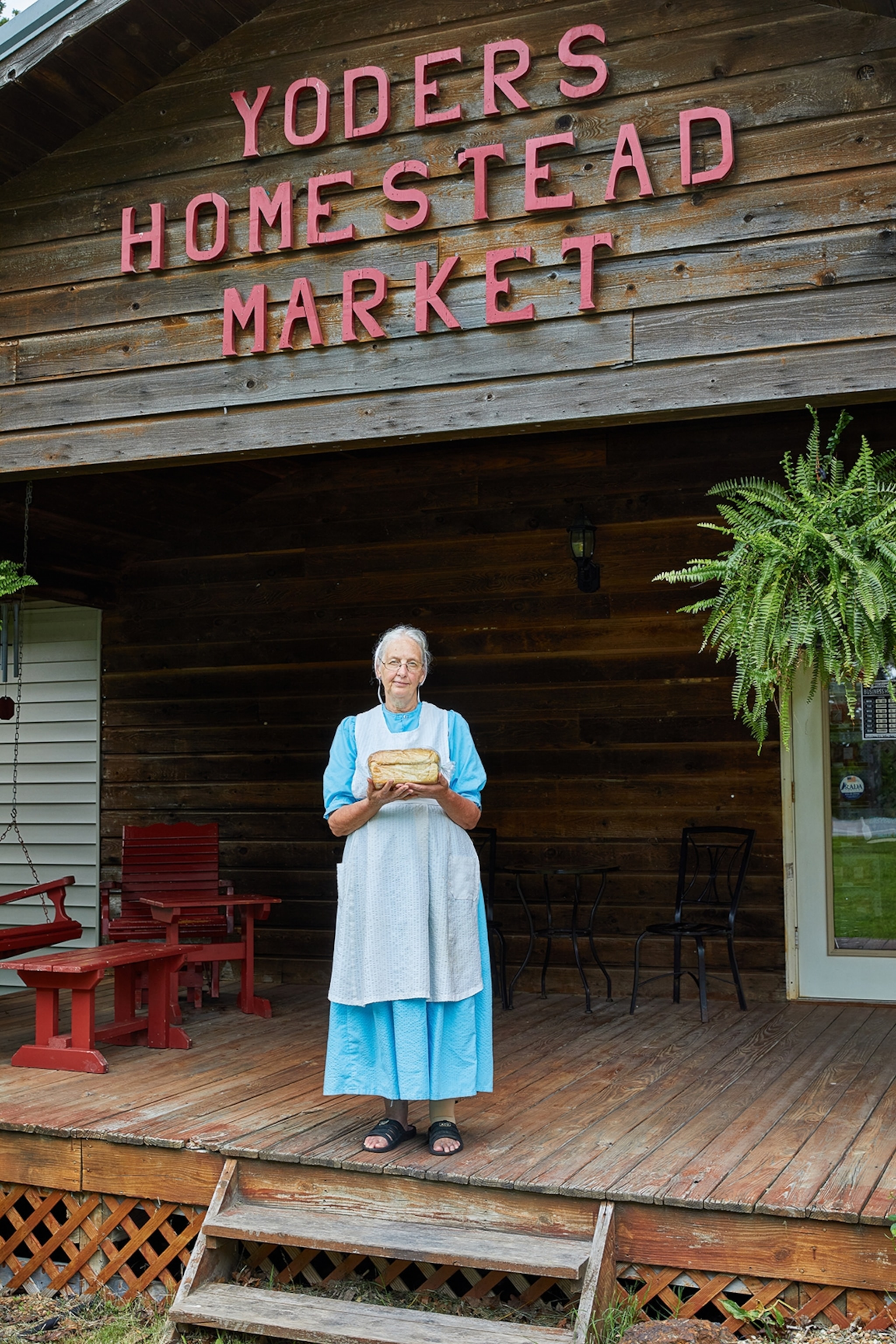
- Fried Pies and Baked Goods: Seasonal fruit pies, sourdough breads, and "Amish crack" (a colloquial term for their highly addictive glazed donuts) are staples at roadside stands.
- Canned Goods: Pickled beets, okra, and a vast array of jams and jellies.
Essential Etiquette and Visitor Guidelines
Visiting an Amish community requires a level of cultural sensitivity that differs from typical tourist destinations. These are private homes and working farms, not living history museums.
The Golden Rule: No Photography
The most important rule when visiting any Tennessee Amish community in 2026 is the prohibition of photography. The Amish believe that photographs are "graven images" and that posing for pictures fosters vanity and pride.
- Respect Privacy: Never point a camera or smartphone at an Amish person's face.
- Scenic Shots: While landscapes are generally acceptable, it is polite to ensure no individuals are clearly identifiable in the frame.
Road Safety and Horse-Drawn Vehicles
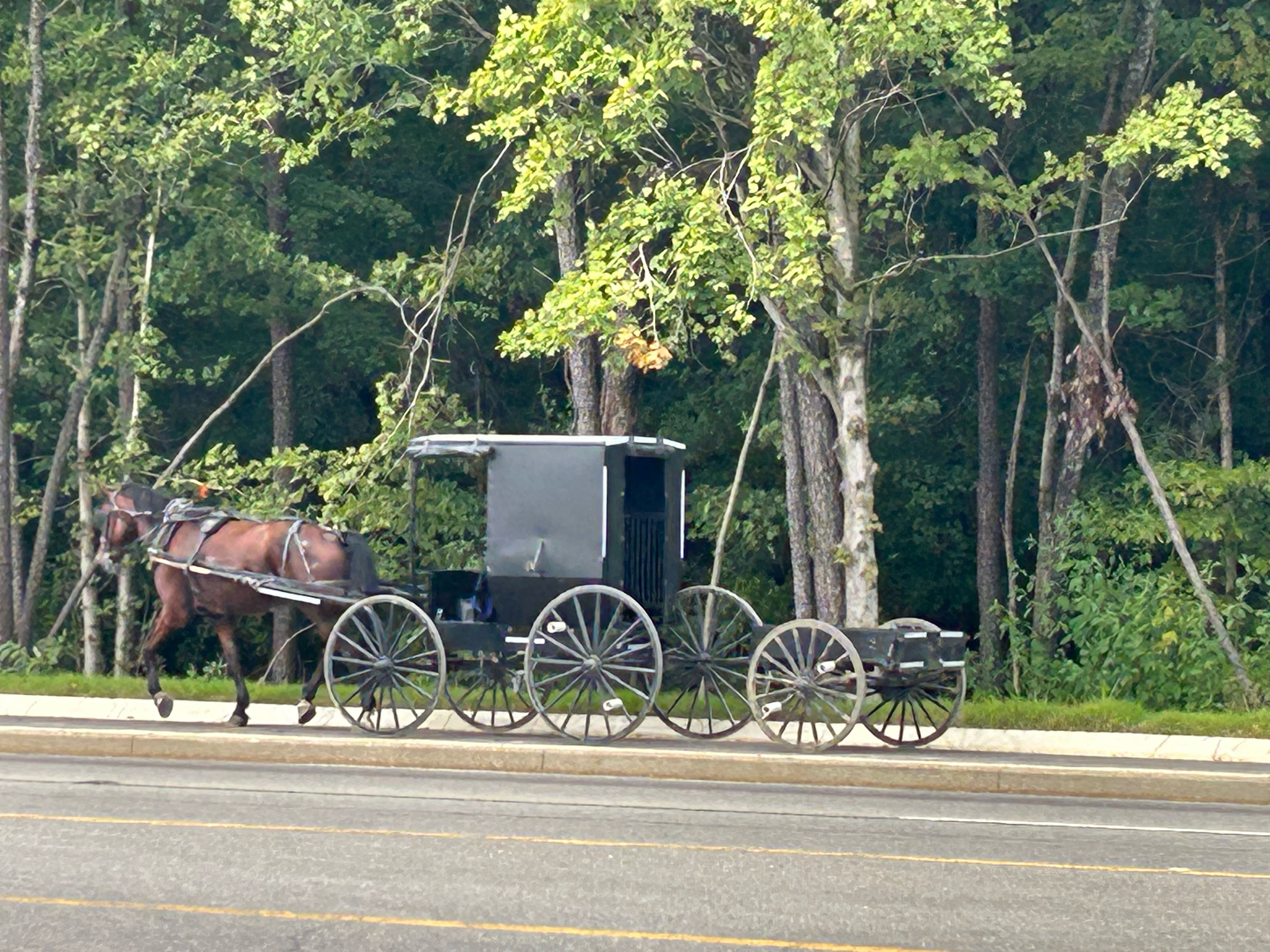
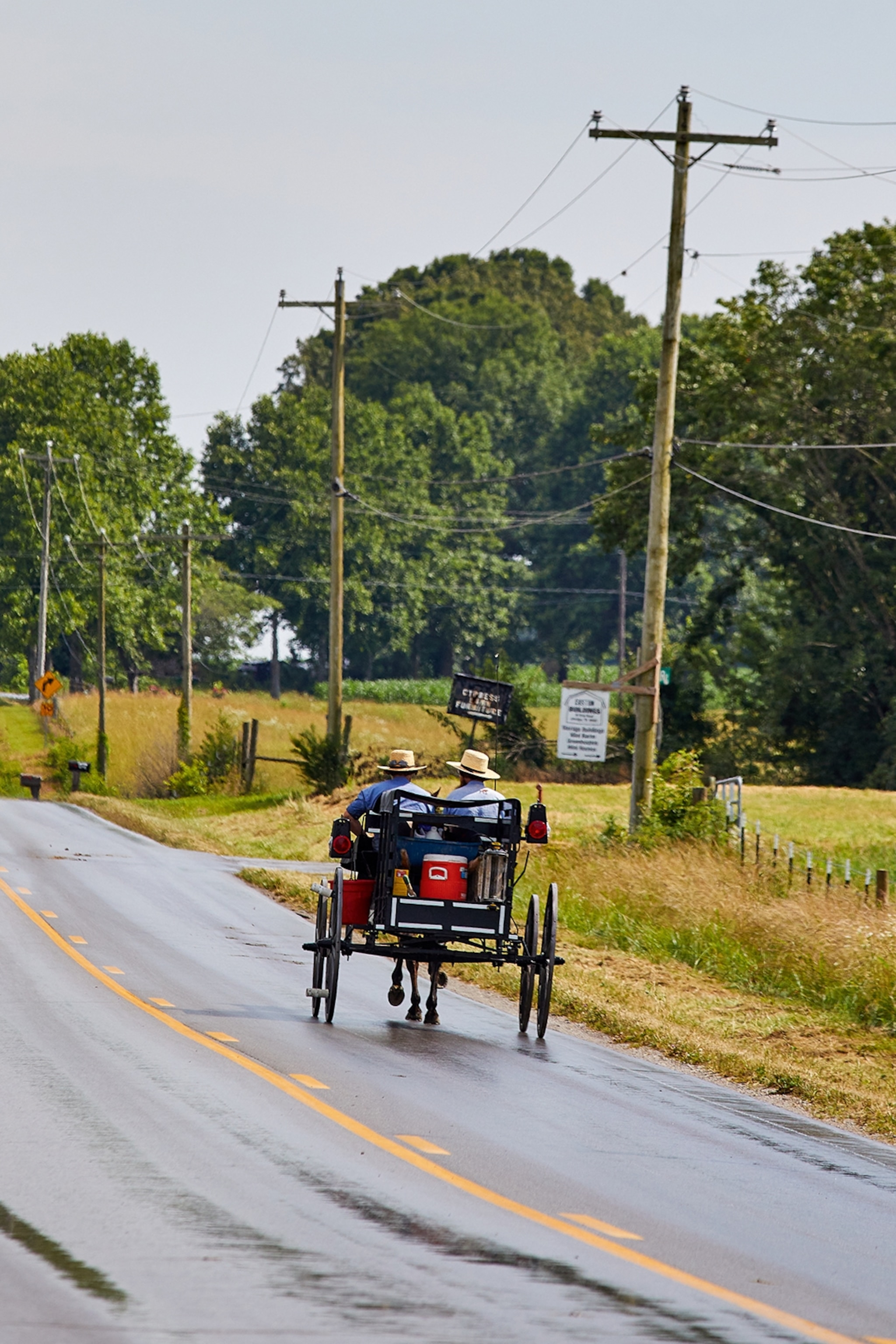
Driving through Lawrence or Polk County requires increased vigilance. Buggies travel at approximately 5 to 8 miles per hour.
- Passing: Only pass when you have a clear line of sight. Do not honk your horn, as this can spook the horses.
- Night Driving: Be extremely cautious at dusk and dawn. While many buggies use reflective tape, they can still be difficult to see against the glare of oncoming headlights.
Sunday Closures
The Amish observe a strict Sabbath. On Sundays, all shops, farm stands, and businesses will be closed. There are no exceptions. This is a day for church services, which rotate among family homes, and for rest and family visitation.
Comparison of Major Tennessee Amish Settlements
The following table provides a high-level comparison of the primary communities visitors might explore in 2026.
| Settlement Location | County | Primary Sect | Key Features | Commercial Intensity |
|---|---|---|---|---|
| Ethridge | Lawrence | Swartzentruber | Furniture, Ironworks, Large-scale produce | High (Wagon Tours available) |
| Delano | Polk | Old Order | Greenhouses, Bulk Foods, Mountain Views | Moderate (Central Market) |
| Huntingdon | Carroll | Old Order | Sawmills, Leather goods, Quilts | Low (Scattered Farms) |
| Pikeville | Bledsoe | Old Order | Produce, Baskets, Seasonal markets | Low (Community focused) |
| Savannah | Hardin | Old Order | Woodworking, Poultry, General Stores | Moderate (Growing) |
The Role of the "Amish Trail" in the Local Economy
By 2026, the concept of the "Amish Trail" has become a formalized route in Middle Tennessee. This is not a single road but a network of backroads surrounding Ethridge. Local businesses in the town of Ethridge provide maps and even tractor-drawn wagon tours that take visitors directly to participating farms.
This symbiotic relationship between the Amish and the "English" (the Amish term for non-Amish people) is crucial. The Amish provide the goods and the unique cultural draw, while the local English businesses provide the infrastructure, such as hotels, traditional restaurants, and tour logistics that the Amish themselves would not operate.
Sustainability and Traditional Farming Practices
One of the most impressive aspects of the Tennessee Amish in 2026 is their continued adherence to sustainable farming. While modern industrial agriculture faces challenges with soil depletion and chemical reliance, Amish farms often utilize:
- Crop Rotation: A natural way to maintain soil fertility without heavy chemical fertilizers.
- Animal Power: Using horses and mules prevents the heavy soil compaction caused by large tractors.
- Natural Pest Control: Many communities utilize older, more organic methods of protecting their crops, which has led to a surge in demand for their produce among health-conscious consumers in Nashville and Huntsville.
Frequently Asked Questions
Can I stay overnight in an Amish home?
No, the Amish in Tennessee do not offer "farm stays" or overnight accommodations in their homes. However, there are many nearby "English" bed and breakfasts, hotels, and campgrounds in Lawrenceburg and Delano that cater to visitors exploring the Amish countryside.
Do the Amish in Tennessee pay taxes?
Yes, the Amish pay property taxes, sales taxes, and income taxes. They generally do not pay Social Security taxes, as they have a religious exemption and do not collect Social Security benefits, preferring to care for their own elderly and infirm within the community.
Is it okay to talk to the Amish?
Absolutely. Most Amish business owners are very friendly and happy to discuss their products. However, it is best to keep conversations focused on business or general topics. Avoid prying questions about their religious beliefs or personal lives unless they offer the information first.
Why don't they have electricity in their shops?
Their refusal of the electrical grid is not because they believe electricity is "evil," but because it represents a connection to the world that could lead to the introduction of television, the internet, and other influences that might disrupt the family unit and the community’s focus on faith. In 2026, some shops may use pneumatic (air-powered) tools or diesel engines to run saws, provided they are not connected to the public utility grid.
What is the best time of year to visit?
Late spring through late autumn is ideal. Spring offers beautiful greenhouse flowers and early produce, while the fall harvest brings pumpkins, gourds, and the peak of the sorghum processing season. Be aware that winter can see many smaller farm stands close, though furniture shops typically remain open year-round.
Practical Recommendations for Your 2026 Visit
If you are planning a trip to see the Amish community in Tennessee in 2026, the most rewarding approach is one of slow exploration. Start your day early—most shops open by 8:00 AM. Bring cash, as almost no Amish businesses accept credit or debit cards, and cell service can be spotty in the more remote areas of Lawrence and Polk counties.
Prepare to disconnect. The beauty of visiting these communities lies in the silence—the sound of a clip-clopping horse, the wind through the cornstalks, and the simple exchange of goods for a fair price. By respecting their traditions and following the established etiquette, you help ensure that these unique Tennessee communities can continue to thrive for generations to come.
Image Gallery