Understanding David Njoku’s Fire Injury and Its Aftermath
In September 2023, Cleveland Browns tight end David Njoku suffered significant burns to his face and arms in a household accident involving a fire pit. The incident, which occurred just days before a scheduled game against the Baltimor...
In September 2023, Cleveland Browns tight end David Njoku suffered significant burns to his face and arms in a household accident involving a fire pit. The incident, which occurred just days before a scheduled game against the Baltimore Ravens, drew widespread attention due to his decision to play despite the severity of his injuries. The aftermath focused on professional athlete resilience, the physical recovery process for thermal injuries, and the importance of home safety protocols.
Contents
The Incident: A Household Accident
The injury occurred on September 29, 2023, while David Njoku was at his home attempting to light a fire pit. During the process, an accidental flare-up occurred, resulting in severe burns across his face and arms. The nature of the accident highlights the inherent risks associated with residential fire features, which are frequently underestimated by homeowners.
Thermal burns from liquid accelerants or pressurized gas sources in fire pits are common but dangerous. Medical professionals categorize such injuries based on the depth of the skin damage:
- First-Degree: Affects only the epidermis (sunburn-like).
- Second-Degree: Affects the epidermis and part of the dermis, often resulting in blistering.
- Third-Degree: Destroys both layers of the skin and may damage underlying tissues.
While the exact clinical grading of Njoku's injuries was kept private by the Cleveland Browns organization, the visual evidence and his rapid return to play suggested that he received intensive, immediate medical intervention to manage pain, prevent infection, and protect the affected skin from further trauma.
The Immediate Aftermath: The Decision to Play
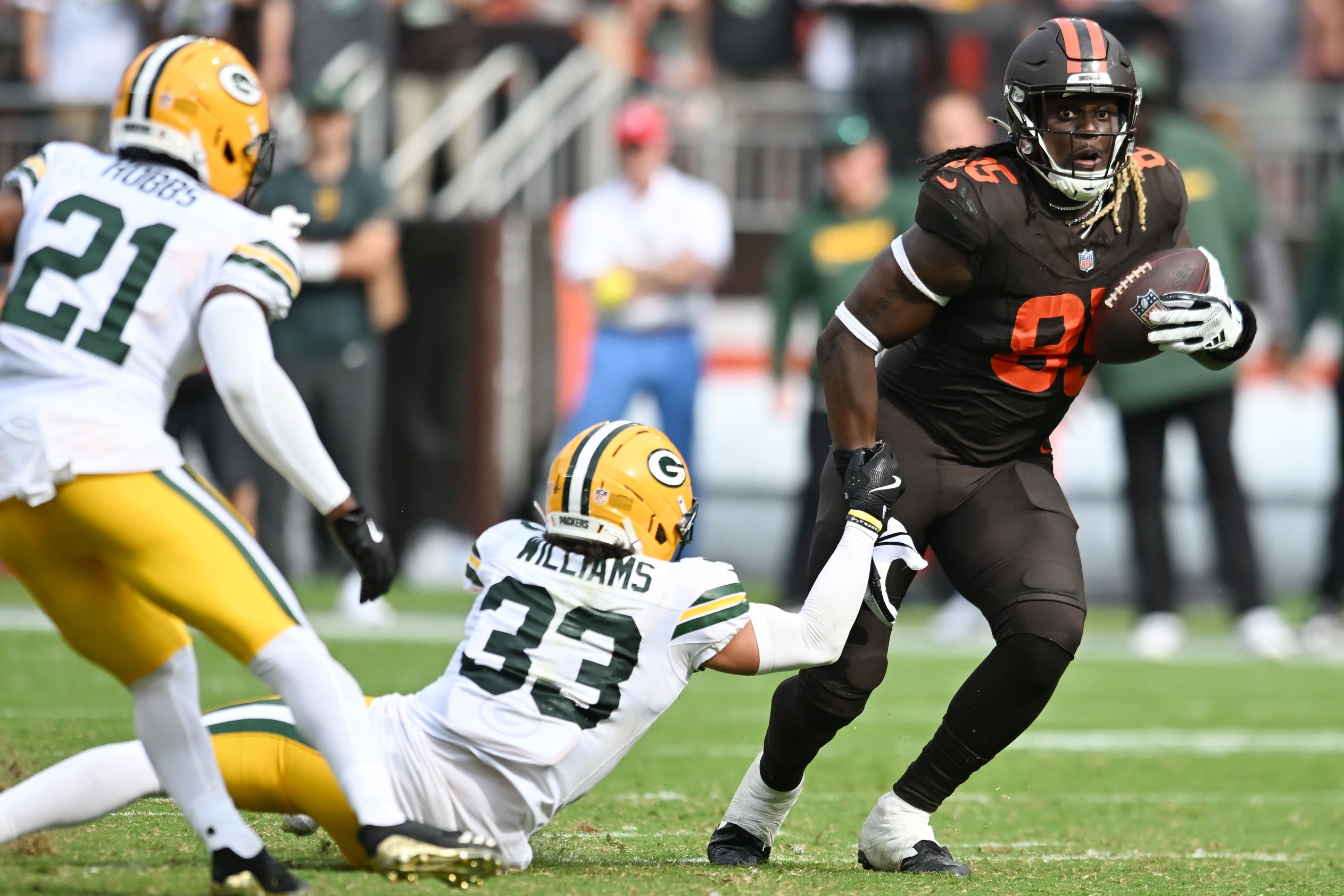
In a move that surprised both fans and medical observers, Njoku decided to play in the team's Week 4 matchup against the Baltimore Ravens only two days after the incident. To protect his face during the game, he wore a specialized mask—a decision that became a viral focal point of the NFL season.
This choice underscored the unique pressure athletes face regarding availability and the culture of toughness in professional football. However, it also sparked a dialogue about the medical risks of competing with open or healing wounds. Exposure to turf, sweat, and physical contact poses a high risk of secondary infection for burn victims. That Njoku performed effectively in the game—recording six catches for 26 yards—was credited to both his pain management and the high-level medical support provided by the Browns' training staff.
Medical Considerations for Burn Recovery
The recovery from burns of the magnitude sustained by Njoku involves a multifaceted medical approach. The skin acts as the body’s primary barrier against pathogens; when that barrier is compromised, the body enters a hyper-metabolic state to facilitate rapid repair.
Key elements of professional burn treatment include:
- Debridement: The removal of damaged or dead tissue to prevent infection and promote healing.
- Topical Antimicrobials: Application of specialized ointments to keep the wound site sterile.
- Hydrotherapy: Often used in severe cases to clean wounds and manage pain during dressing changes.
- Compression Garments: Frequently used during the later stages of healing to reduce scarring and provide support to the affected area.
For an NFL athlete, the challenge is compounded by the need for mobility. Burned skin loses elasticity, which can limit the range of motion in the limbs. Rehabilitation focuses on physical therapy to prevent contracture, a condition where skin tightens and restricts movement.
Comparison of Burn Care and Athletic Recovery Requirements
| Treatment Component | Standard Patient Focus | Professional Athlete Focus |
|---|---|---|
| Primary Goal | Wound closure and scar minimization | Quick return to high-impact play |
| Pain Management | Long-term healing and comfort | Controlled suppression for competition |
| Mobility | Restoration of range of motion | Preservation of explosive athletic power |
| Environmental Control | Avoiding irritants/sunlight | Protecting from sweat and contact |
Home Fire Safety Lessons
The aftermath of Njoku’s injury serves as a broader reminder of home safety. Thousands of people suffer burns from fire pits and grills annually. Following the incident, safety experts emphasized several preventative measures that could have mitigated the risk or prevented the accident entirely.
- Avoid Accelerants: Never use gasoline or kerosene to ignite a fire pit. These substances can cause unpredictable explosions.
- Establish a Perimeter: Keep a clear, non-flammable buffer zone around any open flames.
- Equipment Maintenance: Regularly inspect gas lines, igniters, and valves for leaks or blockages.
- Emergency Readiness: Always have a fire extinguisher or a heavy-duty fire blanket within reach when operating outdoor heating equipment.
The Psychological Impact of Visible Injuries
Beyond the physical recovery, professional athletes often contend with the psychological toll of traumatic injury. For high-profile individuals, a visible injury—especially one on the face—can induce significant anxiety regarding identity, public perception, and long-term aesthetic concerns.
In the weeks following the event, Njoku’s openness about the incident helped destigmatize the reality of recovery. By acknowledging the pain and the difficulty of the process, he transitioned the narrative from one of "playing through pain" to one of managing human vulnerability. His transparency provided a relatable touchpoint for fans, many of whom have dealt with similar accidents but lacked the access to the elite-level resources available to a professional athlete.
Frequently Asked Questions
What did David Njoku use to protect his face during the game? Njoku wore a custom-fit, protective clear plastic mask. This served as a physical shield to prevent further damage to his healing skin from contact with other players, equipment, or the playing surface.
Did the injury impact his long-term career performance? Statistically, Njoku continued to produce at a high level following the incident. His performance in the 2023 and subsequent seasons suggests that, while the injury was a severe acute event, it did not cause a long-term decline in his physical capabilities as a tight end.
Why is an accidental fire pit flare-up dangerous? Flare-ups are often caused by the accumulation of unburned gas or the rapid vaporization of liquid fuel. When an ignition source (like a lighter or match) is introduced, the resulting combustion is instantaneous and significantly hotter than a controlled flame, often causing deep-tissue thermal burns.
What are the warning signs of infection in a burn wound? Warning signs include increased redness, swelling, yellow or green discharge, fever, and an increase in pain. Anyone experiencing these symptoms following a burn should seek professional medical evaluation immediately.
What is the best way to safely start a fire pit? Use commercial fire starters or crumpled newspaper placed beneath a structure of dry, small kindling. Always ensure the air vents are open, and never lean directly over the fire pit when attempting to light it.
Moving Forward: Recovery and Advocacy
In the years since the 2023 incident, David Njoku has transitioned from a focus on recovery to using his platform to promote burn awareness. For those who suffer similar injuries, the path forward is rarely a straight line. It requires adherence to strict medical protocols, patient physical therapy, and the mental fortitude to manage the discomfort that accompanies the skin’s regeneration.
If you have suffered a burn injury, prioritize professional care over home remedies. Consult with a dermatologist or a specialized burn center to ensure that your treatment plan is tailored to the depth of the injury. When using outdoor fire features, prioritize safety over convenience; the time spent ensuring a controlled ignition is minimal compared to the potential duration of medical recovery from a thermal burn.
Image Gallery