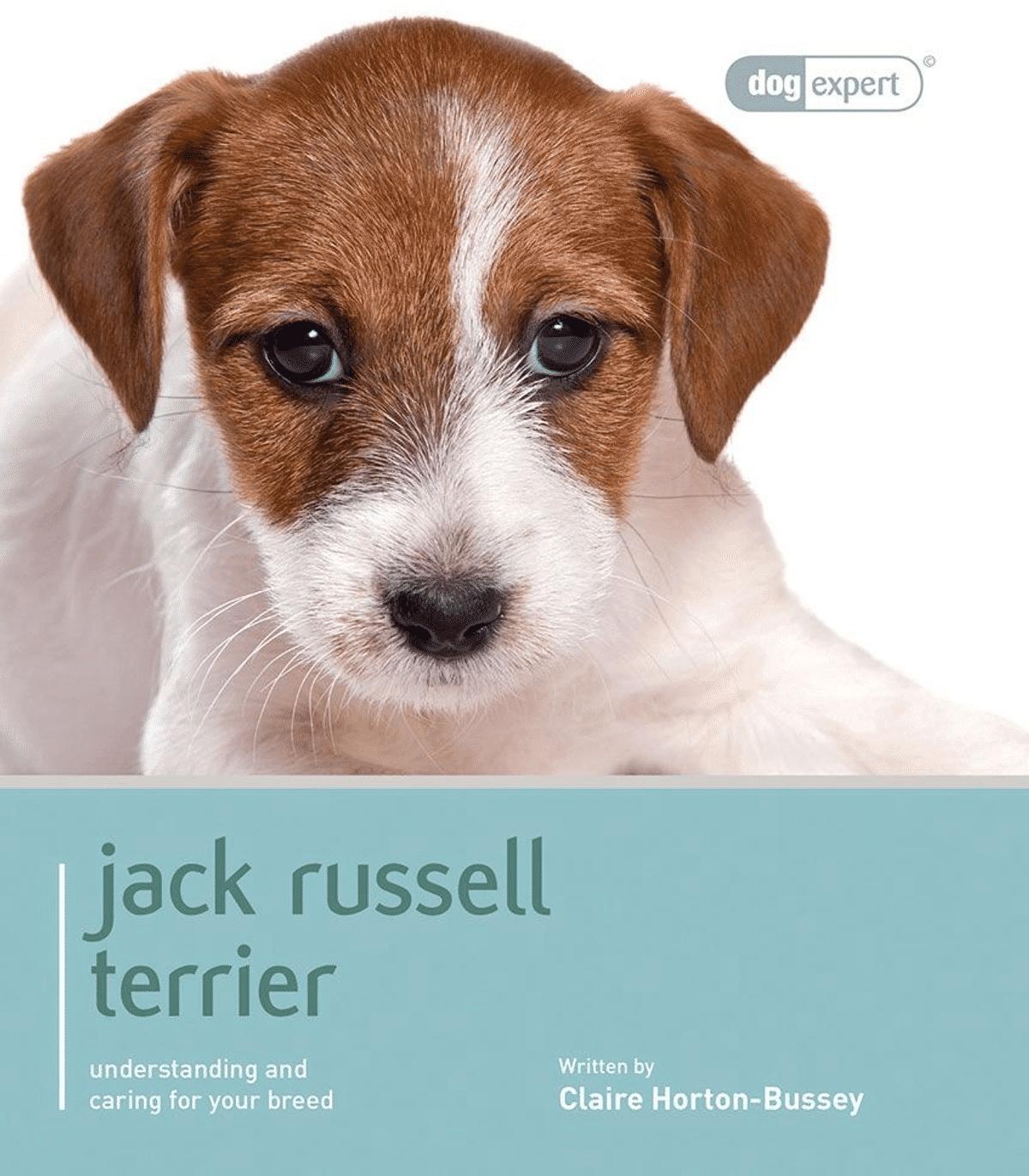
Understanding the Jack Russell Terrier’s Character and Temperament
The Jack Russell Terrier is defined by its high-octane energy, intense prey drive, and sharp intelligence, which combine to create a bold, independent, and often mischievous companion. Understanding this breed requires recognizing that...
The Jack Russell Terrier is defined by its high-octane energy, intense prey drive, and sharp intelligence, which combine to create a bold, independent, and often mischievous companion. Understanding this breed requires recognizing that these dogs were engineered for endurance and problem-solving, traits that make them remarkably loyal yet demanding partners for owners who prioritize active engagement and firm, consistent structure.
Contents
Historical Foundations of the Breed’s Character
To truly understand the Jack Russell character, one must look at the breed’s origins. Developed by Reverend John Russell in early 19th-century England, the terrier was explicitly bred for fox hunting. Unlike companions developed for the hearth, the Jack Russell was selected for "gameness"—a relentless drive to pursue quarry into underground dens, often facing adversaries significantly larger than themselves.
This historical purpose is the root of their most defining personality traits. A Jack Russell does not simply "hang out"; it is constantly scanning its environment for movement, sound, or potential challenges. This ingrained instinct means that, in a modern domestic setting, the dog often views everyday life as a series of tasks to be completed. Their confidence is legendary, often bordering on fearlessness, which can lead to friction if they encounter larger, more aggressive animals.
Core Personality Traits
The Jack Russell is not a passive pet. If you are considering this breed, you must be prepared to manage several distinct behavioral pillars that define their daily character.
1. Boundless Energy and Athleticism
Even in 2026, the Jack Russell remains one of the most athletic small-breed dogs. They require more than just a casual walk; they need vigorous, aerobic exercise to prevent behavioral degradation. A bored Jack Russell is a master of destruction; they are physically capable of jumping significant heights, digging through manicured lawns, and finding ways to escape fenced yards if their mental and physical energy is not directed into productive channels.
2. High Intelligence and Independent Thinking
The breed is exceptionally smart, but their intelligence is often misunderstood. They are not as eager to please as a Golden Retriever; instead, they are pragmatic. If a command does not serve their immediate interest or if they see a more efficient way to achieve a goal, they will choose their own path. This "working dog" brain means they excel at puzzle toys and scent games, but they will quickly outsmart owners who rely solely on rote, repetitive training.
3. The Prey Drive
Perhaps the most significant challenge for the average owner is the breed's predatory instinct. Small rodents, squirrels, cats, and even fast-moving shadows can trigger a "chase" response. This trait is not "naughty" behavior—it is a physiological impulse. Owners must be hyper-vigilant about off-leash safety, as a Jack Russell in pursuit of prey will often become temporarily "deaf" to owner recall commands.
Essential Considerations for Potential Owners
Before committing to a Jack Russell, it is vital to perform an honest assessment of your living situation and time availability.
| Feature | Requirement / Expectation |
|---|---|
| Physical Activity | Minimum 60–90 minutes of active play/exercise daily. |
| Mental Stimulation | High; requires training, agility, or scent work. |
| Training Style | Short, positive-reinforcement sessions; no heavy-handedness. |
| Socialization | Crucial; early exposure prevents dog-on-dog aggression. |
| Living Space | Fenced yards preferred; apartment living requires high discipline. |
Training Challenges
Training a Jack Russell requires patience. They respond best to consistency and short bursts of activity. Long, monotonous training sessions will result in the dog simply turning off or finding their own entertainment. Using high-value rewards—specifically food or high-energy tug toys—is the most effective way to engage their interest.
A common mistake owners make is failing to establish boundaries early. Because they are small and "cute," many owners allow bad habits (like nipping or furniture jumping) to develop when the puppy is young. By the time the dog is an adult, these behaviors become deeply ingrained, making correction significantly more difficult.
Managing the Jack Russell Environment
Because of their high drive, environmental management is as important as training.
- Vertical Barriers: Jack Russells can jump surprisingly high for their size. Ensure your perimeter fencing is secure and free of gaps.
- The "Den" Mentality: While they are hyperactive outdoors, they can be excellent cuddlers indoors if they have exhausted their energy. Providing a secure crate or a designated "den" space gives them a sense of security and a place to decompress.
- Safety with Other Pets: Because of their terrier heritage, caution is required when introducing them to other household pets, particularly small mammals like hamsters or rabbits. Even with cats, the introduction should be slow and supervised.
Frequently Asked Questions
Are Jack Russells good with children?
Jack Russells can be wonderful with children, provided the children are taught to respect the dog’s space. They are robust and energetic, matching the playfulness of kids. However, because they can be snappy if teased or handled roughly, supervision is required with very young children who may not understand canine body language.
Can a Jack Russell live in an apartment?
Yes, but only if the owner is committed to an active lifestyle. An apartment-bound Jack Russell must have its exercise needs met outside the home. Without significant daily output, they can become reactive and noisy in confined spaces.
Why does my Jack Russell ignore my recall commands?
This is typically a result of their high prey drive. When they are focused on a smell or a moving object, their instinctive brain takes over, overriding their training. This is why "proofed" recall in a controlled, enclosed environment is essential before ever allowing them off-leash in open areas.
How do I stop my Jack Russell from digging?
Digging is often an outlet for excess energy or a search for small critters. Ensure they have sufficient physical exercise. Providing a designated "digging box" filled with sand or soft earth can give them a socially acceptable place to practice this natural instinct.
Are they easy to housebreak?
Jack Russells are highly intelligent and usually pick up house training quickly. However, they are sensitive to schedules. Consistency in feeding and bathroom breaks is the fastest way to achieve house-training success.
Recommended Next Actions
If you are currently living with a Jack Russell, or planning to bring one into your home, your next step should be to evaluate your current training regime. Are you providing enough mental complexity to satisfy their intellect? Look into local agility clubs, nose-work classes, or canine puzzle toys. By transitioning from a "pet owner" mindset to a "handler" mindset, you will find that the Jack Russell’s intensity becomes a source of immense reward rather than frustration. Engage them, exhaust them, and you will have a devoted companion for many years to come.
Image Gallery